The reviews for Pines Nursing and Rehab present a markedly mixed picture, with a clear split between accounts of high-quality clinical rehabilitation and compassionate hands-on care, and accounts describing operational shortcomings that affect safety and satisfaction. Many families and residents praised the facility’s therapy teams, noting measurable functional gains, effective physical and occupational therapy, and successful return-to-ambulation outcomes. Nursing aides and some nurses are frequently characterized as caring and attentive, and several reviewers commended the social work and nurse practitioner involvement in care planning. The activity program is consistently highlighted as a strength: a variety of social, recreational, and spiritual activities (including games, crafts, bowling-style activities, and religious services) contributes to resident engagement and camaraderie. Housekeeping and common-area cleanliness were noted positively in many visits, and the availability of dialysis services and opportunities for room personalization were also cited as conveniences.
At the same time, a substantial number of accounts point to system-level weaknesses that recur across domains. Staffing levels and staff responsiveness are a central concern: reviewers describe long wait times for assistance, slow call-bell responses, and limited after-hours nursing presence. These staffing gaps are linked to difficulties maintaining consistent hygiene and bathing schedules, limited shower access, and delays in medication delivery. Clinical consistency is uneven; examples cited include concerns about wound care, infection-control practices, and medication administration processes. Such clinical inconsistencies, combined with reports of delayed emergency escalation and occasional readmissions, indicate gaps in care processes and oversight.
Dining and dietary experiences are similarly mixed. The facility is capable of accommodating special diets and some families praised careful meal preparation (including ground/pureed diets), but others noted frequent temperature and quality issues, undercooked or cold meals, and inconsistent meal-service continuity. Activity programming is a relative strength and is often singled out as contributing positively to residents’ wellbeing; however, therapy availability and staffing for rehabilitation services can be inconsistent depending on timing and unit.
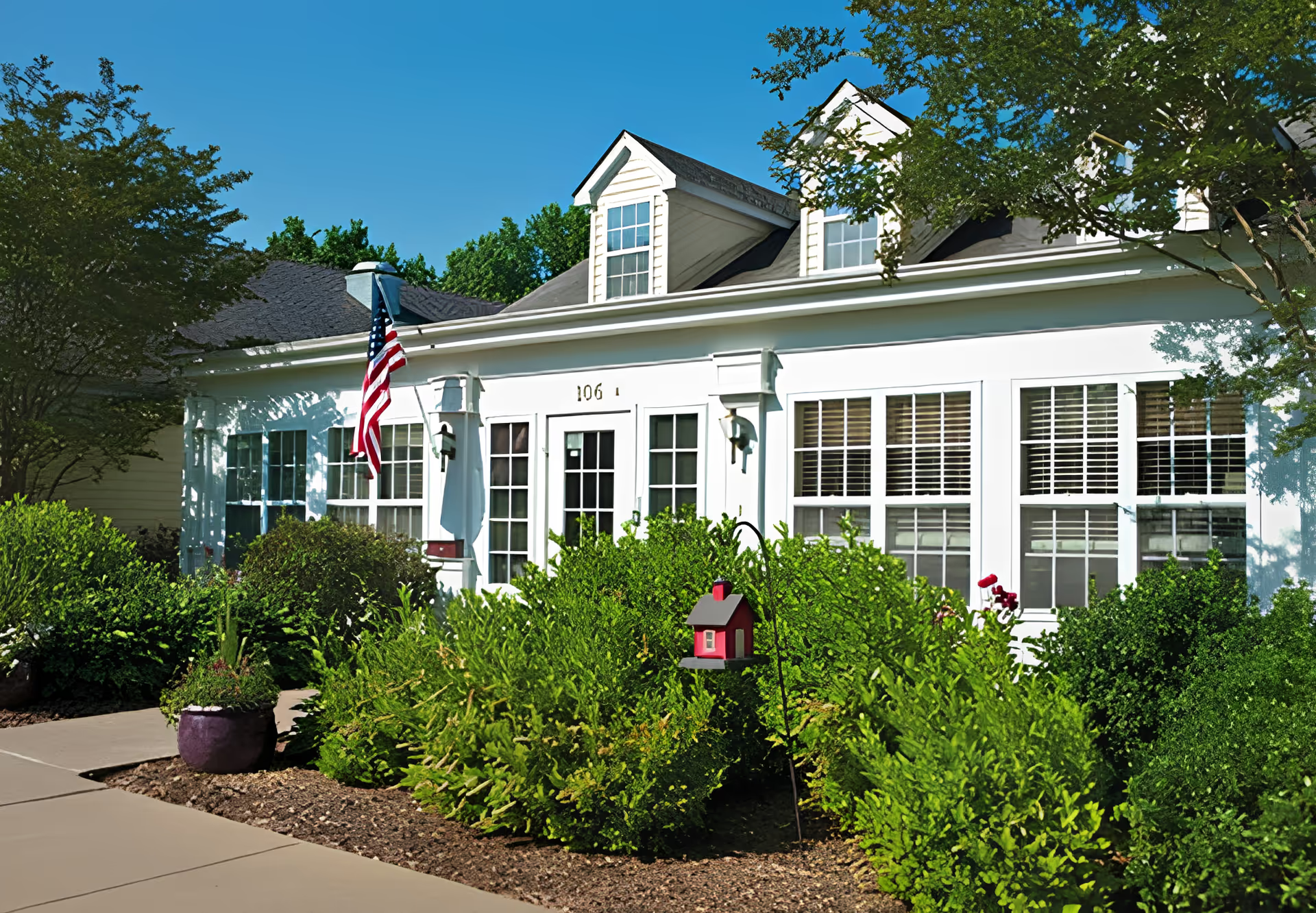
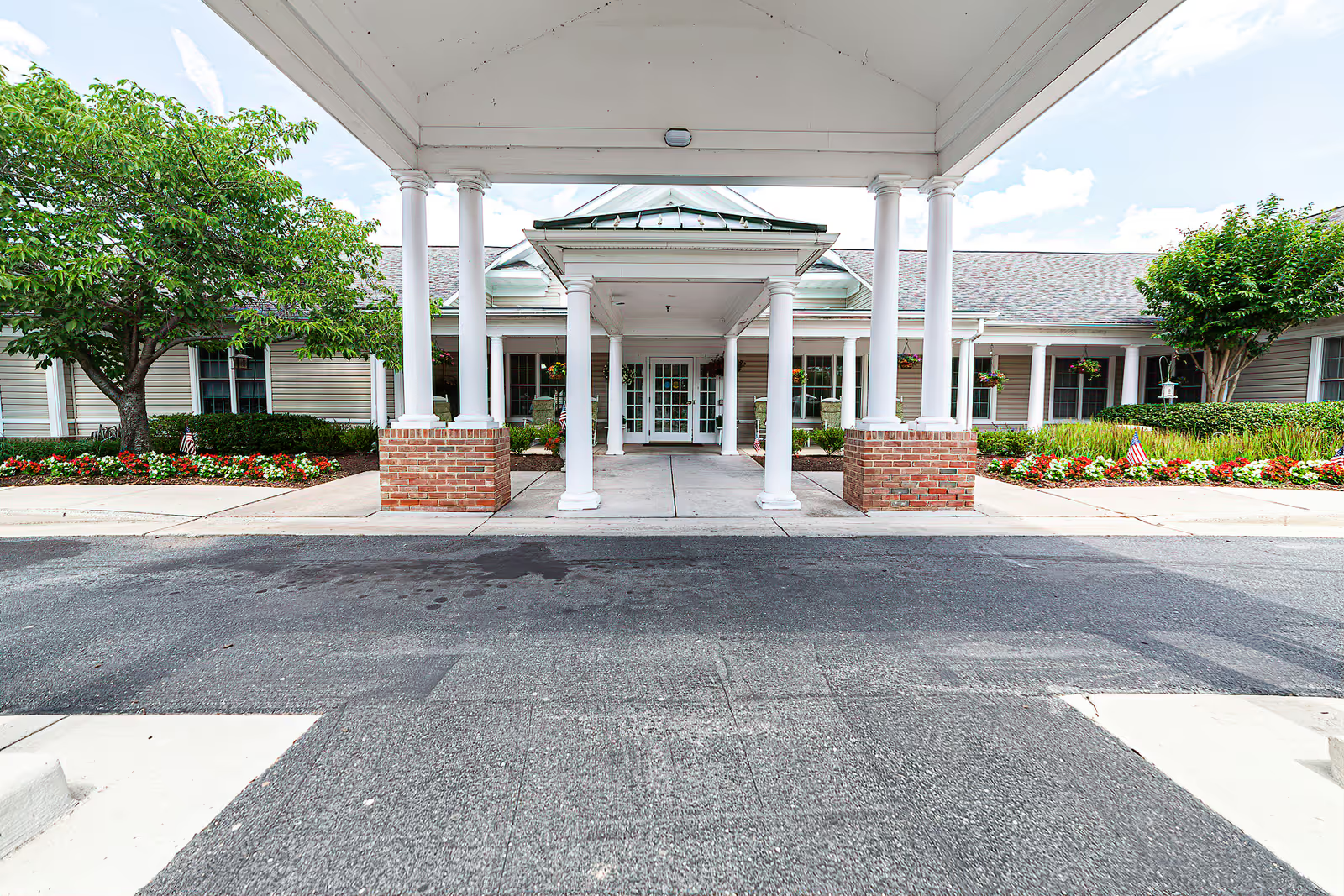
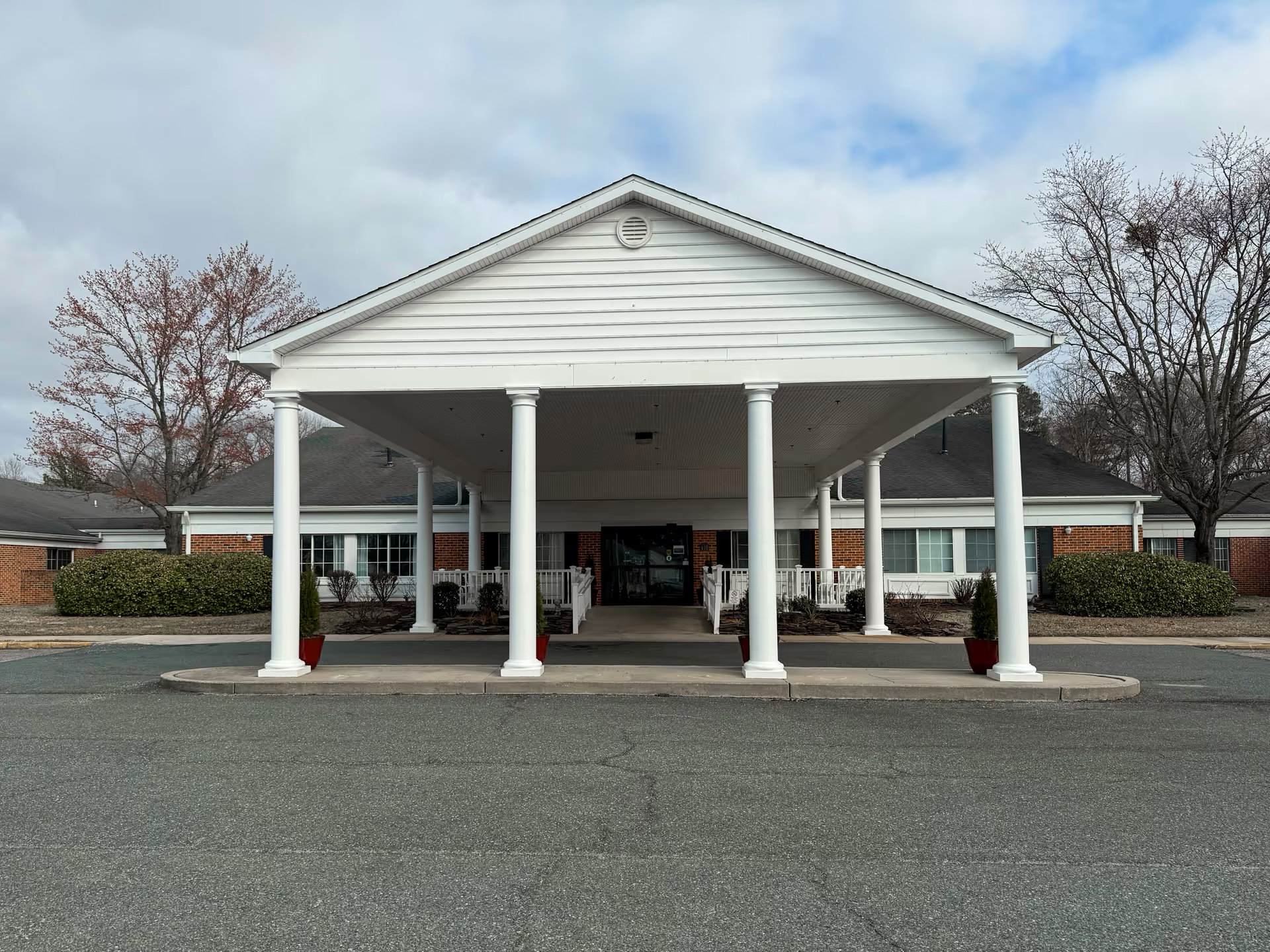
Facility condition and management practices are additional areas of divergence. Several reviewers described an aging physical plant with maintenance needs, alongside intermittent sanitation and odor concerns in certain units. There are also multiple comments about administrative shortcomings — billing problems, reception/admissions difficulties, and inconsistent communication from leadership — as well as high staff turnover and reports of uneven supervisory presence. Security and belongings-management problems, including missing items, were raised as notable issues that families should consider.
Taken together, the pattern suggests that Pines can deliver strong therapeutic and interpersonal care when staffing, leadership, and clinical oversight are aligned, but that variability in staffing, management stability, infection-control practices, and facility maintenance has led to significant negative experiences for other residents and families. Prospective residents and family members should schedule an in-person tour focused on the unit where the resident would reside, ask for recent staffing ratios and clinical quality metrics, review infection-control and wound-care protocols, inquire about laundry and belonging-security processes, and verify current leadership and ownership stability before making placement decisions. Reviewing recent state inspection reports and speaking directly with the therapy and nursing leadership can help clarify whether the strengths identified in many reviews are consistently present and whether the operational concerns have been addressed.