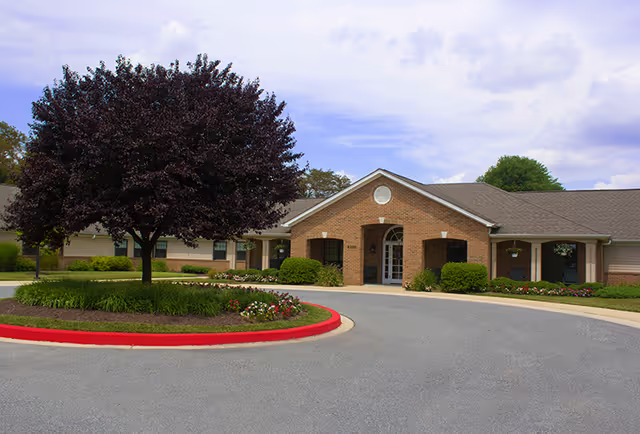
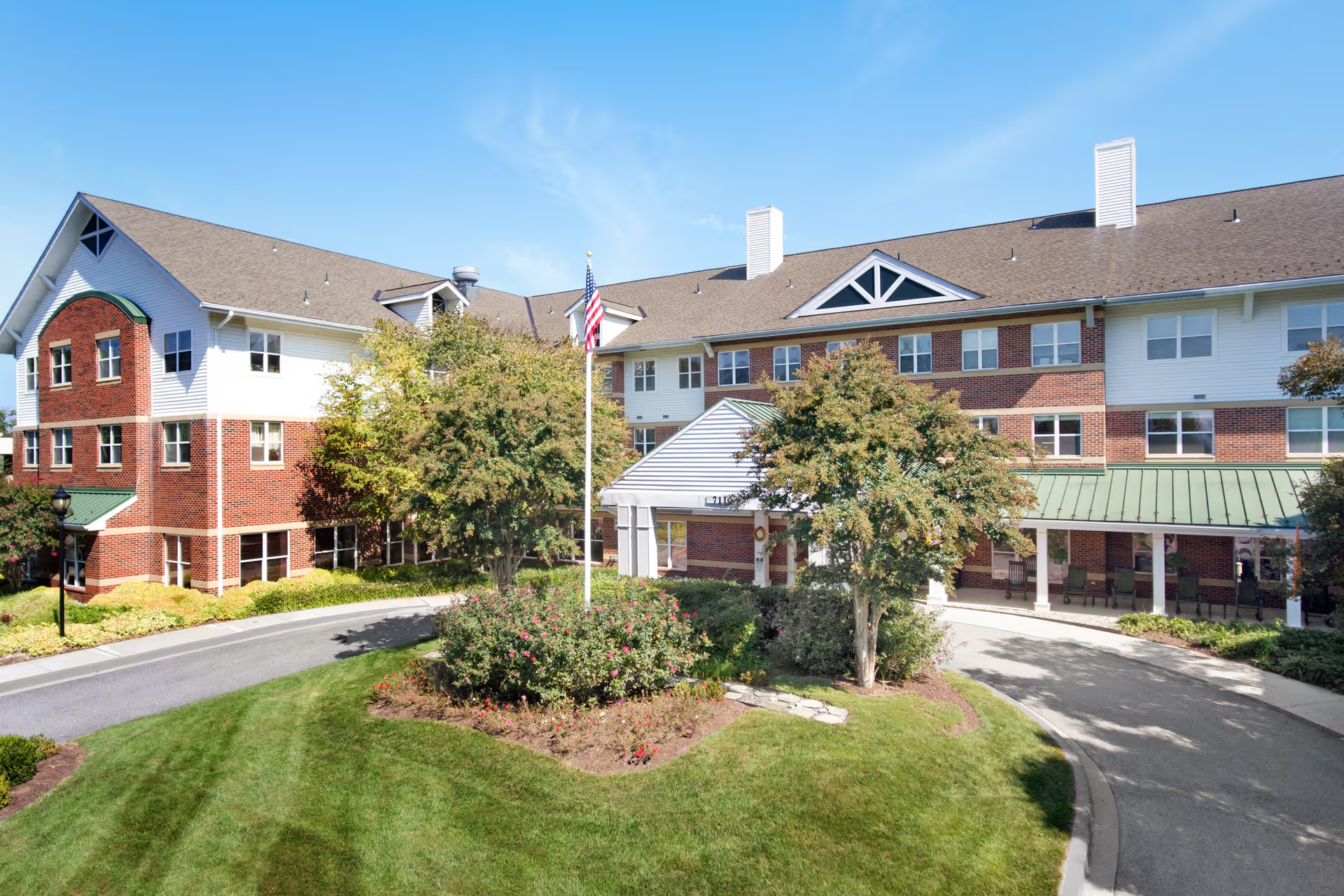
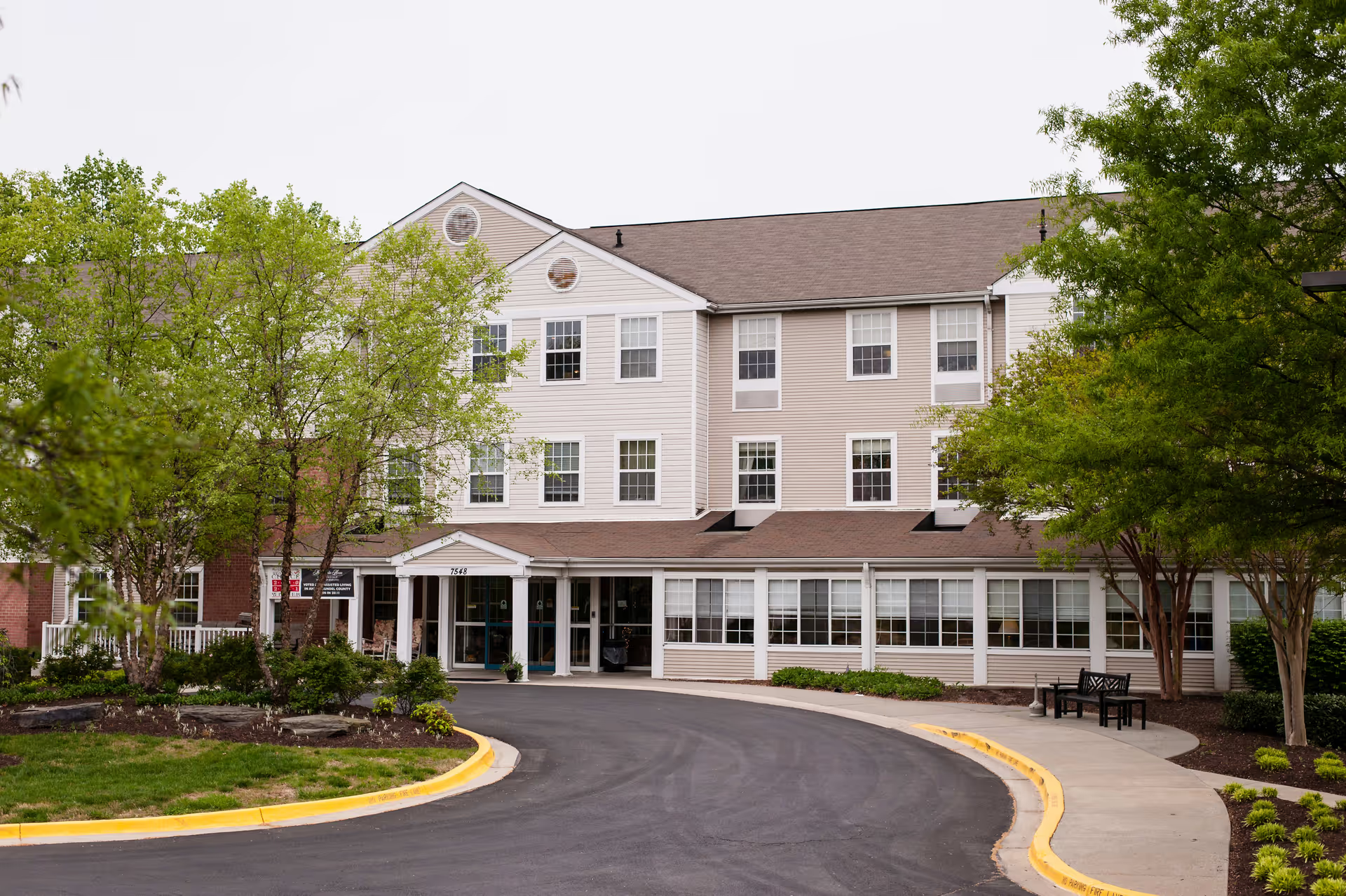
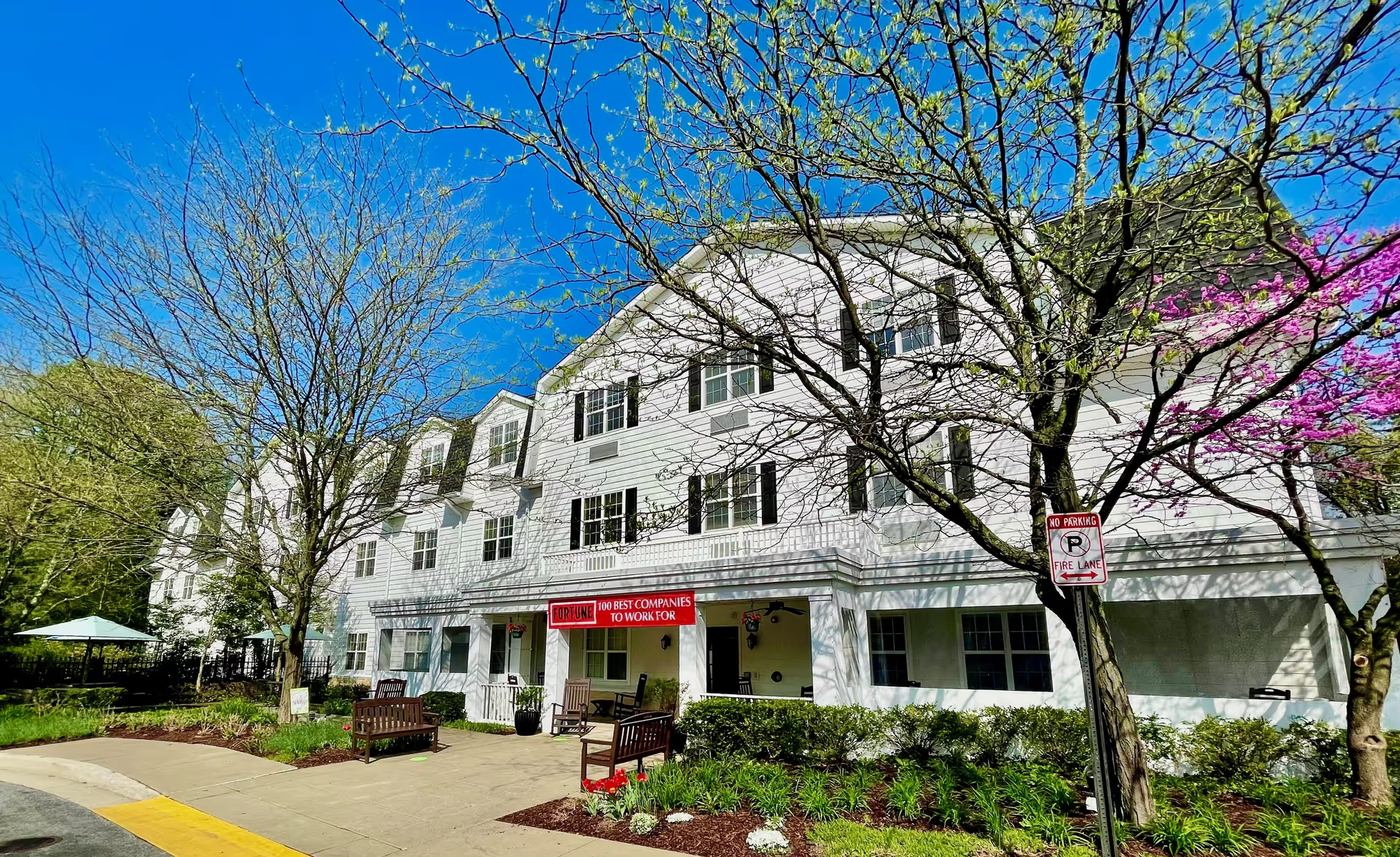
Reviews describe a facility with clear strengths in hospitality, rehabilitation services, and facility upkeep alongside recurring operational weaknesses. Many families highlight the compassionate tone of direct caregivers, the welcoming admissions experience, and visible cleanliness of the building and grounds. Physical and occupational therapy receive frequent praise for effectiveness and helping residents return home. Social programming and a sense of community are also noted as important positives that contribute to resident wellbeing.
Clinical-care experiences are mixed. Several reviews commend attentive nursing and specific clinicians for thoroughness and coordination, but an array of clinical-process concerns also appears repeatedly. These include inconsistent medication management, delays in obtaining physician input or clinical reassessments, and variable delivery of therapy sessions. A subset of reviews raises serious clinical worries related to infection-control practices and clinical monitoring; a few reviewers characterized these as significant enough to consider further action. Together these comments suggest variability in clinical reliability rather than uniform performance.
Staffing and day-to-day operations show a similar pattern of strengths and inconsistency. Many reviewers praise individual staff members, administrators, and therapy teams for responsiveness, leadership, and going beyond basic duties. At the same time, understaffing, frequent personnel changes, and uneven bedside responsiveness are recurrent themes. Operational consequences reported include delays in assistance, inconsistent bathing and incontinence-care routines, and occasional lapses in follow-up communication with families.
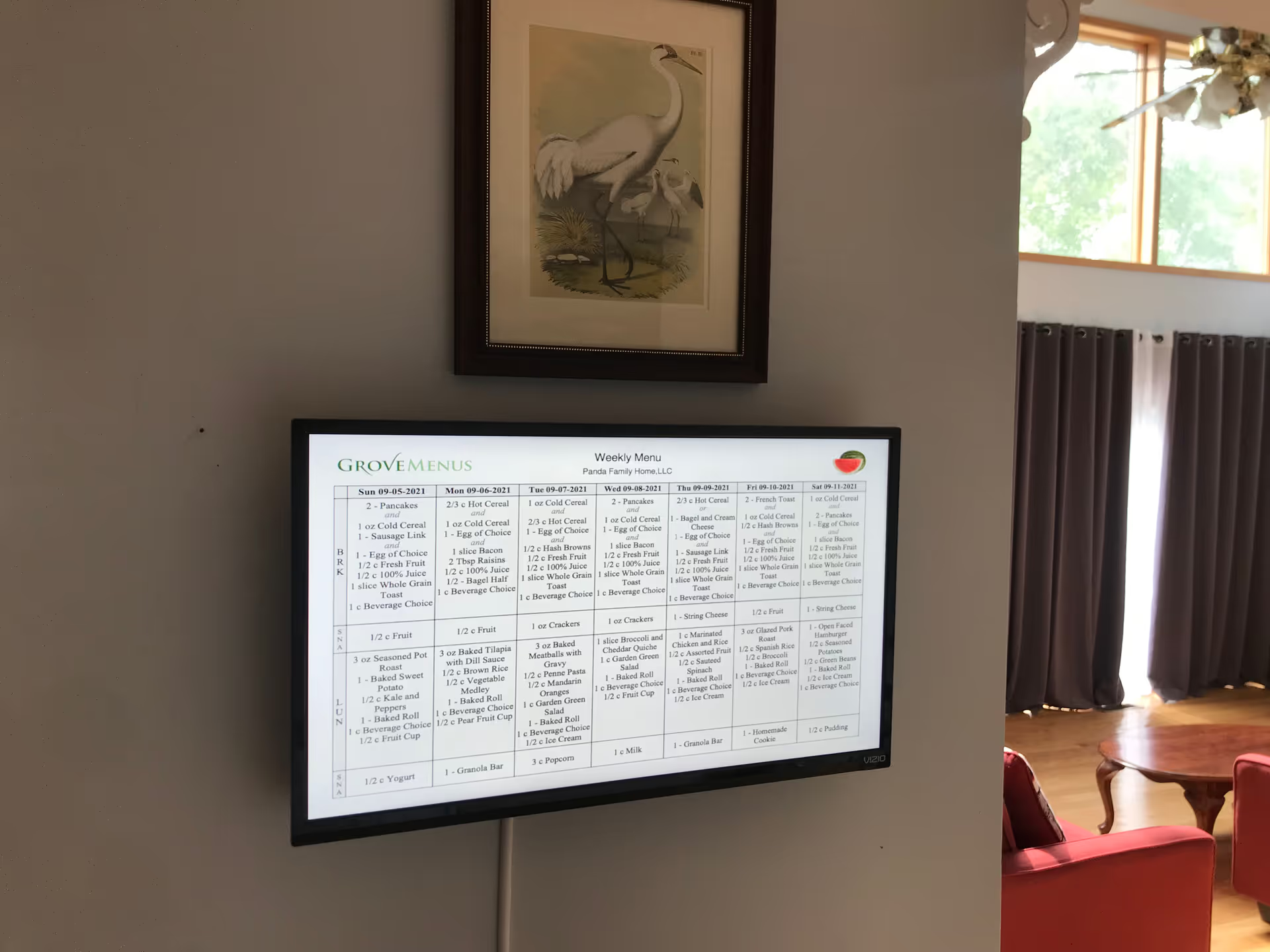
Dining, amenities, and facility services also divide opinion. The building, common areas, and many rooms are described as clean and well-presented; housekeeping and front-desk functions are often lauded. However, food quality and portion consistency are commonly described as variable, with some families identifying nutrition and meal-service issues. Administrative areas such as billing, records, and online-payment accessibility are another area of concern, with examples of lost records, inconvenient billing procedures, and inconsistent responsiveness from business office staff.
Overall, Lorien Elkridge appears to offer strong rehabilitation programming, a generally welcoming environment, and several highly regarded staff and leaders. At the same time, persistent operational issues—particularly around staffing stability, medication and clinical process consistency, infection-control vigilance, meal quality, and administrative systems—warrant attention. Prospective residents and families would benefit from focused questions during a tour: ask about current nursing and therapy staffing levels and schedules, medication-administration protocols and physician coverage, infection-control policies and testing practices, meal plans and nutritional accommodations, and how billing and medical records are handled and shared with families. These targeted inquiries can help clarify whether the facility’s strengths align with a particular resident’s needs and risk profile.