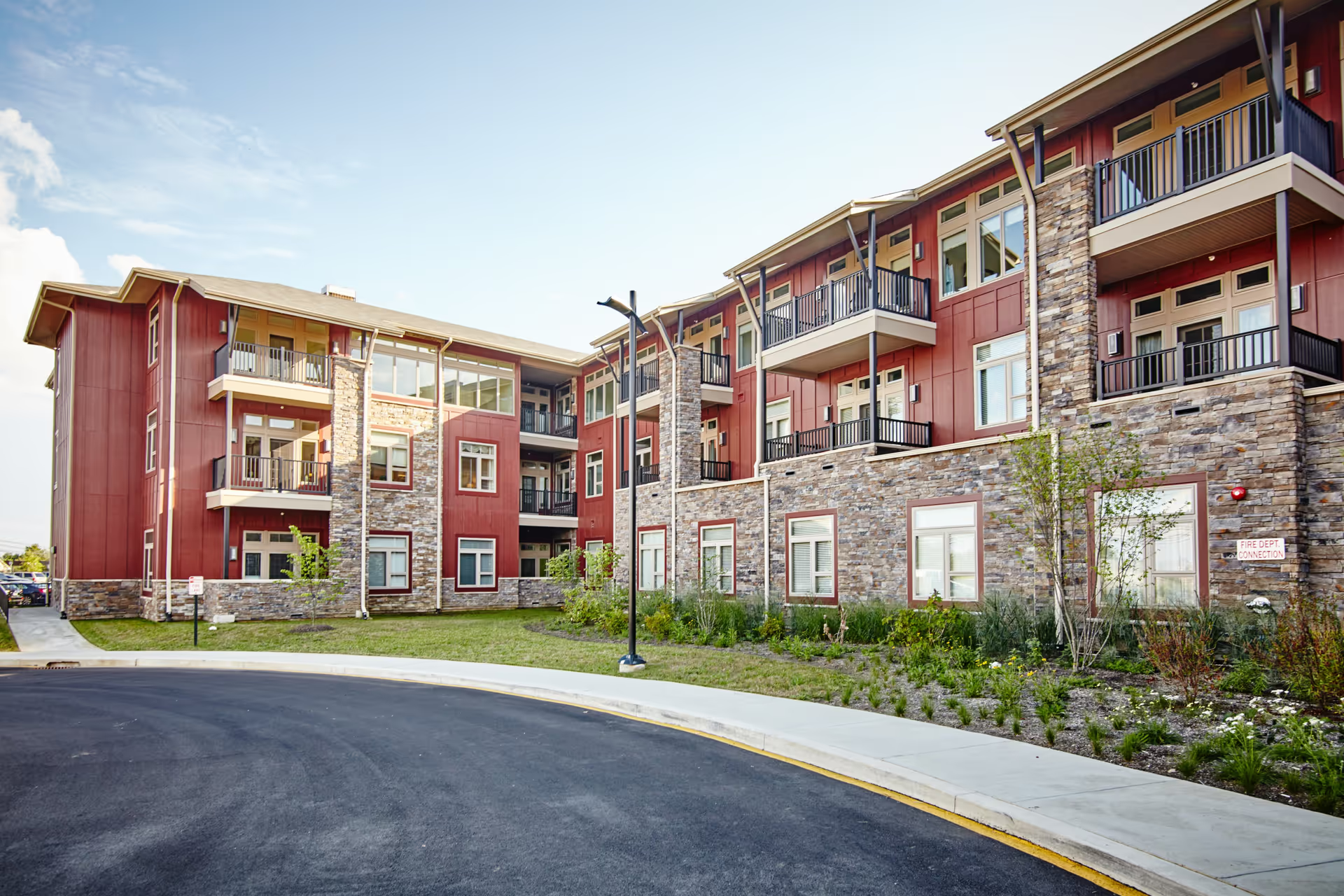
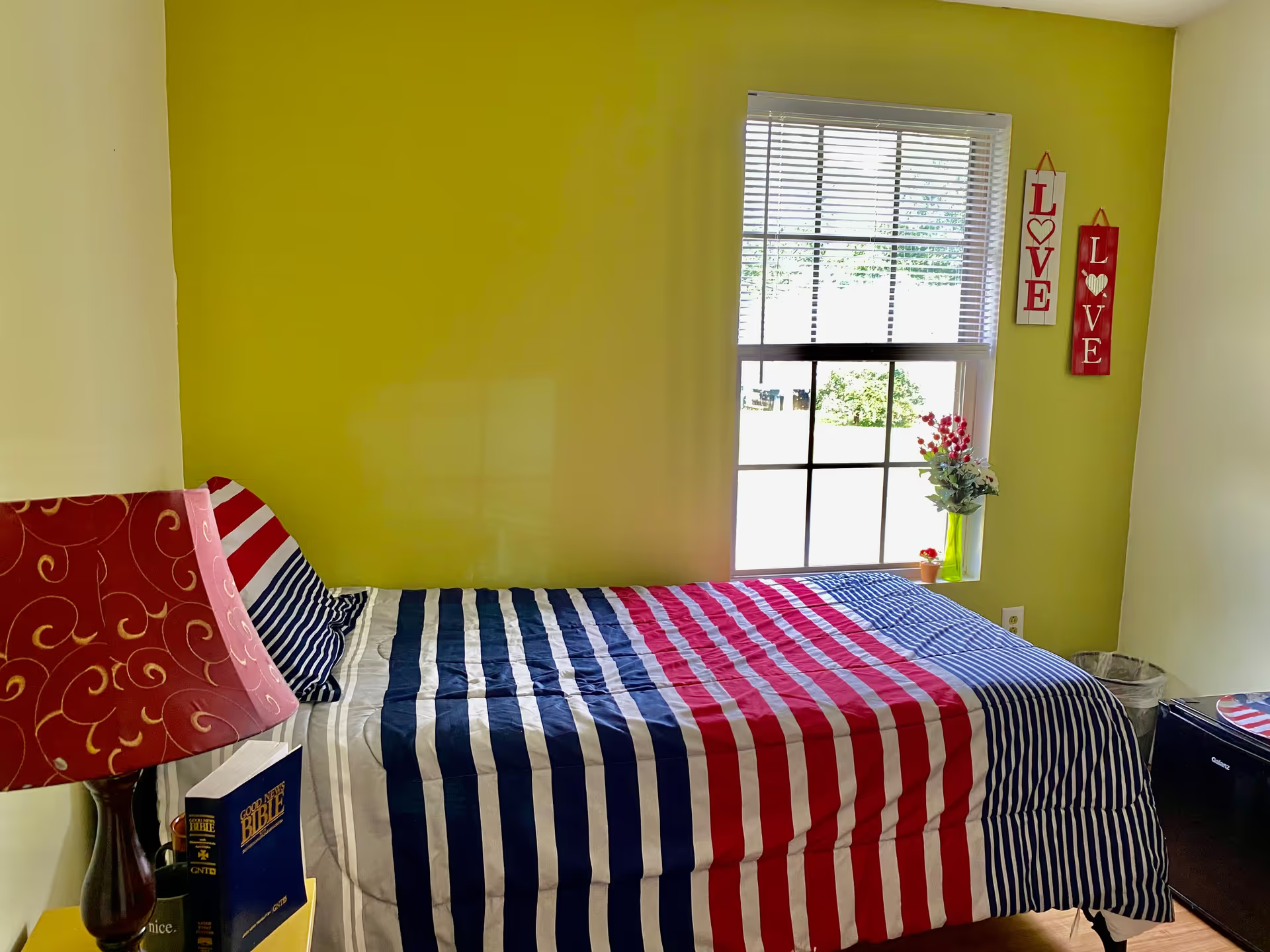
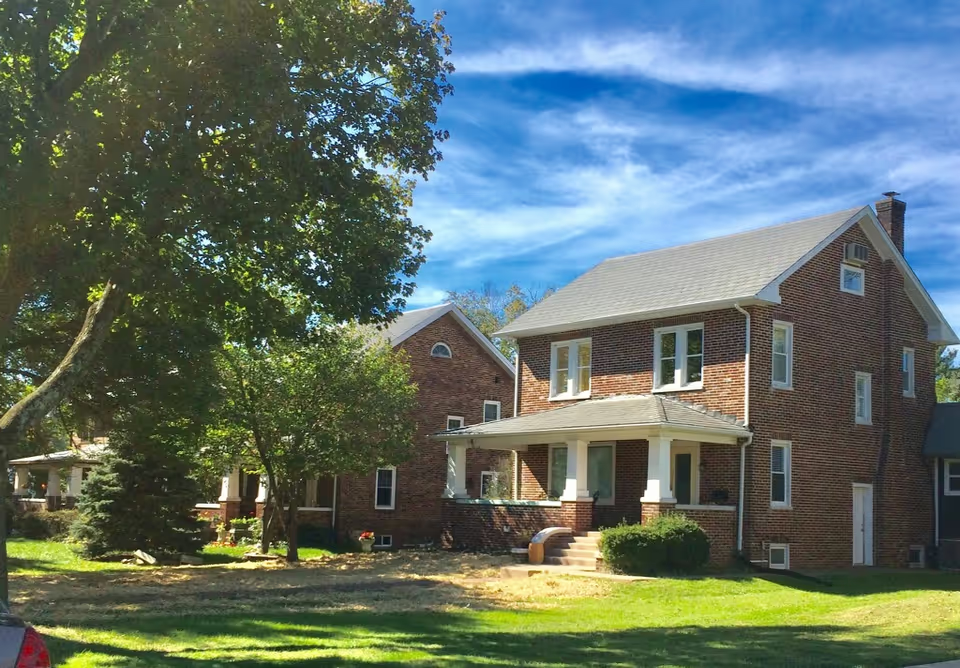
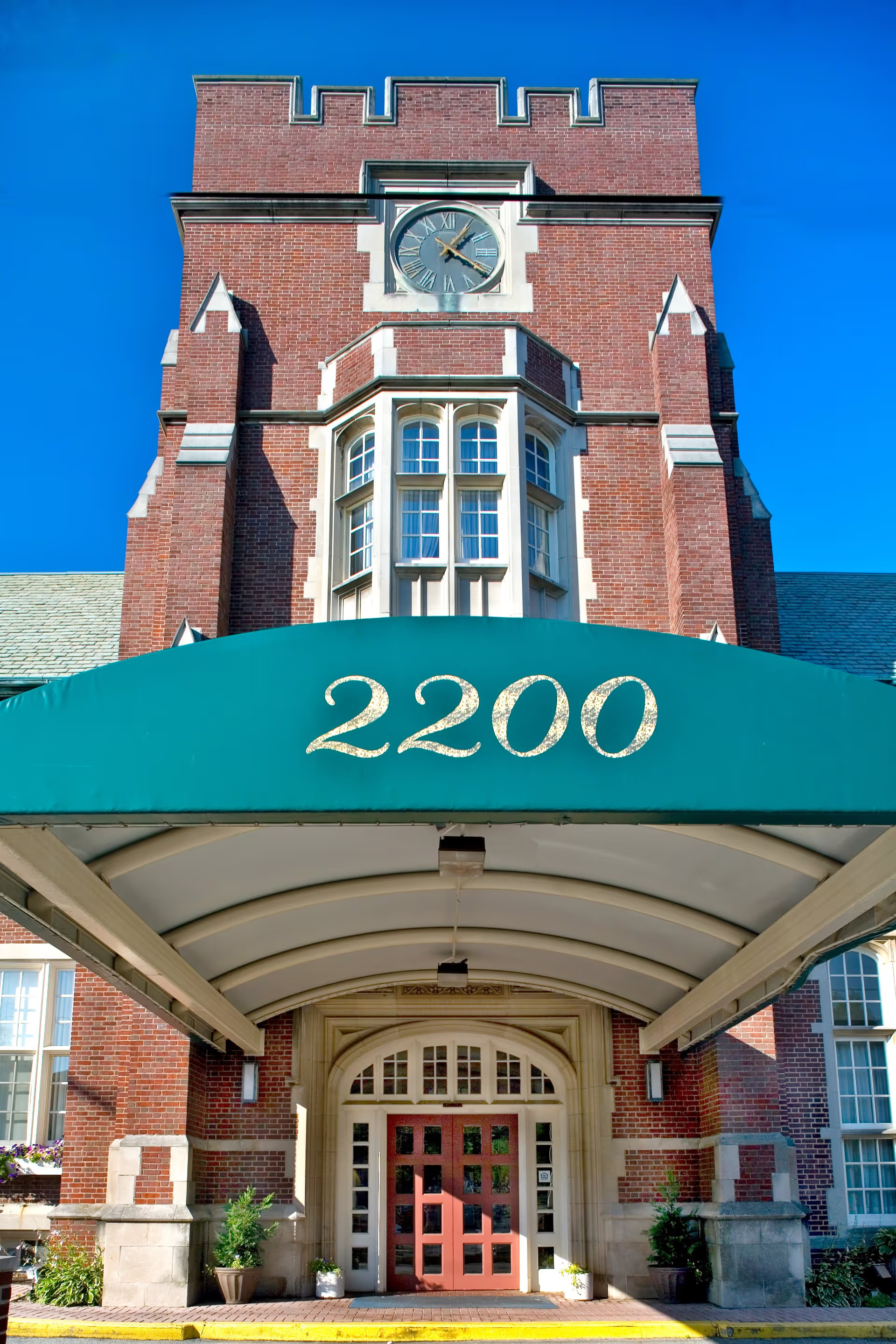
Elkton Nursing and Rehabilitation presents a mixed picture: a clearly strong rehabilitation program and several individual staff members who families and patients describe as attentive, compassionate, and committed. Physical therapy and related rehab services are a consistent strength; reviewers note organized therapy schedules, specialty services (including speech and prosthetics/orthotics), and measurable functional improvements. Many positive comments also highlight activities programming, an engaged recreation director, a pleasant outdoor area, and pockets of clean, comfortable rooms and helpful front-desk admissions support.
At the same time, recurring operational weaknesses are described across reviews. Staffing levels and responsiveness are frequently cited as problematic: call bells and assistance requests are described as slow to be answered, and families often expressed concern about long waits for aide support. These issues are tied to broader workforce and training gaps — reviewers described uneven aide performance, inconsistent nursing coverage, and variability in professional conduct and bedside approach. Medication administration and clinical coordination are also areas of concern, with accounts of dosing and documentation inconsistencies that families found distressing.
Dining and nutrition receive mixed feedback. Some families found the food acceptable and noted dietary support, while others described inconsistent meal quality, poor temperature/serving practices, and failures to provide appropriate menu alternatives when restrictions were in place. Sanitation and maintenance complaints are another prominent pattern: multiple accounts reference sanitation concerns, odor concerns in parts of the building, visible water damage or deferred repairs, and occasional pest-control or water/supply interruptions. These facility issues intersect with hygiene-assistance scheduling problems that contributed to family worries about daily personal-care routines.
Management, communication, and administrative practices are additional areas of tension. Several reviewers pointed to weak communication from social work and management, difficulty obtaining timely status updates, and concerns about billing and administrative transparency. There are isolated, serious allegations in some accounts — including claims about missing personal property and irregular billing practices — which have prompted calls for external review; language in multiple reviews also references regulatory scrutiny. Families emphasized a need for clearer, more consistent communication, better responsiveness from leadership, and stronger safeguards around property and billing.
In summary, prospective residents and families should weigh Elkton’s notable rehabilitation strengths and several examples of caring staff against repeated operational concerns. The facility demonstrates the capacity to deliver high-quality therapy and to engage residents in meaningful activities, and there are individual staff members and departments praised for going above and beyond. However, persistent patterns around staffing consistency, responsiveness to call bells, sanitation and maintenance, meal-service reliability, medication coordination, and administrative transparency suggest areas where expectations should be set carefully and where prospective families may want to seek clarifying information prior to placement (for example: current staffing ratios, call-bell response metrics, recent inspection results, and written policies on billing and property safeguards).