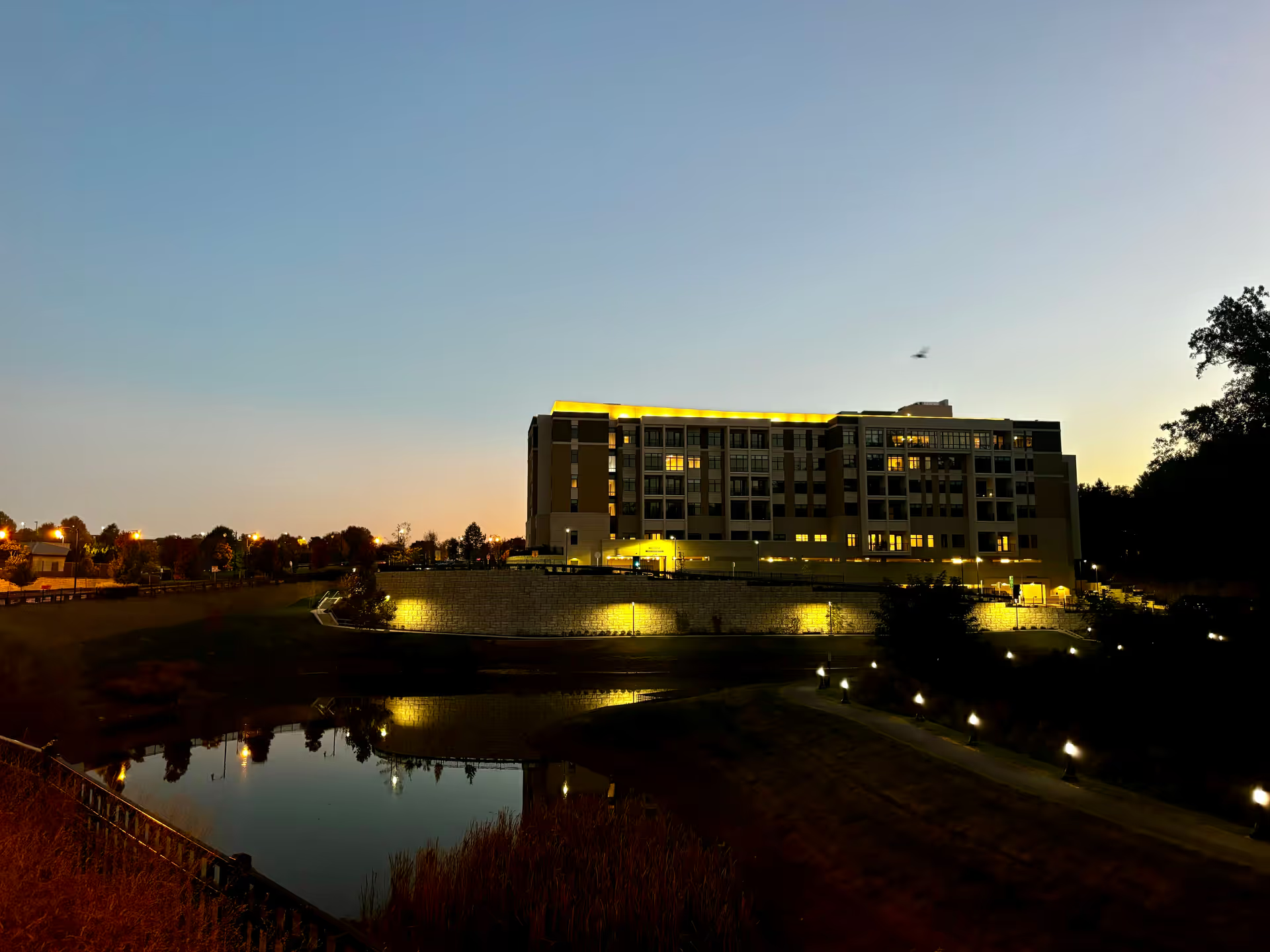
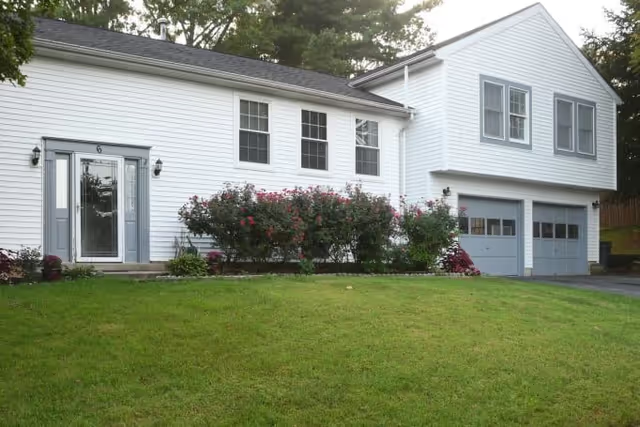
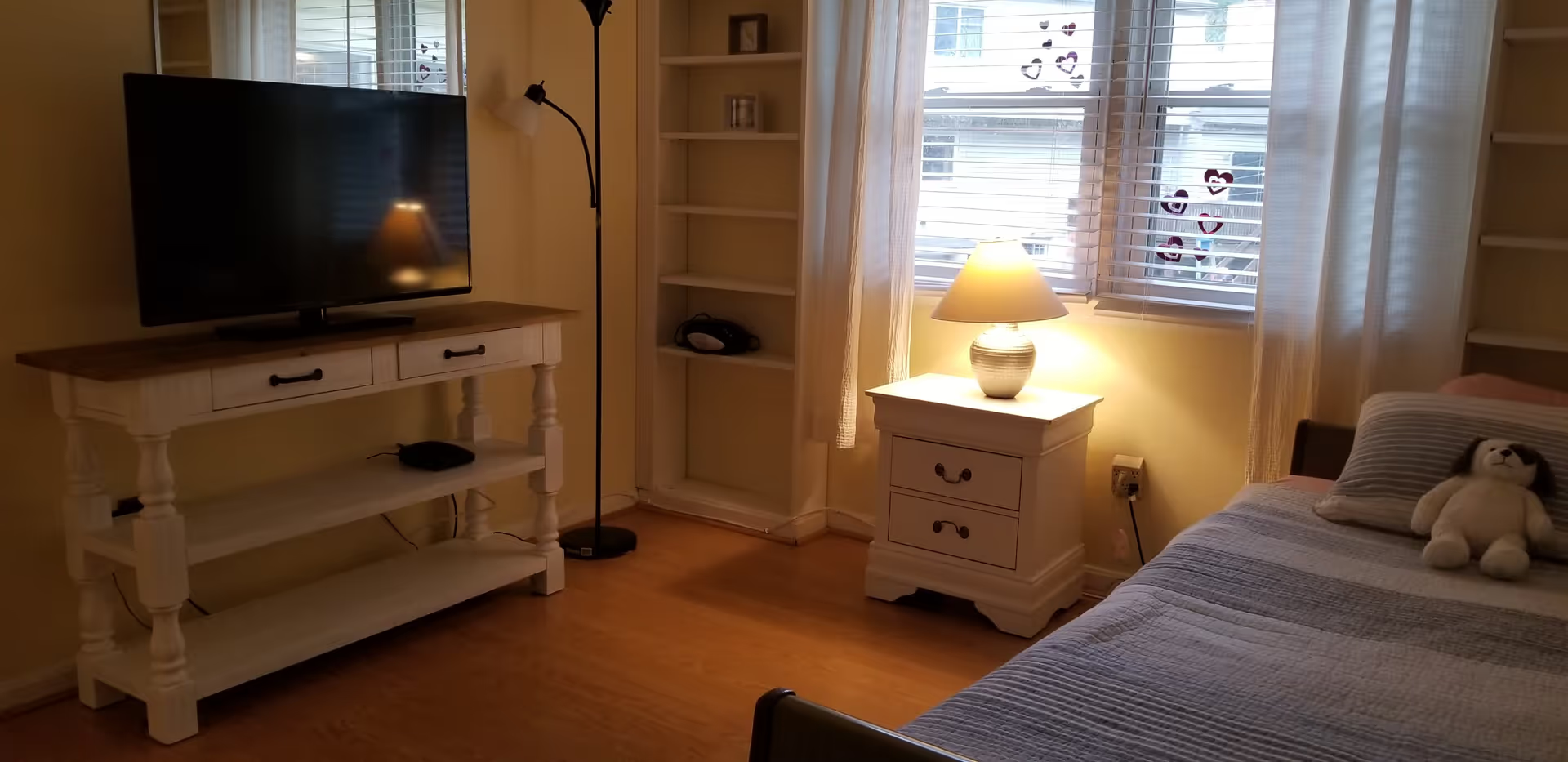
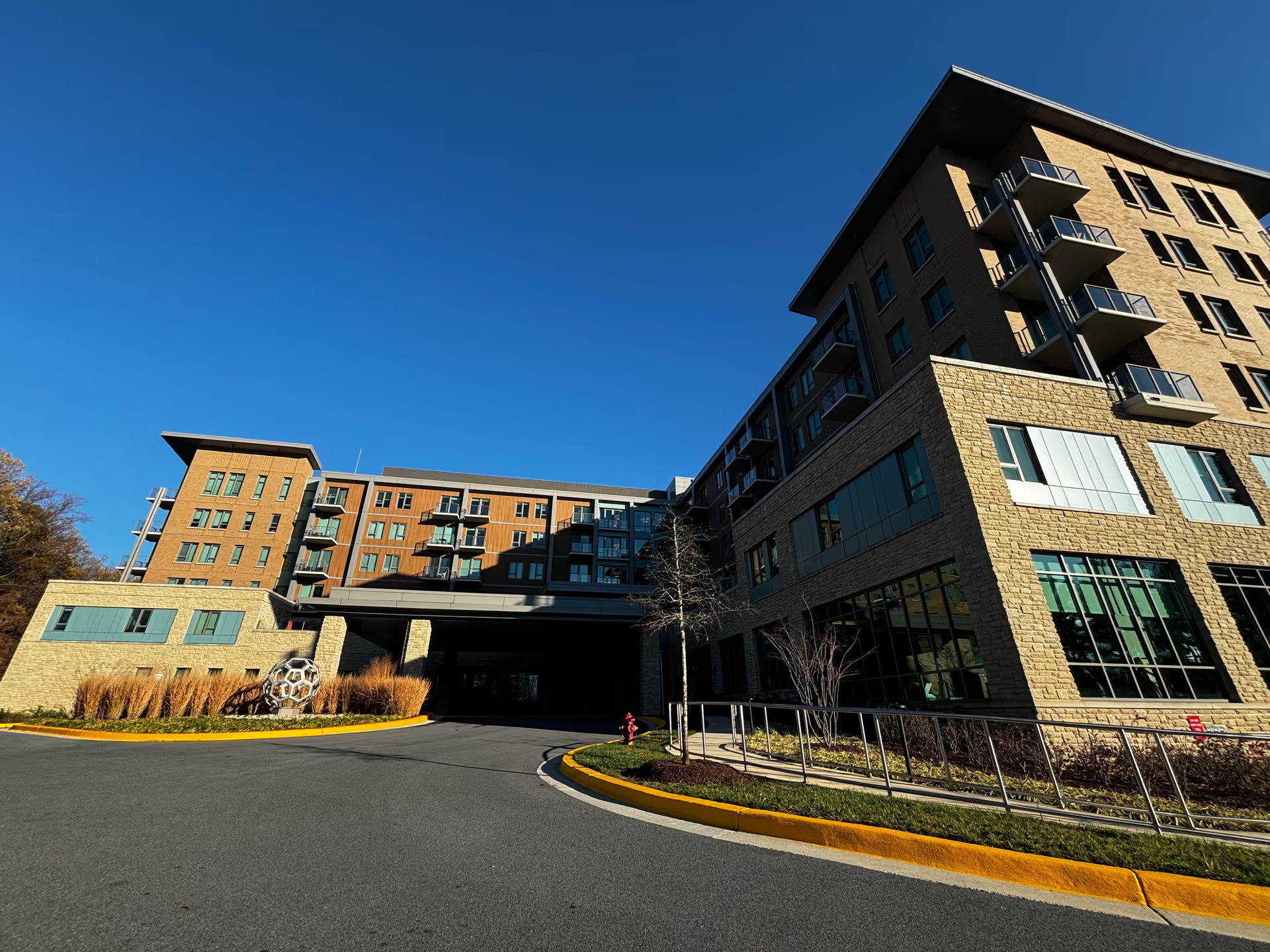
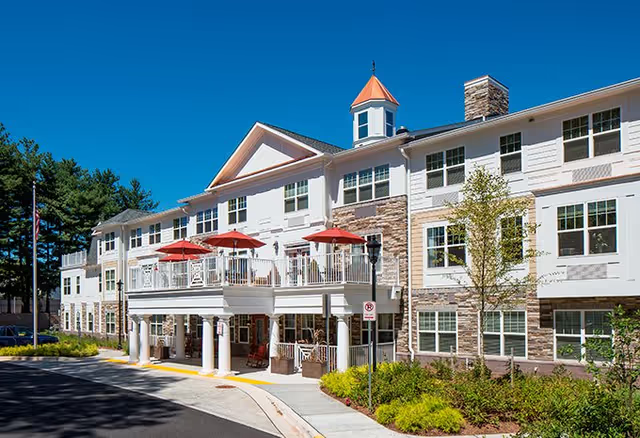
Asbury Methodist Village is consistently described as a large, well-resourced continuing care community with a resort-like campus and a broad continuum of services. Strengths highlighted across reviews include multiple dining venues and varied menus, an extensive wellness center featuring a pool, gym, climbing wall and specialized fitness offerings, and a wide range of athletic courts and outdoor amenities. The 125–145+ acre arboretum-certified grounds, walking trails, ponds and wildlife habitat are frequently cited as major quality-of-life contributors. Cultural and educational programming is robust (resident-run Keese School, lecture series, theater, and an on-campus TV studio), and residents emphasize abundant clubs, classes and volunteer opportunities that support intellectual, social and physical engagement.
Clinical and care services present a mixed picture. The community offers a full continuum—independent living, assisted living, memory care and a skilled rehabilitation/nursing center—with on-site medical providers, pharmacy services and modern rehab equipment. Many families praised rehabilitation outcomes, individualized PT/OT, and timely clinical monitoring. At the same time, several reviews describe variability in clinical-care consistency and staff responsiveness across units. Specific operational concerns raised include gaps in care coordination during transitions, occasional delays in medication and discharge logistics, and variability in staff empathy and communication tone. There are also references to sanitation and incontinence-care concerns in certain care areas; these were not universal but represent an important pattern for prospective families to investigate.
Dining and nutrition are areas of clear strength and occasional weakness. Many residents praise the food quality, multiple dining rooms and flexibility of meal plans, and reviewers note active efforts to offer healthy and varied selections. However, there are also recurrent mentions of failures in dietary accommodation processes—mismanaged allergies or intolerance handling, incorrect meals, and inconsistent follow-through on special-diet requests. Prospective residents should ask about the center’s protocols for allergy verification, therapeutic menus, and kitchen-to-care communication.
Facility, operations and management impressions are similarly mixed. Positive themes include responsive move-in coordination, routine maintenance responsiveness in many areas, visible pandemic transparency and safety measures, and an engaged resident governance culture. Conversely, reviewers flagged inconsistent upkeep in older buildings, some pest-control and cleanliness lapses in select locations, and operational complexity due to the campus size that can make staff access or quick responses more difficult at times. Cost is another recurring consideration: many find the community worth the price for amenities and security, while others express concern about rising fees and the perceived value of certain services.
Notable patterns for prospective residents and families: (1) the community delivers exceptional amenities, programming and outdoor space that strongly support an active, social lifestyle; (2) rehabilitation and many clinical services are well regarded, but care quality and staff responsiveness can vary by unit and shift; (3) dietary-allergy handling and some sanitation/housekeeping areas merit direct inquiry during visits; and (4) financial and operational transparency (fee structure, maintenance plans, and incident response procedures) should be clarified up front. A recommended approach is to tour multiple care levels, meet nursing leadership, review dietary and medication protocols, and ask for recent quality metrics or deficiency-correction records to form a balanced view tailored to a prospective resident’s clinical and lifestyle priorities.