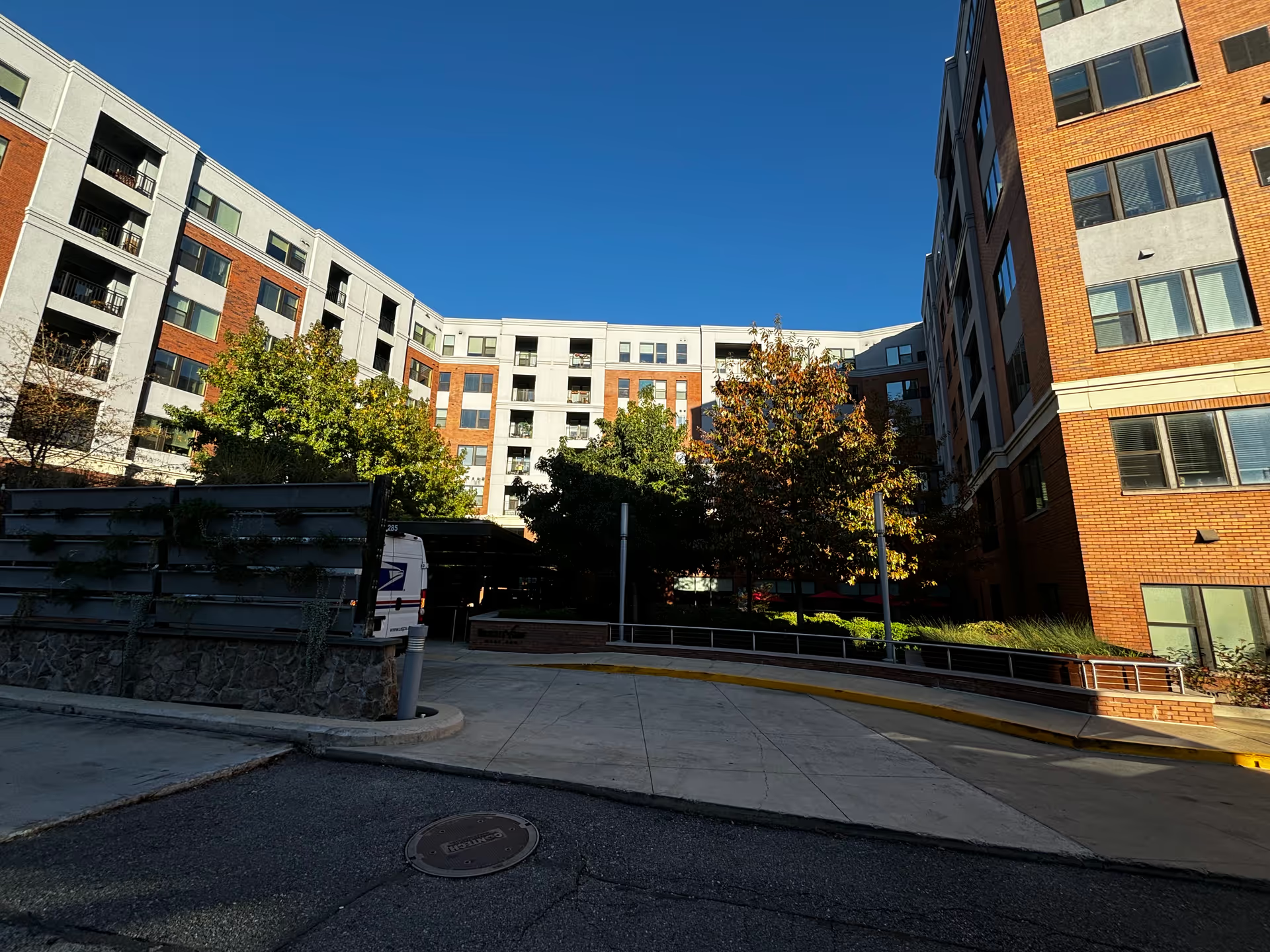
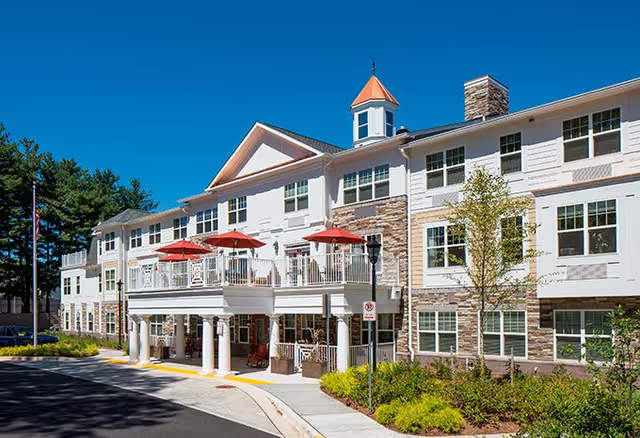
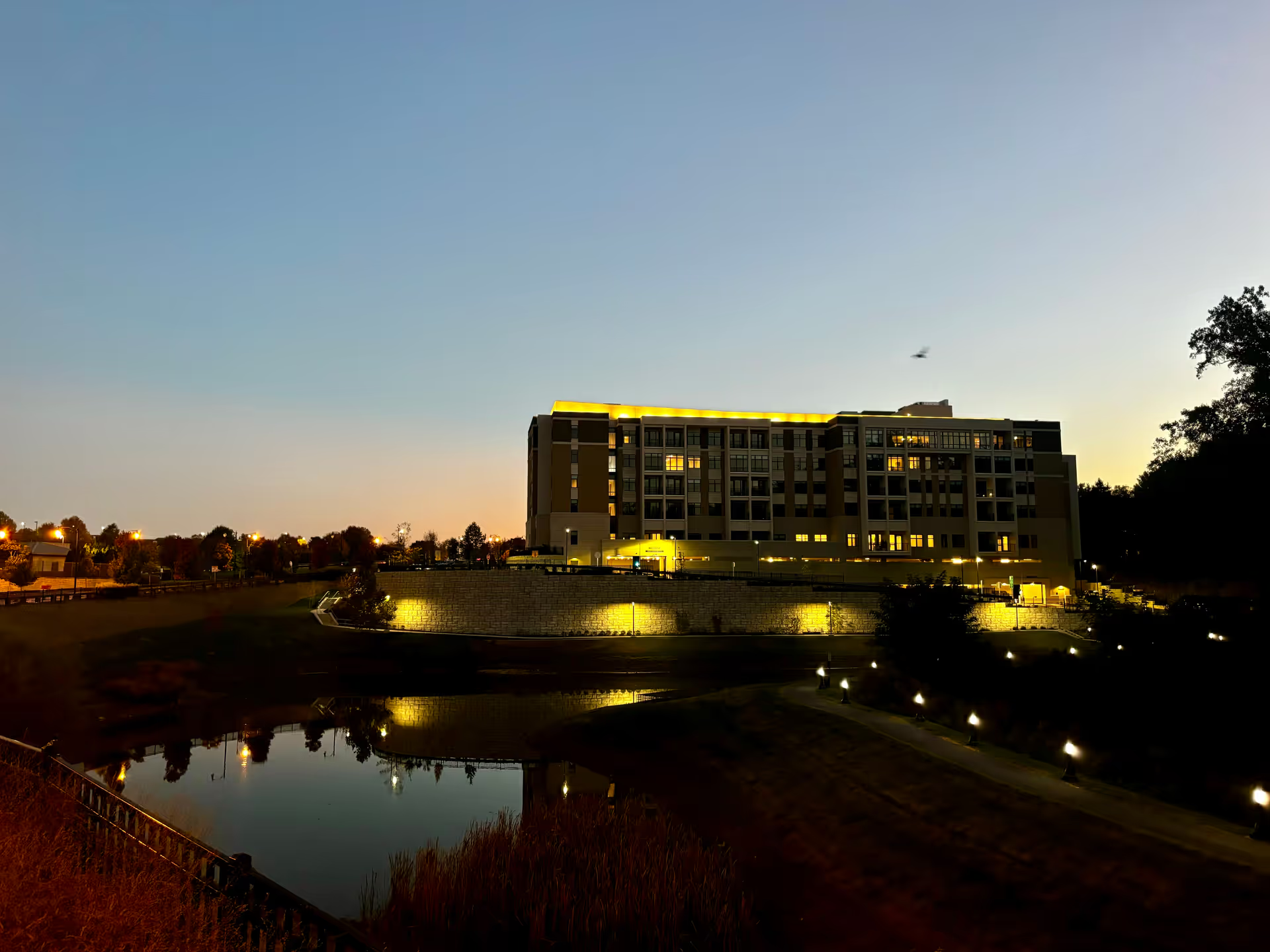
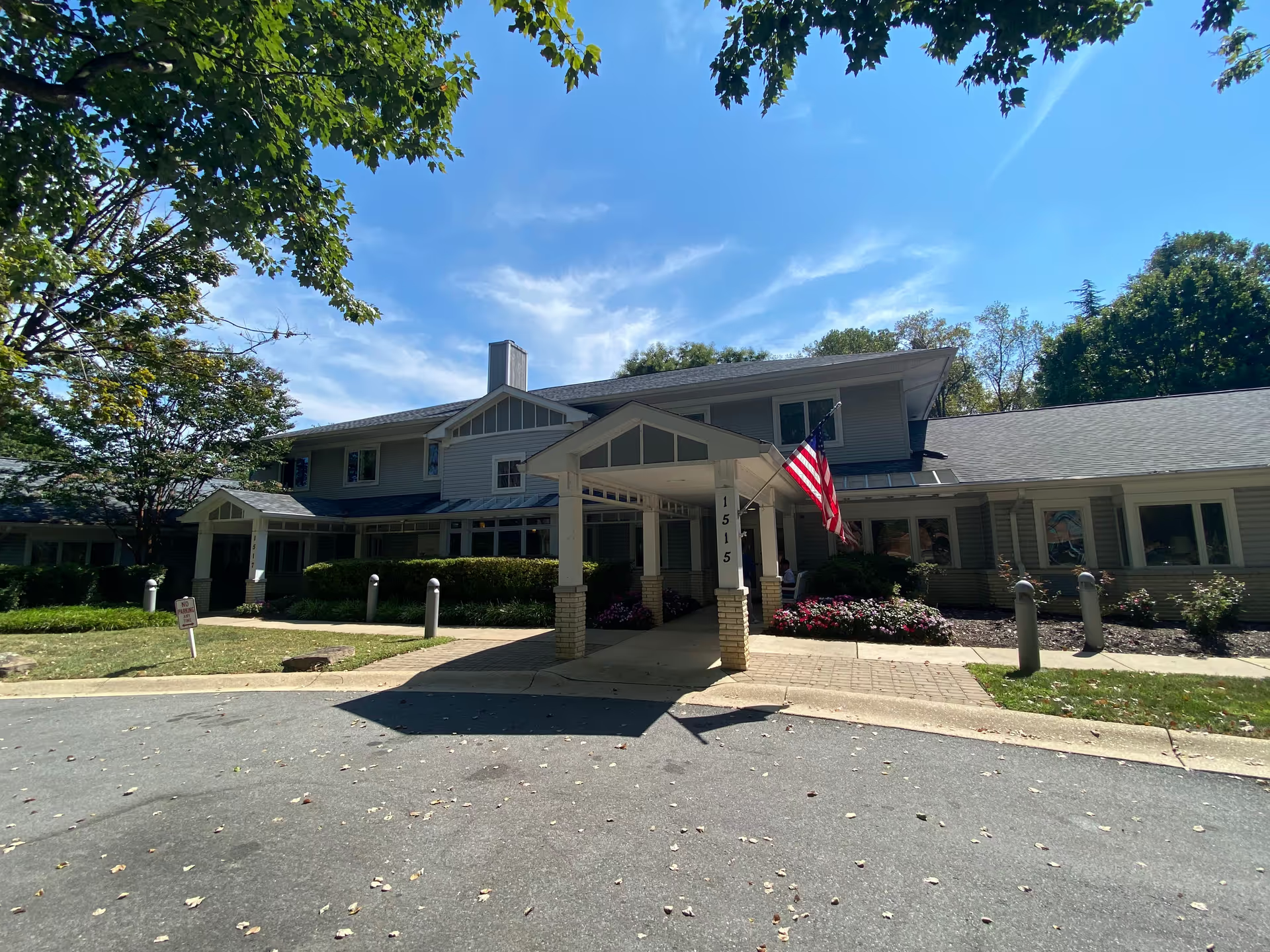
The Seneca Rockville presents as a contemporary, upscale senior living community with many physical and programmatic strengths. Multiple reviewers praised the architecture and finishes—light-filled studios, high ceilings, balconies, hotel-like common areas, accessible bathrooms and step-free walk-in showers—creating an environment that many families find attractive and comfortable. Outdoor patios, multiple dining rooms, private dining options and social spaces support family visits and resident socialization. The facility's location in Rockville and move-in assistance/financial support offerings were also seen as convenient advantages.
Dining and activities are frequently highlighted as strengths. Several reviewers described restaurant-quality, made-to-order meals with varied menus and daily specials, alongside an extensive activities calendar that includes lectures, art classes, concerts, woodworking, library services, Tai Chi and Parkinson's-specific classes. Physical therapy, a well-equipped gym and rehabilitation staff received consistent positive comments for supporting residents' mobility and recovery goals. Memory-care programming is present and, where functioning well, supports individualized engagement and reduces agitation for some residents.
At the same time, reviewers described operational and consistency issues that prospective residents and families should weigh. Staffing and workforce stability emerged as a recurrent concern: high turnover and periodic understaffing were associated with slow response times, uneven care quality across shifts, and informal notes of staff training still in progress. These staffing patterns also correlated with variability in meal service (including temperature and timeliness), intermittent reductions in Memory Care activities, and slower completion of routine tasks.
Management and administrative processes show a mixed picture. Some accounts describe supportive and communicative leadership and improvements in service; others note difficulties reaching leadership, inefficient administrative handling, and unclear pricing or billing communication—creating uncertainty about what is included versus upcharges. Transportation scheduling reliability and gaps in around-the-clock clinical coverage (for example, no physician on call) were also identified as operational limitations to consider.
Overall impression: the facility offers many tangible amenities and programmatic strengths that can improve quality of life—especially when staffing and management functions are operating well. Families who prioritize design, therapy services, varied activities and high-quality dining may find the community appealing. Those for whom consistent clinical staffing, transparent billing, and dependable service continuity are top priorities should seek detailed, current information from the community about staffing levels, Memory Care schedules, transportation policies, and a clear written description of what fees and services are included before making a placement decision.