Review content shows a facility with sharply divergent experiences: many families and patients praise specific caregivers, therapy teams, and the activities department, while other accounts describe recurring operational shortfalls. Positive comments emphasize compassionate bedside care from individual nurses and aides, a responsive and helpful reception staff, and a rehabilitation program that can be effective and well-coordinated. The activities team and certain named staff receive consistent praise for engagement and morale-building. Several reviewers also noted strengths in case management and discharge planning when those staff were available.
At the same time, a pattern of inconsistency emerges across clinical care and operations. A common theme is variability in staff responsiveness and timeliness of assistance—delays for toileting/bathroom help, irregular bathing and linen-change schedules, and uneven medication or wound-care follow-through. Reviewers describe uneven application of safety protocols and equipment availability (for example, concerns about transfer practices, bed-rail and mattress provision, and monitoring of fall risk), which creates perceived risk for some residents. There are also accounts raising pressure-injury and wound-management concerns that suggest clinical follow-up and documentation can be inconsistent.
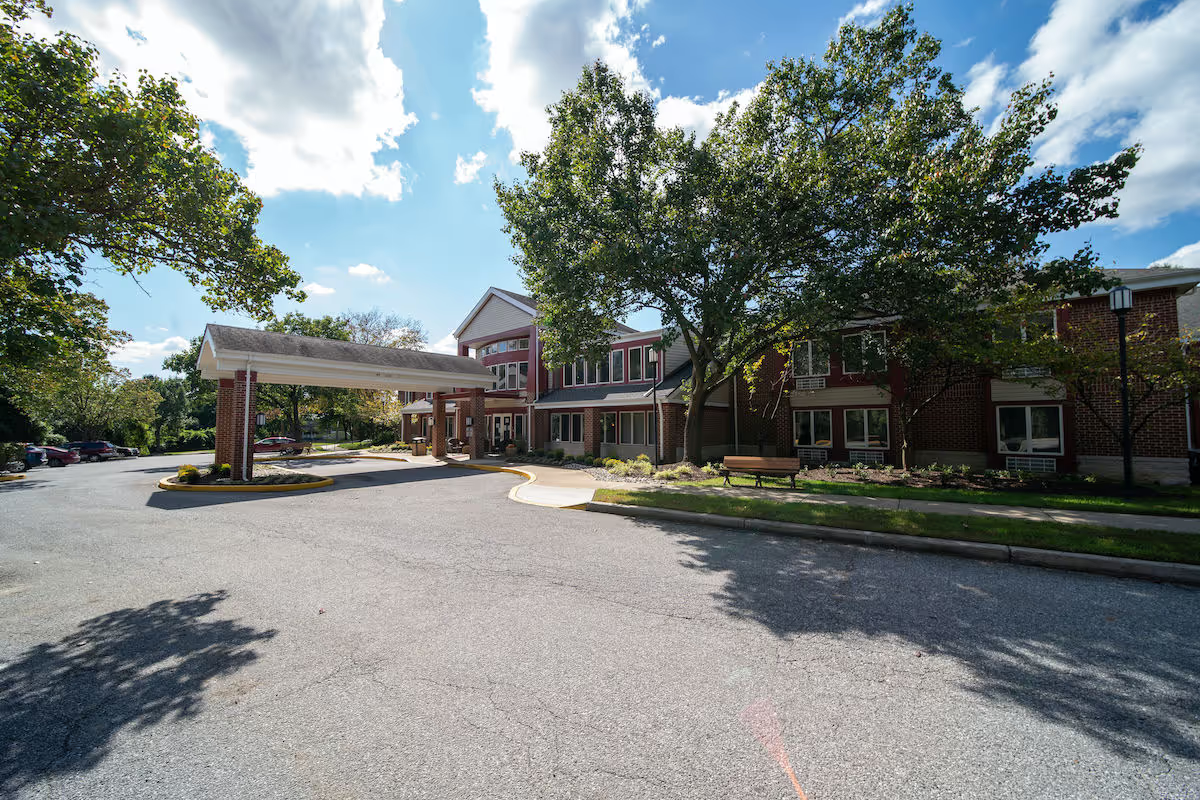
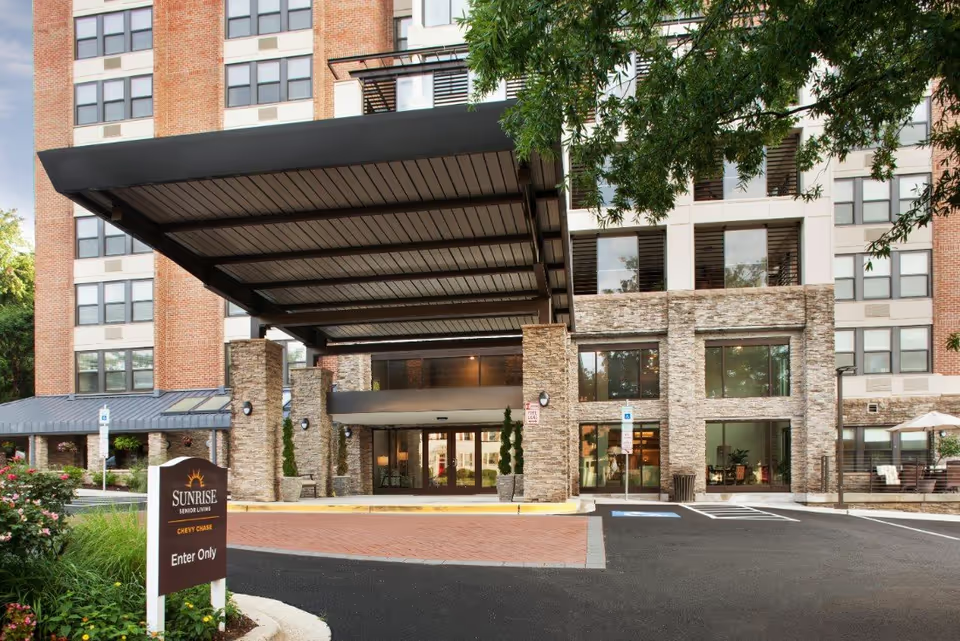
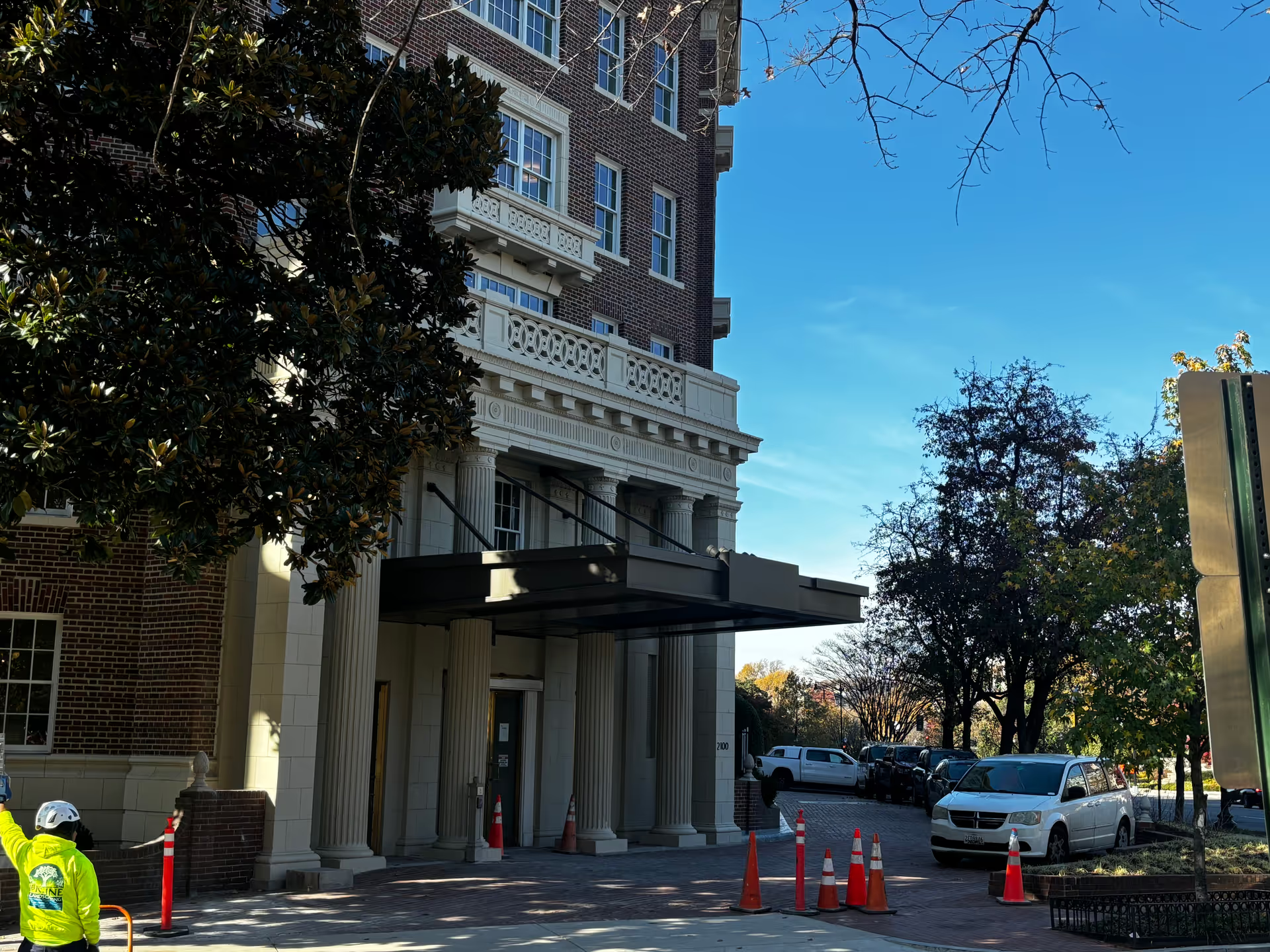
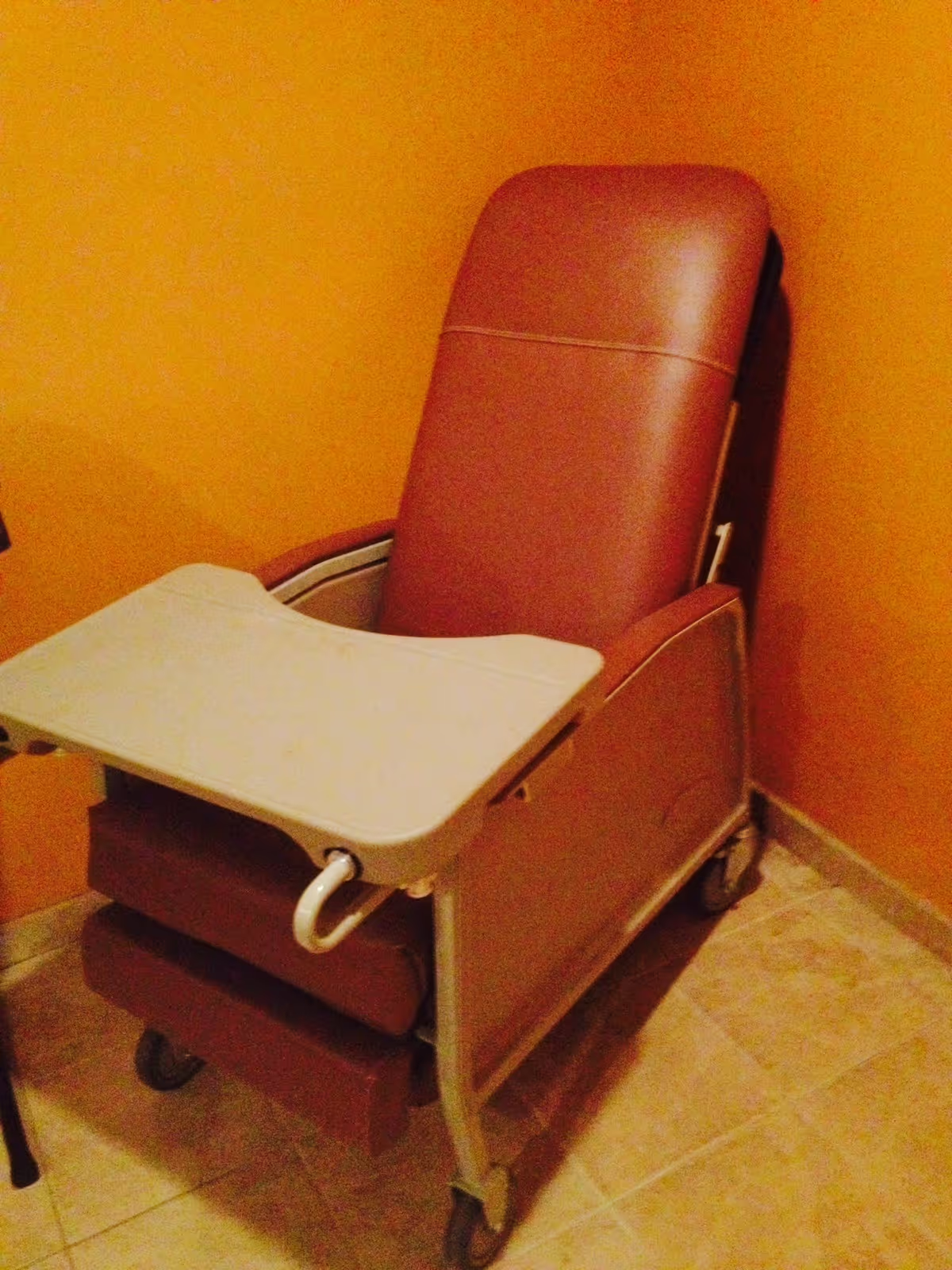
Facility environment and maintenance received mixed feedback. Some reviewers describe a clean, well-maintained space with no odors and tidy common areas; others report sanitation and odor-control issues, dated building systems, HVAC outages, unreliable elevators, broken windows or fixtures, and thin or degraded mattresses. Pest-control concerns and inconsistent housekeeping are included among environmental complaints. These maintenance and environmental shortcomings have direct implications for comfort and infection-prevention practices.
Dining and therapy are likewise variable. Several families compliment individual food-service staff and occasional meals, while other reports describe bland or poor-quality meals, deviations from posted menus, and limited fresh produce. Therapy and rehabilitation are highlighted as strong when staff and scheduling align, but some families experienced missed or incomplete PT/OT sessions and uneven continuity of rehab services.
Management and communication patterns are inconsistent. Some families praise proactive administrators and staff who resolve issues promptly; others describe slow or absent responses from leadership, billing or refund follow-up failures, and confusing visitor-access procedures. There are also serious claims about documentation irregularities and case follow-up that warrant careful review by prospective families. Staffing levels and turnover are cited as contributors to many operational gaps, and a change in management was noted with the expectation of improvement.
Notable pattern: experiences appear highly dependent on shift, individual caregivers, and specific units. Prospective residents and families would be best served by an in-person visit focusing on current staffing levels, infection- and pest-control protocols, wound-care and pressure-injury management practices, maintenance/HVAC status, emergency-response procedures, and sample therapy schedules. Ask for recent inspection records, staffing ratios, examples of incident-response communication, and clarification of billing and social-work follow-up to get a clearer, facility-specific picture before placement.