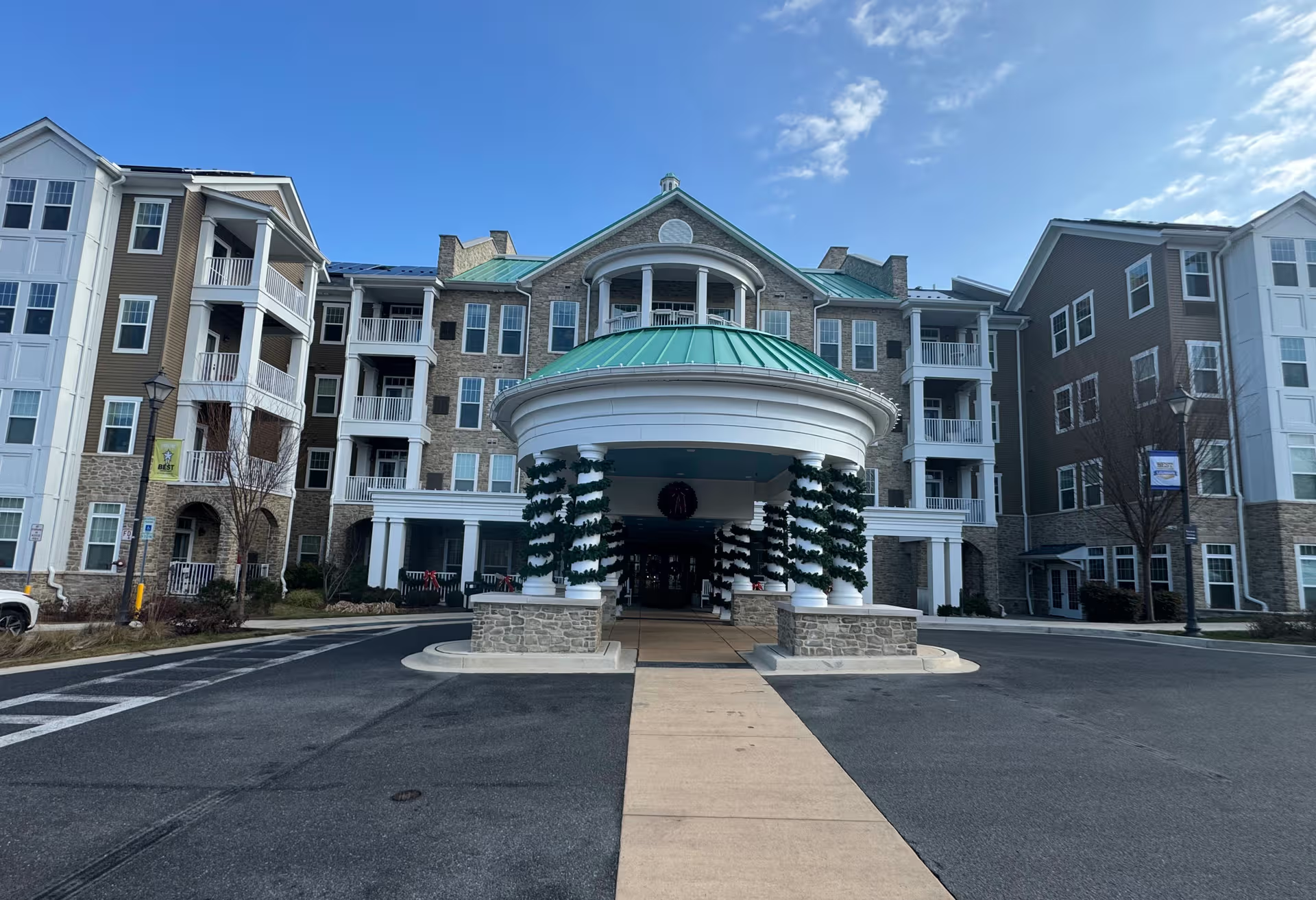
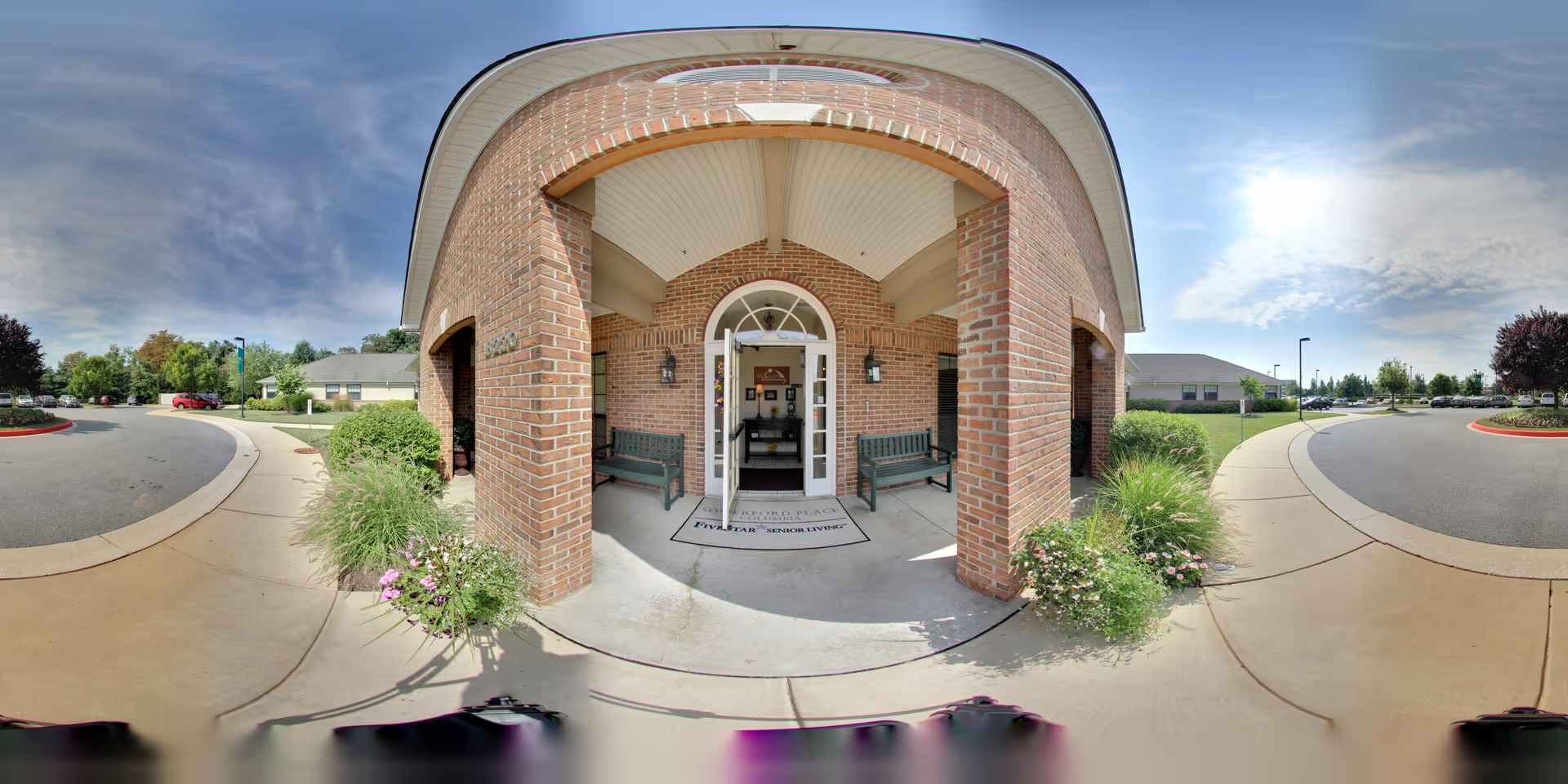
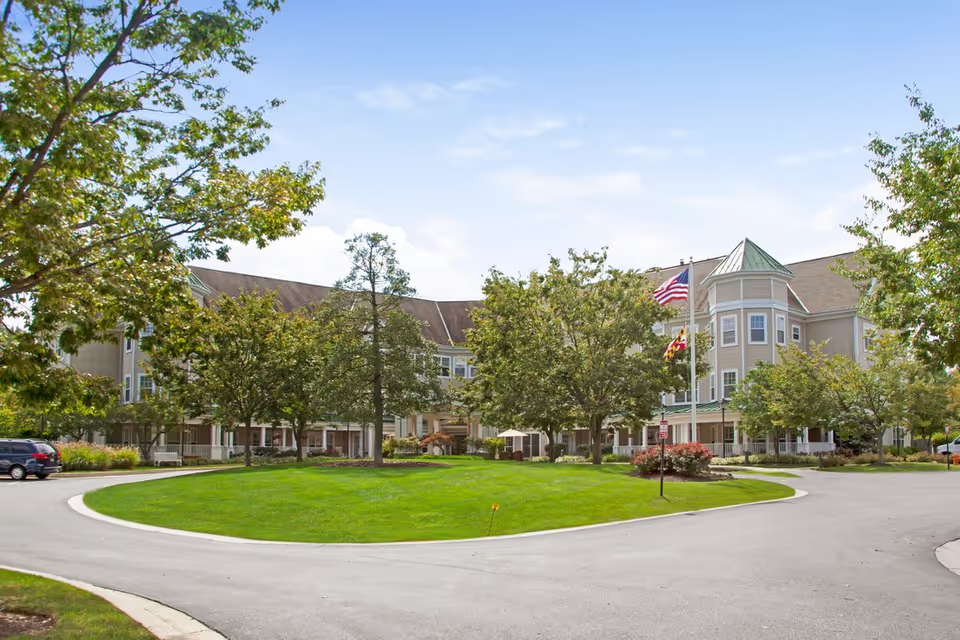
Overall impression: Reviewers consistently describe Columbia Meadows Assisted Living as a well-kept, family-run assisted living community that delivers personalized, value-oriented care. The facility is frequently characterized as clean, attractive, and modern, and families report that residents appear healthy, happy, and engaged. Multiple comments emphasize peace of mind for family members and active encouragement to schedule a tour.
Care quality and staff: Care is portrayed as compassionate and attentive, with several mentions of specific staff members who provide consistent, hands-on support. The presence of an in-house geriatric physician was noted as a clinical strength, and the family-owned management style is credited with close oversight and individualized attention. Review language points to good continuity of care and respectful staff–resident interactions. At an operational level, the community’s reliance on a compact, engaged staff is both a strength for personalization and an area to monitor for backup coverage.
Dining and activities: Dining receives positive feedback—meals are described as appealing and well-prepared, contributing to resident satisfaction. Reviewers also highlight residents’ social engagement and overall activity levels, indicating that programming and daily life support resident wellbeing. Families describe the environment as offering residents opportunities for social interaction and engagement.
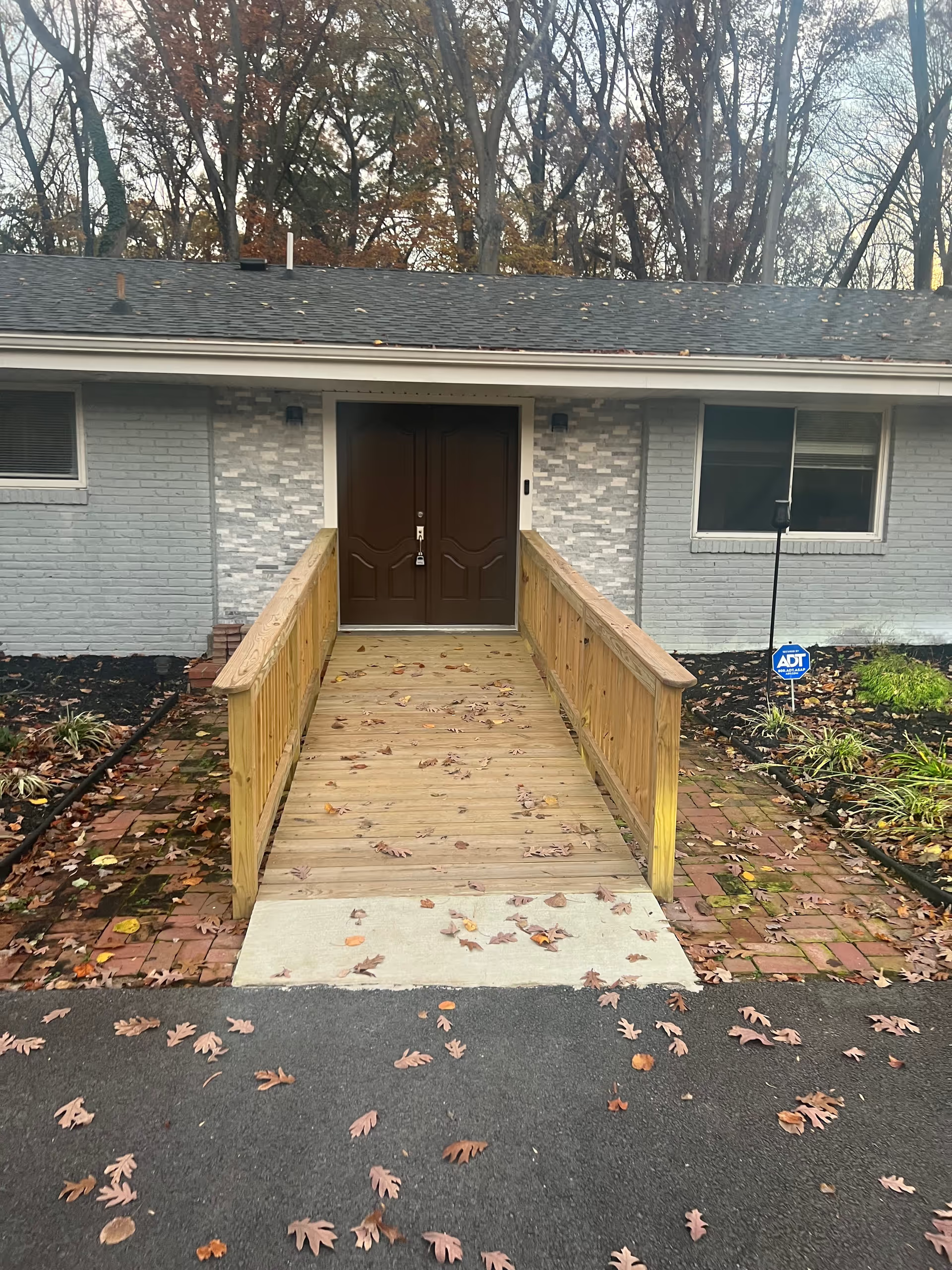
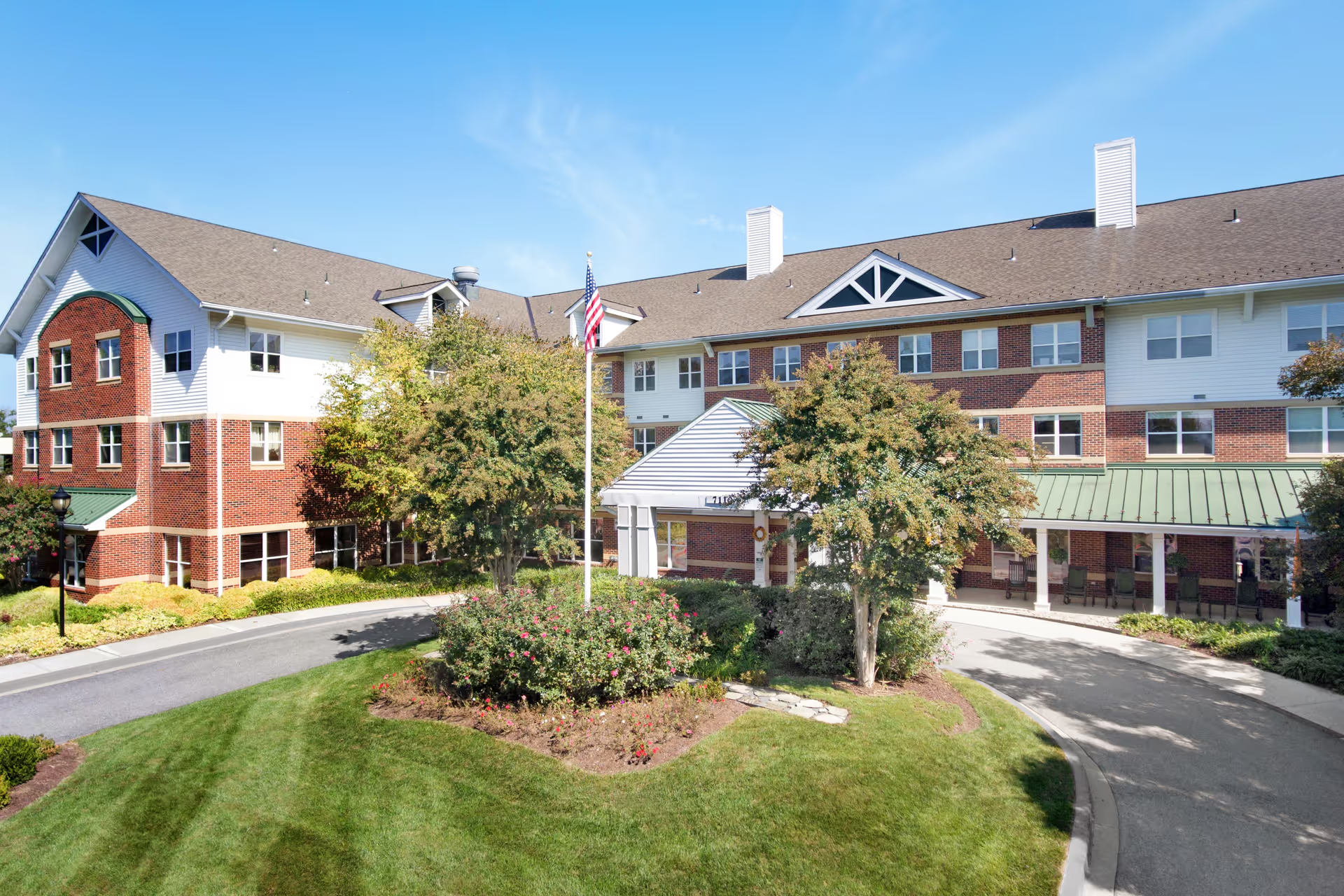
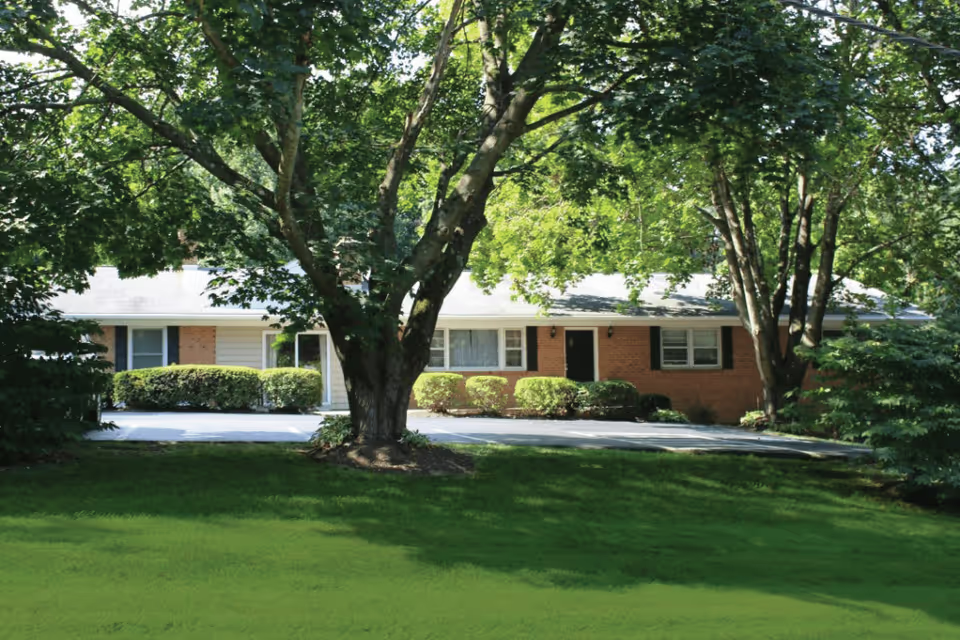
Facilities and safety: The physical plant is repeatedly described as spotless, attractive, and new. Reviewers call out a safe, secure environment that contributes to family members’ sense of reassurance. Cleanliness and maintenance are presented as consistent priorities in day-to-day operation.
Management and notable patterns: The family-owned and operated model is a recurring theme; reviewers associate it with personalized oversight, affordability, and a warm staff culture. Some reviewers contrasted Columbia Meadows favorably against higher-cost rehabilitation options, emphasizing good clinical attention at a lower price point. Recurrent recommendations to tour the community suggest consistently high satisfaction and confidence among visitors and families.
Limitations and considerations: Because the community is family-run and newer, prospective residents should consider typical trade-offs of a smaller-scale provider. Reliance on a compact core staff can support continuity but may create operational vulnerability if additional coverage or specialized services are required. The facility’s size and service model may limit the availability of advanced on-site specialty rehabilitation or therapy services compared with larger institutional rehab centers. Finally, the combination of affordability and positive reputation could contribute to capacity constraints during periods of high demand. Prospective families should verify current service offerings, staffing coverage plans, and therapy options during a tour to confirm fit with clinical and social needs.