The reviews describe a facility with pronounced strengths in rehabilitation, social work, and certain support services alongside recurring operational weaknesses. Rehabilitation services (physical, occupational and speech therapy) receive consistent praise for knowledgeable, encouraging therapists and measurable functional gains; many families and residents credited therapy with successful transitions home and improved independence. Social work and discharge-planning functions are frequently highlighted as effective, with staff noted for timely paperwork, coordinated equipment provision, proactive follow-up and clear communication around discharge logistics.
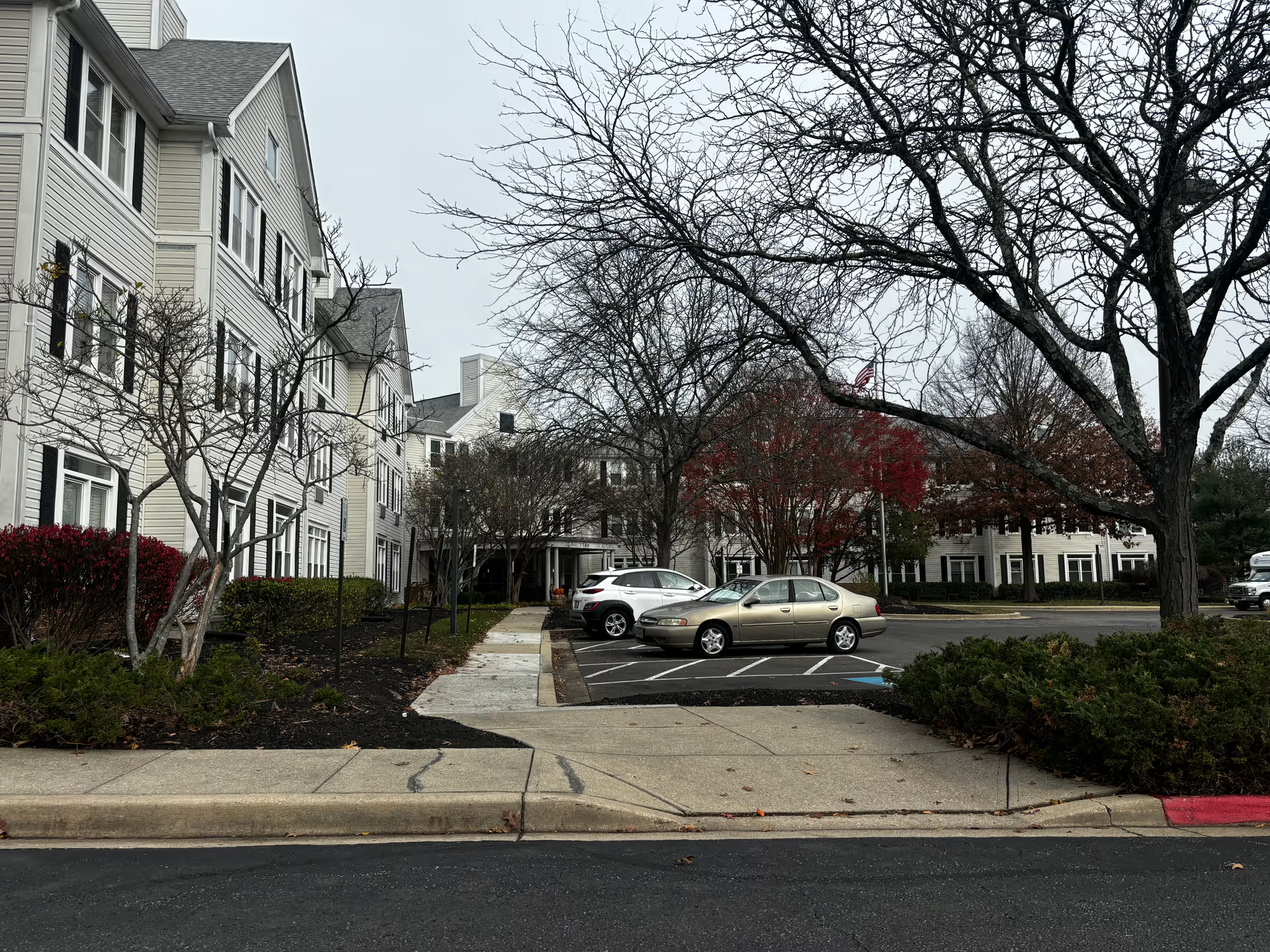
Direct-care strengths are mixed. CNAs and some nurses are described as compassionate, attentive and supportive, and front-desk, business-office and certain specialty teams (wound care, dietary at times) are singled out for efficiency and helpfulness. Activities programming — including hallway bingo, music, one-on-one visits and tailored dementia activities — is often viewed positively and contributes to resident engagement. The facility also presents well in many areas: bright, well-lit common spaces, orderly admissions, and an ability to accommodate family visitation under pandemic constraints when possible.
However, there are significant and recurring operational concerns that prospective residents and families should weigh. Nursing-level care and oversight is described as inconsistent across shifts and units: delays in responding to call buttons, variable night supervision, and uneven execution of personal-care tasks and bathing schedules are themes. Medication administration and discharge-medication handling have notable inconsistencies, with several accounts of missed or delayed doses and post-discharge medication coordination issues. Staffing levels and workload pressures are frequently cited as contributors to slower response times, gaps in routine care, and reduced supervision during shift changes.
Facility maintenance and hospitality areas show variability. While some reviews describe clean, odor-free units, others identify sanitation and odor concerns in particular areas, pest-control issues, and lapses in laundry and belongings management. Dining is also inconsistent: the menu structure and ability to order specialties receive positive mentions, but meal quality and accommodation of special diets (gluten-free, dairy-free, diabetic needs) are uneven. Communication gaps between families and clinical or administrative teams — including discharge and billing processes — are recurring themes, although several reviewers also note instances where management responded promptly and resolved concerns. A small number of serious allegations (including property mishandling and theft) appear in the feedback and may warrant inquiry during a tour or pre-admission conversation.
In summary, Patuxent River presents a dual profile: strong rehabilitation outcomes, effective social work, and dedicated support staff contrasted with inconsistent nursing responsiveness, operational gaps tied to staffing, and variability in cleanliness and dietary execution. Variability appears to be unit- and shift-dependent; therefore, families considering this facility should ask targeted questions about nursing staffing ratios, medication-administration processes, laundry/property protocols, pest-control measures, and specific dietary accommodations. An on-site visit, conversations with the therapy and social-work teams, and discussion of recent regulatory or inspection findings will help prospective residents assess whether the facility's strengths align with their care priorities and risk tolerance.