Kenwood Care Pine Hill is consistently described as a small, family-run assisted living environment with strong owner involvement and a pronounced emphasis on individualized, compassionate care. Reviewers emphasize the personal touch from owners and staff, steady long-term staffing, and a home-like culture that supports resident comfort and emotional wellbeing. The facility’s size and non-corporate structure are presented as strengths for relationship-building and continuity of care.
Care quality and staffing are recurring strengths in the feedback. Families note attentive caregivers, an in-house nurse, clear communication, and ritualized personal attention (for example, birthday celebrations and regular updates). Several families attribute observable clinical improvements — such as increased appetite and weight gain — to the care and meals provided. Staff names and managers (for example, Victoria and the house manager) are frequently singled out for responsive coordination and hands-on oversight, which suggests strong local leadership and familiarity with residents’ needs.
Dining and activities receive positive mention: meals are characterized as appetizing with appealing aromas and an observable effect on resident appetite, while activities are described as engaging and socially supportive. The programmatic elements appear oriented toward maintaining a domestic routine and social connection rather than large-scale recreational offerings; celebratory events and small-group engagement are highlighted.
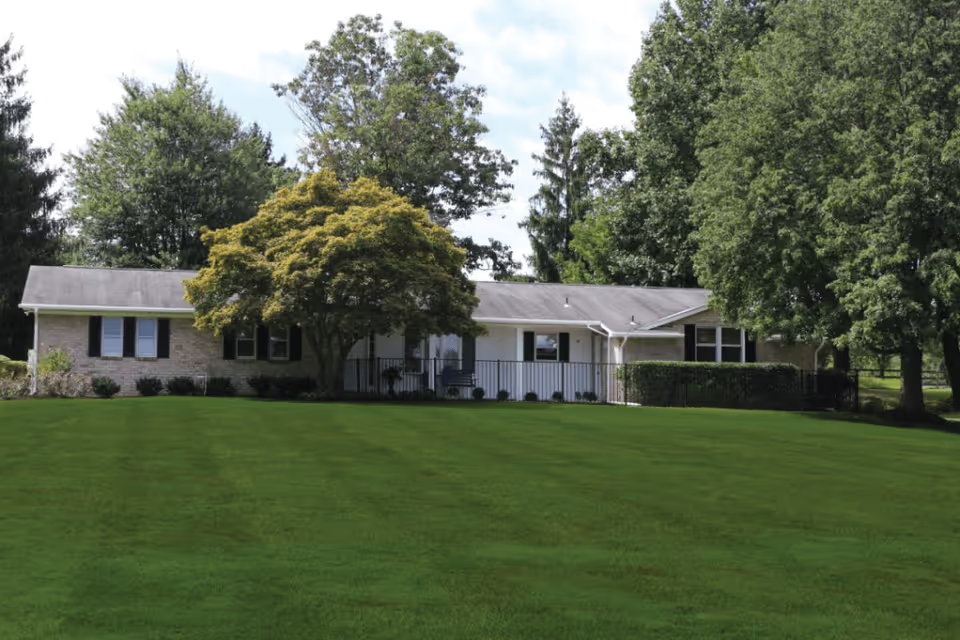
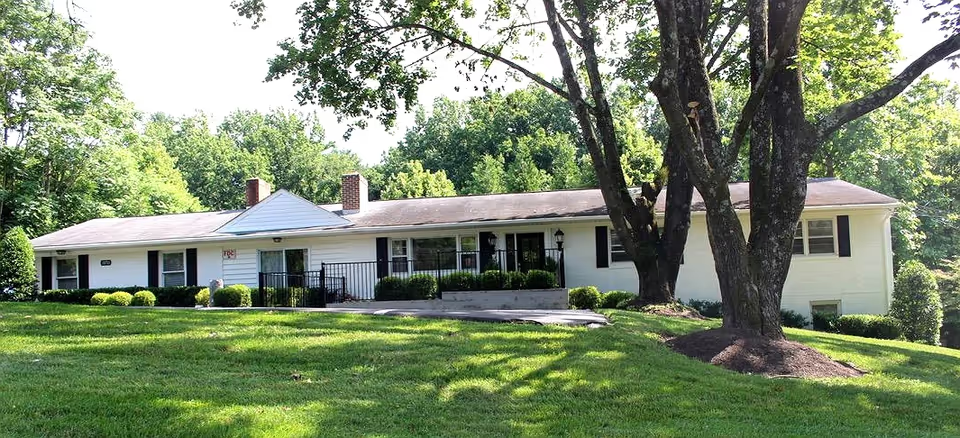
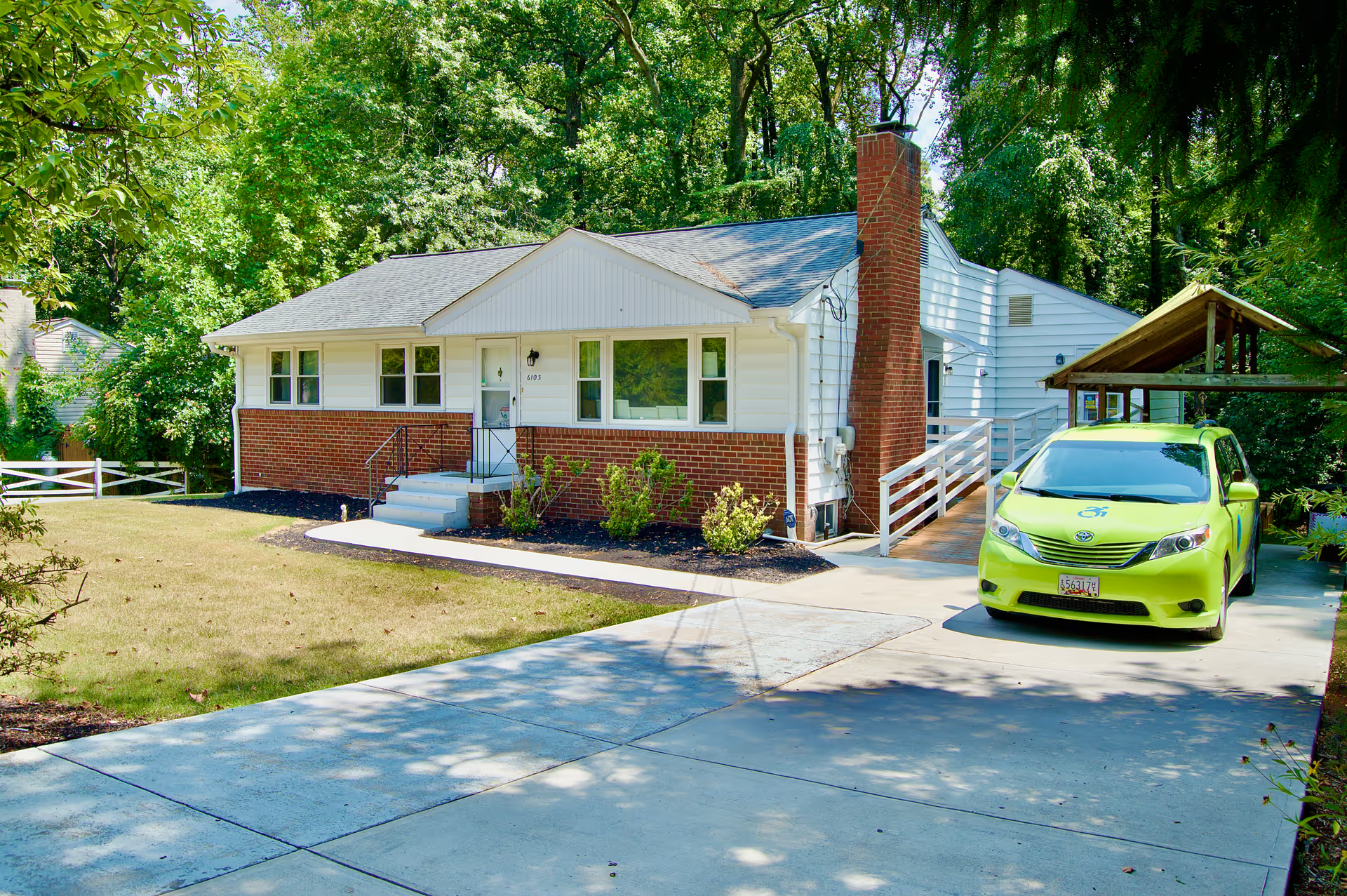
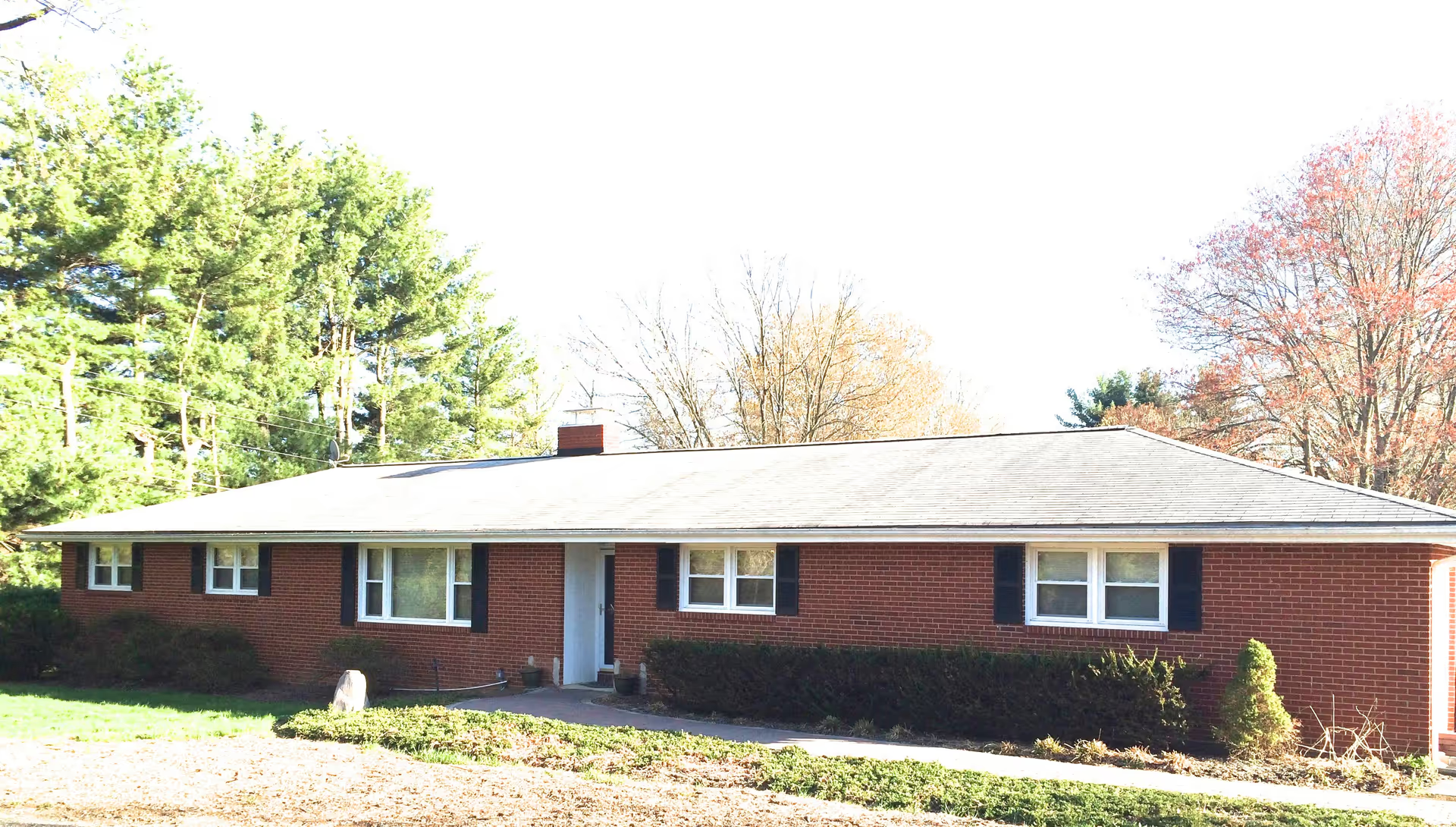
Facilities and setting are described as clean, well maintained, and pleasantly scented, set in a rural, scenic location that many families find peaceful and restorative. The small, non-corporate footprint contributes to a sense of home rather than an institutional feel. At the same time, that same small-scale model implies operational constraints: limited on-site access to specialized medical or rehabilitation services, fewer large-facility amenities, and potential staffing coverage challenges during absences or peak demand. The rural location, while appealing to many, can also limit access to external specialists and transportation options.
Management patterns point to strong owner involvement, clear admission/onboarding processes, and proactive family communication. The facility’s strengths favor residents seeking personalized attention in a quieter, home-like setting. Prospective residents and families should weigh those strengths against the likely trade-offs of a smaller rural facility — namely, limited specialty clinical services and fewer large-scale amenities — and verify whether the facility’s scope of care matches anticipated future needs.