Overall impression: Reviews portray a facility with strong interpersonal strengths but measurable operational variability. Many families and residents praise the compassion, professionalism, and dedication of nursing and rehabilitation staff, as well as a vibrant activities program and well-kept outdoor areas. At the same time, recurring operational issues — particularly around staffing, cleanliness, meal service, and communication — generate inconsistent experiences that prospective residents and families should probe further.
Care quality and staff: Clinical care appears to be a core strength when provided by long-term, experienced staff: multiple accounts highlight attentive nursing, effective physical and occupational therapy, good wound and post-fall care, and staff who create a family-like atmosphere. However, reviews indicate inconsistent continuity when agency or supplemental staff are used; that variability is associated with missed or delayed clinical tasks, late medication or testing schedules, and uneven responsiveness to call systems. Reviewer comments suggest that management accessibility and certain supervisors are viewed positively, but operational staffing shortfalls can overload the regular team.
Dining and nutrition: The dining program elicits mixed feedback. Some families describe good meals and accommodating staff, while others note recurrent issues with meal timing, food arriving cold, overcooked entrées, and limited options for warming or reheating. There are also remarks about dining space constraints and limited private seating for family visits during meals. Prospective families should confirm current meal-service protocols, timing, and reheating policies.
Activities and social programming: Activities are frequently cited as a strength. The facility offers an active calendar with live music, happy hour, group events, religious programming, and pet/therapy visits that many families and residents value. These offerings appear to contribute to social engagement and resident morale.
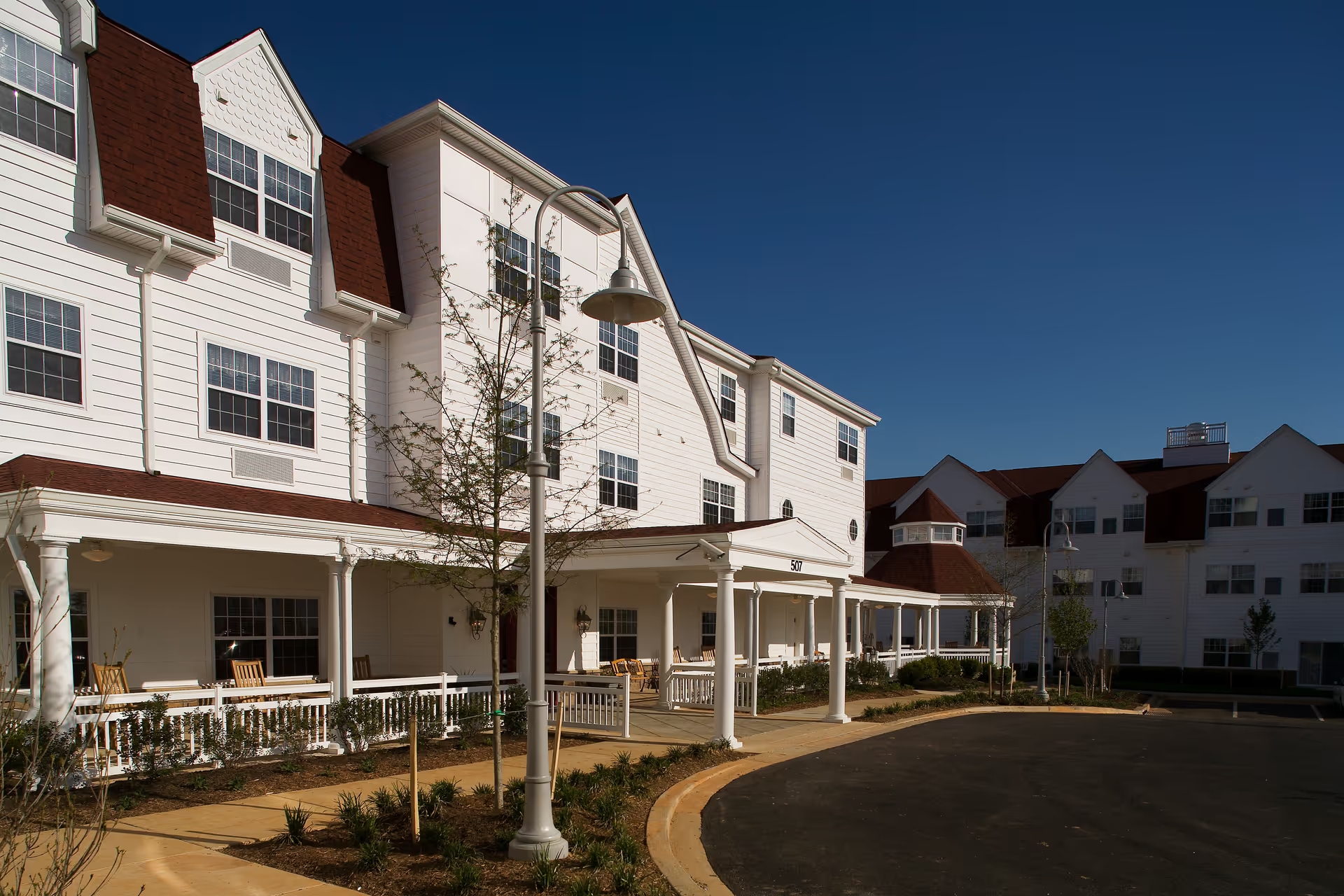
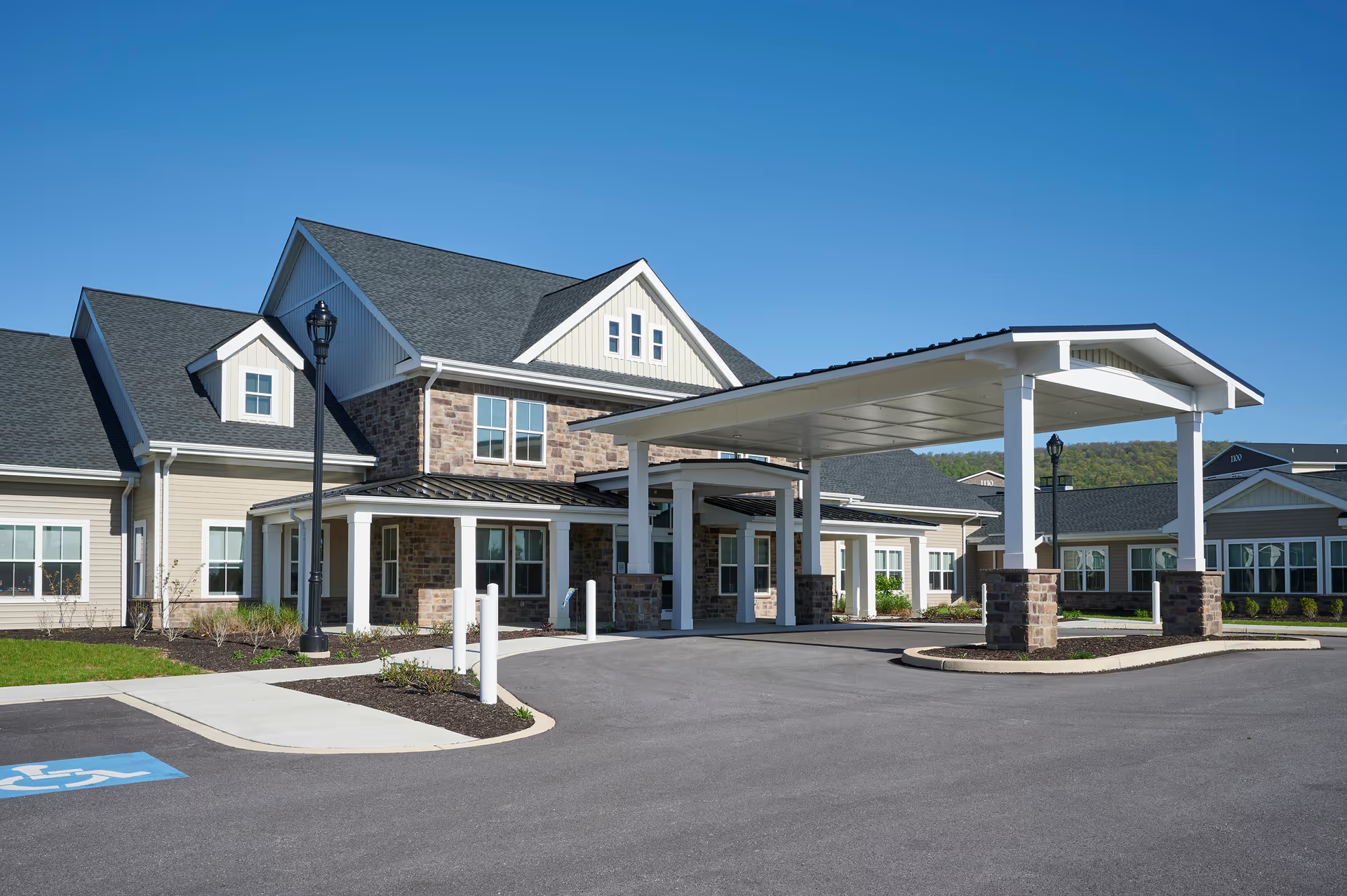
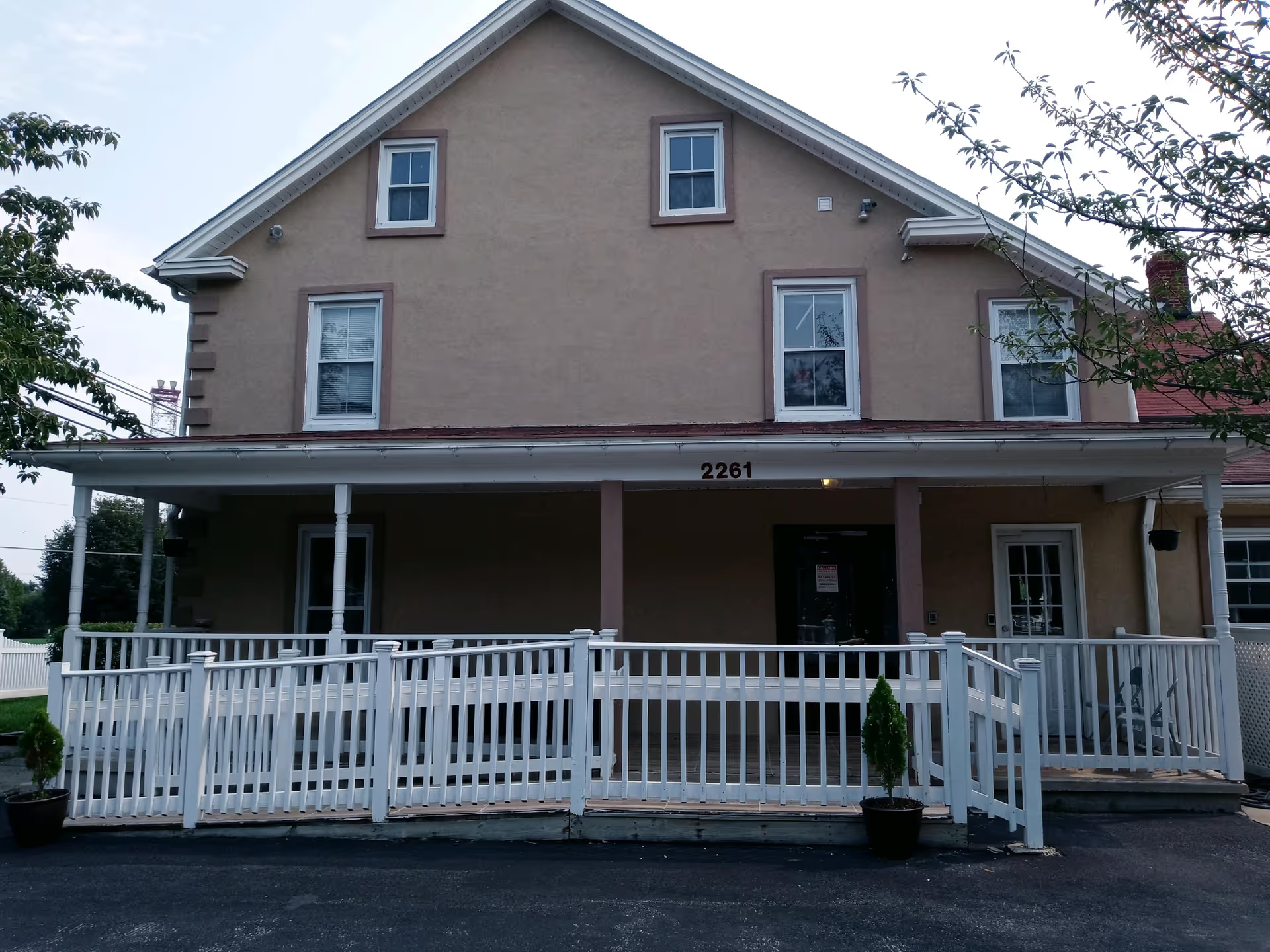
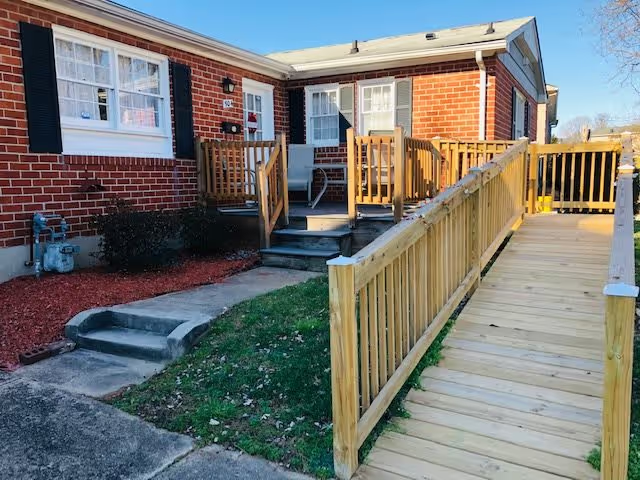
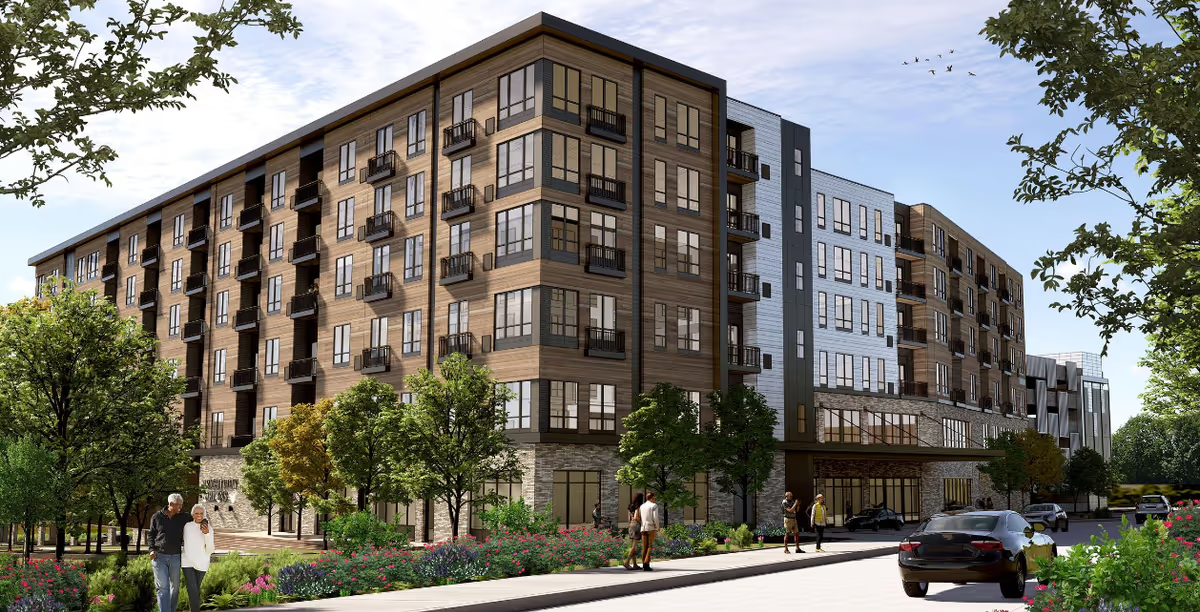
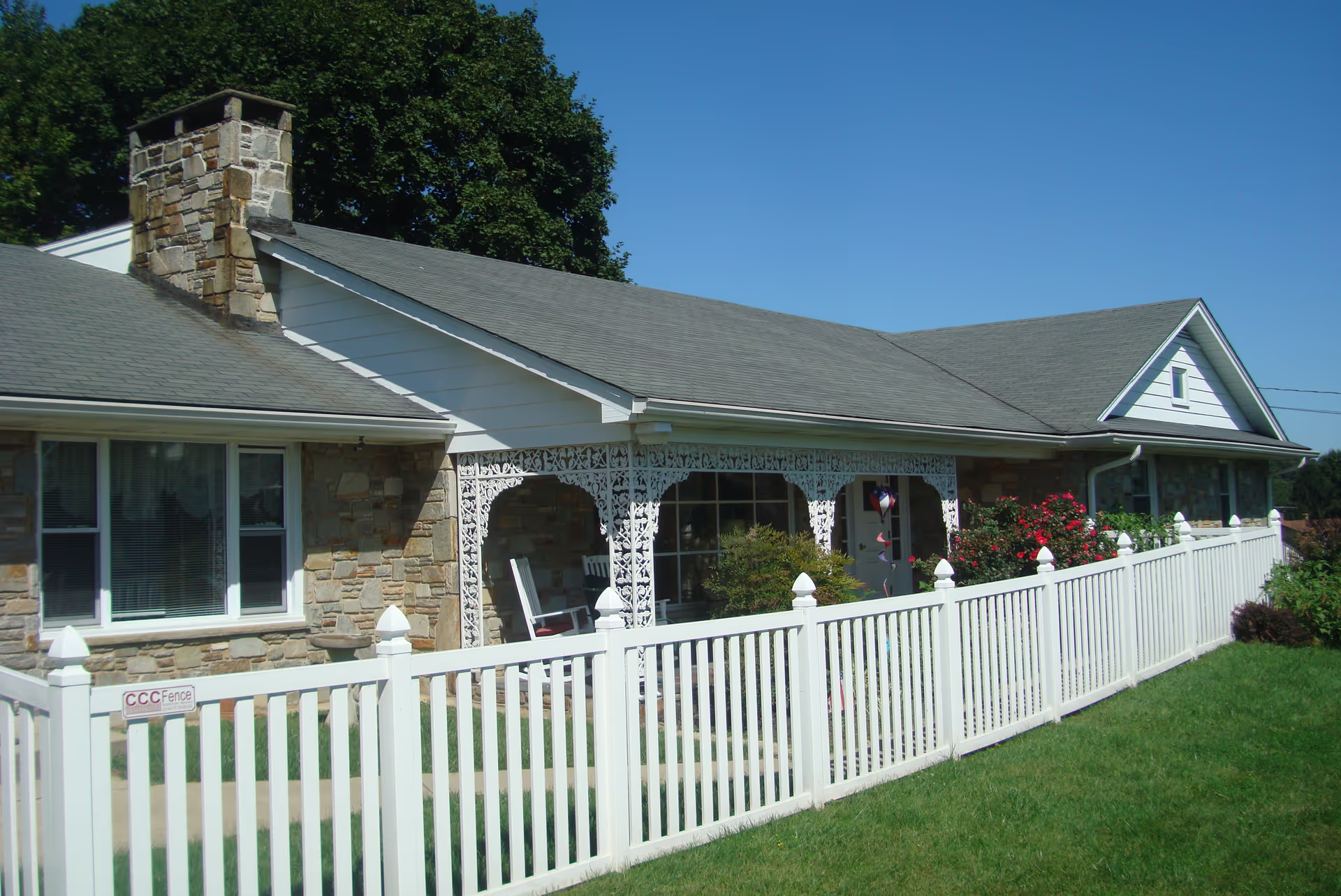
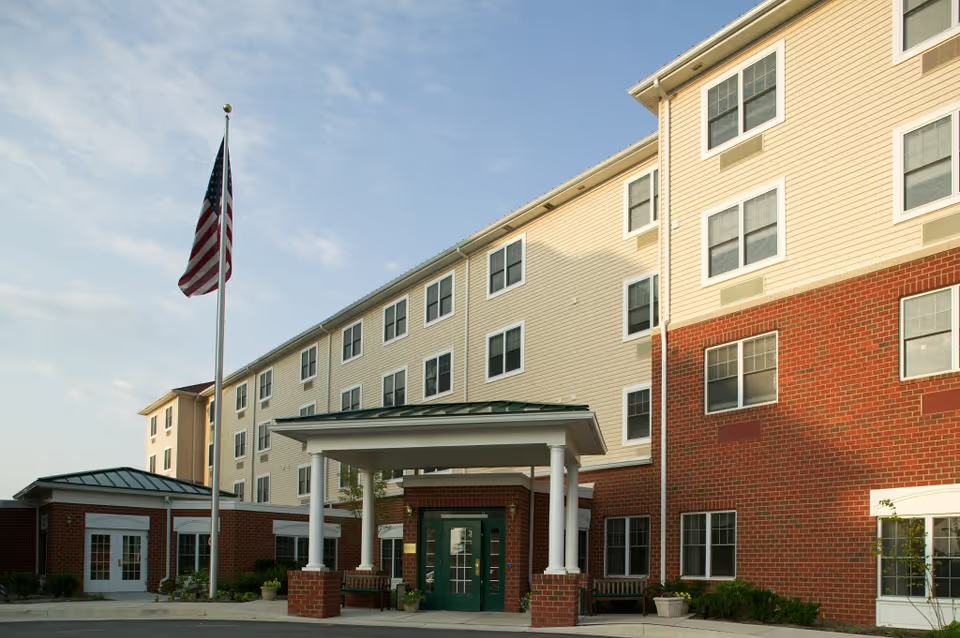
Facilities and housekeeping: Comments about the physical environment are polarized. Several reviewers describe clean common areas, a pleasant courtyard, and an overall home-like atmosphere. Conversely, other reviewers report sanitation concerns and uneven housekeeping in some rooms and shared bathrooms, along with occasional maintenance oversights. Room sizes are noted to be small by some families. These mixed observations suggest variability in housekeeping and maintenance performance across units or shifts.
Management, communication, and administration: Management is frequently described as reachable and willing to engage; some families appreciate timely updates and inclusion in care planning. At the same time, there are consistent themes around lapses in family communication about clinical changes, transfer decisions, and infection-control status. Administrative issues such as lost clothing, delayed refunds, and billing discrepancies were also raised. A subset of reviewers raised serious concerns related to emergency-transfer decisions and outcomes; those accounts warrant direct discussion with facility leadership when evaluating placement.
Notable patterns and recommendations: The dominant pattern is one of strong, compassionate direct-care staff and robust programming juxtaposed with operational inconsistencies that affect cleanliness, timeliness of care, and administrative follow-through. Prospective residents and families should consider on-site visits that include meal observation, inspection of resident rooms and shared bathrooms, discussion of staffing mixes (regular vs. agency), review of infection-control and PPE procedures, clarification of laundry and personal-belongings handling, and a walkthrough of communication protocols for clinical changes and transfers. Doing so will help determine whether the facility’s strengths align with a family’s priorities and whether the operational gaps can be addressed to meet expected standards of care.