Villa Rosa Nursing and Rehabilitation presents a mixed picture: many families describe dedicated, compassionate caregivers and a therapy team capable of producing solid short-term rehabilitation outcomes, while others experienced operational and environmental problems that affected care continuity. Strengths most consistently cited include hands-on nursing attention from particular staff members, an effective physical/occupational therapy program, and access to specialty services such as wound care and nutrition counseling. Several families noted positive discharges and skill-building (for example, colostomy care and measurable mobility gains), and the facility accepts Medicaid and offers on-site eligibility help, which may ease transitions for some residents.
Care delivery is uneven. Recurrent themes include understaffing, slow responses to call bells, delayed administration of pain medication, and inconsistent implementation of bathing and personal-care schedules. These issues appear to be more pronounced on night shifts and during periods of staff turnover or schedule instability. Although some nurses and aides receive high praise for individualized attention and empathy, reviewers also described gaps in clinical oversight and limited on-site physician or dental coverage, which can complicate medical management for residents with complex needs.
Dining and activities show a similar pattern of variability. The facility provides three meals a day and maintains activity programming such as cards and bingo; some residents enjoy the social opportunities and spiritual services in the on-site chapel. However, reviewers noted inconsistent meal quality and limited options for dietary preferences, and pandemic restrictions have reduced off-site outings for activities. Laundry service and some common-area cleanliness are often described positively, while other commenters raised sanitation and pest-control concerns in specific areas.
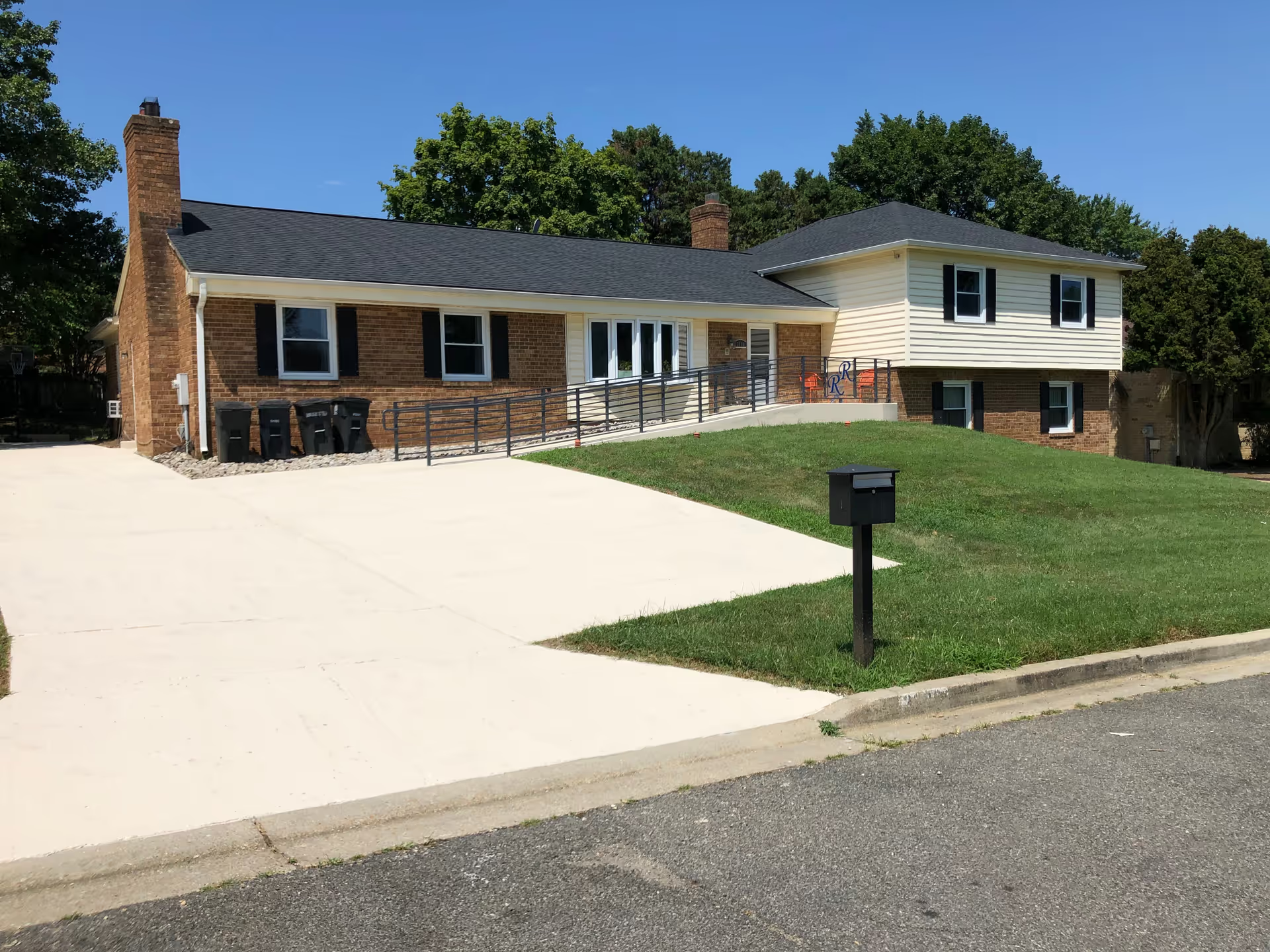
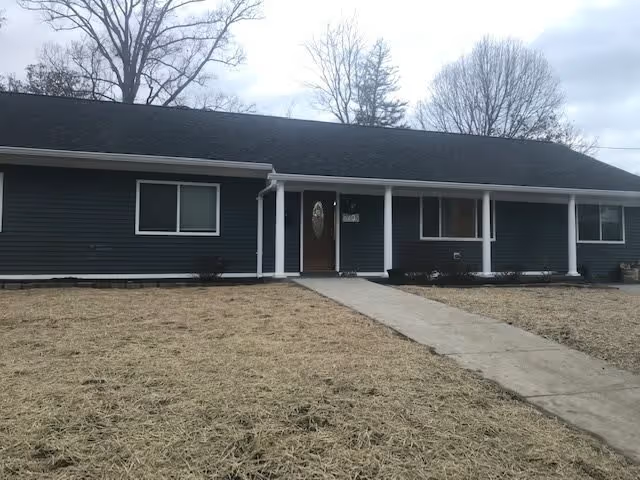
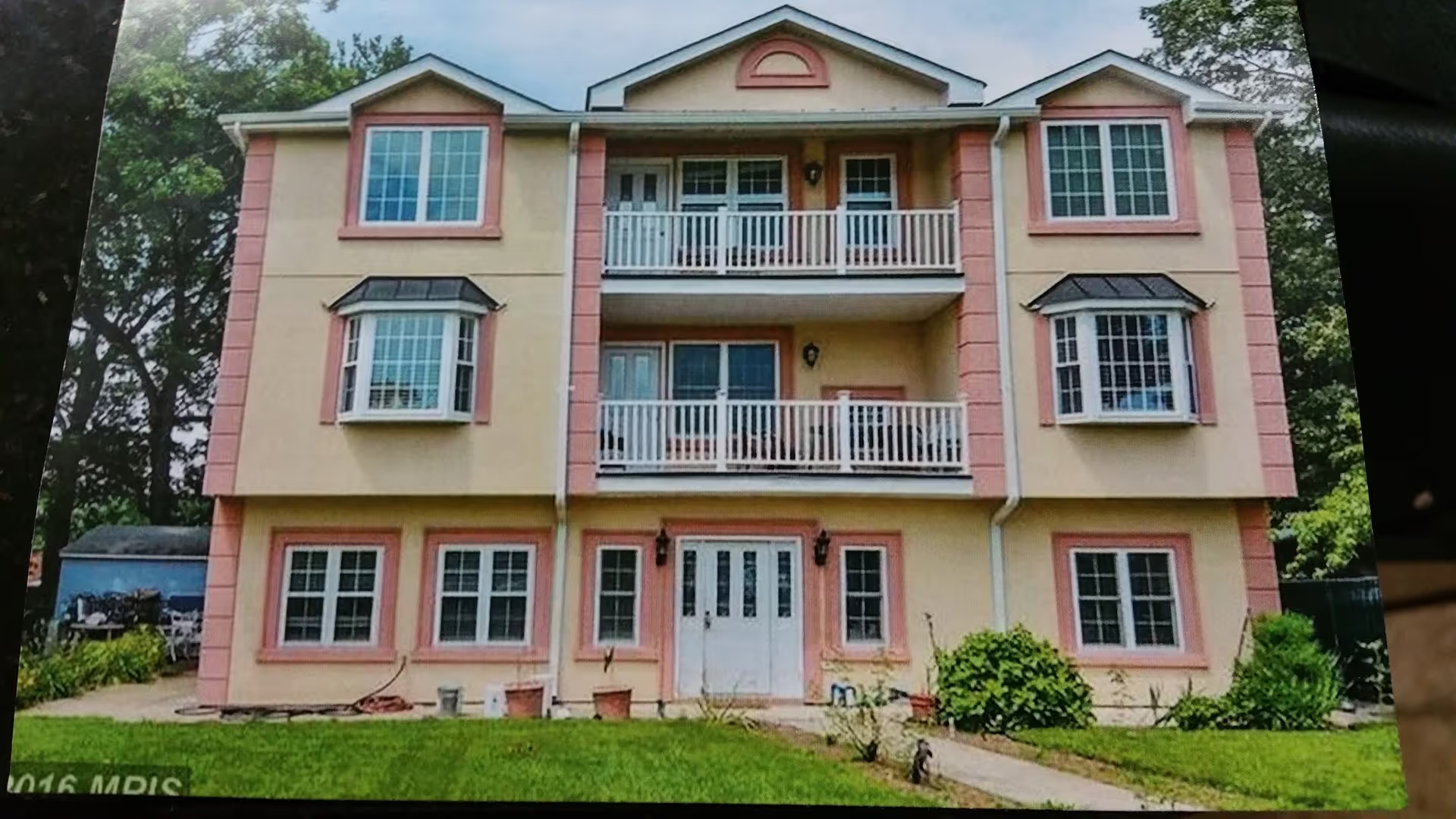
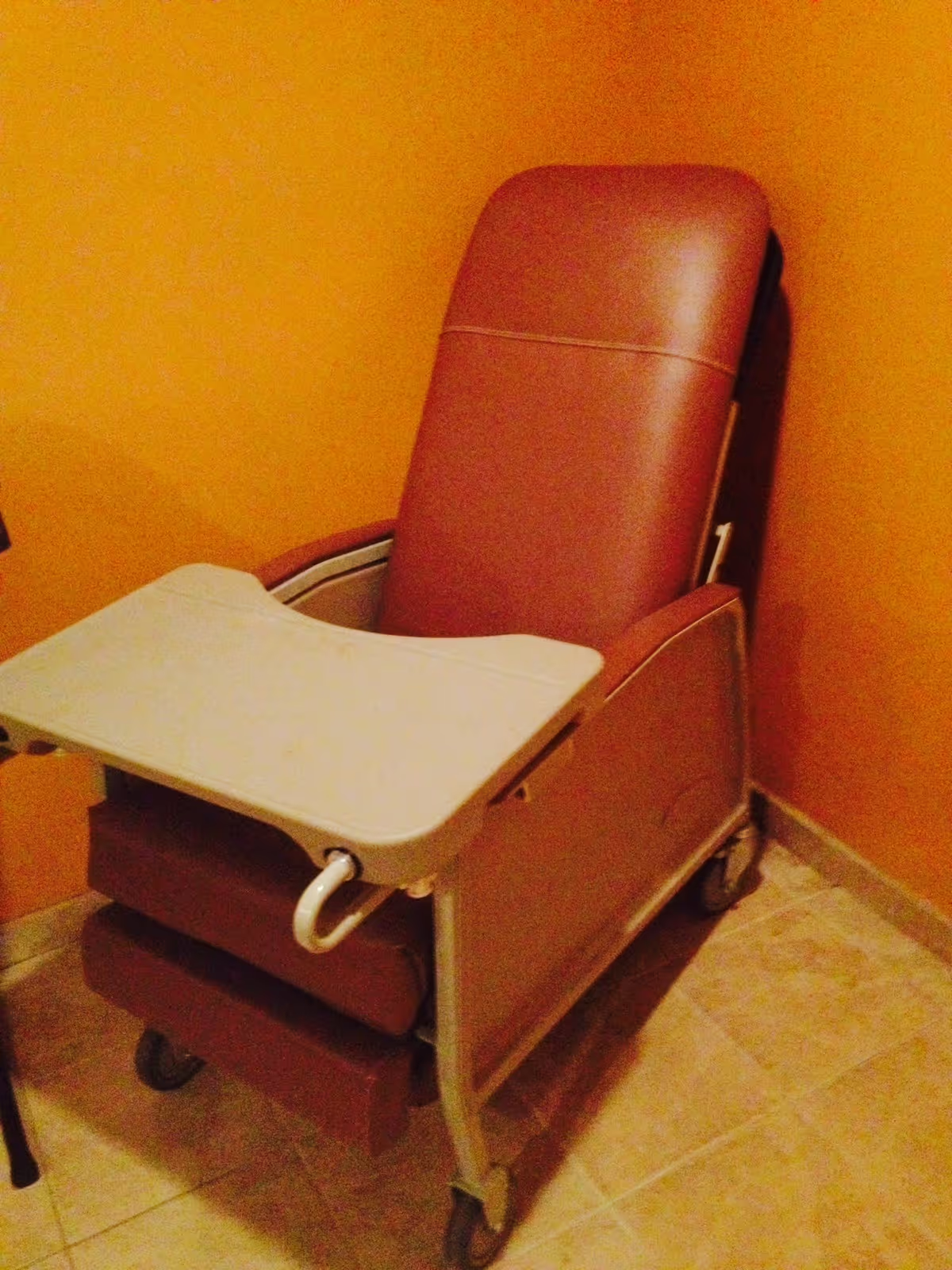
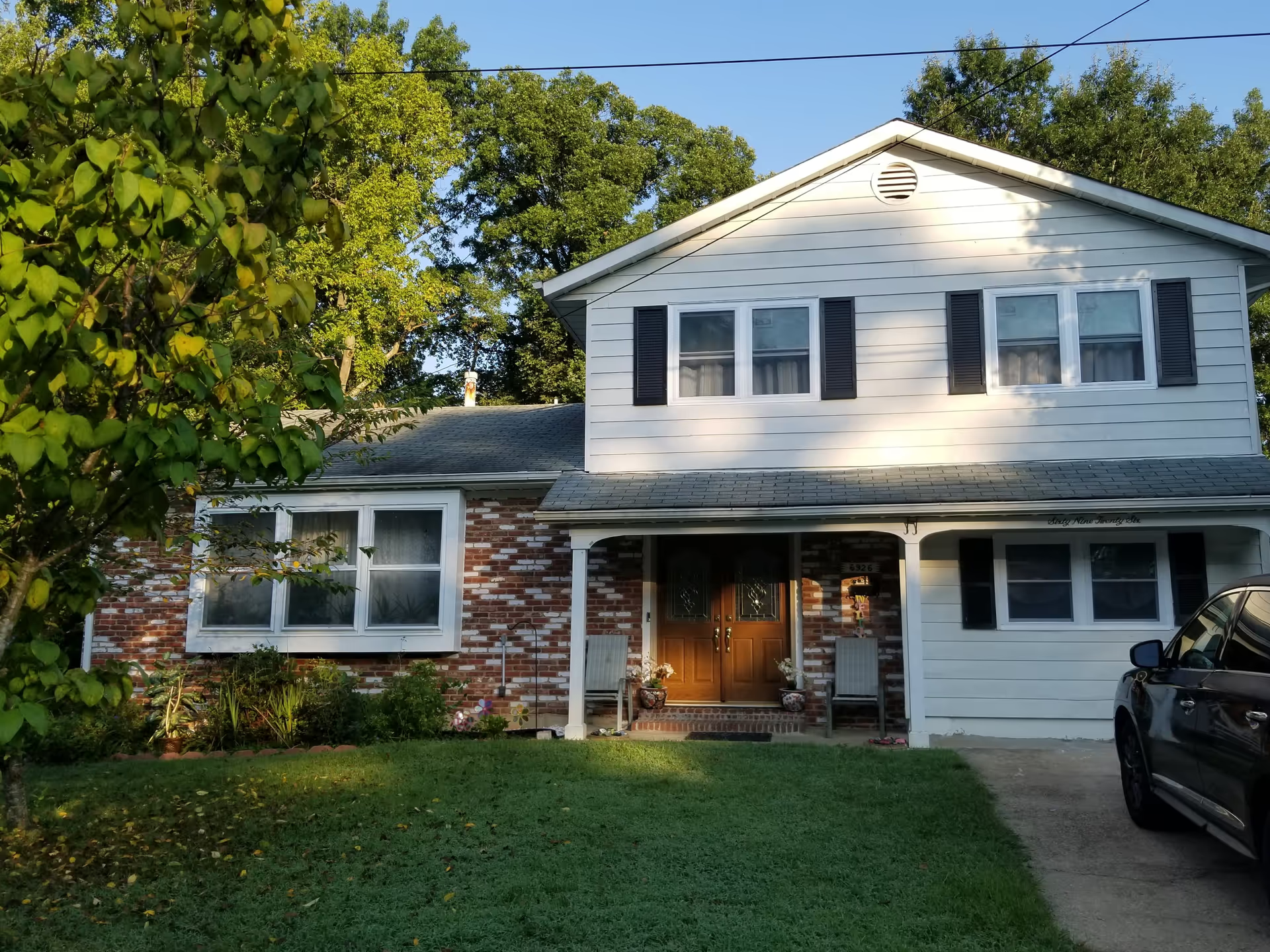
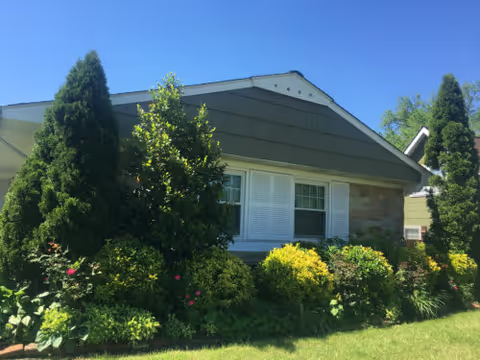
Facility condition and safety are mixed. The campus exterior and outdoor spaces are sometimes viewed positively, while interior areas and resident rooms are described as aging, cramped, and in need of cosmetic and maintenance attention. Reported issues include inconsistent hot water availability, paint chipping, and tight room layouts that limit storage and mobility. Safety-related operational weaknesses include delays in installing bed rails, occasional door/security lapses at night, and limited weekend therapy availability. There is at least one allegation of serious staff misconduct cited by a reviewer, and some families described property-security incidents; these raise concerns about oversight and investigative follow-through.
Management and communication show significant variability. Positive accounts highlight responsive social workers and administration that participate in care conferences and help arrange transport and insurance matters. Criticisms focus on unresponsive directors, billing and administrative errors, and uneven communication between nursing, therapy, and family members. These coordination gaps often aggravate clinical and safety issues described by families.
In summary, Villa Rosa may be a reasonable option for short-term, therapy-focused stays when the therapy team and nursing staff assigned to a resident are engaged and consistent. Prospective residents and families should evaluate current staffing levels and supervision, confirm on-site clinical coverage for specific medical needs, inspect room condition and maintenance, and clarify policies for communication, personal-property protection, and weekend therapy availability before placement. Visiting in person, asking for recent staffing and inspection information, and maintaining regular contact with the assigned care team can help determine whether the facility’s operational profile matches the resident’s needs.