Overall impression: The facility is described predominantly as a well-maintained, home-like rehabilitation and long-term care setting with a strong emphasis on attentive, compassionate staff and active programming. Many families highlight positive hands-on leadership, smooth admissions for most referrals, reliable rehab services (including respiratory therapy), and a calendar of engaging activities that contributes to residents' social and emotional well-being.
Care and staff: Nursing, therapy, and ancillary staff receive frequent praise for being caring, attentive, and responsive. Reviewers point to proactive administrators and an activities director who fosters a family-like environment. The facility's coordination with hospice and respite services and its respiratory-therapy capability are noted as strengths for residents with complex needs. However, several reviewers described serious operational concerns—most importantly lapses in medication administration and delayed responsiveness on occasion. There are also isolated concerns about staff tone and conduct. These observations suggest generally strong day-to-day caregiving but with intermittent gaps that prospective families should clarify (for example, medication-safety protocols, shift coverage, and escalation procedures).
Dining and activities: Dining is frequently described positively, with enjoyable meals and supportive dining staff. The activities program is a clear asset: reviewers emphasize variety, frequent events, outings, and a dedicated activities director who engages residents. Therapy-animal visits are part of programming and are appreciated by many, though some reviewers raised sanitation concerns related to animal visits and shared spaces. A few comments also pointed to occasional interruptions in meal-service coordination, indicating some variability in dining continuity.
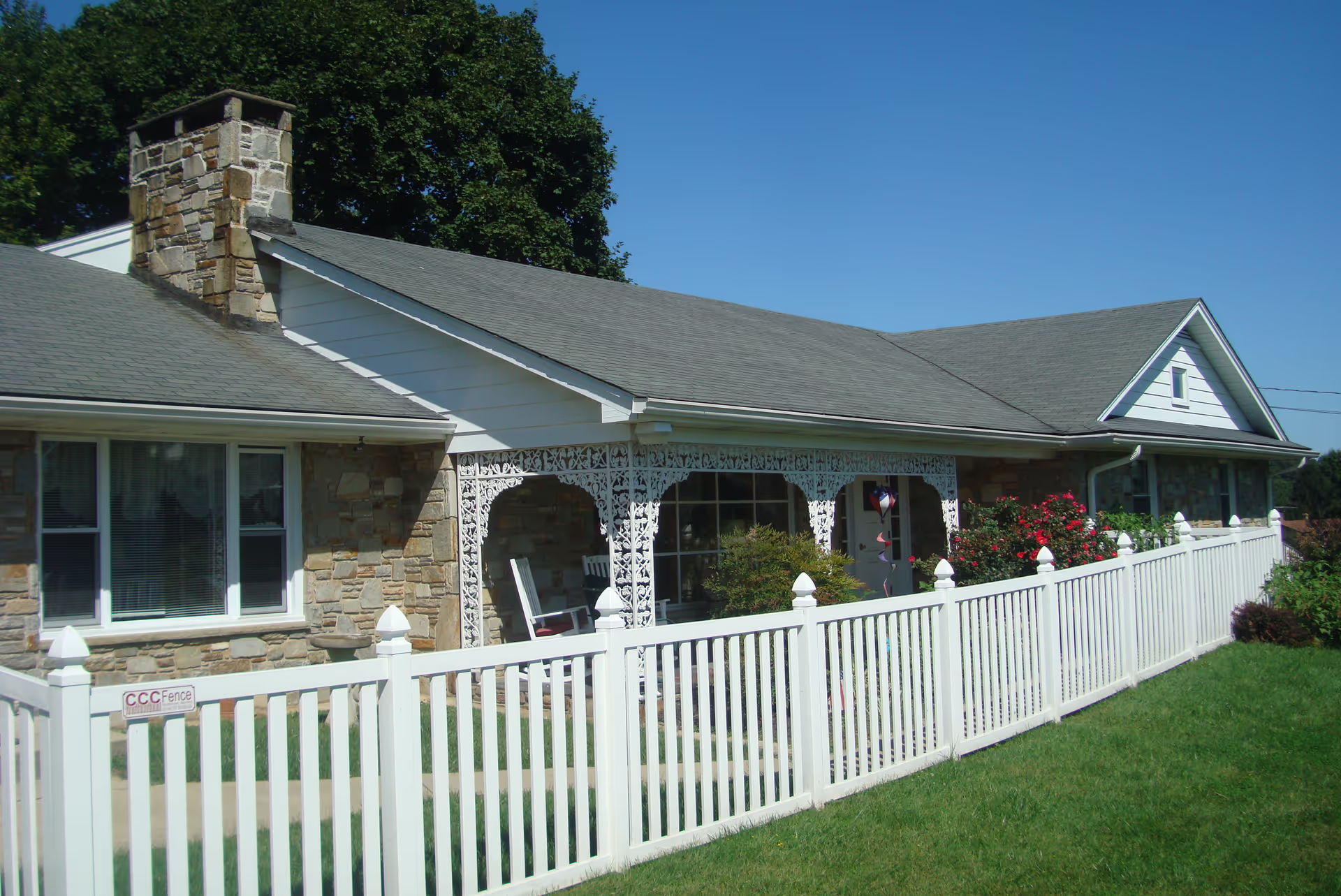
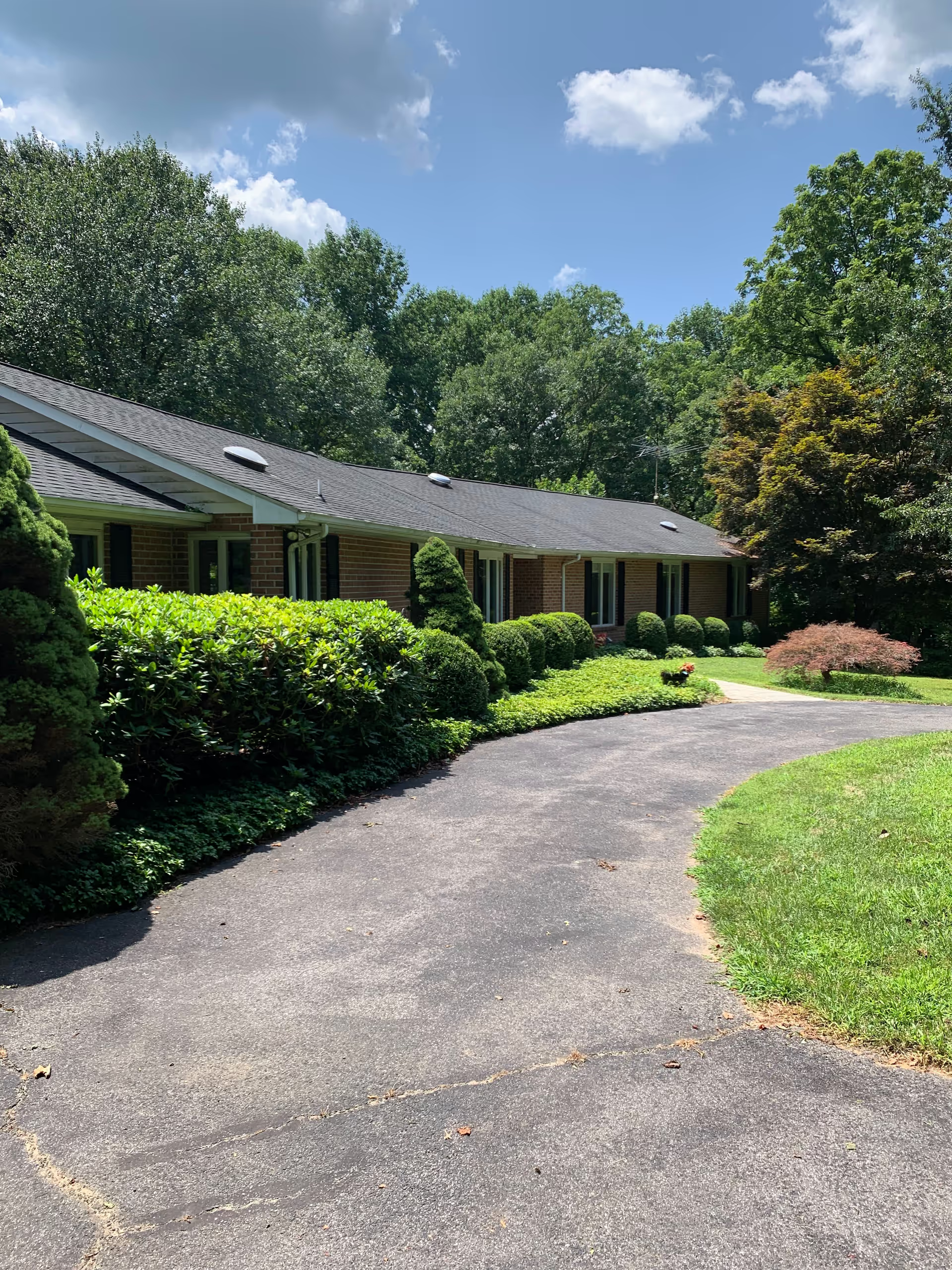
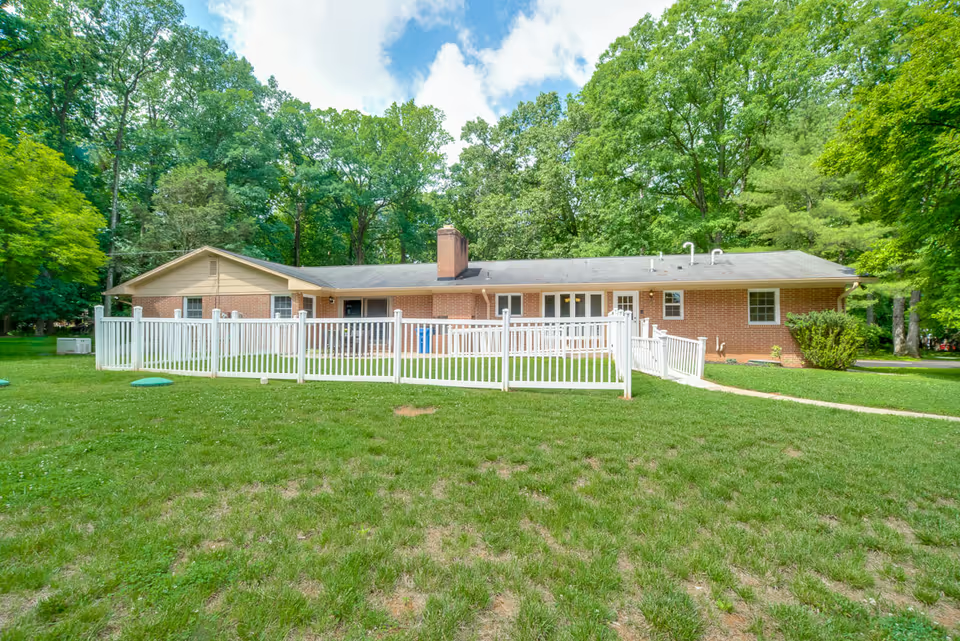
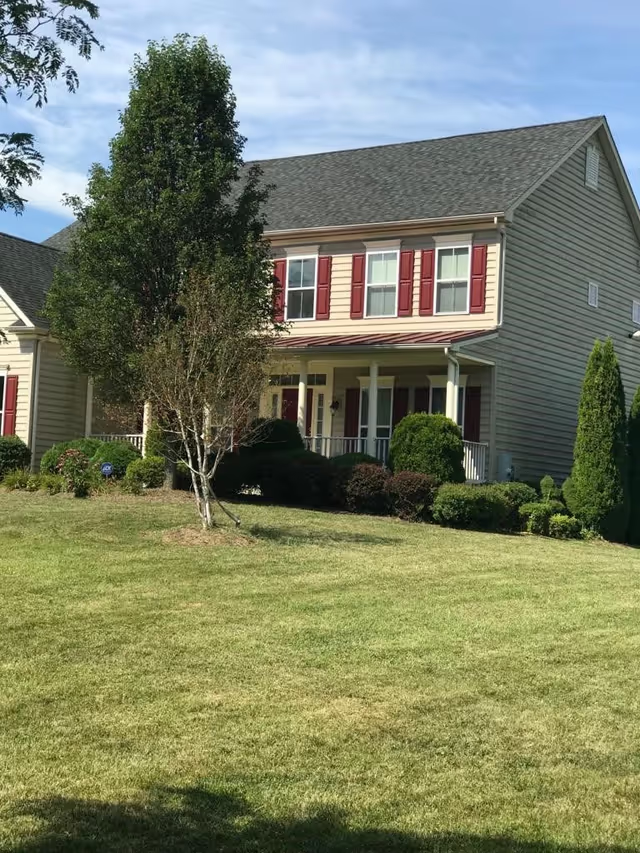
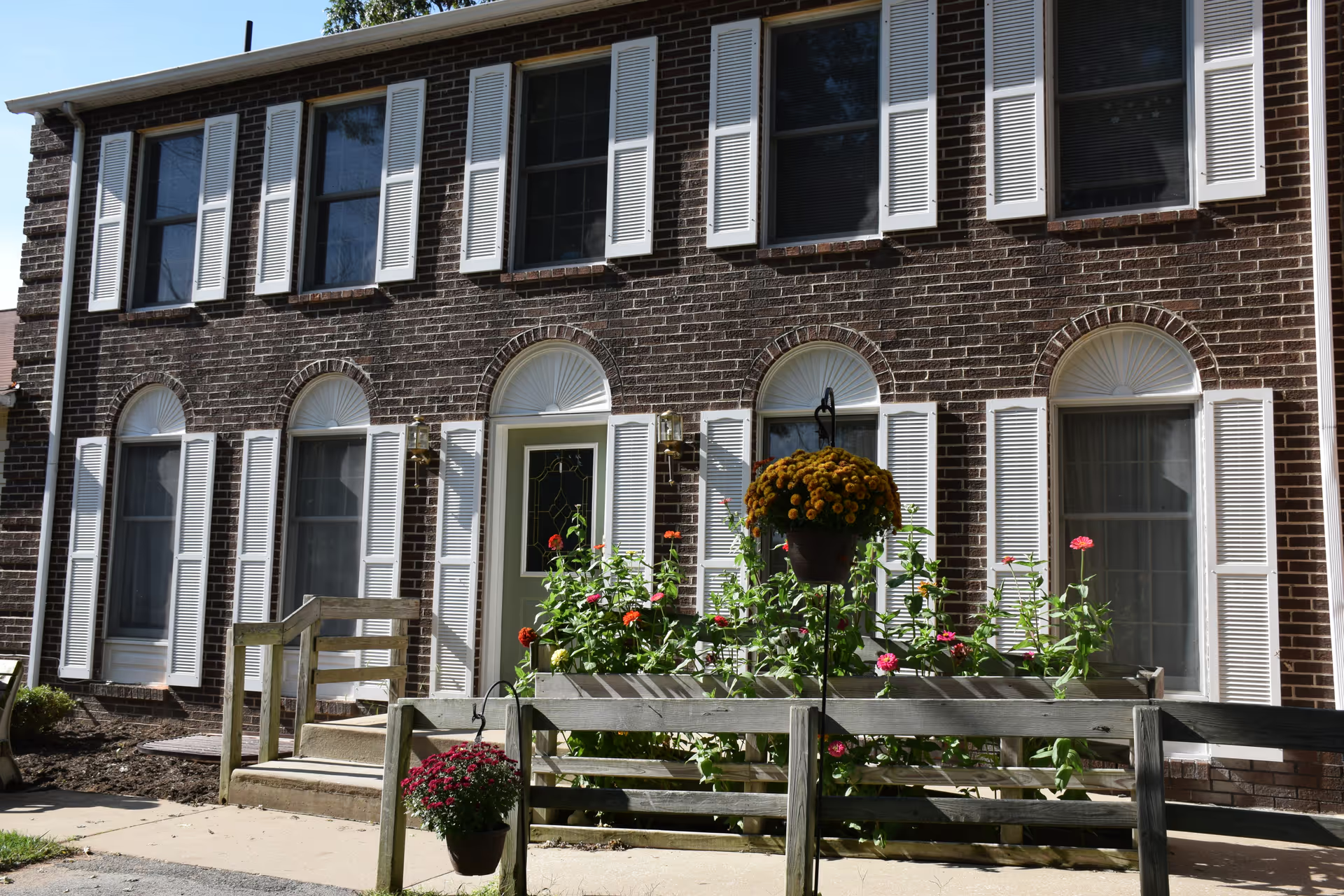
Facilities and management: The physical environment is consistently described as clean, attractive, and well-appointed — features such as a wraparound porch, garden room, and movie room are cited. Housekeeping and room upkeep receive affirmative remarks. Administrative responsiveness is often singled out as a positive, with many families finding admissions and transfers to be stress-reducing. At the same time, there are reports of inconsistent responsiveness to outside inquiries and tour requests, and some reviewers cited rigid admission contract or financial-policy practices (including minimum-stay expectations and financial demands) that may be problematic for certain families.
Notable patterns and practical guidance: The dominant pattern is high satisfaction driven by staff attentiveness, therapy strengths, and active programming. Counterbalancing that are a set of operational concerns that recur across reviews: medication-management controls, intermittent cross-department coordination, communication tone, dining-service continuity, and sanitation protocols related to therapy animals and some shared spaces. Prospective residents and families would benefit from focused questions during a tour or intake conversation: ask to see medication-safety procedures, staffing and handoff practices, animal-visit infection-control policies, sample menus and dining schedules, and the facility's admission contract and financial terms. An in-person visit and conversations with current residents or families will be useful to confirm consistency of the positive practices described and to assess how the facility addresses the occasional operational gaps identified.