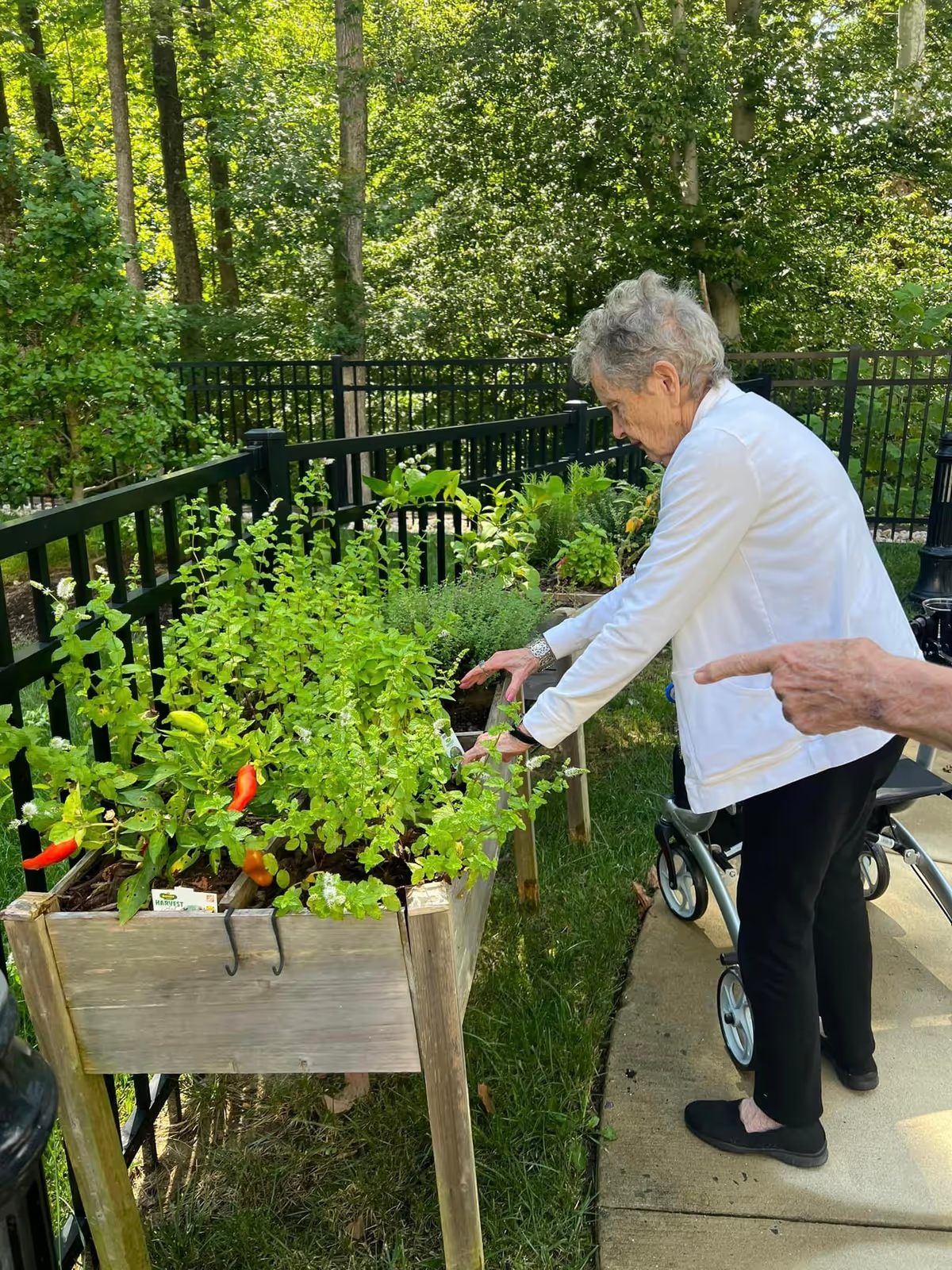
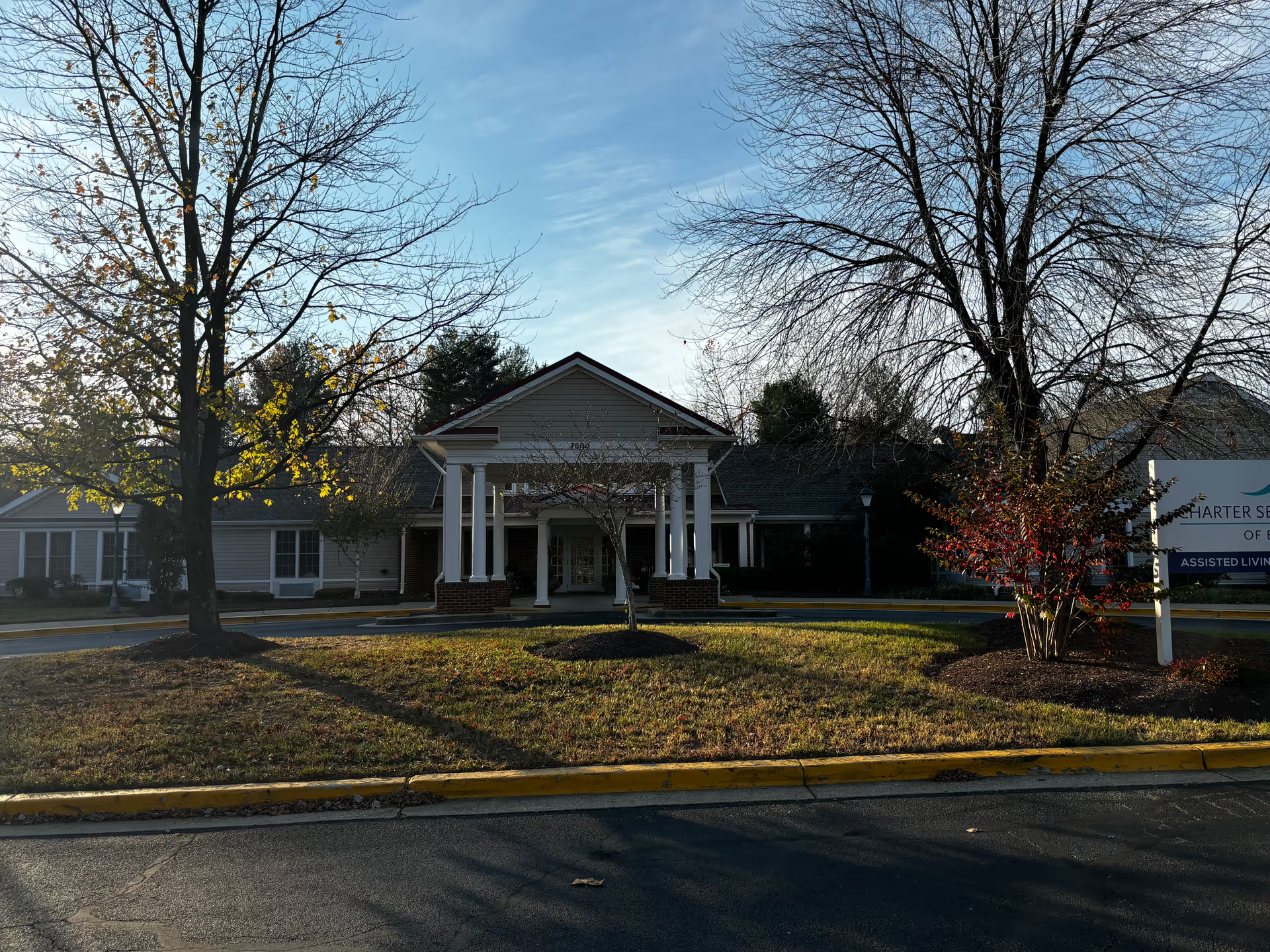
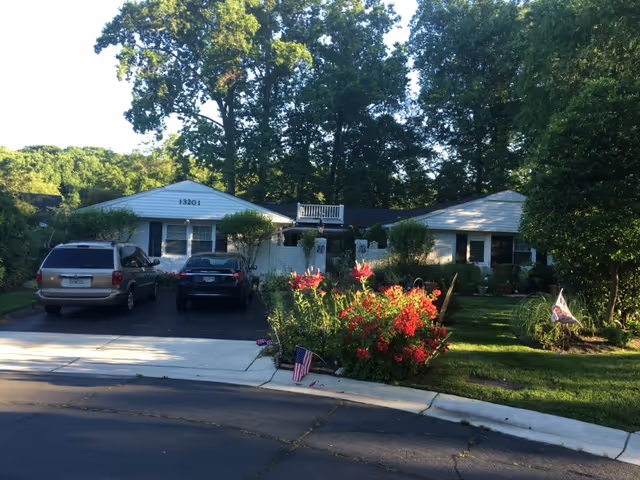
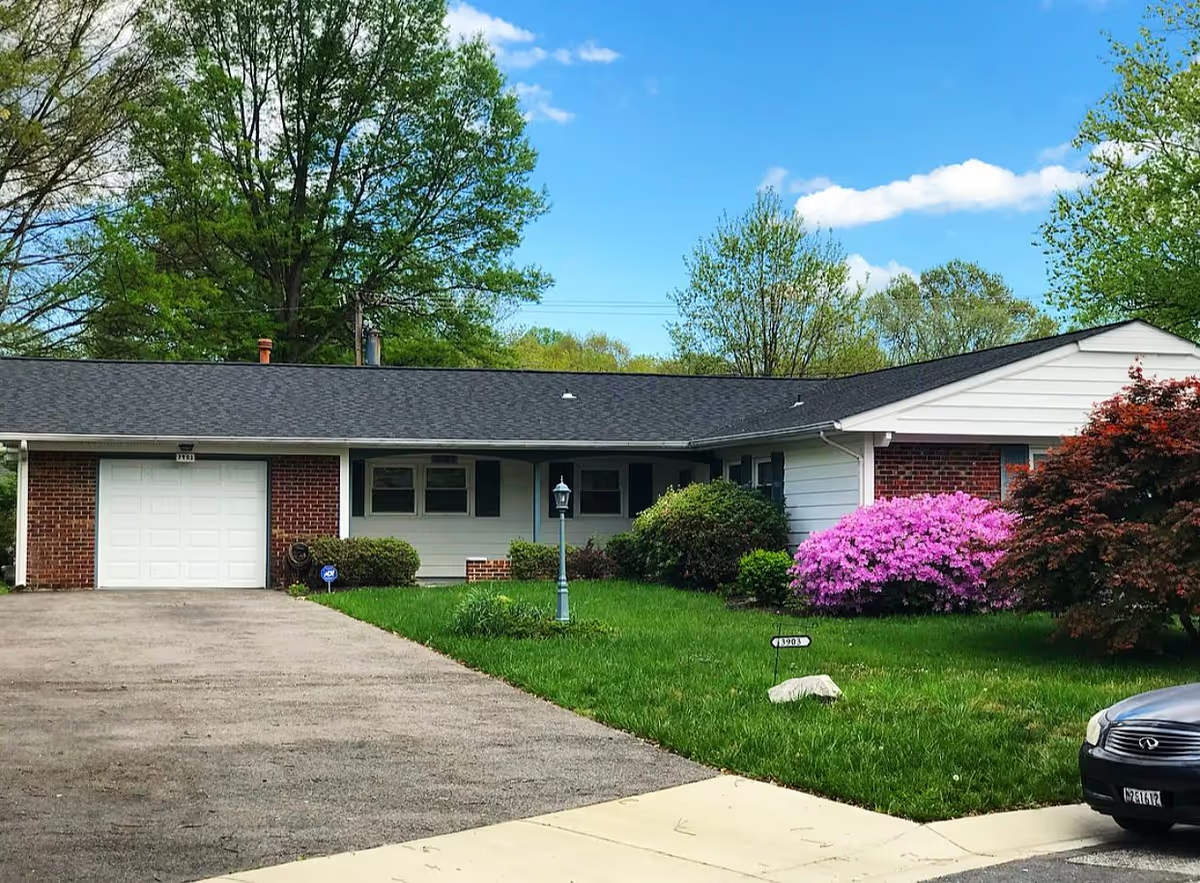
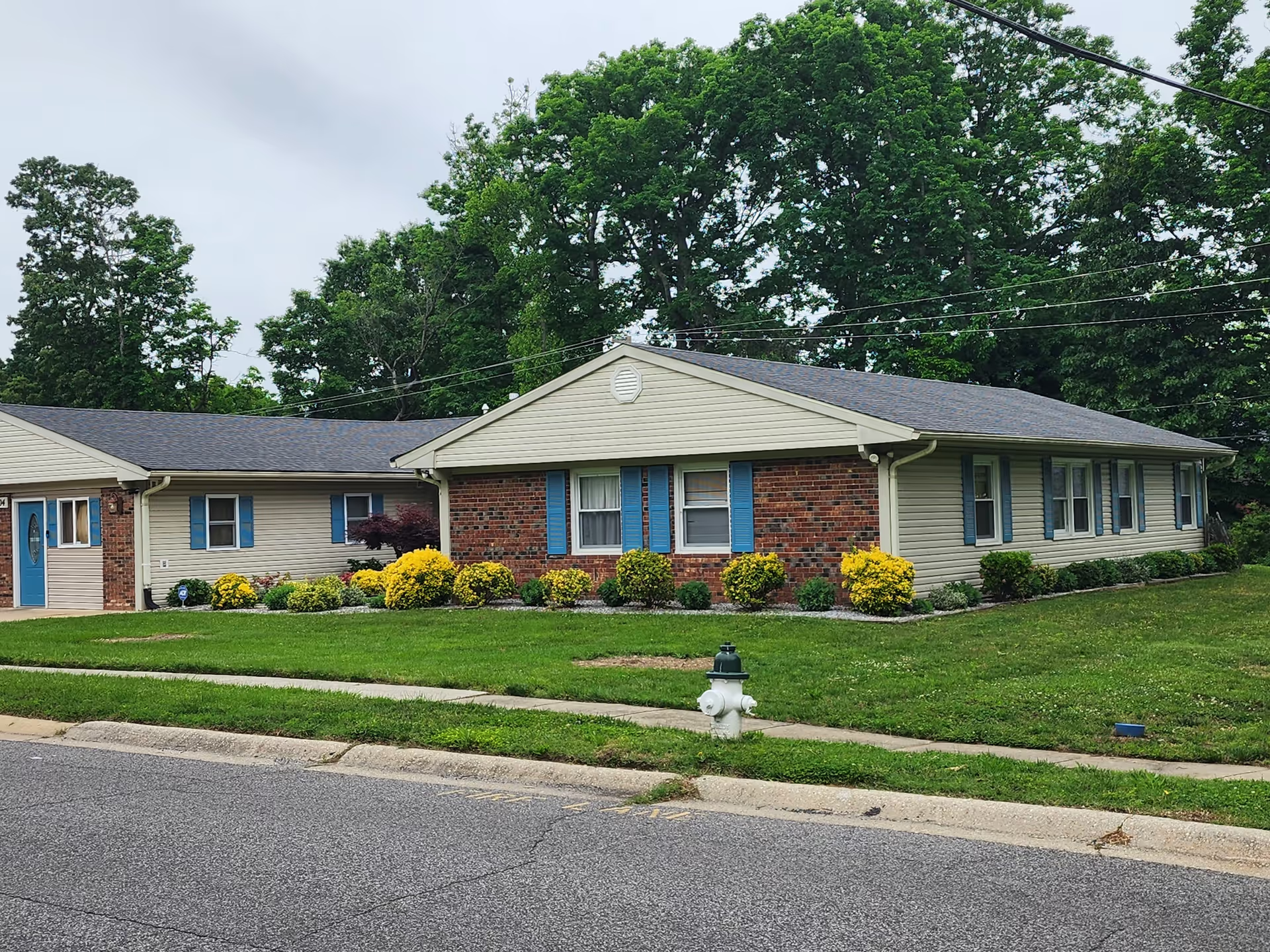
HeartHomes at Piney Orchard is described primarily as a small, homelike assisted-living setting with an emphasis on personalized, dementia-aware care. The facility’s scale, domestic furnishings (quilts, wood furniture, comfortable chairs) and two living areas contribute to a private, non-institutional atmosphere. Outdoor amenities, including a terrace with a gazebo and proximity to a pond or lakefront, are consistently noted as positive features that staff use to provide residents with opportunities for fresh air and sunshine.
Care and clinical supports receive mixed but largely positive comments. Several families praised the caregiving team as compassionate, responsive, and experienced; reviewers highlighted effective medication management for nighttime anxiety and sundowning, routine medical checkups, and on-site podiatry and monthly physician visits. Pharmacy-delivery services are available and appreciated, though there are mentions of additional charges tied to certain prescription configurations and test pickup that families should anticipate. Assistance with grooming and personal care (regular haircuts and nail care) and observed resident comfort round out the list of clinical and quality-of-life strengths.
Staff culture is a prominent theme. Many comments point to warm, friendly caregivers, long-tenured nurses, and an administrator who is proactive and engaged. The facility is described as family-friendly, welcoming visitors (including children and pets), and offering memorable social events such as holiday parties with music and dancing. At the same time, there are recurring concerns about management variability: while some families report excellent leadership and responsiveness, others describe a manager who is less communicative or discourteous. This variability appears to affect family confidence and perceived consistency of care.
Operational patterns to consider include staffing consistency and activity offerings. Several accounts indicate weekend understaffing and moments when caregiver-to-resident ratios felt inadequate, which families connected to decreased engagement and fewer organized activities. Activity programming is described as simple and generally tailored to resident abilities, but some families felt offerings were limited or unevenly applied. Property-management issues such as missing clothing and occasional gaps in personal-item oversight were also raised and should be considered when evaluating record-keeping and laundry/property processes.
Dining and daily-life services are described positively overall: staff are noted for learning food preferences and offering multiple dining options, and the environment is described as clean and comforting. Cost and affordability are mentioned positively by some, with references to financial accommodations; prospective families should inquire about the published rate structure and any extra fees (for example, certain pharmacy or test-handling charges) to understand total costs.
In summary, HeartHomes at Piney Orchard presents as a small, well-kept assisted-living option with strong person-centered care strengths, particularly for residents with dementia, and a family-oriented culture. Prospective residents and families should weigh these strengths against reported variability in weekend staffing, activity frequency, and manager-level communication. Asking targeted questions about staffing patterns, weekend coverage, activity schedules, property-management procedures, and any out-of-pocket pharmacy or testing fees will help clarify whether the facility’s operational practices meet a given family’s expectations.