The reviews describe a facility with clear strengths in rehabilitation, therapy, and certain aspects of direct care, alongside recurring operational weaknesses that prospective residents and families should investigate. The rehabilitation/therapy program is consistently praised: families cite skilled physical and occupational therapists and measurable recovery progress. Many reviewers also highlight compassionate bedside staff — nursing aides and technicians who spend time conversing with residents, learn personal preferences, and provide a family-like environment. Admissions and finance teams receive positive marks for making placement and billing navigation easier in many cases, and a dedicated dementia unit and recent renovations were noted as positives by several families.
At the same time, a repeated theme is inconsistent staffing and responsiveness. Reviews indicate periods when call bells and requests go unanswered or delayed, and when coverage gaps fall to a small set of over-relied-upon aides. These staffing issues are linked in several accounts to delays in personal care (including bathing and incontinence support), medication delivery problems, and missed or delayed clinical tasks. There are also repeated concerns about medication-management controls and occasional medication handling errors; families should seek clear documentation of medication administration practices during their evaluation.
Dining and nutrition experiences appear mixed. Some families praise meals and appropriate accommodations for special diets, while others report cold food, small or unbalanced portions, and meals being removed before residents finish. A related pattern involves limited monitoring during mealtimes: some residents were reported as not being checked while eating. Prospective families may wish to observe a mealtime and ask how staff monitor intake and manage special-diet needs.
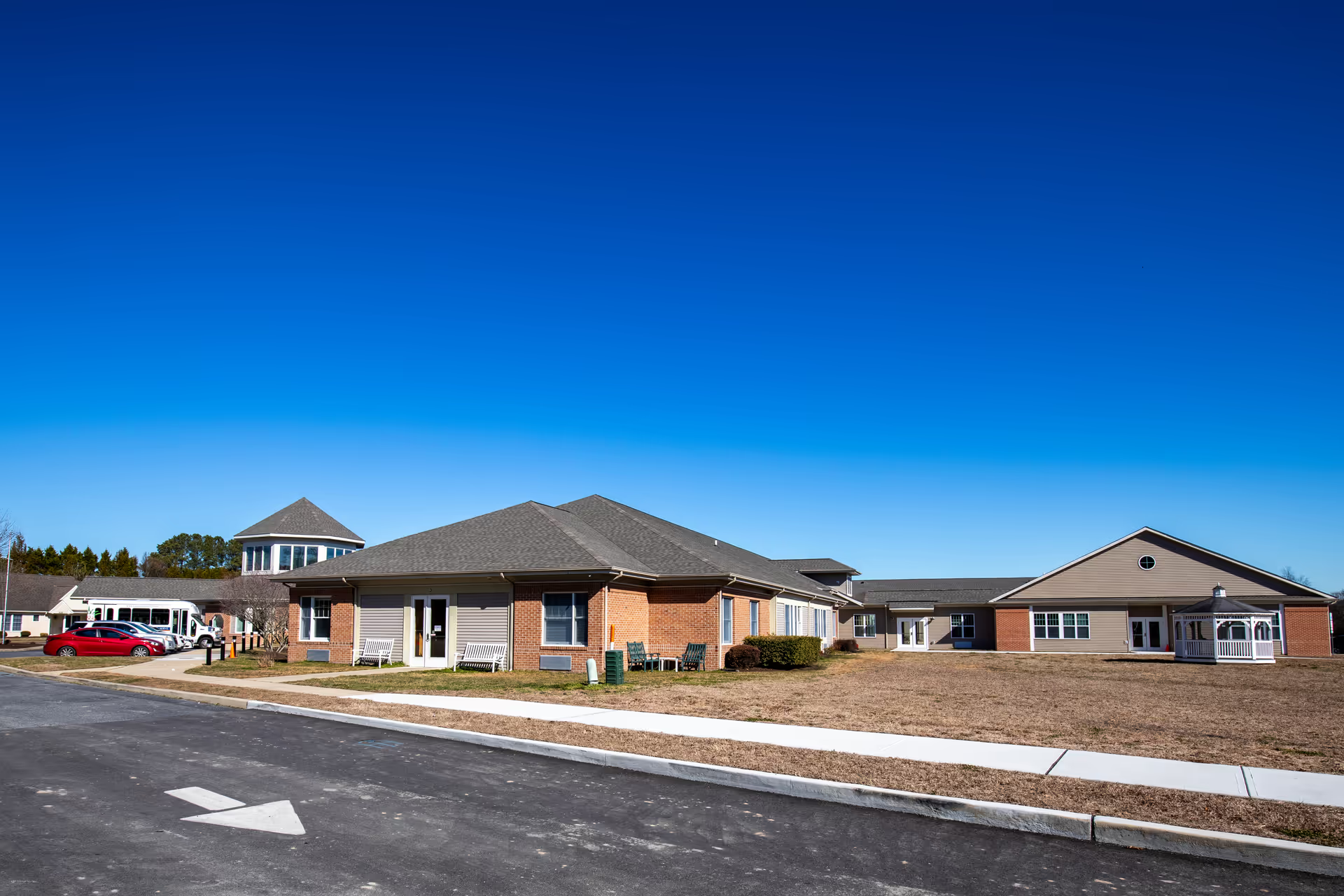
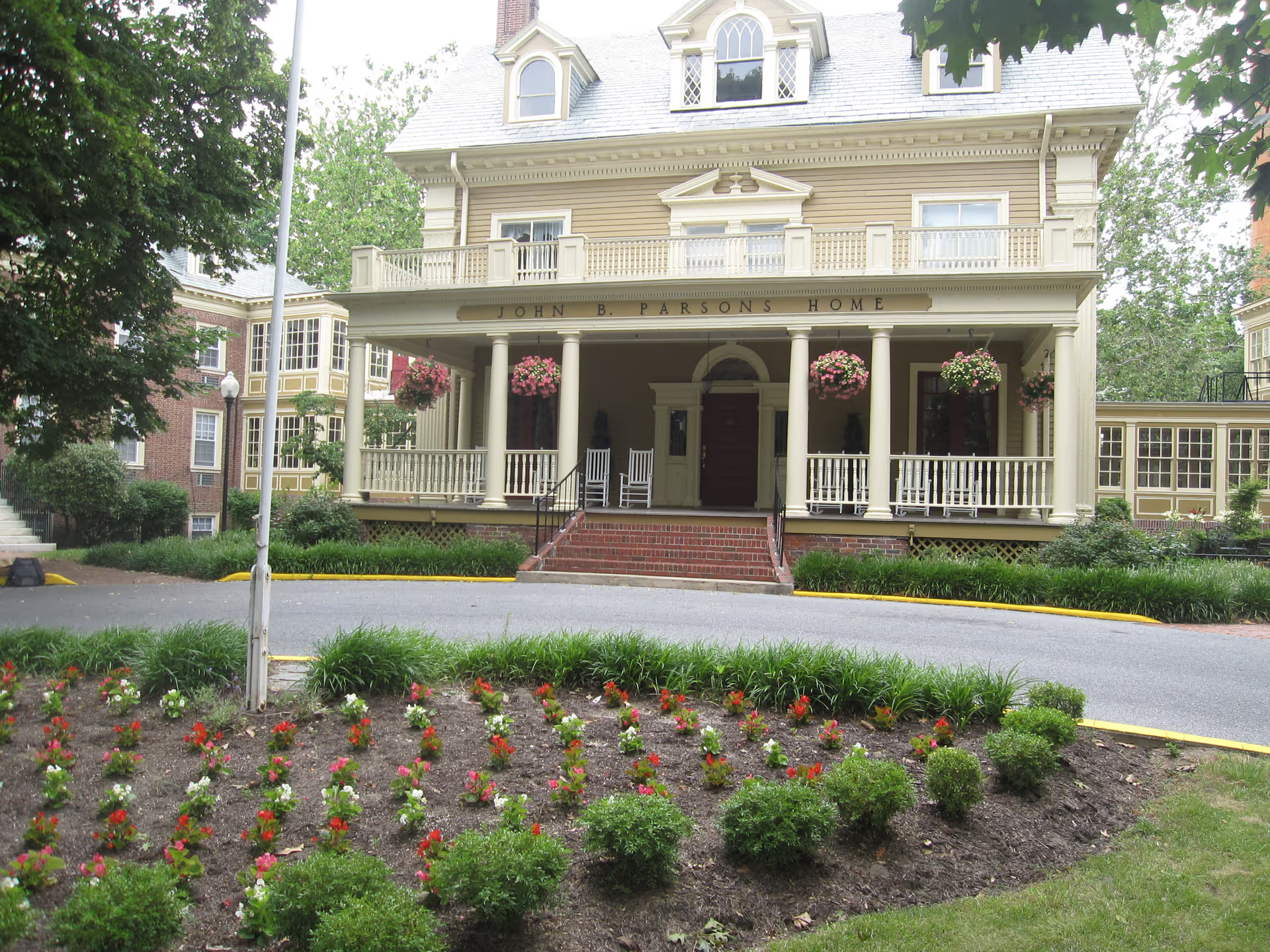
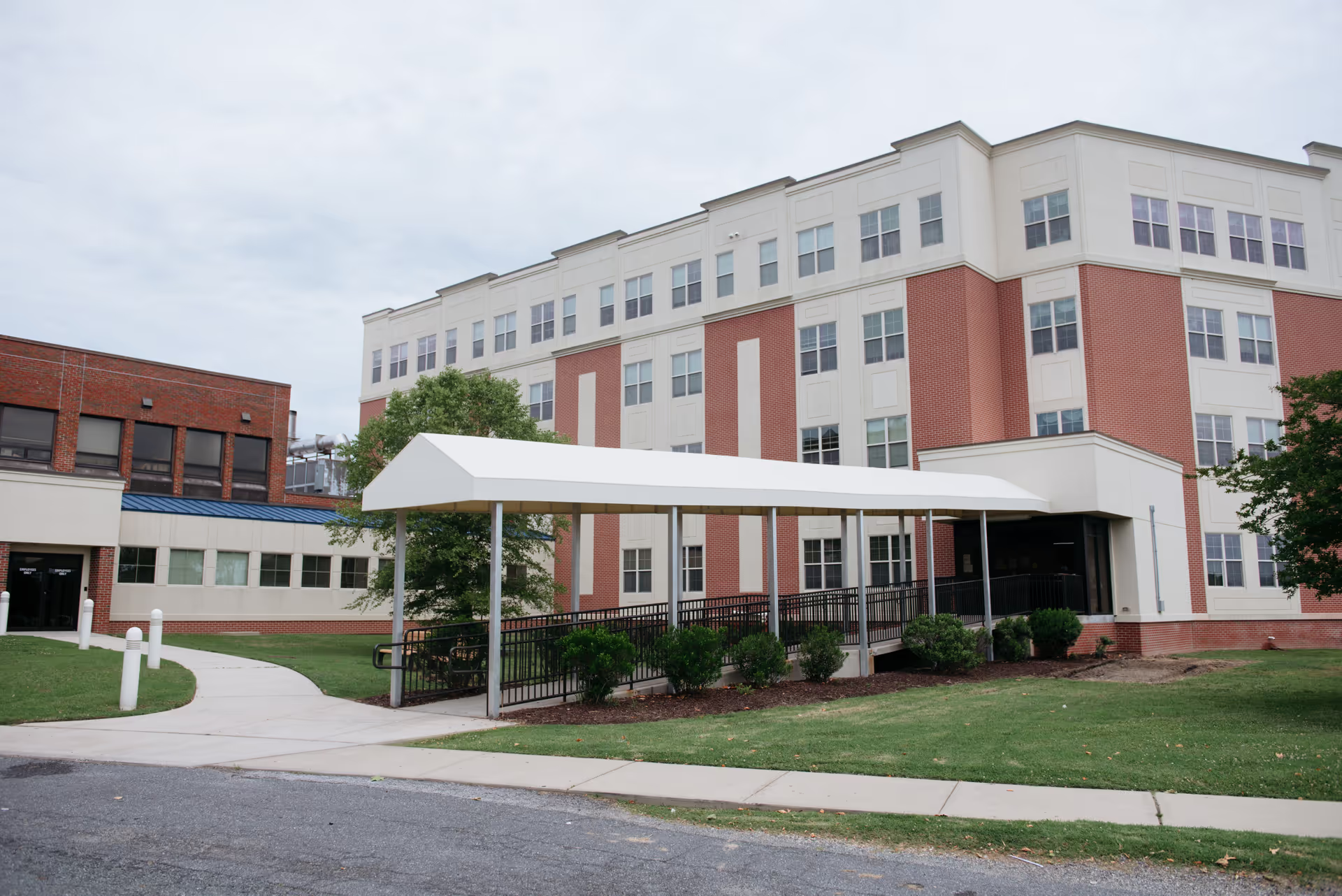
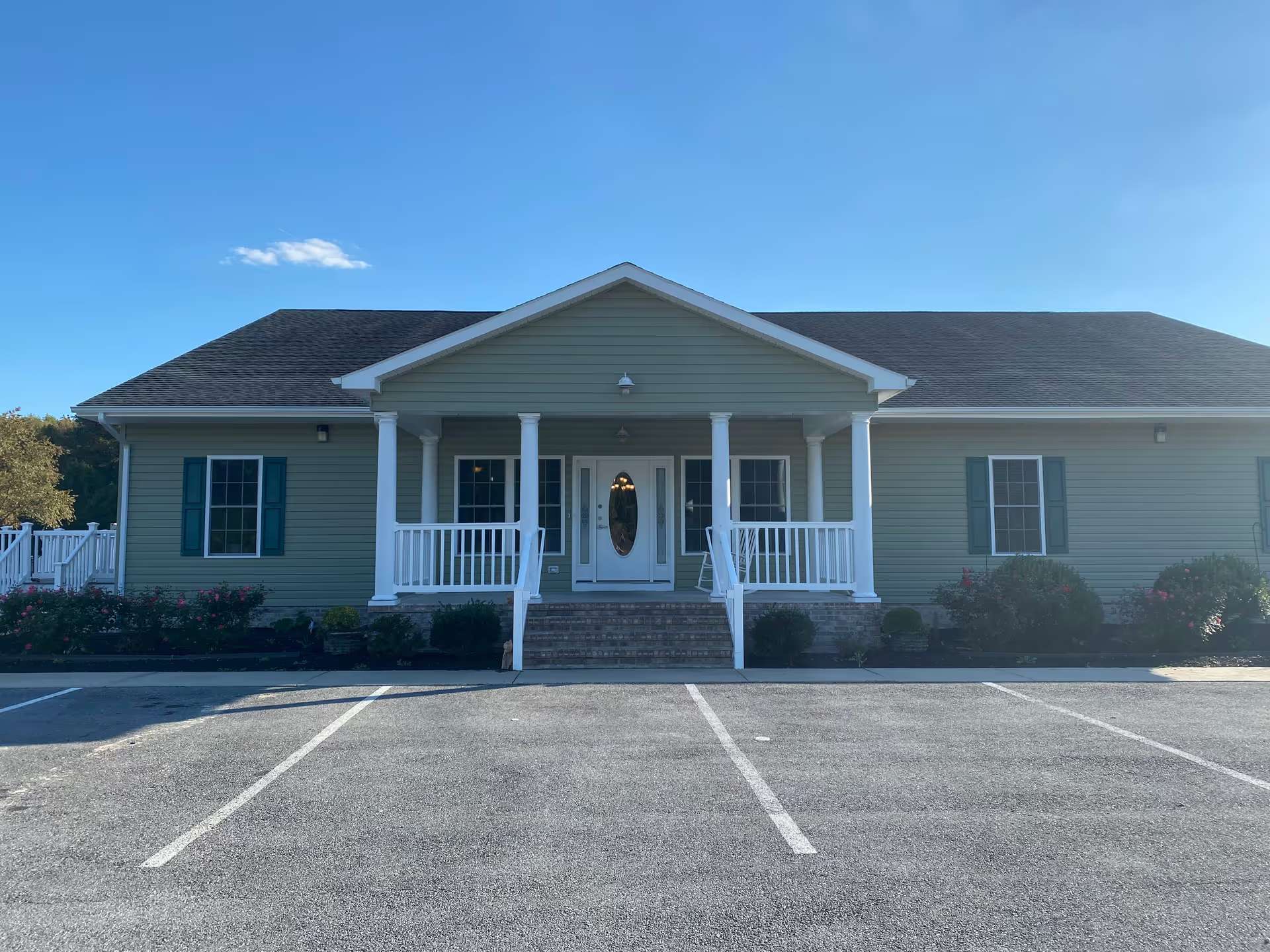
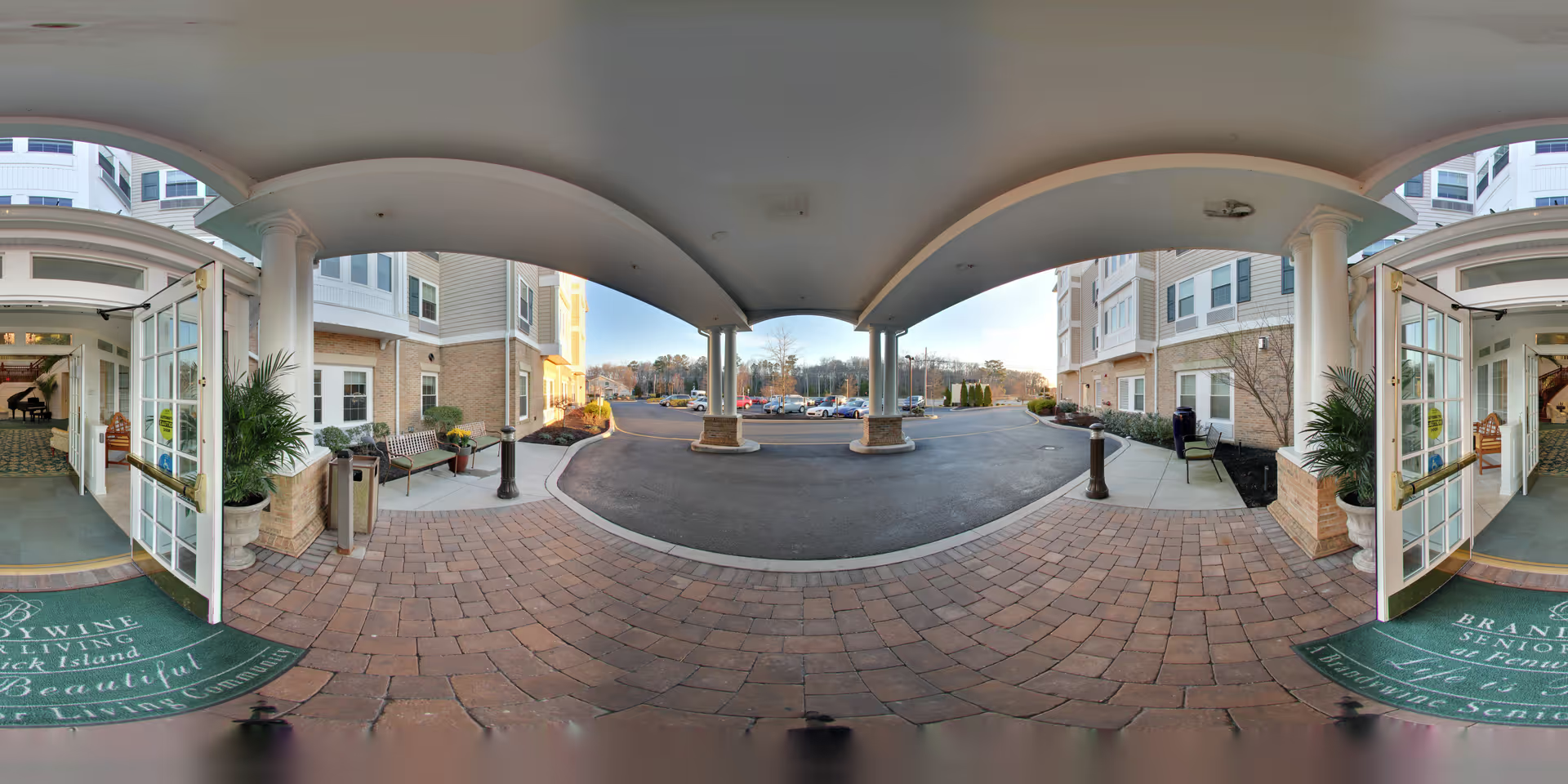
Facility condition and maintenance are uneven. Several reviewers describe visible improvements from recent renovations and updated common areas, but others note aging infrastructure, broken furniture and equipment, roof/maintenance issues, and inconsistency in room-level cleanliness and linen management. Sanitation concerns in some rooms and bathrooms and lapses in laundry or linen handling are recurring operational weaknesses that should be assessed in person.
Management, communication, and administrative follow-through are additional areas of variability. While some families describe proactive communication from unit nurses, administrative staff, and visiting clinicians, others report poor coordination between floor staff and administration, lack of follow-up on concerns, delayed refunds or billing issues, and difficulty getting timely callbacks. Reports of inconsistent staff tone — from very kind and professional to curt or unhelpful — suggest variability in staff training, supervision, or morale.
A notable pattern is the variability of experience across time and families. Several reviews describe clear improvement under new ownership or after staffing changes and renovations, while other accounts relate ongoing, unresolved problems. There are also a few reports of serious care lapses that families indicated were significant enough to escalate externally; these merit direct discussion with facility leadership and, if necessary, the local ombudsman.
Recommendations for prospective families: arrange an in-person visit that includes a mealtime observation and conversation with therapy staff; ask about current staffing ratios and on-shift supervisory coverage; request documentation of medication-administration and infection-control practices; inquire about linen and laundry protocols; and clarify billing, refund, and admission paperwork procedures. Given the facility’s mixed patterns — strong rehabilitation and many caring staff amid operational inconsistencies — direct assessment and targeted questions will help determine whether Manokin Manor’s strengths align with a particular resident’s needs.