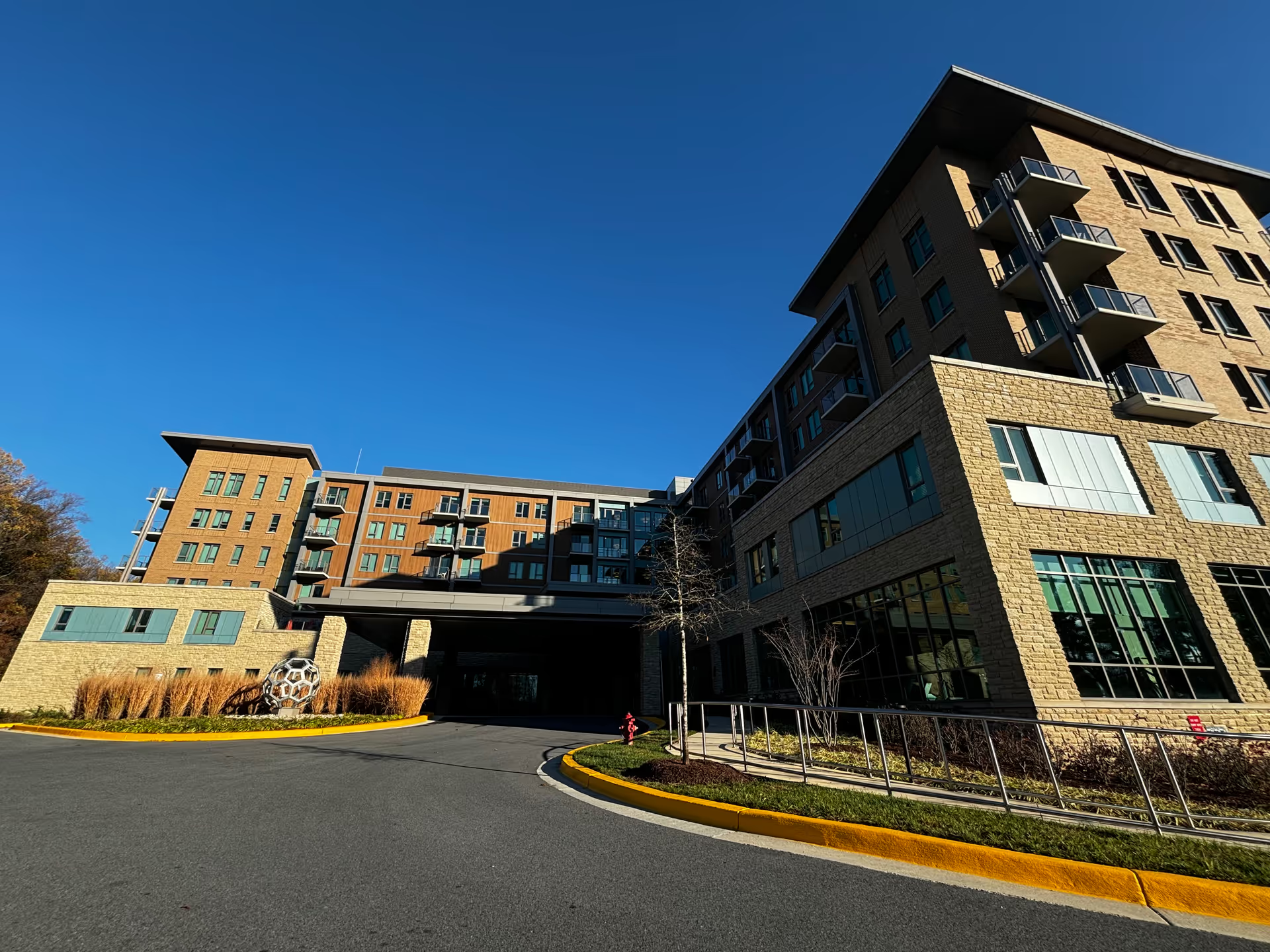
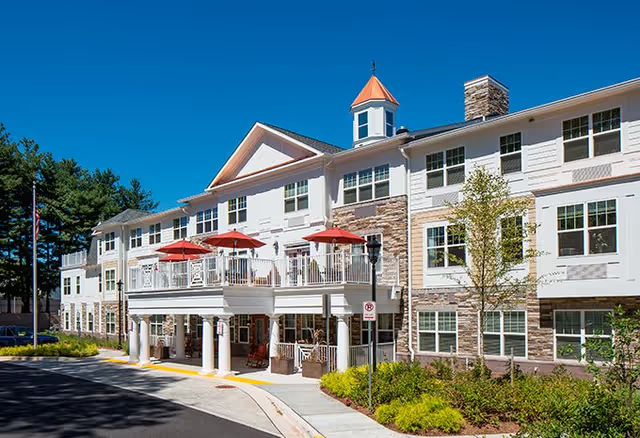
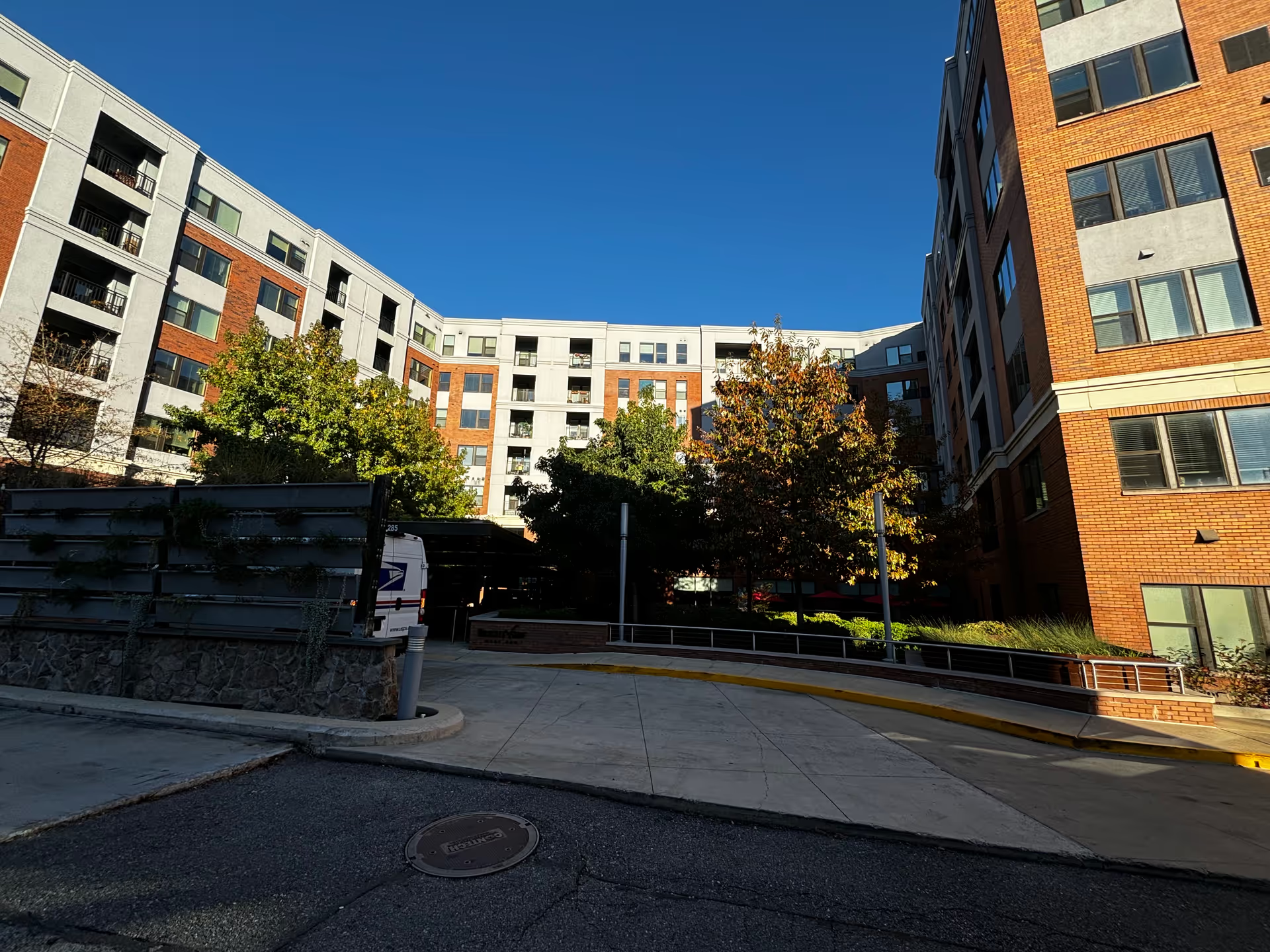
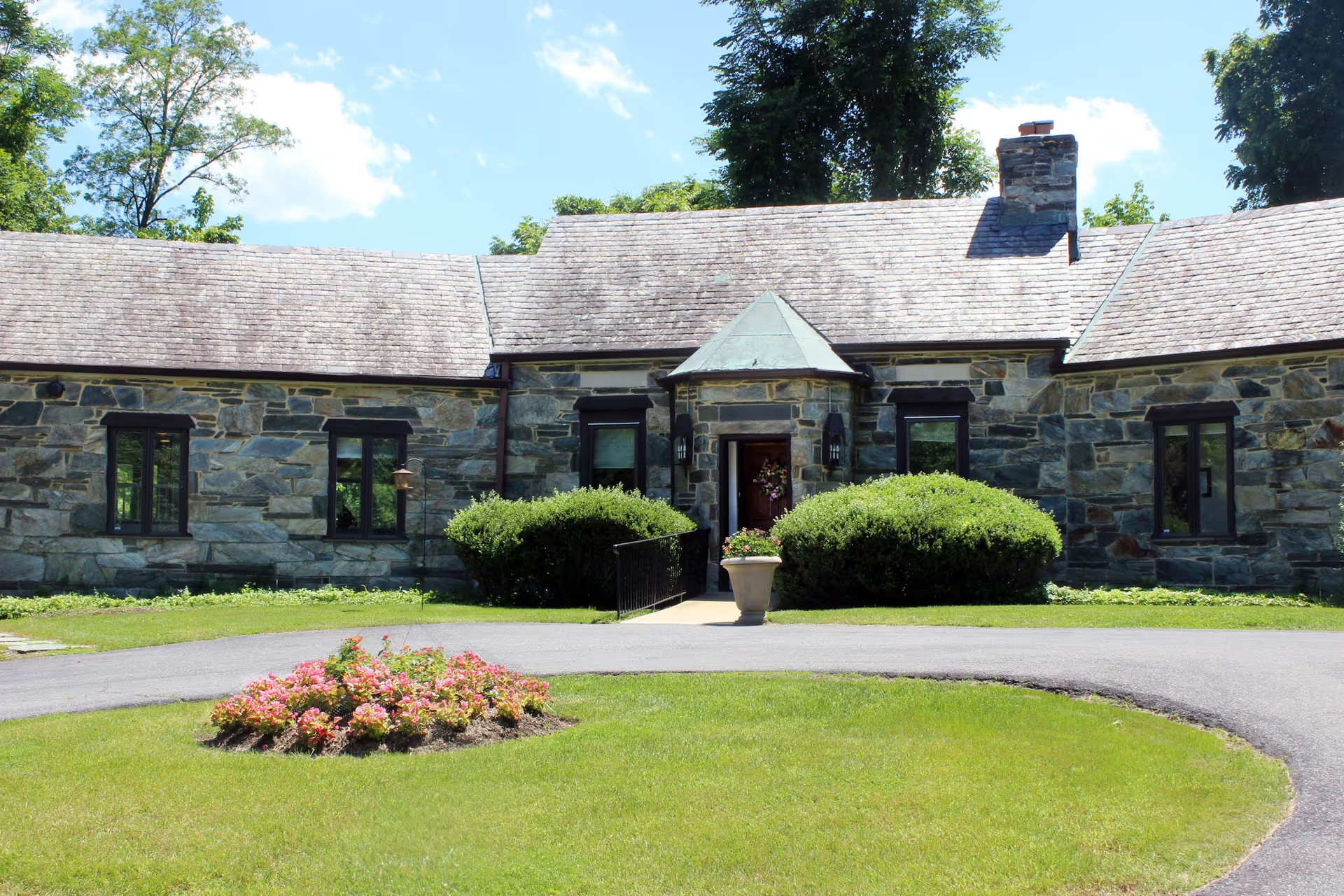
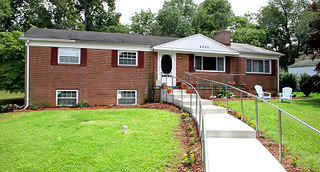
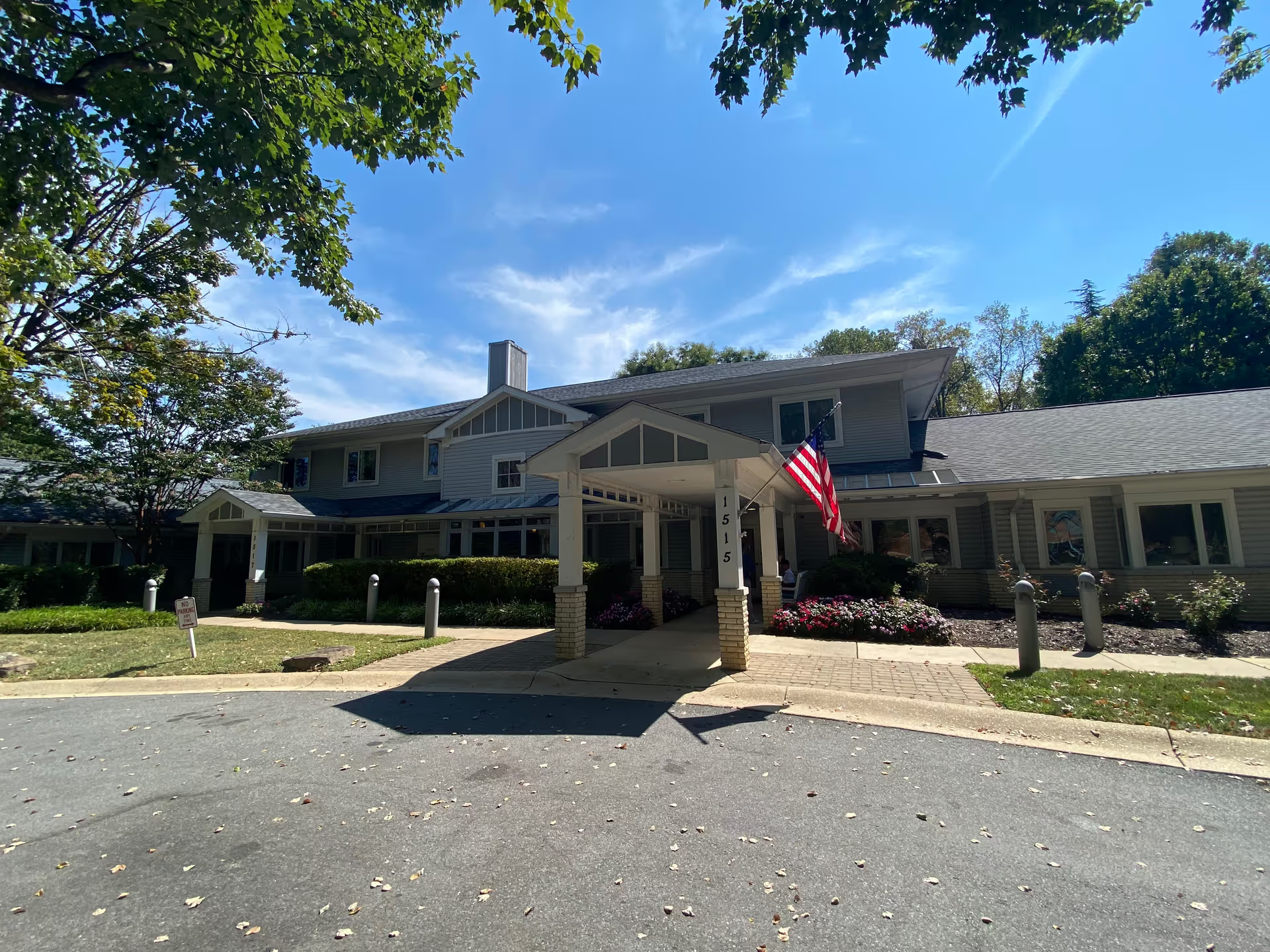
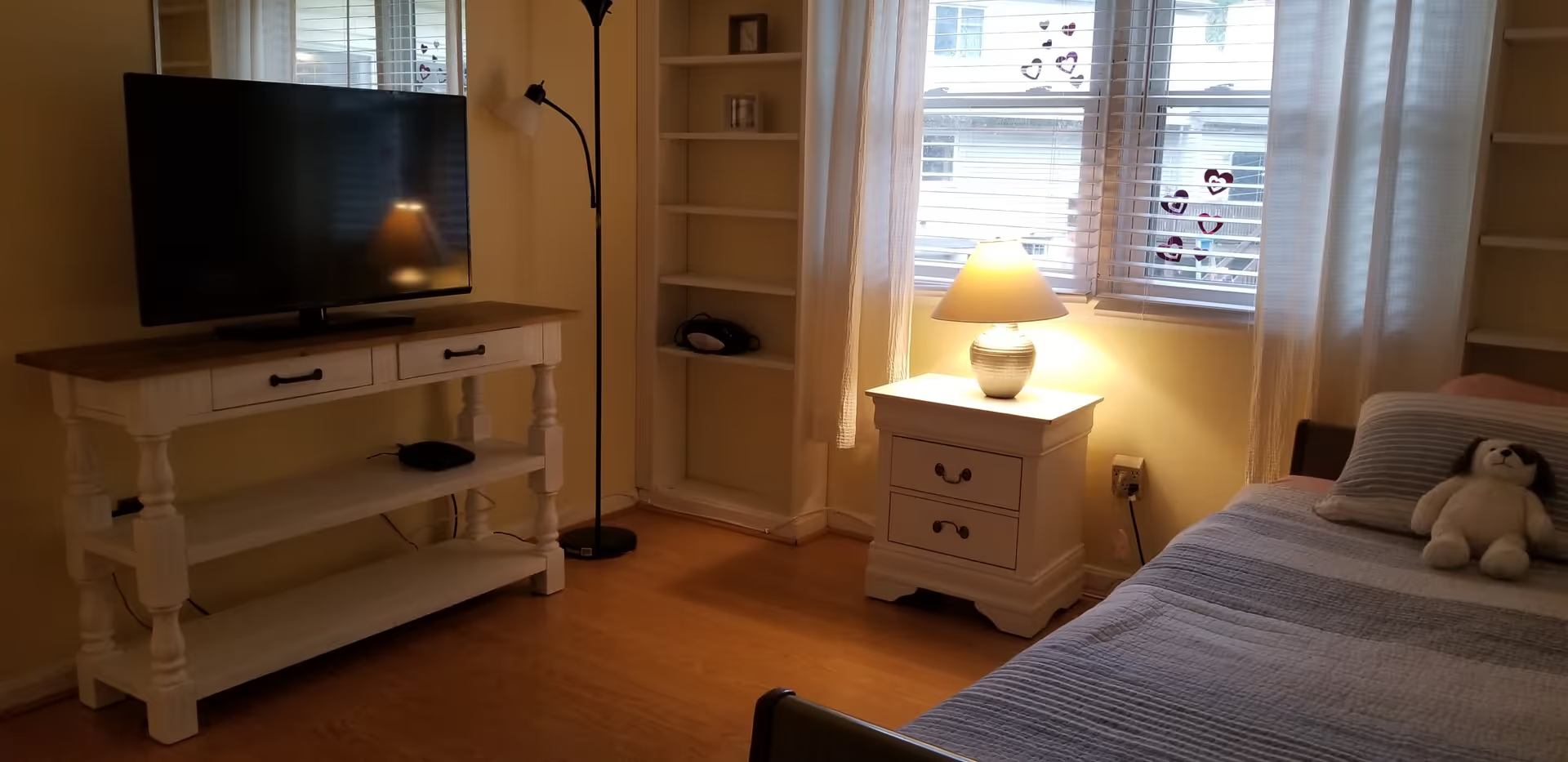
Ingleside at King Farm presents as an upscale, amenity-rich senior living community with many features that residents and families consistently praise. Apartment units are frequently described as spacious, bright, and finished with quality materials; many units include large bathrooms, private outdoor spaces, and design elements such as high ceilings and stone counters. The physical campus offers an indoor pool, well-equipped fitness areas, an art studio, salon services, a synagogue, and multiple gathering spaces both indoors and outdoors. Its location in the King Farm neighborhood—walkable shops, daycare nearby, shuttle service, and reasonably direct access to Metro and Washington, DC—adds to its appeal for families seeking convenience and community connections.
Programmatically, the community runs an extensive activities schedule that spans physical, cultural, and intellectual interests. Reviewers highlight strong exercise classes, lifelong-learning offerings, concerts, outings to regional arts venues, and regular social programming that help create a vibrant independent-living atmosphere. Housekeeping and general facility maintenance are frequently characterized as high quality, and many reviewers credit direct-care staff—nurses, aides, activity coordinators, and dining servers—with being compassionate, attentive, and personable.
Dining and clinical services garner mixed impressions. Several accounts describe pleasant dining venues and enjoyable meals (including brunches and family-meal support), while others note limited menu choices, occasional taste or quality issues, and practices perceived as inflexible or costly (box charges, strict ordering deadlines, and a generally high meal-plan cost). Clinically, the presence of on-site nursing and assisted-living support is a positive for many families; however, recurring themes include inconsistent emergency pendant response times and concerns about management of residents with cognitive or behavioral needs. These concerns include disruptions of activities, wandering or unattended residents with behavioral symptoms, and instances where families felt additional or external support was needed to manage higher-risk care needs.
Management, policies, and cost structure are important differentiators and sources of tension. Front-line staff and caregiving teams are frequently praised, but leadership and administrative communication receive mixed feedback—examples include concerns about reception-staff interactions, an abrasive tone in some administrative meetings, and perceived prioritization of operational convenience over resident preferences. Financially, the community operates with a buy-in and monthly-fee model; several reviewers emphasize that entrance fees, annual fee increases, extra charges, and the buy-in/refund process are significant financial considerations. Families described delays and complexity in refunds and contract-related disbursements, which suggests the need for prospective residents to review contract terms and exit/refund procedures carefully.
In summary, Ingleside at King Farm offers a high-end environment with substantial amenities, active programming, and many caring direct-care staff—attributes that make it a strong match for residents seeking an engaged independent-living experience with on-site services. Prospective residents and families should balance those strengths against concerns documented by others: variability in dining experience, uneven emergency response times, operational gaps in memory/supportive care and behavioral supervision on some units, and administrative or contractual practices that have led to frustration for some families. Those considering the community would benefit from on-site discussions about dementia-management protocols, emergency response performance, meal plan details and extra charges, and a careful review of financial contract terms before committing.