Experiences at Potomac Valley Rehab and Health vary substantially by resident, unit, shift, and time period. Many families and residents describe kind, attentive staff, useful rehabilitation, and a welcoming atmosphere; others raise serious concerns about responsiveness, clinical coordination, and day-to-day care. Positive accounts include residents who made functional gains and returned home, as well as long-term residents whose families valued the care provided. Other accounts describe declines in health, delayed recognition or escalation of medical changes, falls, medication discrepancies, and concerns about wound care. A few accounts describe deaths during or soon after a stay and question the clinical response and communication with family; the reviews alone cannot establish the causes of those outcomes.
Staff and communication are recurring strengths for some families and a major concern for others. Individual nurses, aides, therapists, social workers, and managers are praised for compassion, practical help, and keeping families informed. In contrast, other accounts describe lengthy waits after call-button use, difficulty reaching staff or physicians, poor handoffs between shifts, and limited follow-through on care instructions. Some families also report challenges with discharge planning, transportation, insurance paperwork, refunds, and access to medications or equipment. These varied accounts suggest that coordination and responsiveness may not be consistent across all situations.
Rehabilitation receives particularly mixed feedback. Several residents and families praise physical, occupational, and speech therapy, including individualized exercises, encouragement, and meaningful progress. One family described a substantial therapy schedule, while other accounts characterize sessions as brief or inconsistent and note limited weekend services. Dining feedback also ranges from good food, adequate portions, and nutrition support to complaints about cold or unappealing meals, limited options, and insufficient assistance with eating or drinking. Families considering the facility may want to ask how therapy schedules, nutrition monitoring, and individual care instructions are documented and communicated.
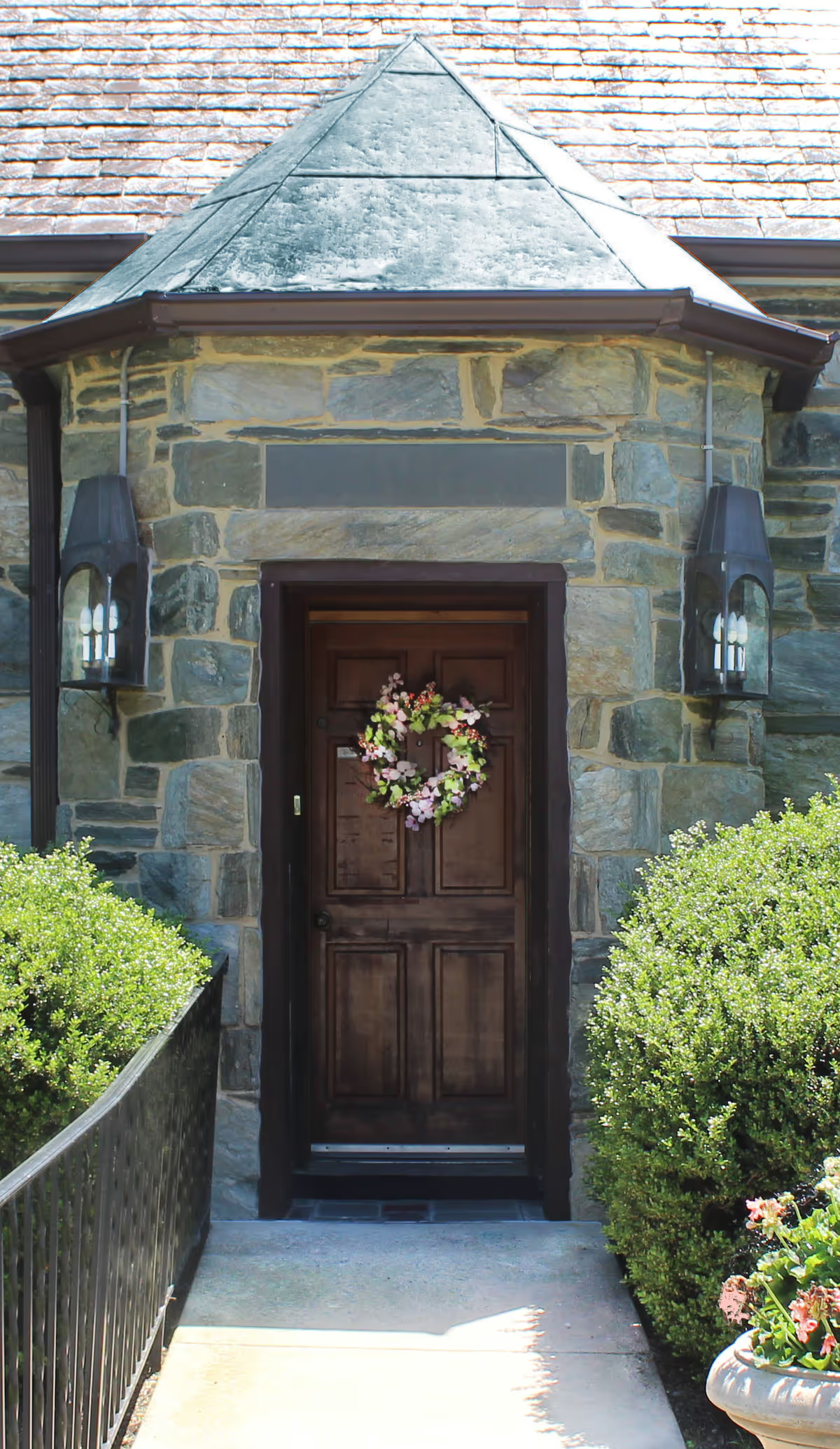
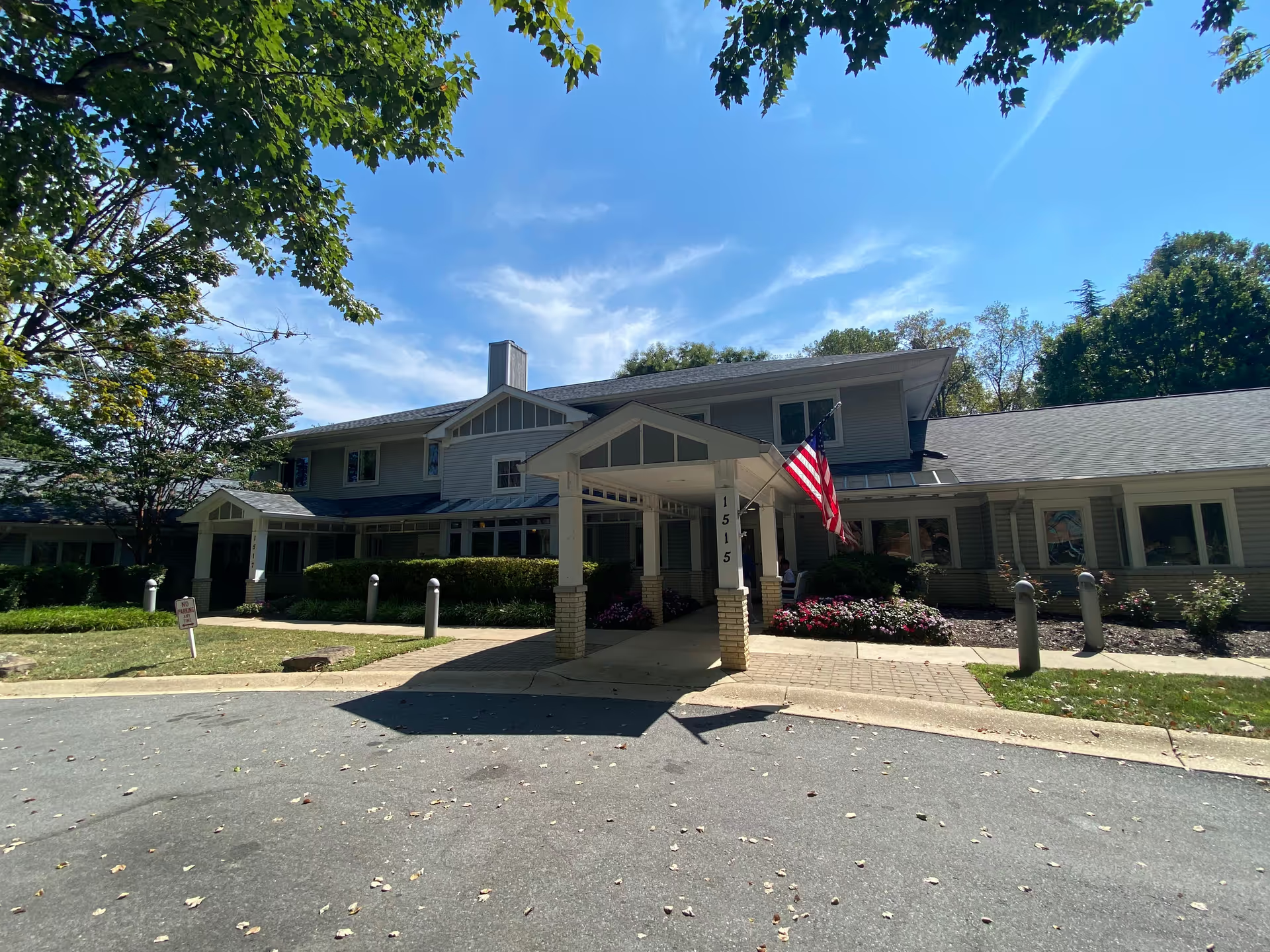
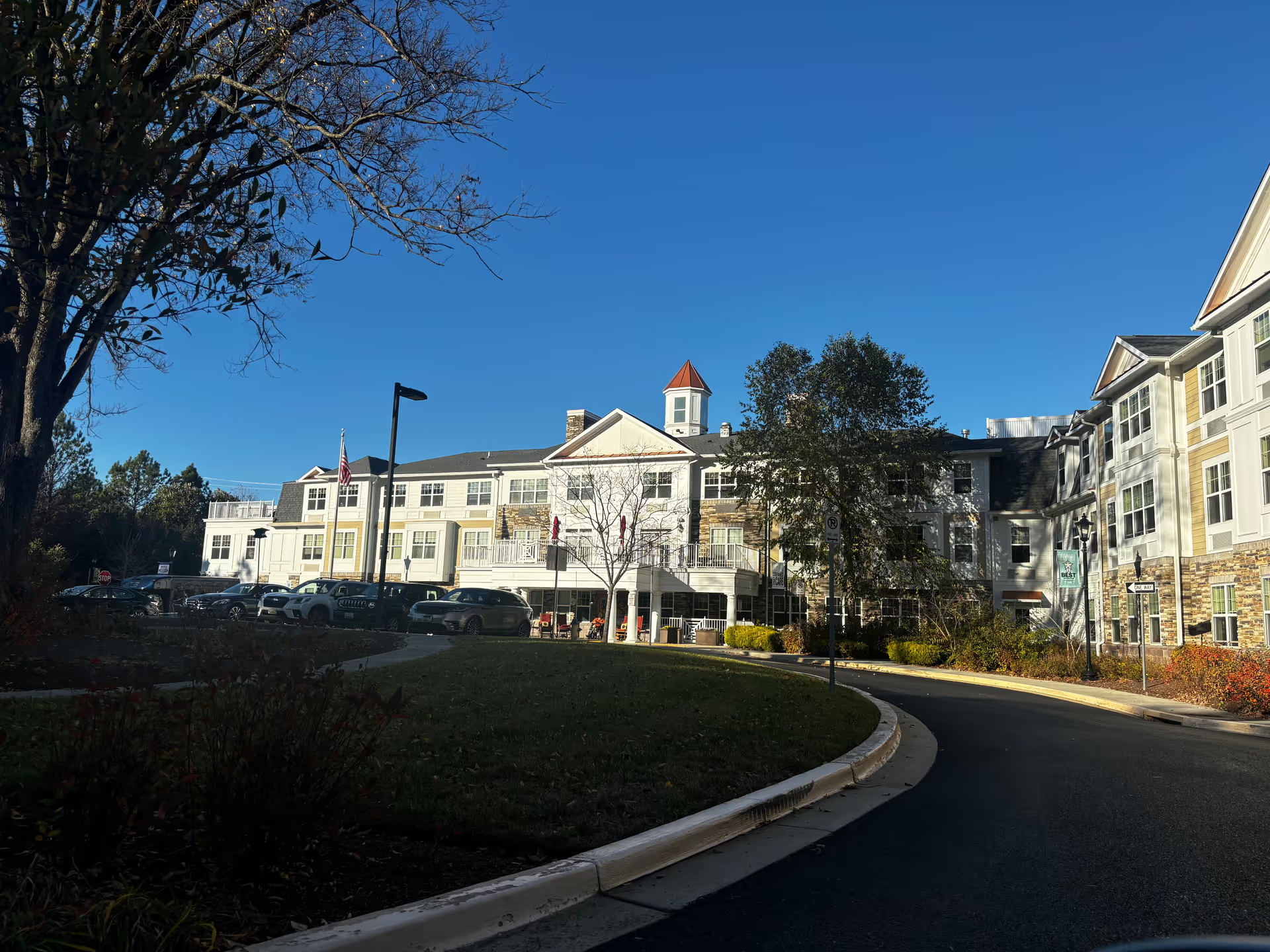
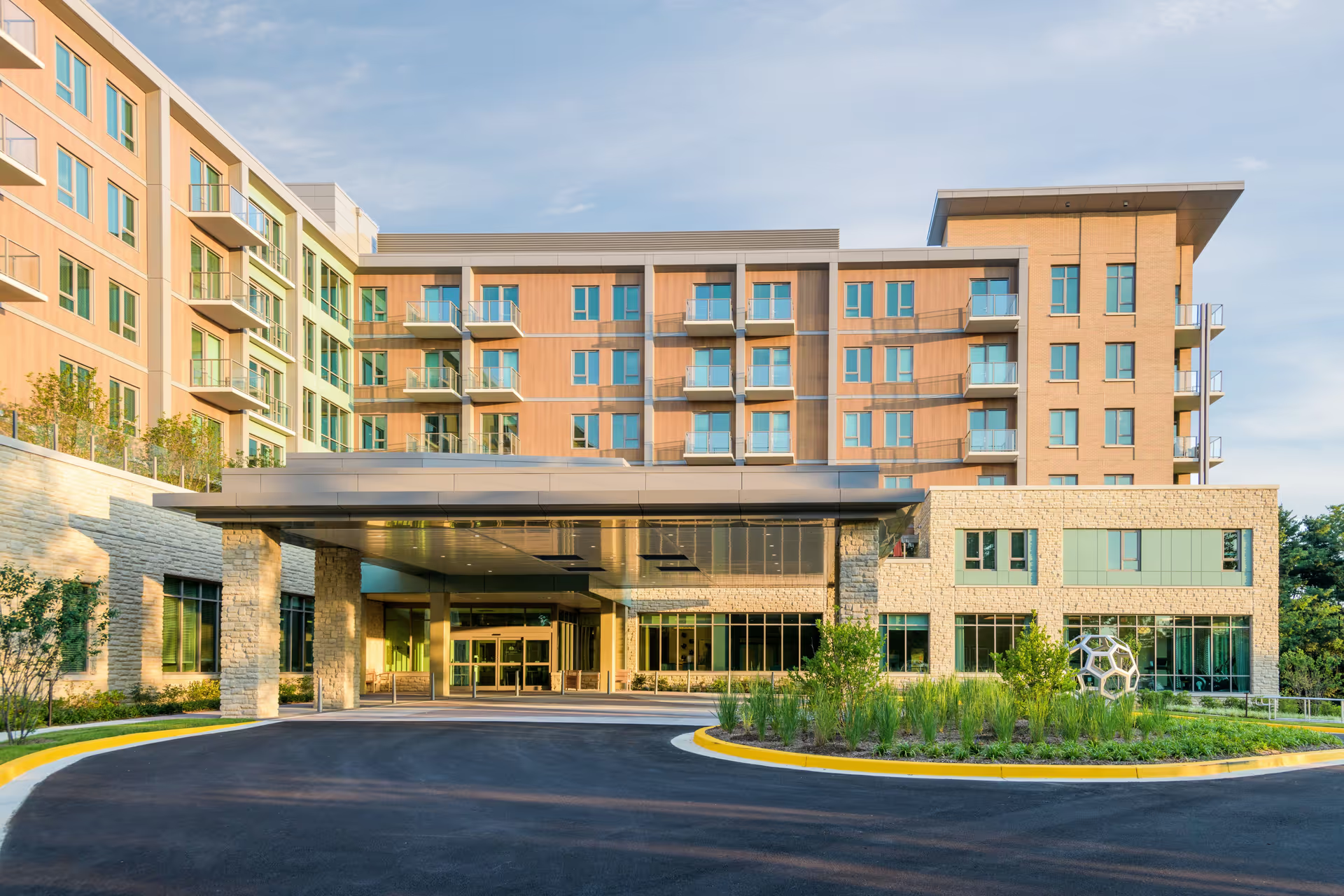
Activities are a prominent strength in many accounts. The Life Enrichment team is frequently praised for being energetic and inclusive, with programs such as bingo, music, dancing, crafts, educational sessions, and special events. Dementia and memory-care experiences are also mixed: some families describe attentive support and meaningful engagement, while others report difficulty meeting residents’ needs or communicating about care. The building is described by some as clean, bright, welcoming, and improved through renovations; other accounts mention older rooms, bathroom and housekeeping issues, odor concerns, limited linen availability, or noise that affected residents’ comfort. A pest-control concern appears in an individual account rather than as a broadly established pattern.
Overall, the reviews portray a facility with well-regarded activities and rehabilitation teams, along with staff members and programs that families value. They also identify meaningful variability in nursing responsiveness, clinical coordination, communication, personal care, and administrative processes. Prospective residents and families may wish to visit, speak with staff across shifts, ask how medical changes and outside-provider instructions are handled, and clarify therapy, meal support, discharge planning, and family-update practices before making a decision.