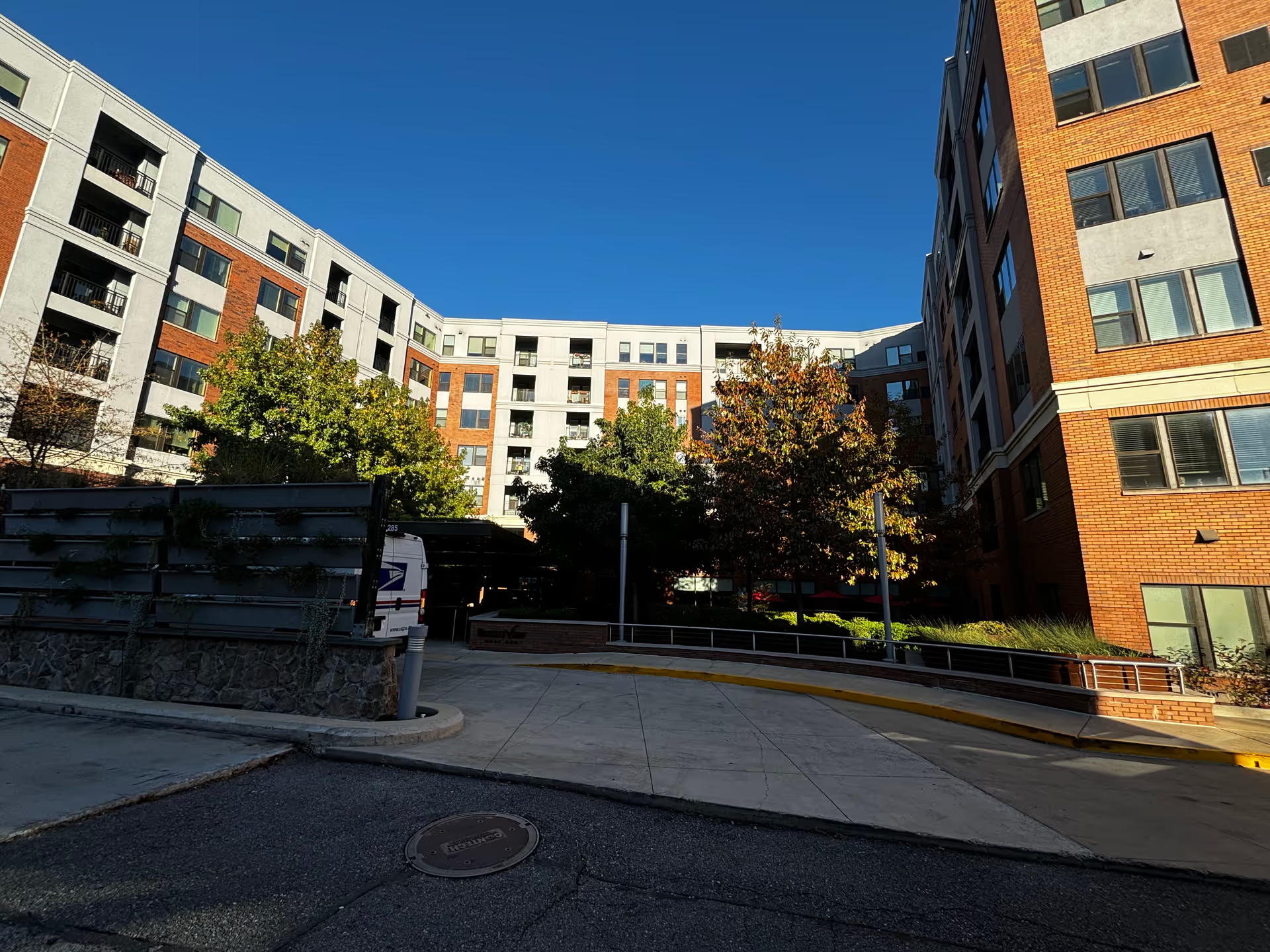
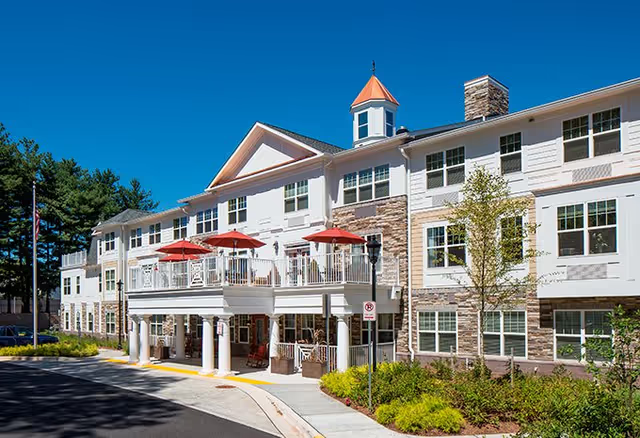
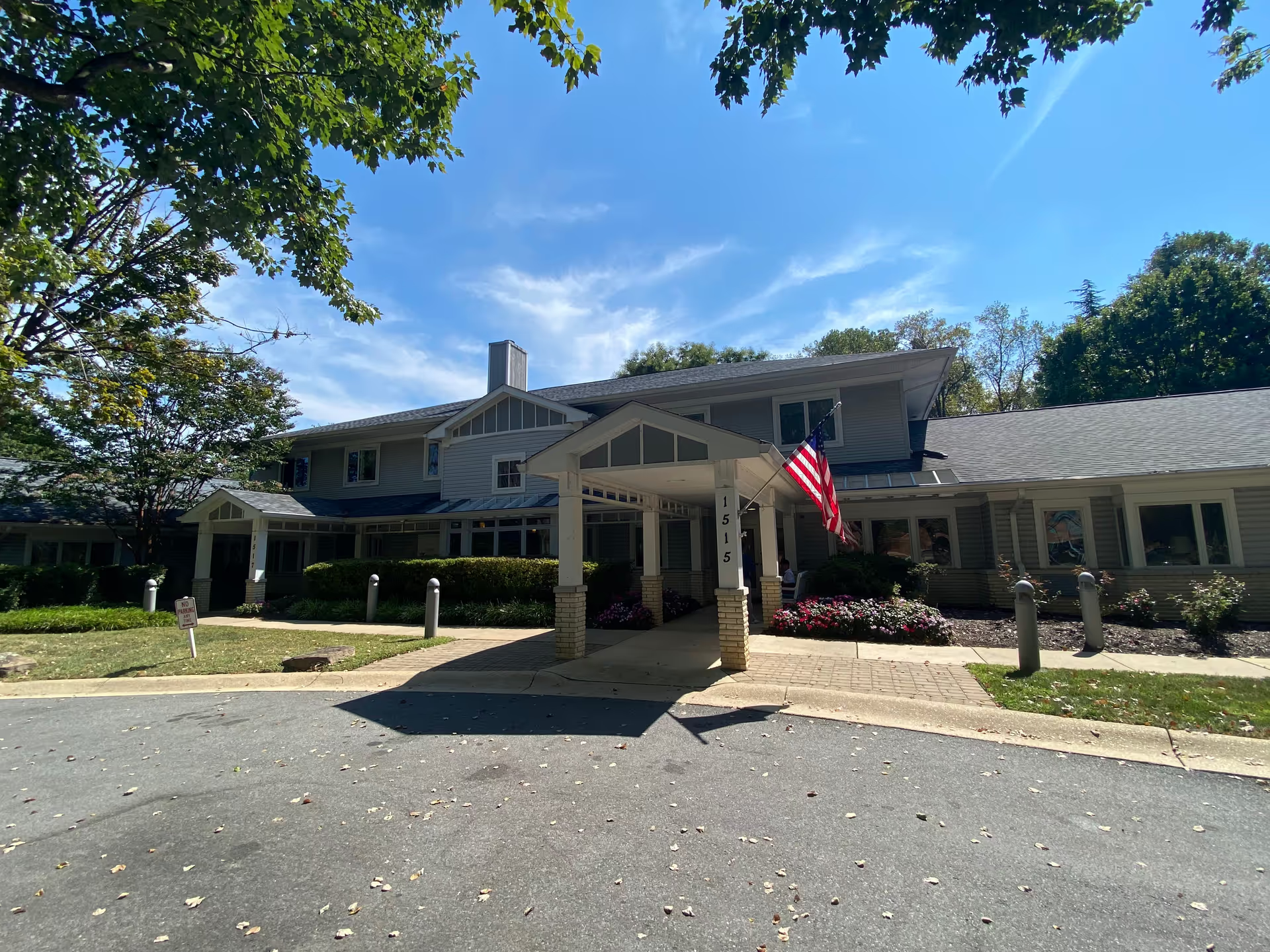
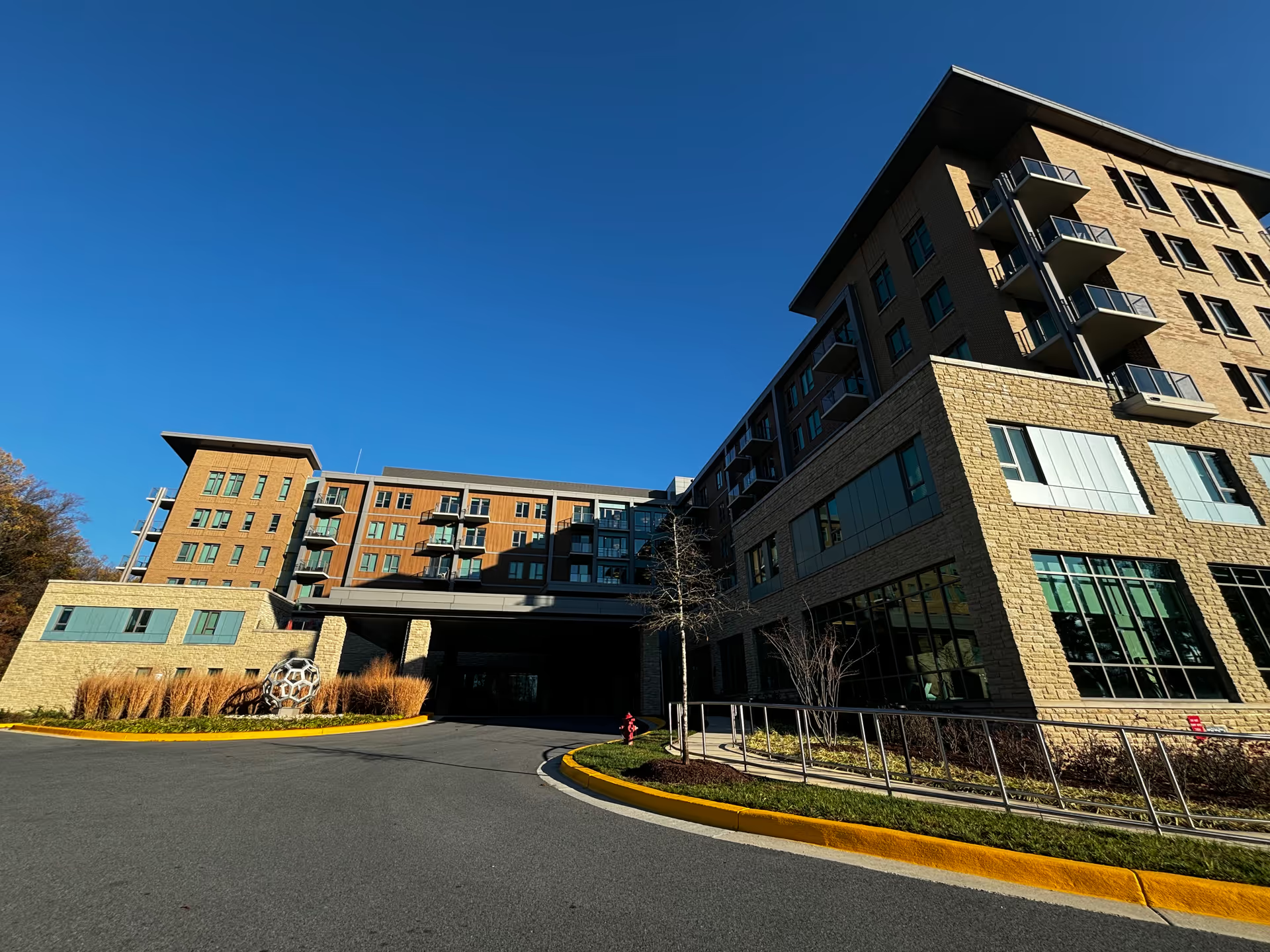
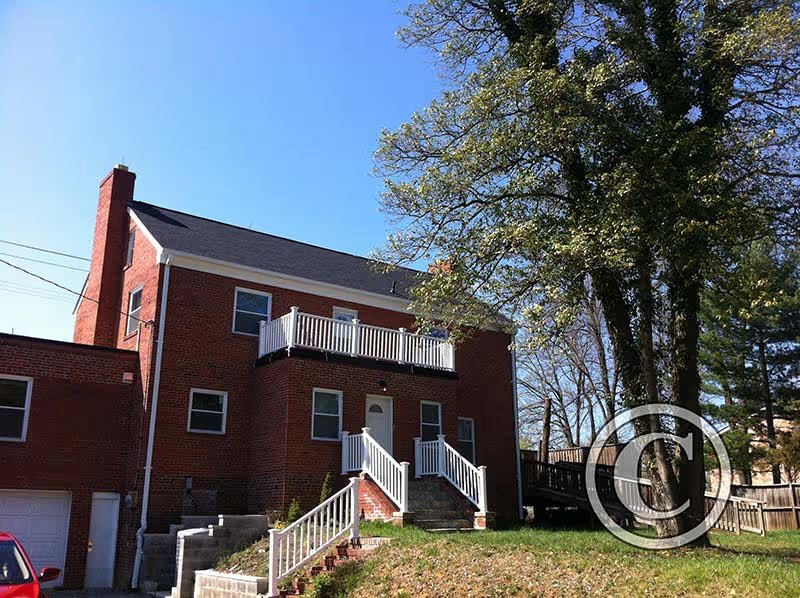
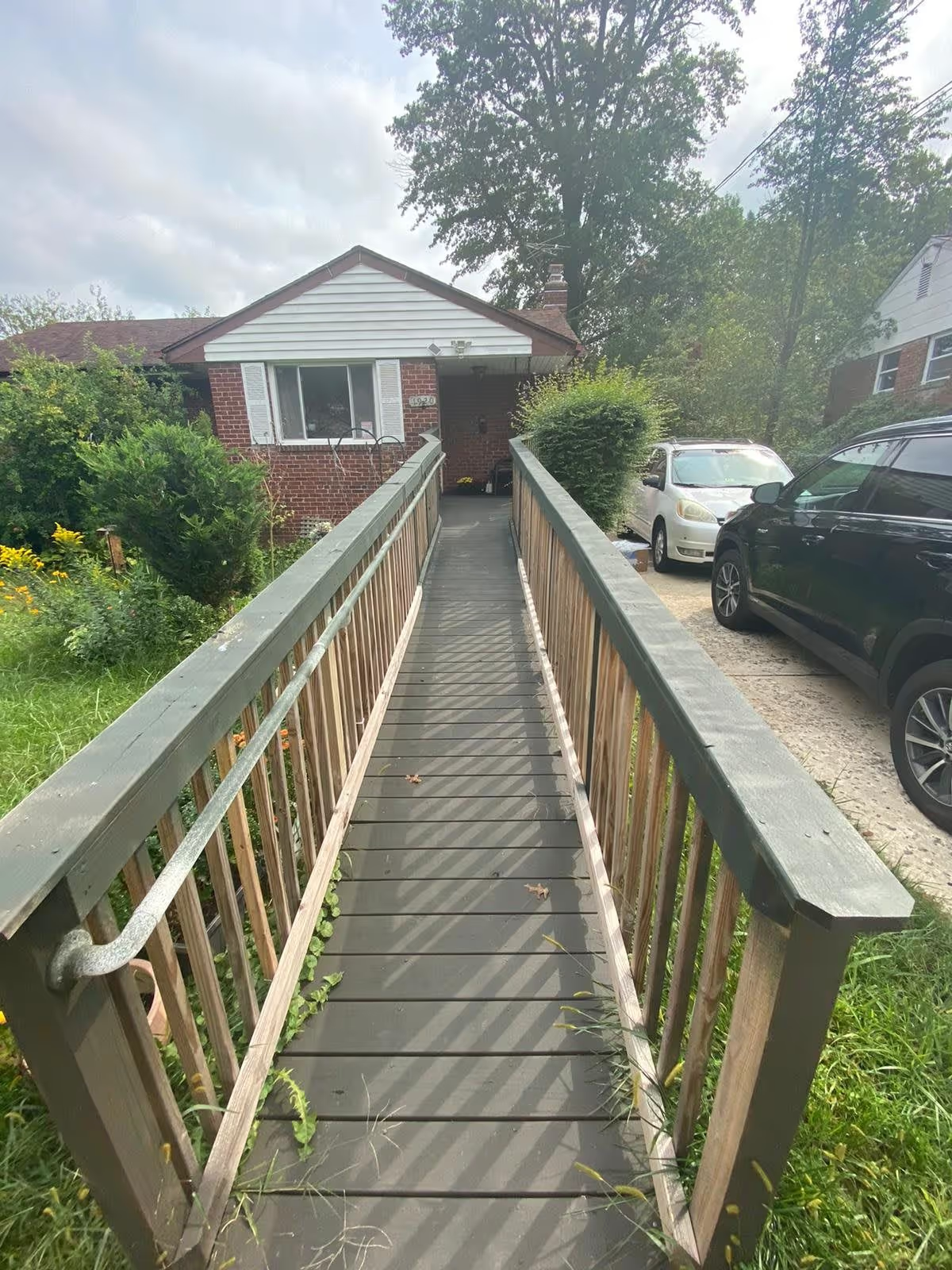
Sterling Care Rockville presents a highly mixed profile in family and patient feedback. Many accounts describe a facility with strong clinical strengths: an engaged therapy department (frequent praise for individual therapists and daily rehabilitation options), a team of compassionate nursing and aide staff, and an activities program that offers frequent social, recreational, and spiritual options. The building and grounds are repeatedly described as bright, renovated, and well maintained in public areas, with a park-adjacent location and accessible walking paths that support socialization and mobility-focused programming.
Care quality descriptions vary widely. Positive narratives emphasize attentive hands-on care, personalized attention, prompt therapy sessions, and effective short-stay rehab outcomes. Several reviewers singled out specific staff and department leaders for professionalism and compassionate bedside manner. Conversely, recurring operational concerns point to inconsistent staffing and coverage, which reviewers associate with delays in responding to resident calls, room-preparation and sanitation lapses, and variability in daily personal-care routines. There are also repeated mentions of pressure-injury risk management and incontinence-care delays as areas families want clarified during admission discussions.
Communication and clinical coordination are another area of divergence. Many families describe good organization, regular progress reports, and proactive administrators; others describe gaps in communication, delayed or missed updates, and inconsistent medication-administration practices. These issues manifest as delayed medications, late or cold meal deliveries, and unclear family notification processes. Several reviewers expressed serious concerns about management transparency and billing practices; there are isolated but serious allegations relating to financial access requests and disputed post‑mortem matters that prospective families should treat as issues warranting direct inquiry and documentation.
Dining and activities are generally strengths, with numerous comments about accommodating meal preparations, dietary adjustments, and a lively activities schedule that includes arts, music, outings, and religious services. At the same time, some reports cite inconsistent meal timing and temperature control, limited menu variety at times, and occasional supply shortages that affected service. Therapy services receive strong praise for skilled therapists and dedicated rehab staff, though some accounts describe limited therapy frequency for longer-stay patients and variability in intensity depending on staffing and scheduling.
Facility and management themes are mixed. The physical plant is often described as modern, bright, and clean in common areas; some rooms and wings are newer or recently renovated while other areas appear dated and may need cosmetic updates. Parking and visitor logistics are manageable but can be constrained; staff arrangements (e.g., using nearby church parking) are noted. Management receives both commendation for hands-on responsiveness and criticism for perceived lack of accountability; high staff turnover and inconsistent supervisory follow-through are cited as contributors to variable resident experiences.
Taken together, the pattern is one of polarization: families report either consistently high-quality, compassionate, and effective care or operational lapses that materially affect safety and comfort. Prospective residents and family members would benefit from a focused tour and targeted questions before placement: ask about typical staff-to-resident ratios per shift, call-bell response times and documentation, medication-administration protocols and notifications, private-room availability and bathing options, therapy frequency for expected length of stay, recent staffing turnover statistics, sanitation audits, and the facility’s financial-authority policies. Confirming these operational details in writing and observing staff–resident interactions during a visit will help set realistic expectations and identify whether the facility’s strengths align with the prospective resident’s needs.