Reviewers describe Brooke Grove Rehabilitation and Nursing Center as a facility with pronounced strengths in rehabilitation, campus amenities, and day-to-day programming, coupled with recurring operational weaknesses that influence clinical and long‑term care experiences.
Care quality: The facility's rehabilitation program is a consistent strength. Multiple reviewers praised the physical, occupational, and speech therapy teams for intensity (frequent two‑hour sessions cited), skill, and measurable functional gains such as stair‑climbing and improved mobility. For short‑term post‑acute stays and focused therapy goals, Brooke Grove is frequently characterized as effective. Nursing and overall clinical care are more variable in reviewers' accounts. Many families praised attentive, compassionate nurses and aides and named clinicians and social workers for positive coordination. However, other accounts describe inconsistent nursing performance, medication‑management concerns, and lapses in clinical responsiveness. These divergent accounts suggest that outcomes may depend on unit staffing and case complexity; families of medically complex residents were more likely to describe challenges and advised active oversight and advocacy.
Staff and management: Staff interactions are often cited as warm, personable, and family‑oriented — especially among admissions, therapy, social work, and some nursing personnel. Named employees received commendations for communication and care coordination. At the same time, recurring themes include understaffing (notably nights and weekends), high staff turnover, inconsistent staff training, and variable tone or professionalism among some frontline workers. Communication from administration is similarly mixed: some reviews describe proactive updates and smooth transitions, while others report slow or defensive responses, difficulty reaching staff, and limited physician accessibility. There are occasional, serious allegations relating to theft, integrity of reviews, and post‑event follow‑up; such claims amplify the need for prospective families to verify incident‑response procedures and escalation pathways.
Dining and activities: Dining receives generally positive feedback for menu variety, nutrition, and accommodating dietary needs; several reviewers praised spicy and appealing daily specials. Yet a subset of experiences notes inconsistent meal delivery, items delivered at incorrect temperatures, and occasional shortages of supplies. Activities programming is commonly described as robust — live music, crafts, trips, and structured dementia activities in a dedicated unit — contributing to resident engagement and a calm atmosphere for many residents.
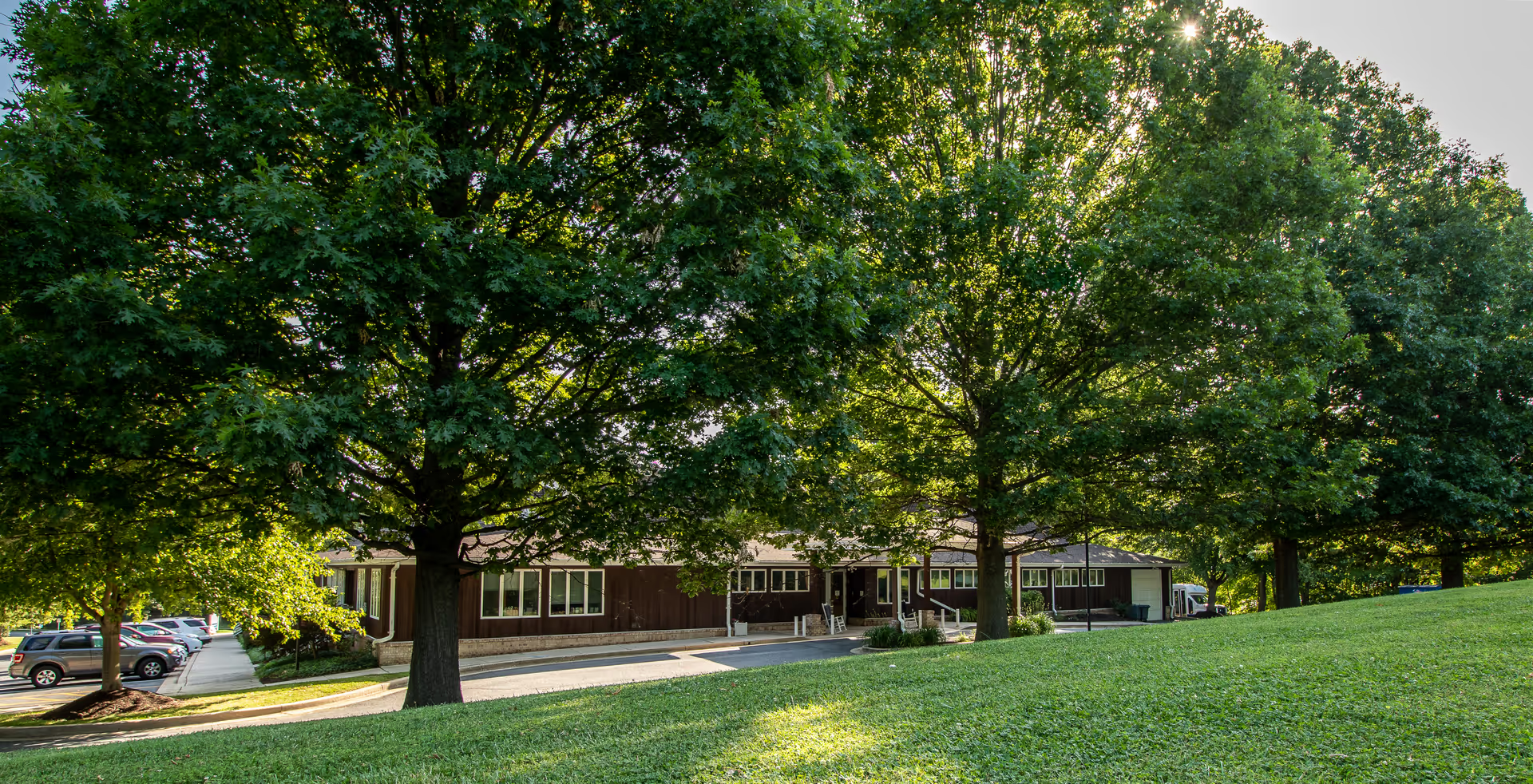
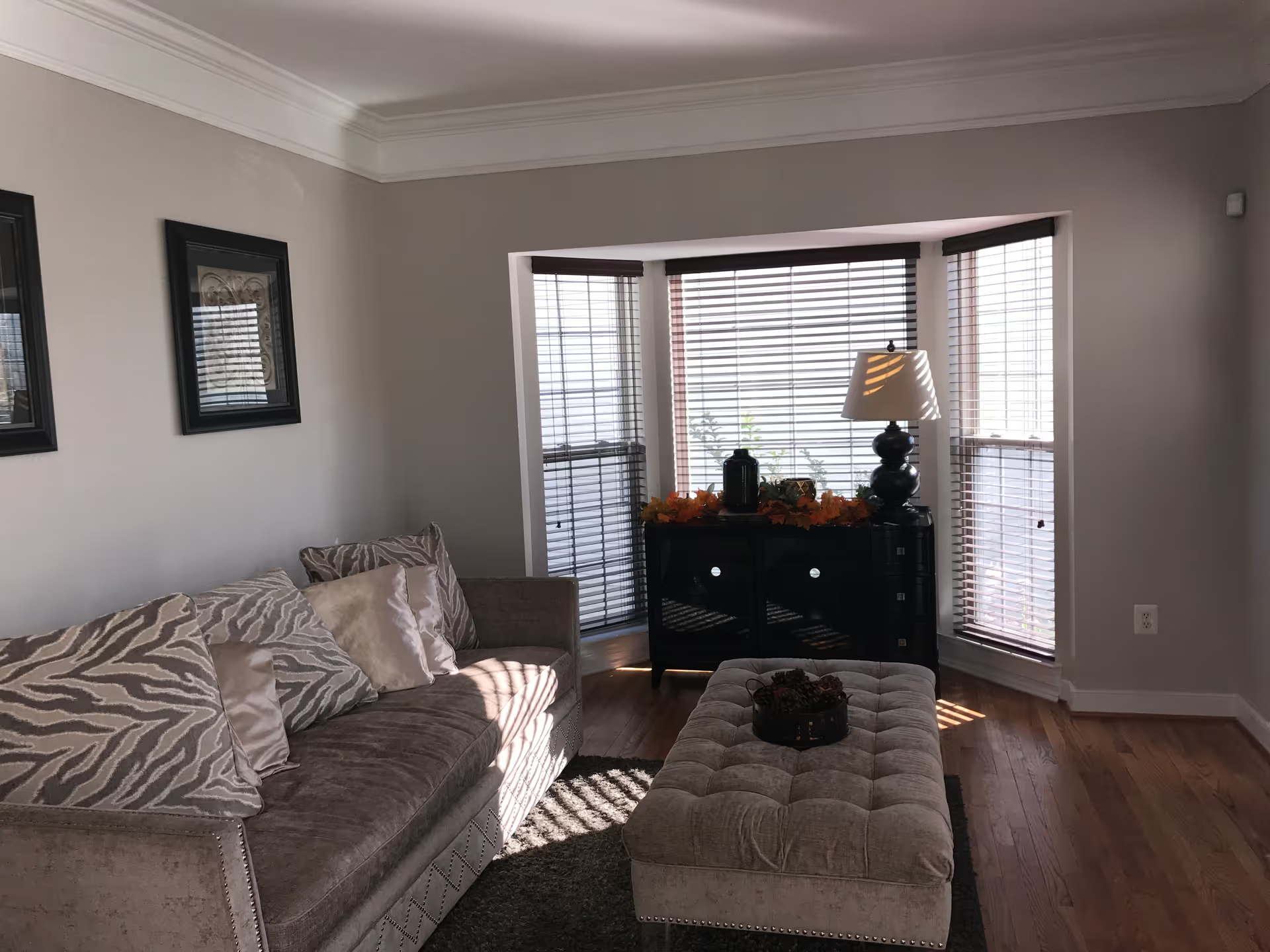
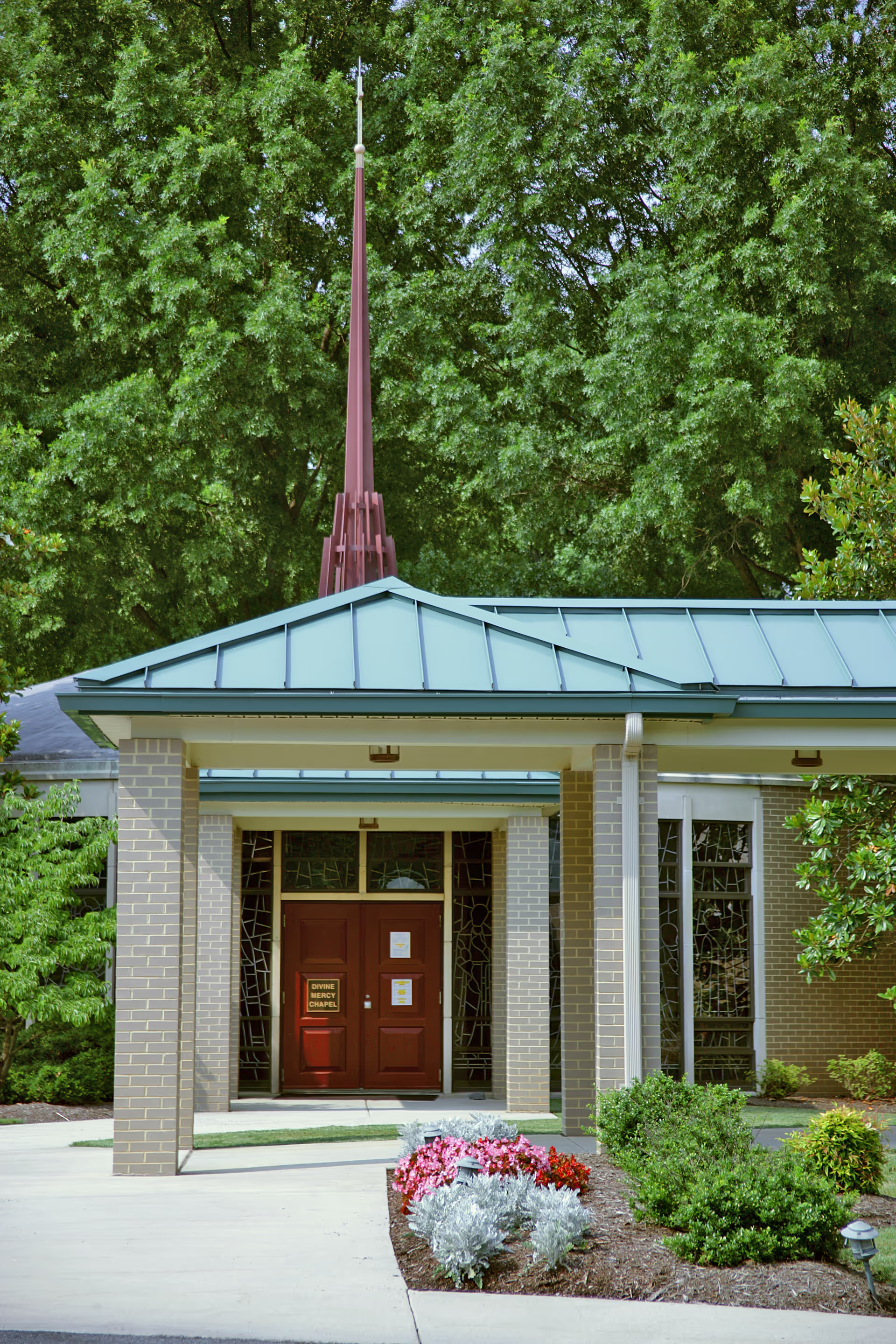
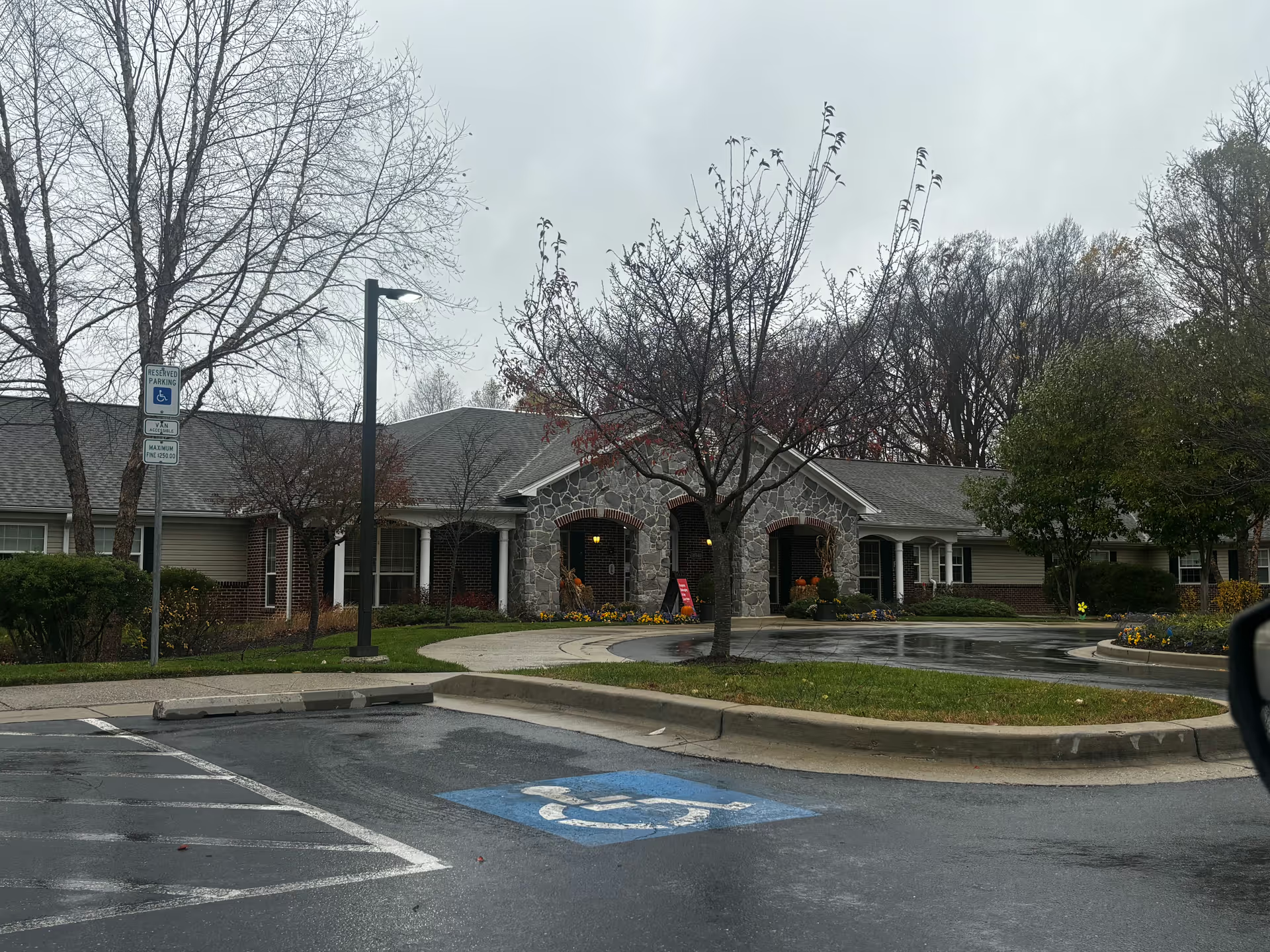
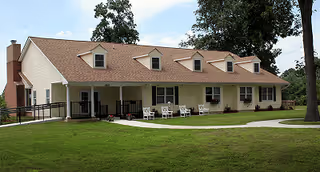
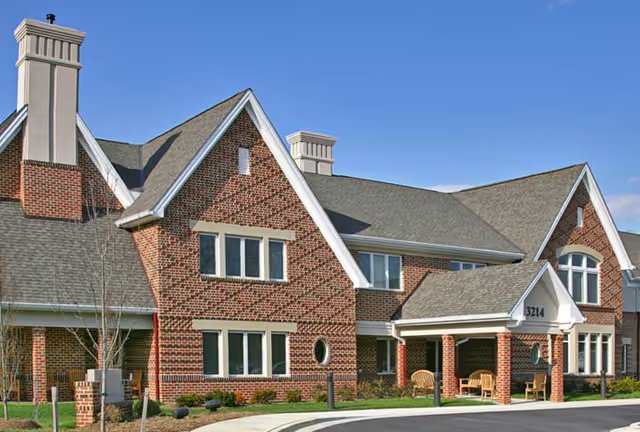
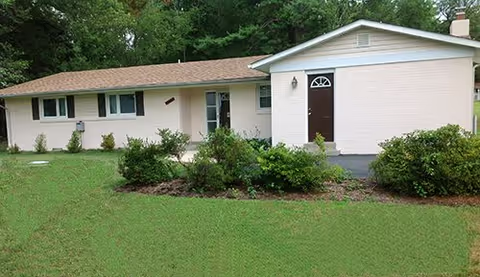
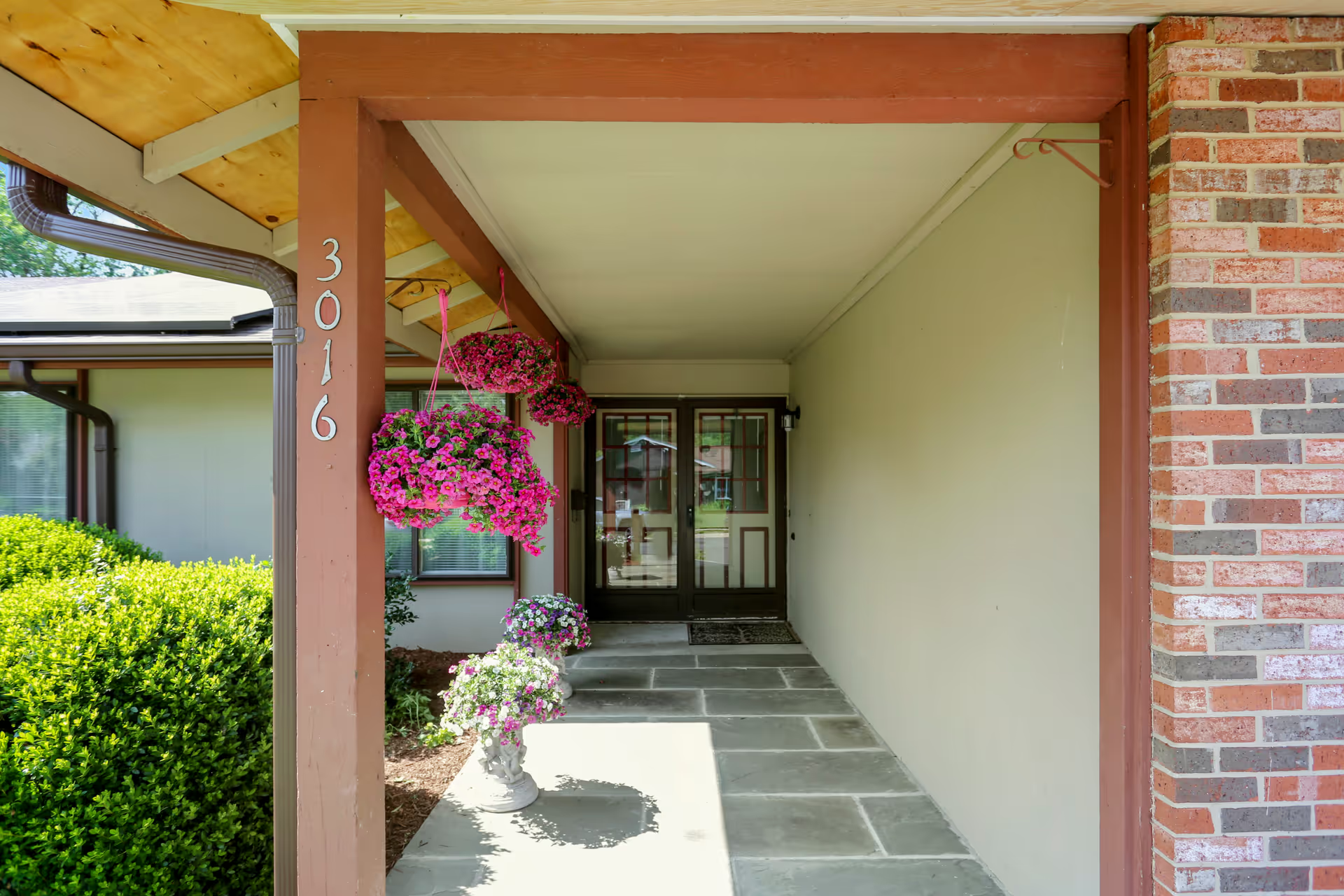
Facilities and safety: The campus and buildings are repeatedly described as clean, well‑maintained, and attractive, with pleasant grounds and an appealing rural setting. Private/semi‑private rooms, patios, and an accessible gym are noted advantages. Conversely, some reviewers raised concerns about security (theft and repeated break‑ins cited), gaps in surveillance or perimeter controls, and construction/parking limitations. Sanitation and overall cleanliness are praised in many reports, but a portion of feedback highlights localized sanitation or supply issues that should be assessed during a visit.
Notable patterns and practical guidance: Reviews are polarized — many highly positive accounts, particularly about rehab, and many serious operational complaints centered on staffing, responsiveness, medication oversight, and communication. This pattern suggests variable performance by unit, shift, and individual staff. Prospective residents and families should consider the facility strong for short‑term, therapy‑focused stays and for residents who primarily need rehabilitation services. For long‑term care or residents with complex medical needs, families should ask specific questions about nurse staffing ratios by shift, weekend coverage, call‑bell response times, medication administration protocols, incident reporting and follow‑up, and security measures. Visiting during both day and evening shifts, meeting the therapy team, and requesting recent staffing/inspection information can help determine alignment between the facility's strengths and an individual resident's needs.
Overall, Brooke Grove offers notable clinical rehabilitation resources, an attractive campus, and many examples of compassionate staff and engaging programming. Those positives are tempered by recurring operational issues that can affect day‑to‑day safety and satisfaction; careful, targeted inquiry and continued family advocacy are advisable when considering the facility.