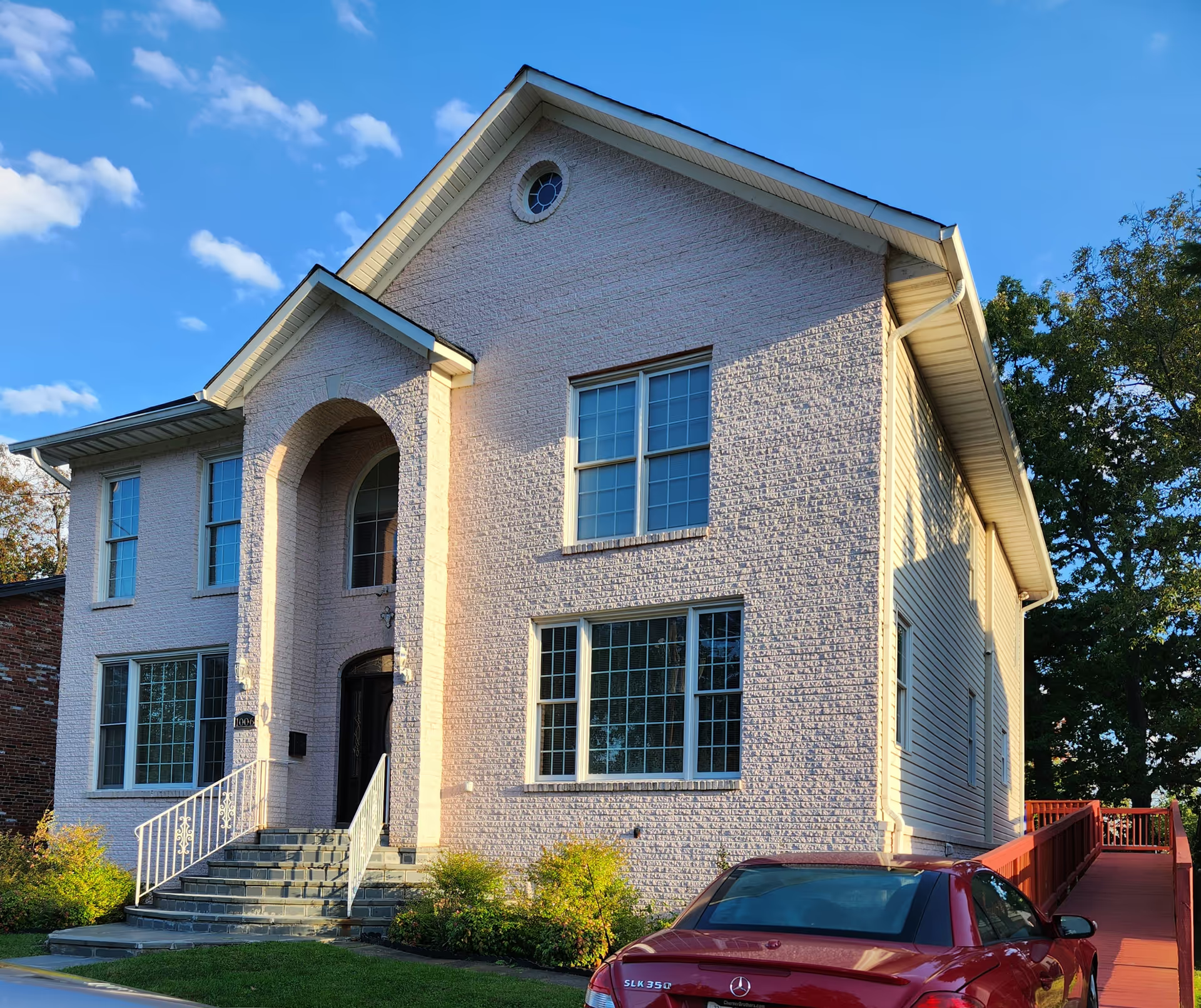
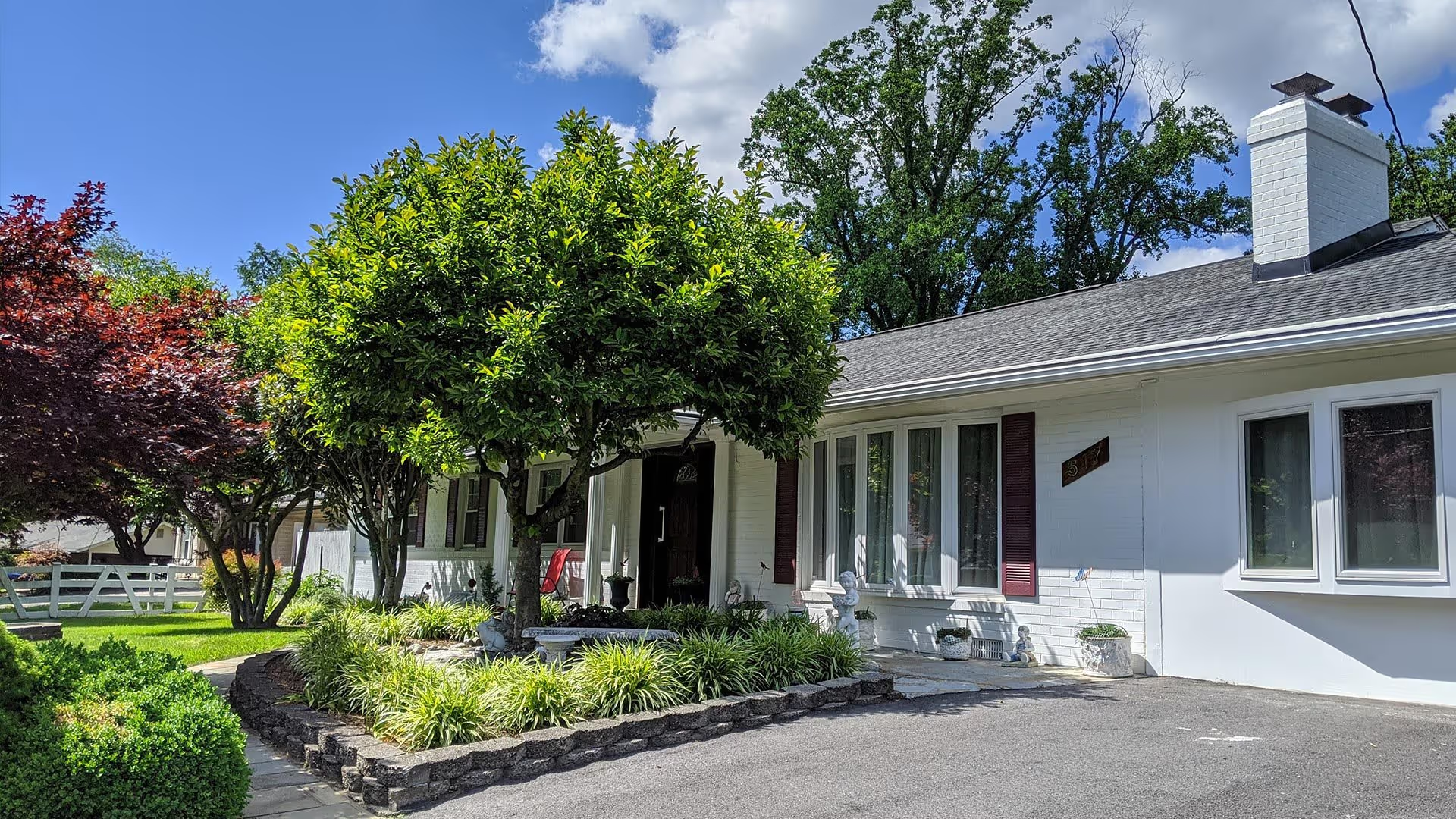
Across the collected summaries, the facility is repeatedly characterized by high-touch, individualized care delivered in a small, home-like setting. Reviewers emphasize attentive caregiving, frequent condition updates, and round-the-clock supervision; many comments highlight a respectful, family-like relationship between staff and residents. Clinical continuity for long-term care needs and end-of-life/hospice support also receive positive attention, and several accounts note successful rehabilitation outcomes for residents who required therapy.
The staffing and management model appears hands-on and owner-driven. Families consistently describe direct, responsive communication from owners and named staff, daily updates in hospice cases, and staff willingness to accommodate family requests. This approach yields strong perceptions of safety, timely responses to needs, and individualized care plans. The facility’s small scale and intimate atmosphere are framed positively by reviewers who prefer that model over larger high-rise or institutional settings.
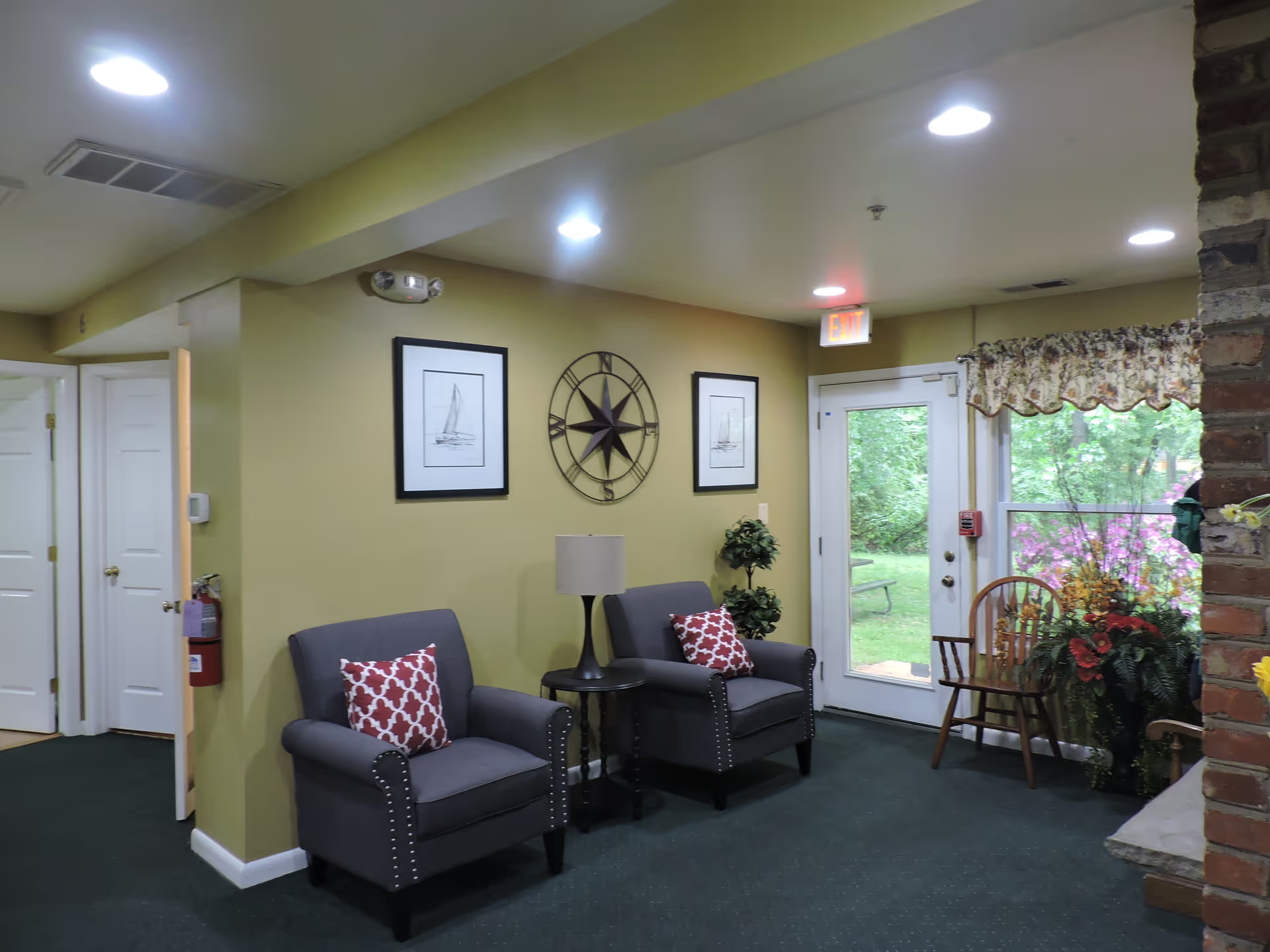
Dining and household services are another prominent strength. Multiple summaries cite home-cooked, appetizing meals and the ability to provide special dietary accommodations. Cleanliness and organization are repeatedly noted, and private rooms are available for residents who value privacy. The environment is described as quiet, comfortable, and secure, with staff frequently praised for conscientiousness and vigilance.
Notable operational patterns that prospective families should weigh include the facility’s limited emphasis on structured recreational programming and broader amenity offerings. The small, residential format that supports personalized care also tends to mean fewer on-site activity resources and fewer ancillary services than larger communities. Closely related is the dependence on key staff and owners for day-to-day operations; this produces strong continuity while those individuals are present but may present planning considerations if leadership or key personnel change. Finally, while routine and rehabilitative care have positive reports, families seeking extensive on-site specialized medical services should verify clinical capabilities before placement.
Overall, the reviews depict a well-run, attentive, and clean small-scale senior home that excels at personalized caregiving, household comforts, and family communication. For prospective residents and families, the primary trade-offs to evaluate are the relative paucity of formal activity programming and the limits of on-site specialized medical services compared with larger facilities, as well as contingency planning should key staff turnover occur.