Overall impression Layhill Nursing and Rehabilitation Center elicits a mixed set of impressions. Reviewers frequently praised the rehabilitation services and highlighted several caring, competent individual staff members. At the same time, a number of operational and clinical-safety concerns recur across accounts and warrant careful consideration by prospective residents and families.
Care and therapy Therapy services are a clear strength for many families: physical and occupational therapists and respiratory therapists were described as professional, diligent, and instrumental in building confidence for discharge home. Therapy availability (including six-day schedules and a well-equipped gym) and focused rehab plans were noted as contributors to functional progress. However, reviewers also documented gaps in care coordination — for example, incomplete therapy goals on discharge planning, missed therapy needs for specific limbs or tasks, and delayed physician updates — indicating variability in follow-through across the interdisciplinary team.
Staff and conduct Accounts describe a mix of highly supportive caregivers and concerning conduct or responsiveness in others. Positive mentions include attentive nurses, aides, and therapists who provided compassionate assistance. Conversely, recurring operational issues include understaffing, long overnight and daytime response times to call lights, and inconsistent professional conduct. Several reviewers raised serious concerns about staff behavior and called for formal investigation into specific incidents; these concerns point to a need for clearer accountability, supervision, and targeted training (particularly dementia-specific training for frontline staff).
Safety, medications, and clinical coordination Multiple reviews described operational shortcomings that affect clinical safety: inconsistent fall-prevention practices and alarm usage, gaps in medication and allergy-administration controls, and delays in clinician communication and discharge planning. These are framed as systemic weaknesses rather than isolated events and suggest that strengthening protocols for medication/allergy checks, fall-risk management, and interdisciplinary handoffs could reduce risk and improve family confidence.
Dining and activities Dining received generally favorable comments about food quality, variety, and portion sizes; some reviewers specifically noted enjoyable items and an overall adequate menu. At the same time, there were intermittent complaints about meal delivery timing and cold lunches. Activities and amenities — movies, reading rooms, board games, and an outdoor courtyard — were available and appreciated, though mobility-limited residents naturally had less participation. Room configurations (narrow doubles and some cramped single rooms) and variable staffing can limit activity access for some residents.
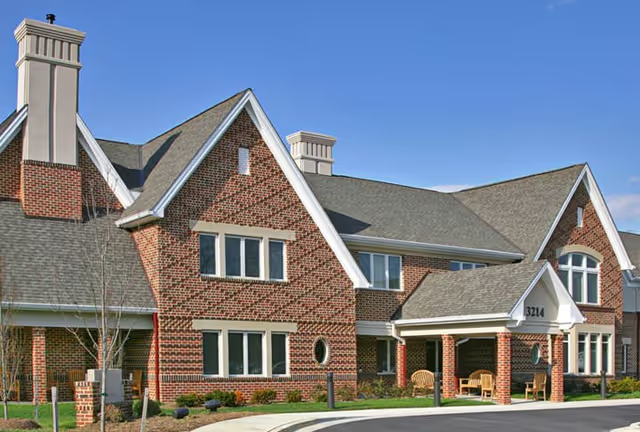
Facilities, cleanliness, and maintenance Many reviewers described clean, bright rooms with comfortable furnishings, effective air conditioning, and pleasant outdoor views. The therapy gym and common spaces were often described as spacious and well maintained. However, other reviews cited sanitation and maintenance inconsistencies (including HVAC issues and wear-and-tear in areas), suggesting that facility upkeep may be variable across units or over time.
Management and communication Communication and administrative responsiveness emerged as a recurrent theme. Positive comments noted helpful individual staff and an engaged therapy director; contrasting comments described delayed physician updates, front-desk unresponsiveness, and unclear discharge communication. These patterns point to opportunities for clearer family communication protocols, more consistent clinical handoffs, and managerial attention to staffing levels and staff training.
Notable patterns and recommendations The facility shows strengths in rehabilitation and in the commitment of many individual caregivers, with environments that can be clean and comfortable. However, reviewers consistently flagged operational weaknesses that affect safety and family trust: staffing inconsistencies and slow response times, variable clinical coordination (including discharge planning), inconsistent medication/allergy controls, fall-prevention practice variability, and gaps in dementia-specific training and professional supervision. Given the severity of some conduct-related allegations, independent review and strengthened accountability processes are recommended. Prospective families should weigh the strong rehabilitation capabilities against the operational concerns above, ask specific questions about staffing ratios, alarm and fall-prevention policies, allergy/medication protocols, dementia training, and the facility’s process for investigating conduct complaints before making a placement decision.