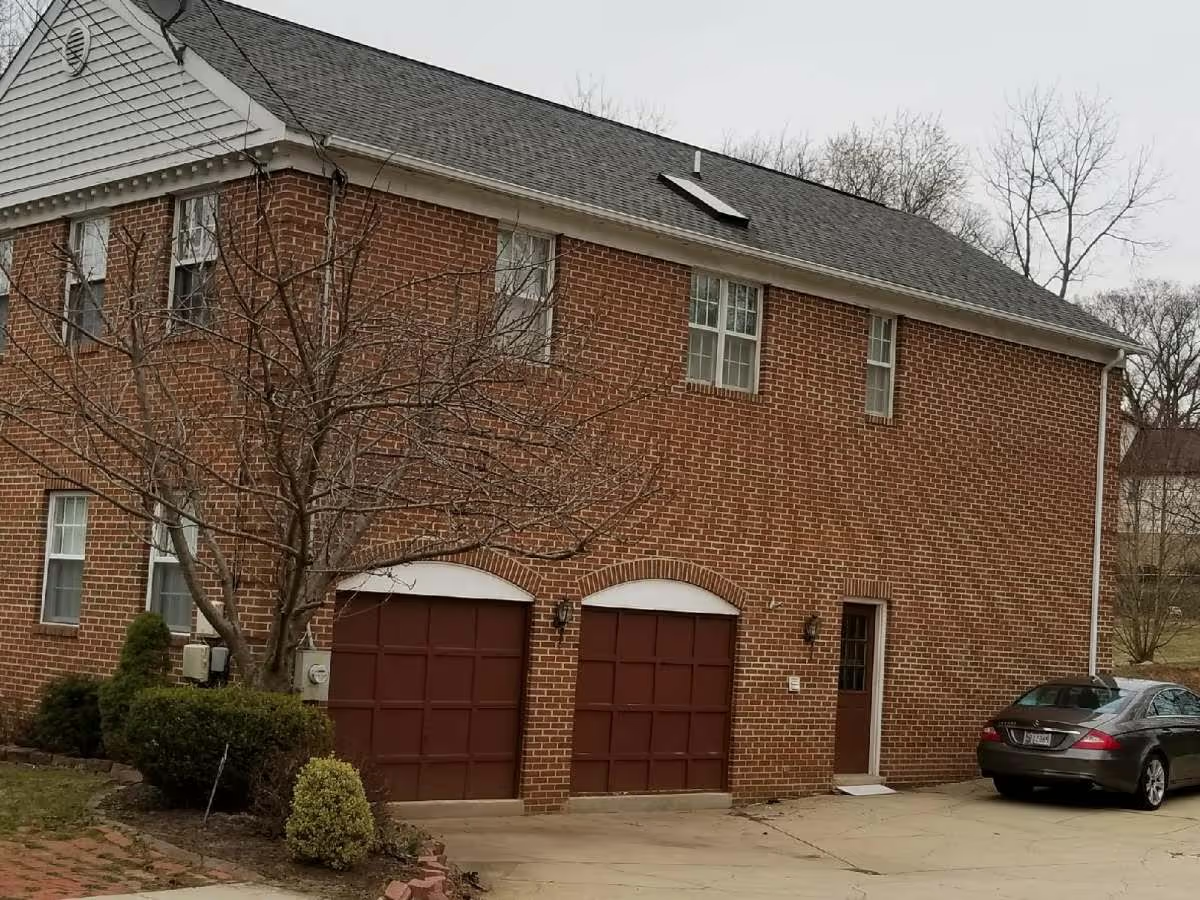
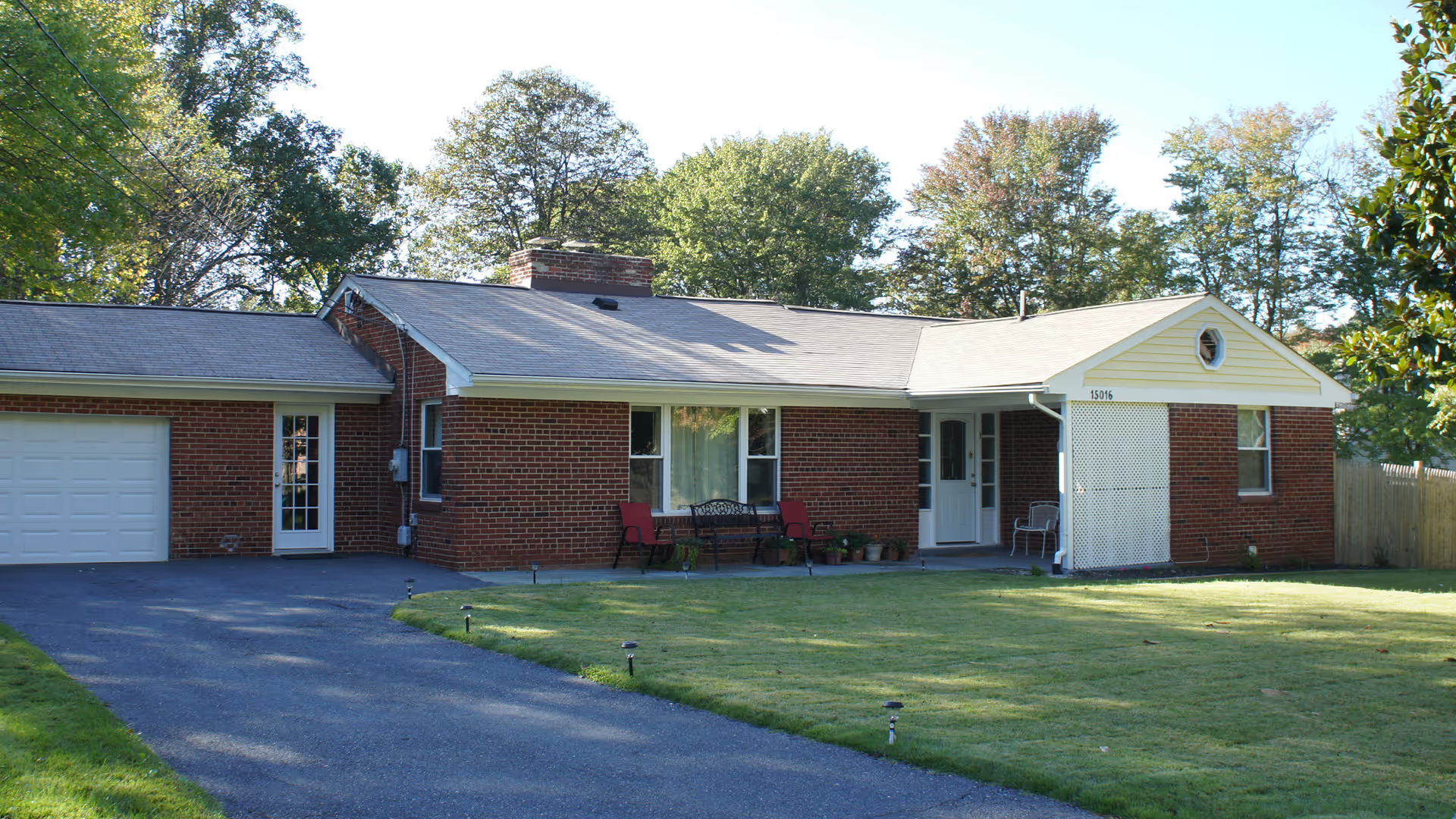
The Landing of Silver Spring presents as a newer, well-maintained suburban memory-care and assisted-living campus with a bright, home-like atmosphere. Many reviewers praise the facility's physical environment—spacious, sunlit studios and one-bedroom units, accessible bathrooms and safety adaptations, a welcoming lobby, and well-kept grounds and gardens. Common strengths include plentiful social spaces, a sizable two-story dining room, and a memory-care program that several families described positively.
Staff and clinical care receive mixed but often favorable commentary. Numerous accounts highlight compassionate, upbeat caregivers, attentive front-desk and dining staff, professional nursing involvement, and prompt responses to call buttons. Families frequently noted support during transitions, help with move-in logistics, and proactive maintenance and housekeeping. At the same time, there are substantive concerns about inconsistency: reviewers describe variability in staff professionalism and clinical responsiveness. Some families reported situations that suggest gaps in day-to-day care consistency; these pattern-level issues are reinforced by mentions of significant staff and management turnover, which several reviewers linked to uneven experiences.
Dining and activities are prominent selling points for many families. Positive notes emphasize well-plated meals, varied menus with themed dinners, and an engaging calendar including Bingo, exercise programs, movies, and field trips. Conversely, other reviewers described mediocre meal experiences and activity programming that did not always match the posted calendar, indicating variability in both quality and reliability of offerings.
Management and operations show a split picture. Some reviewers praised recent leadership changes and cited measurable improvements in professionalism, responsiveness, and family communication. Admissions and transition staff received specific commendation for rapid placement and individual attention. However, recurring themes also include high turnover, communication lapses around clinical changes or incidents, and inconsistent application of placement and level-of-care policies; a few family accounts described contentious placement decisions and concerns about how those decisions were communicated. There is at least one serious allegation of inappropriate staff conduct that families should consider when conducting due diligence.
Overall pattern: experiences range from highly positive (residents flourishing, families feeling peace of mind) to critical (perceived declines in day-to-day care, activity delivery shortfalls, and concerns about management stability). Prospective residents and families would benefit from an on-site visit that includes: observing evening and weekend staffing, sampling meals, reviewing the most recent state inspection and staffing-stability metrics, asking for written policies on placement and level-of-care transitions, and requesting a current activity schedule with examples of recent events. These steps can help determine whether the facility's strong environment and memory-care services align with an individual resident's needs and expectations for consistent daily care.