Reviews present a mixed but consistent pattern: the facility is regularly praised for its rehabilitation capabilities and the compassion of many direct-care staff, while operational shortcomings raise measurable concerns for prospective residents and families.
Care quality and clinical management: Multiple accounts emphasize effective physical and occupational therapy programs and dedicated rehab leadership, with specific staff and teams named for producing good outcomes. Nursing staff are often described as attentive and caring, and aides are frequently characterized as respectful and supportive. Counterbalancing those positives are recurrent concerns about clinical monitoring and nutrition management, including reports of missed or delayed care events and related emergency transfers. Reviewers describe incontinence-care delays and other sanitation concerns that suggest inconsistent implementation of basic care protocols in some shifts or units.
Staffing and communication: Admissions coordination and family communication receive positive mention, with several staff members singled out as helpful and proactive. At the same time, reviewers describe inconsistent staffing patterns, particularly on second shifts, and the presence of agency/travel staff that can affect continuity of care. There are also criticisms about staff conduct and responsiveness in particular cases; families praise some leaders while noting variability across the staff roster.
Dining and activities: Dining is a recurring area of dissatisfaction for some families. Concerns include inconsistent food quality, limited diabetic-friendly or low-carbohydrate options, and occasional lapses in meal service details (for example, missing condiments). Activity programming and communal space are described as limited by the facility's size: narrow corridors, small visiting rooms, and constrained common areas contribute to fewer visible resident activities and reduced capacity for larger family gatherings.
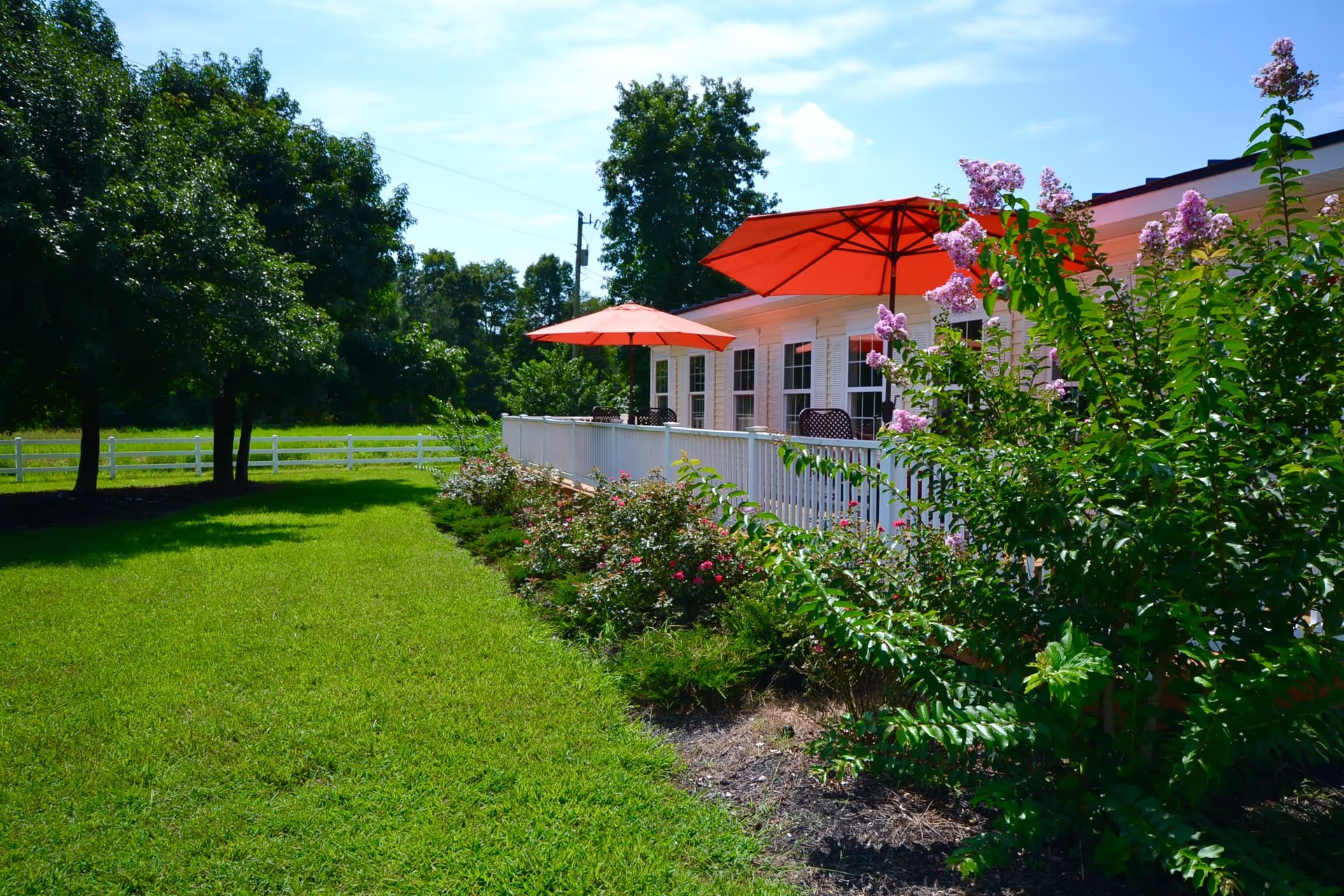
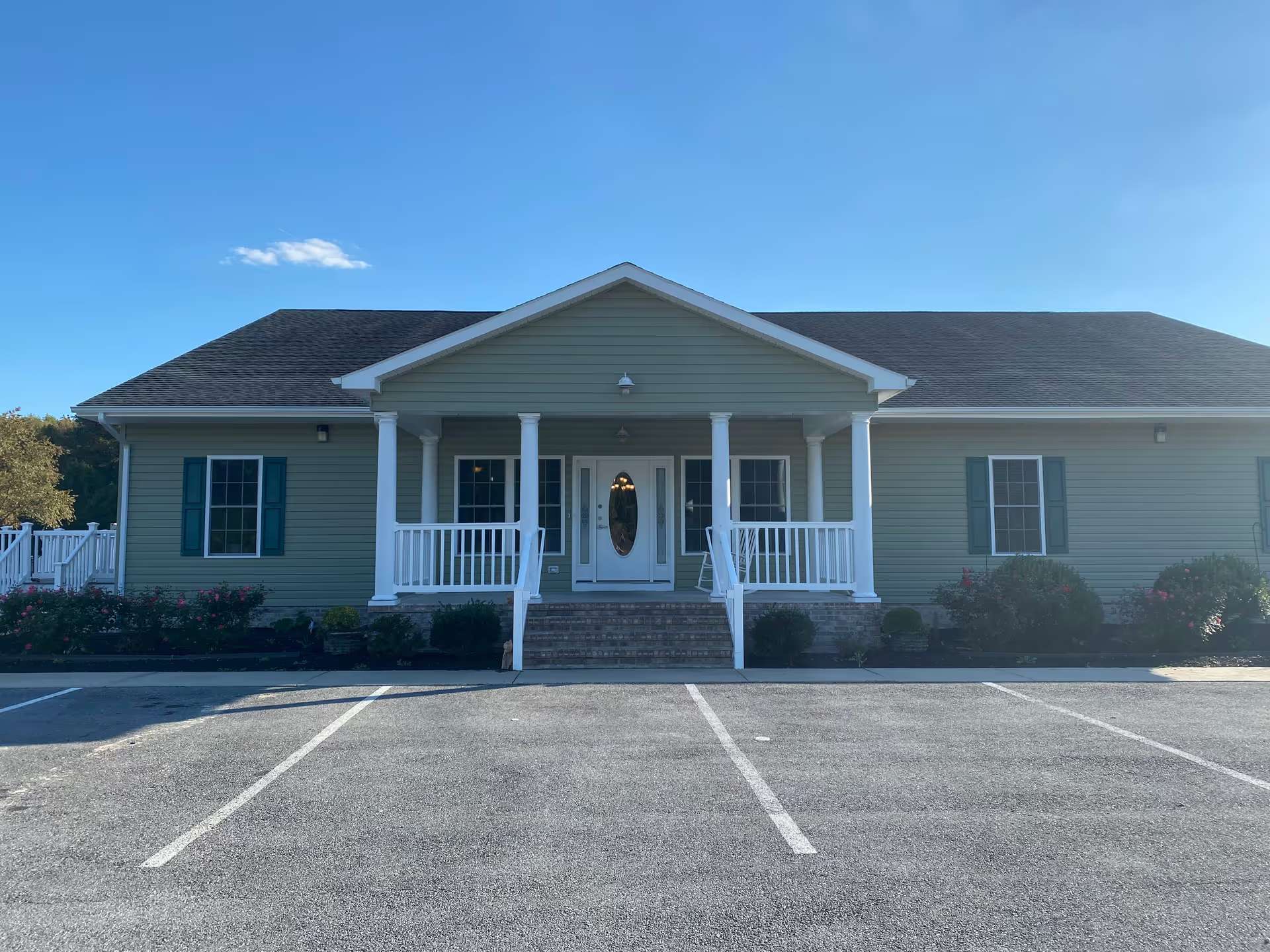
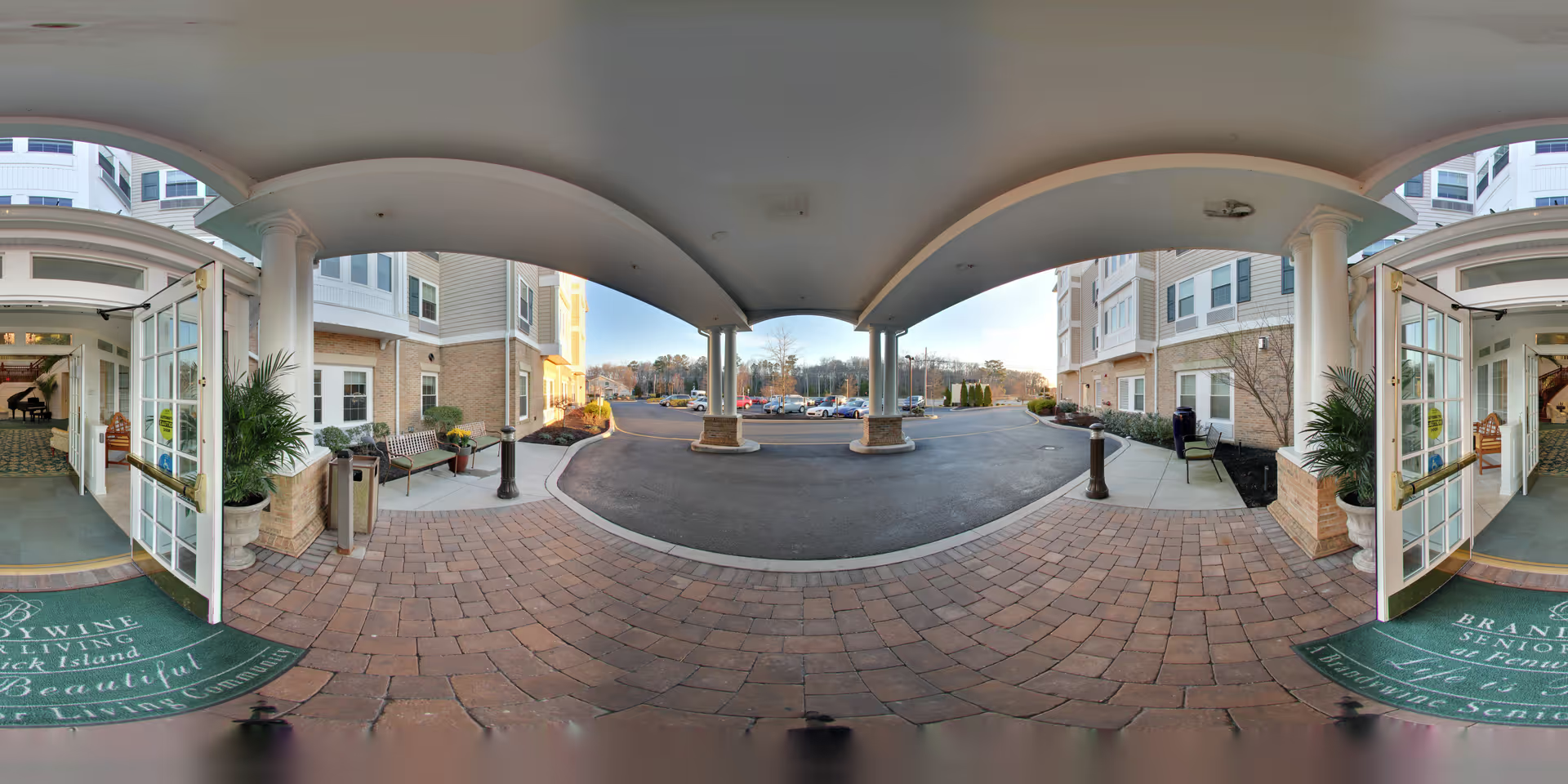
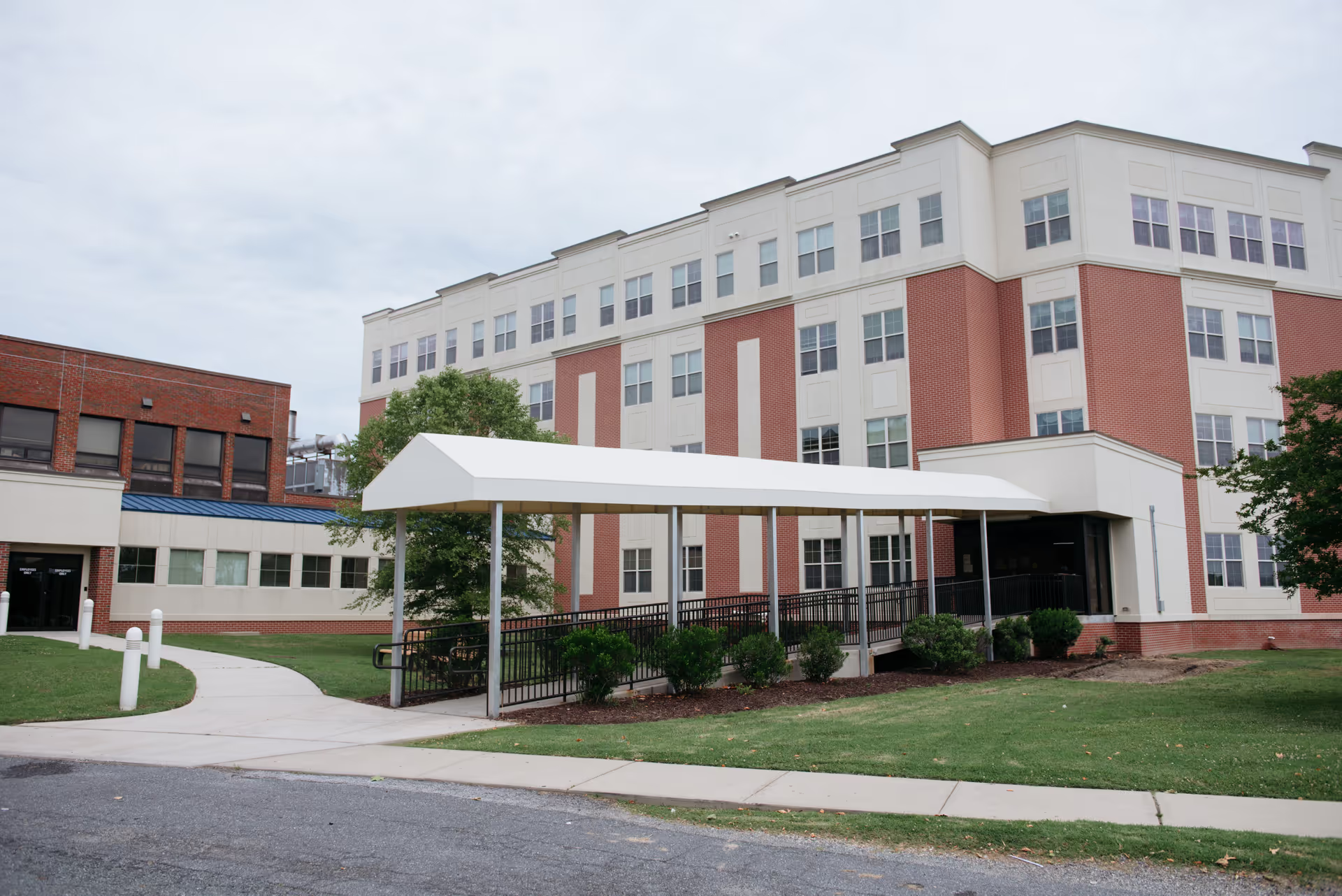
Facilities and environmental safety: Many reviewers find the facility clean and peaceful, and ongoing renovations are visible and appreciated by some. Conversely, there are specific concerns about maintenance and safety—examples include deteriorating ceiling elements, exposed wiring, and interruptions from renovation work that generated paint or dust exposure. These issues point to uneven facility upkeep and the need for stronger renovation management and air-quality controls to minimize resident exposure during construction.
Management, logistics, and accountability: Administrative responsiveness receives praise in multiple accounts, particularly during admissions and benefit coordination. However, other reviewers describe inconsistent leadership, billing disputes, supply shortages, and questions about property safeguards. There are allegations of missing valuables and instances of billing for services families say were not received; these raise broader questions about accountability, inventory controls, and financial processes.
Notable patterns and guidance for families: The overall picture is polarized—many families report excellent rehabilitation outcomes and compassionate day-to-day care, while others report operational breakdowns that they felt had significant clinical or safety consequences. Prospective residents and families should prioritize an in-person visit during an active care shift, inquire about staffing ratios and second-shift coverage, observe meal service and options for special diets, request documentation of recent maintenance and state surveys, and ask about renovation timelines and air-quality precautions. Clarify policies on personal-asset safeguards and billing practices to address the financial/accountability concerns raised in several accounts.