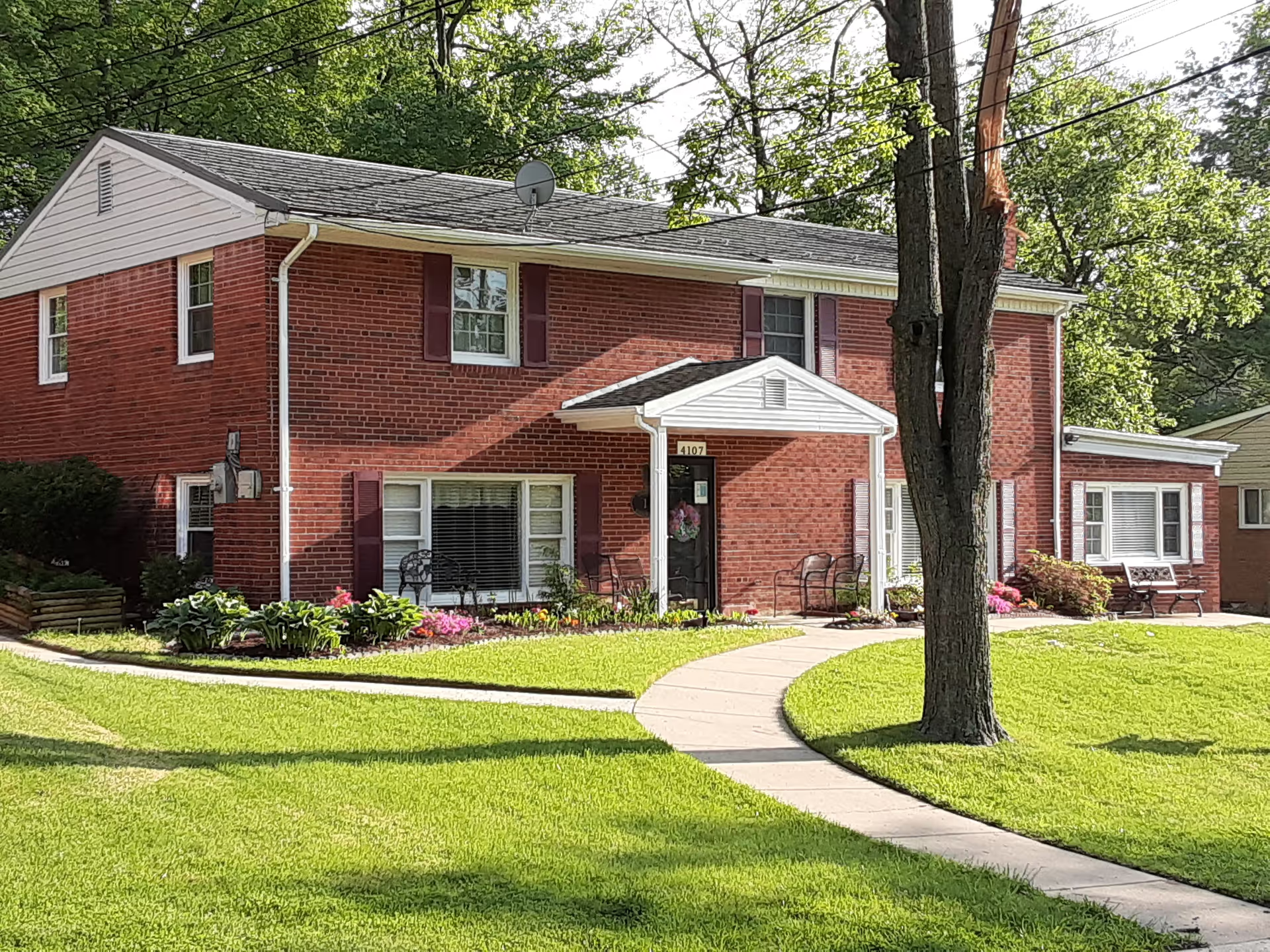
Overall impression: The facility is consistently described as a small, home-like assisted living with strengths in personalized caregiving, cleanliness, and value. Families emphasize a warm, family-oriented environment where staff are attentive and compassionate; several accounts describe the setting as a preferred alternative to a traditional nursing home. Management is frequently characterized as responsive and accommodating, with flexible pricing and transparent billing practices noted as practical benefits.
Care and staff: Care quality is a recurrent positive. Caregivers are described as attentive both day and night, and reviewers highlight a relatively high staff-to-resident ratio that supports individualized attention and social engagement. Reviewers also noted that staff listen to families and can facilitate transitions from higher-level care settings. At the same time, a pattern of staff turnover — attributed in comments to low pay — introduces continuity-of-care concerns; prospective families should ask about current staffing stability and handoff processes during tours.
Dining and medical support: Dining is generally praised. Several families praised meals that are tailored to resident preferences and cited culturally specific options (for example, Jamaican-style dishes). Medical supports are present: reviewers mentioned a doctor-on-call arrangement, visiting podiatry services, and that resident medical records are maintained. Those considering placement should assess whether the facility’s clinical offerings match anticipated needs, as the environment appears optimized for assisted living-level care rather than acute or high-acuity nursing.
Activities and social life: The home-like scale promotes interpersonal interaction and peer friendships; some residents are described as thriving socially. However, activity programming is uneven: reviewers reported limited formal activities in certain periods and, in a few accounts, television as a primary pastime. The converted-residence layout and small community size contribute to this limitation. Families seeking a wide range of structured therapeutic or recreational programming should clarify the weekly activity schedule and sample offerings during a visit.
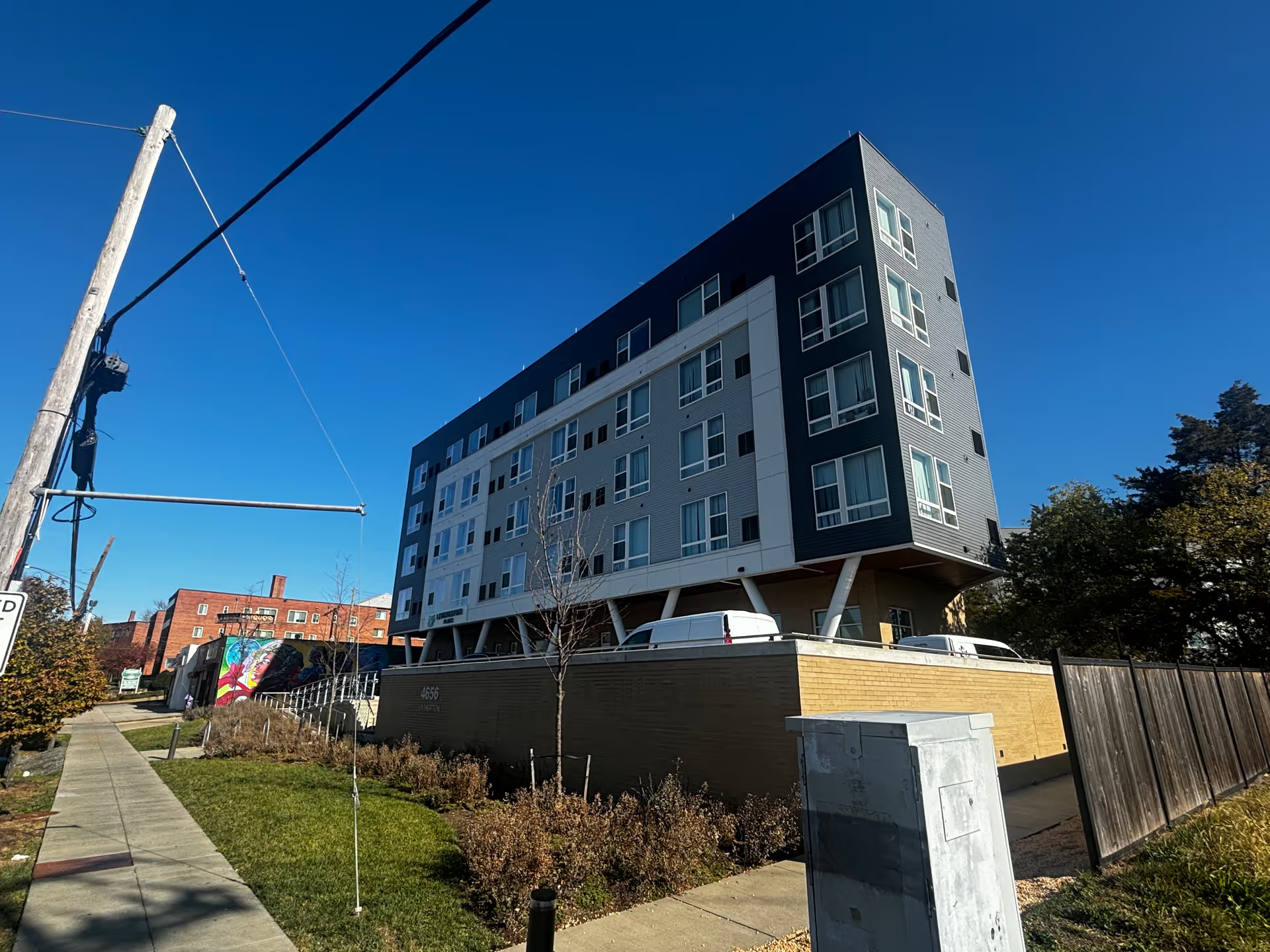
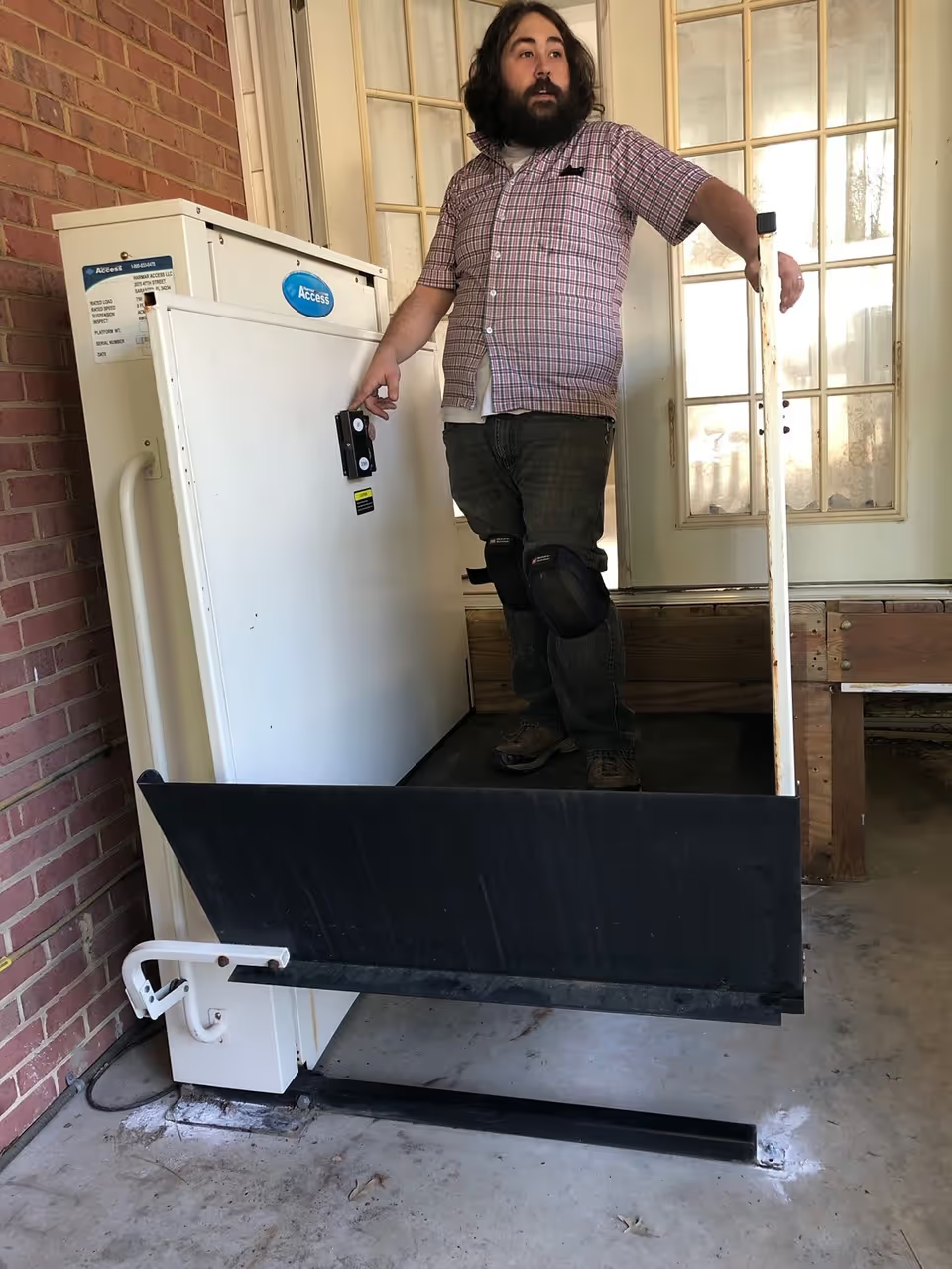
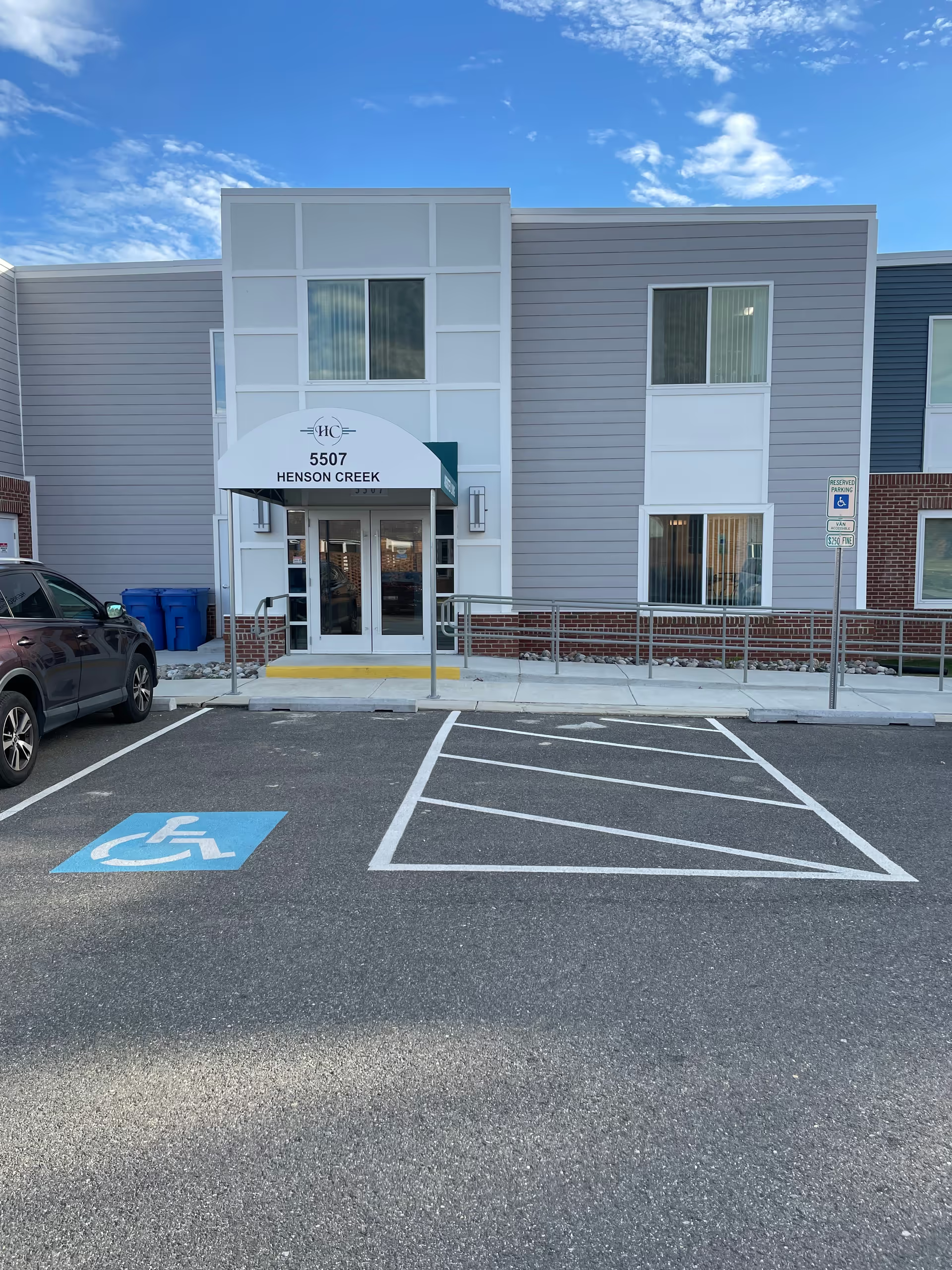
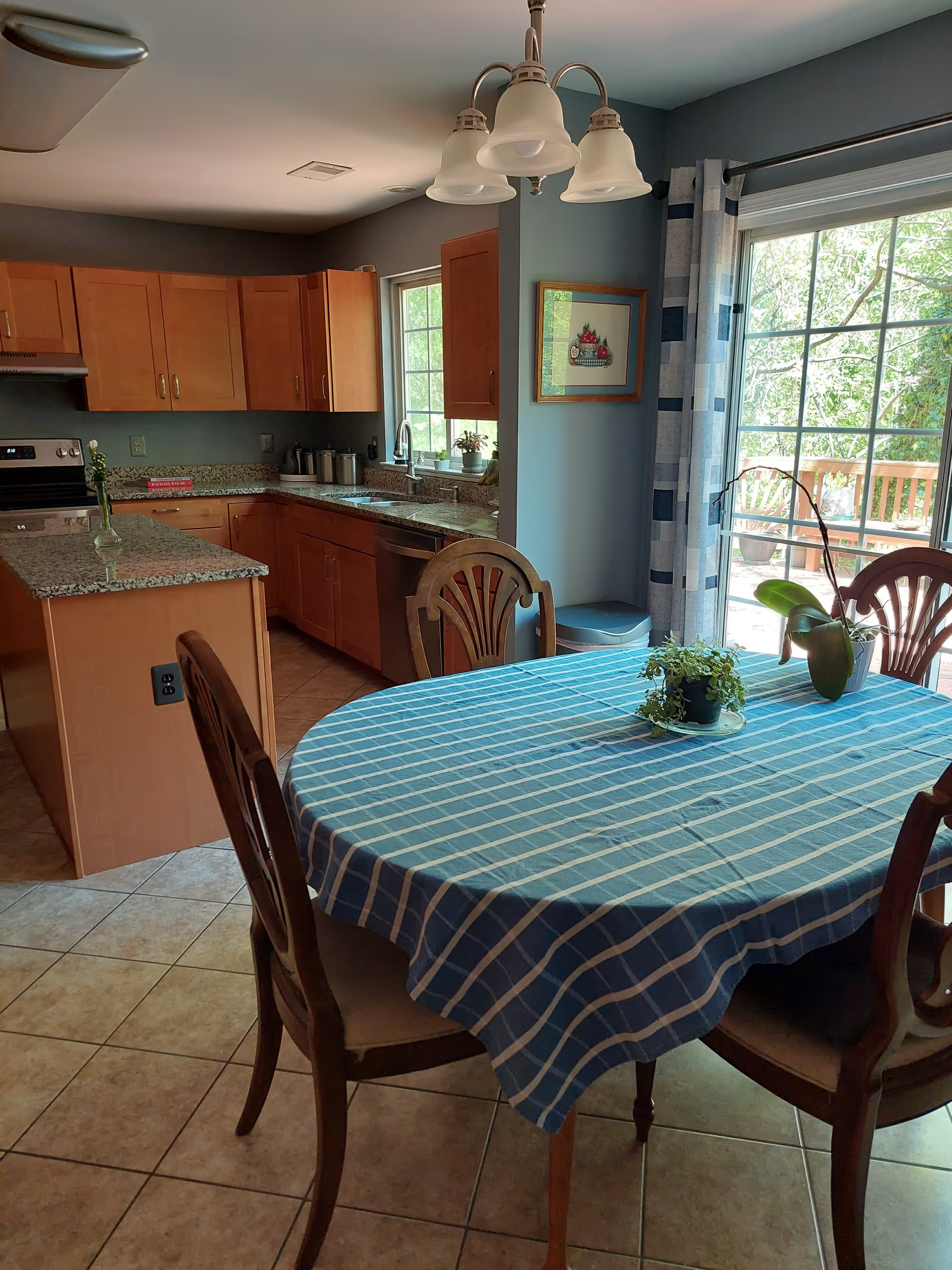
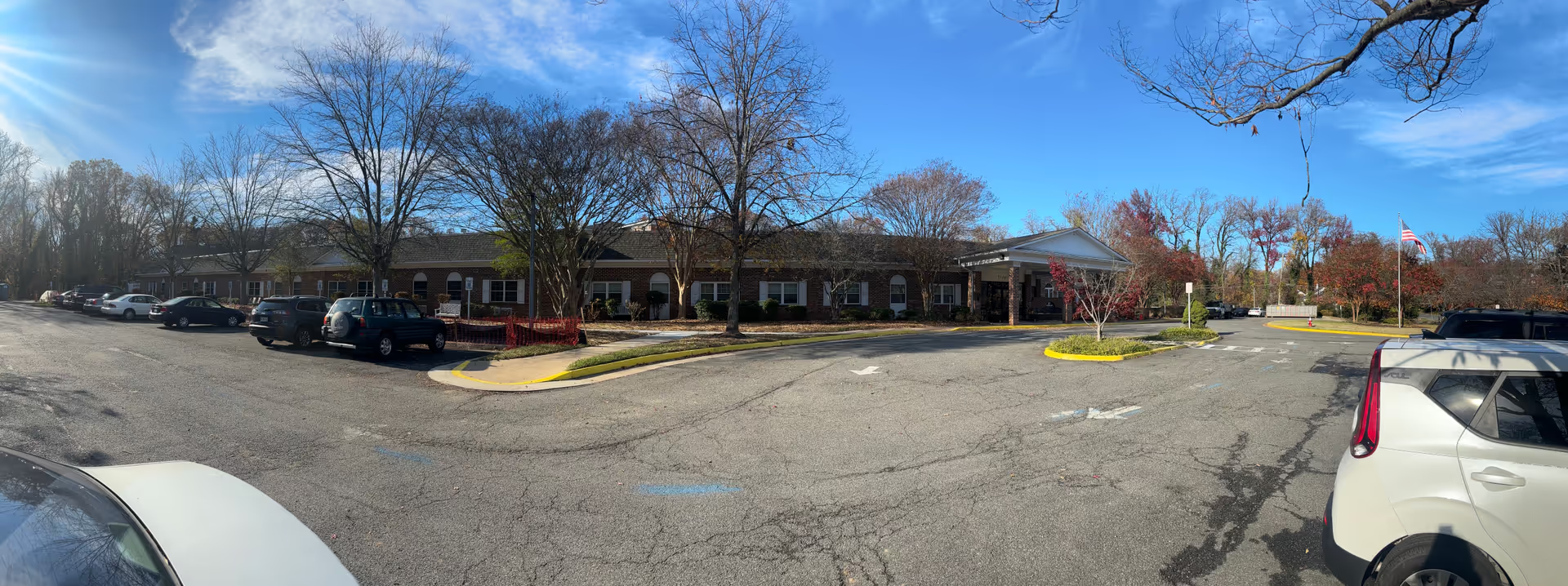
Facilities and management: The physical plant is consistently described as neat, clean, and well maintained, with a converted-residence feel that many families find comforting and less institutional. Management is commonly described as professional and responsive, with flexibility around admissions and pricing. That said, the residential conversion implies physical and spatial constraints compared with purpose-built senior communities — prospective residents should verify accessibility features, communal space size, and emergency protocols.
Notable patterns and recommendation guidance: The dominant pattern in these summaries is of a small, well-run assisted living that provides compassionate, personalized care at a reasonable cost. Positive experiences cluster around residents whose needs align with assisted living-level support and who value a small, home-like setting. Caveats include activity variety, the effects of staff turnover on continuity, and limited capacity for higher-acuity medical needs. Prospective residents and families should confirm current staffing levels, ask for a copy of the activity calendar, and review clinical capabilities to ensure the match is appropriate for anticipated care requirements.