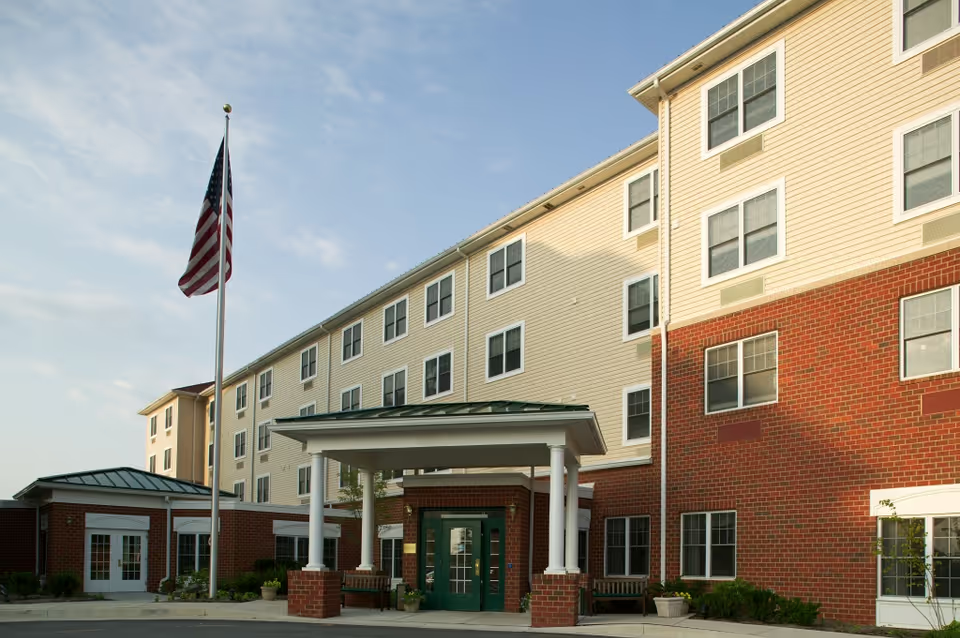
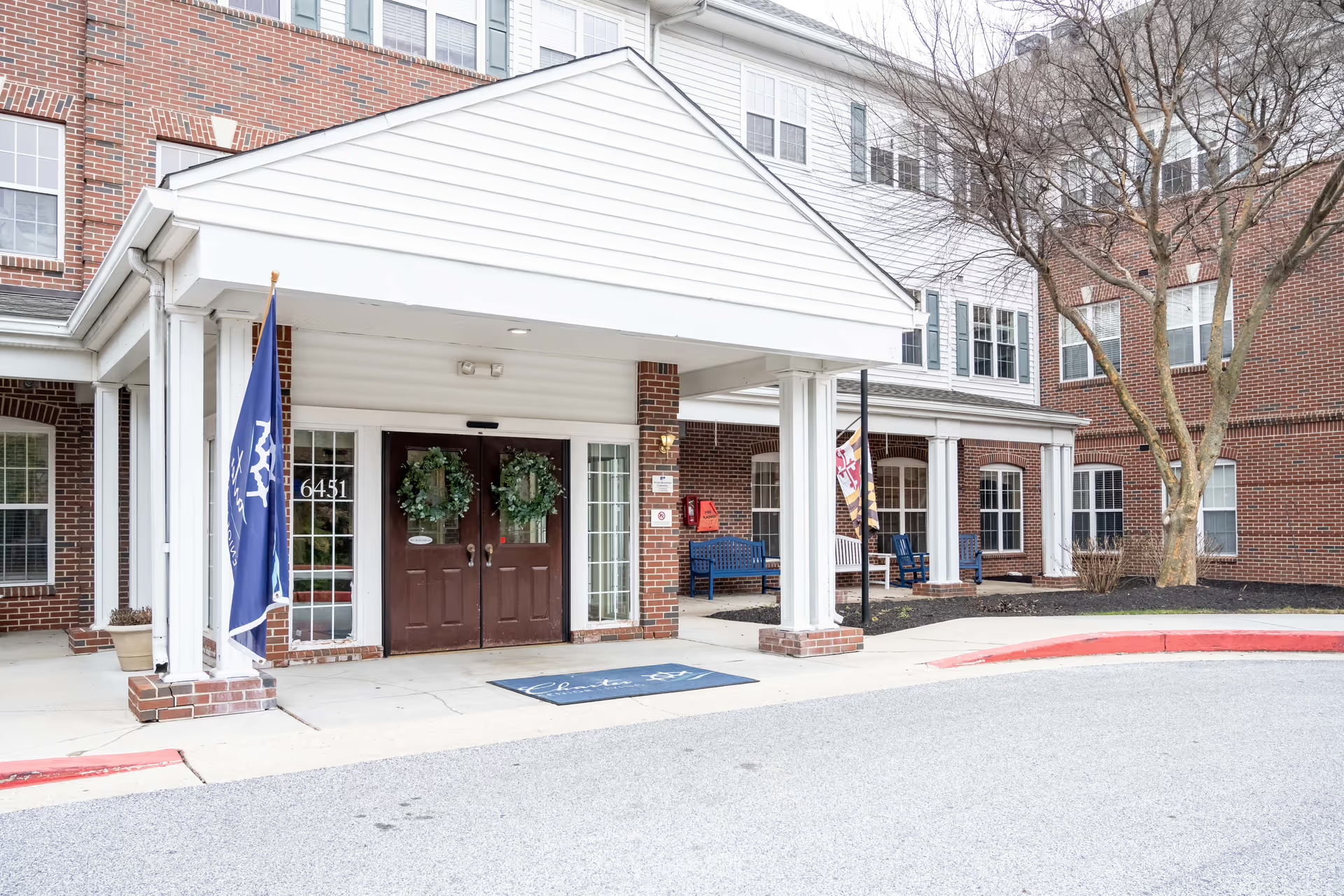
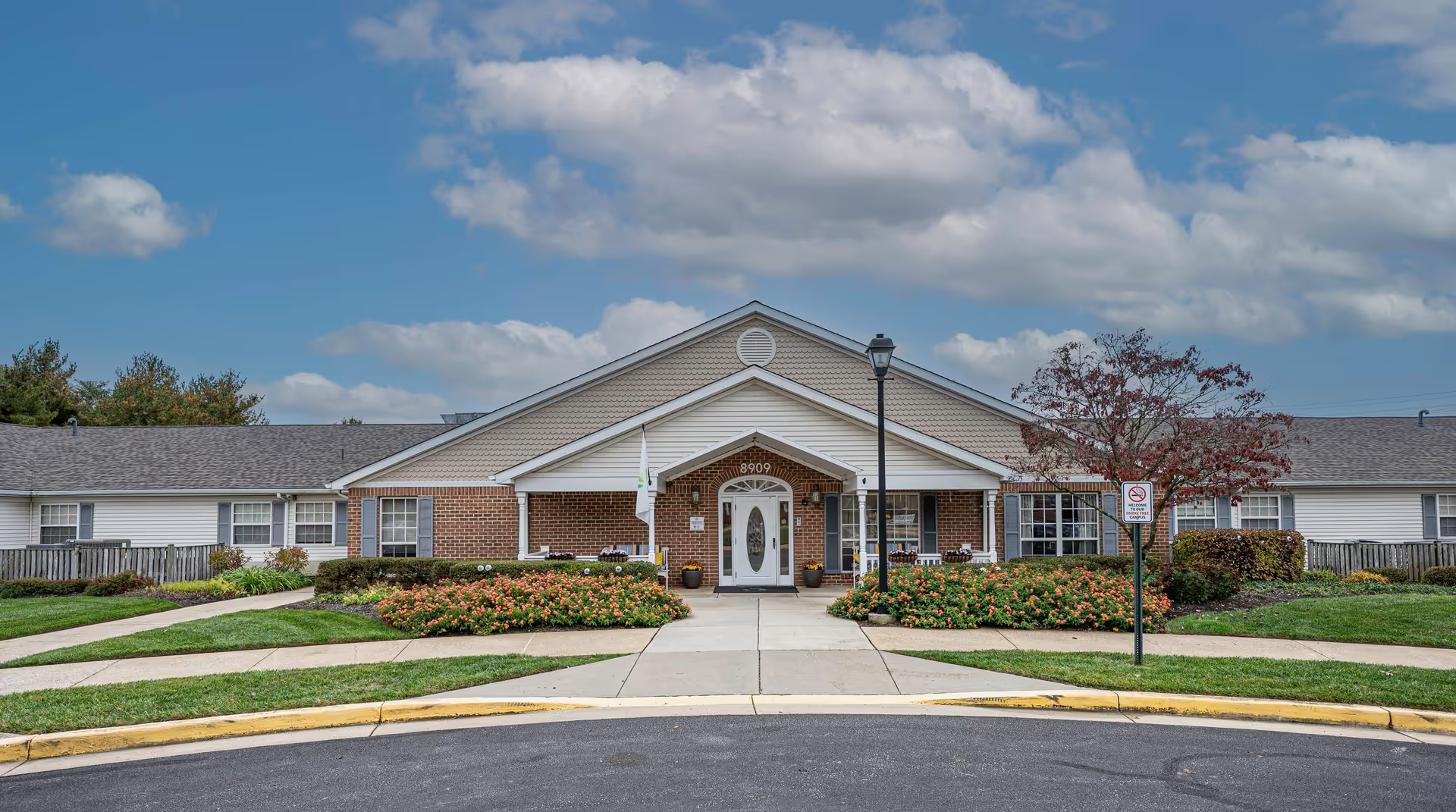
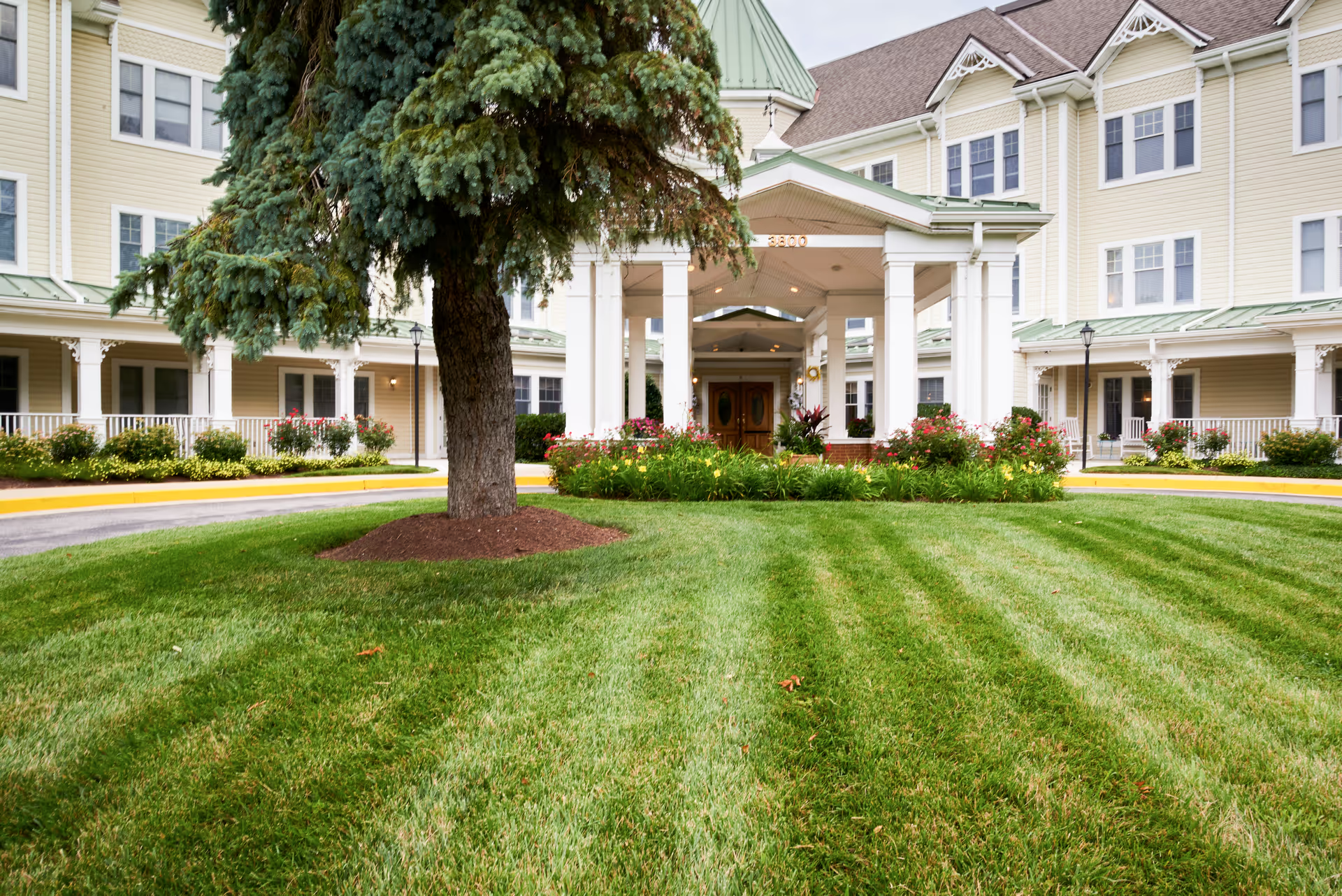
Lorien Mays Chapel consistently receives strong praise for its rehabilitation and clinical capabilities. Many families highlight top-tier physical, occupational, and speech therapy services delivered by knowledgeable geriatric therapists using modern equipment. Nursing staff and therapy teams are frequently described as attentive, compassionate, and effective at restoring mobility and enabling discharge planning; the facility also coordinates outpatient rehab and home-monitoring recommendations effectively for many residents.
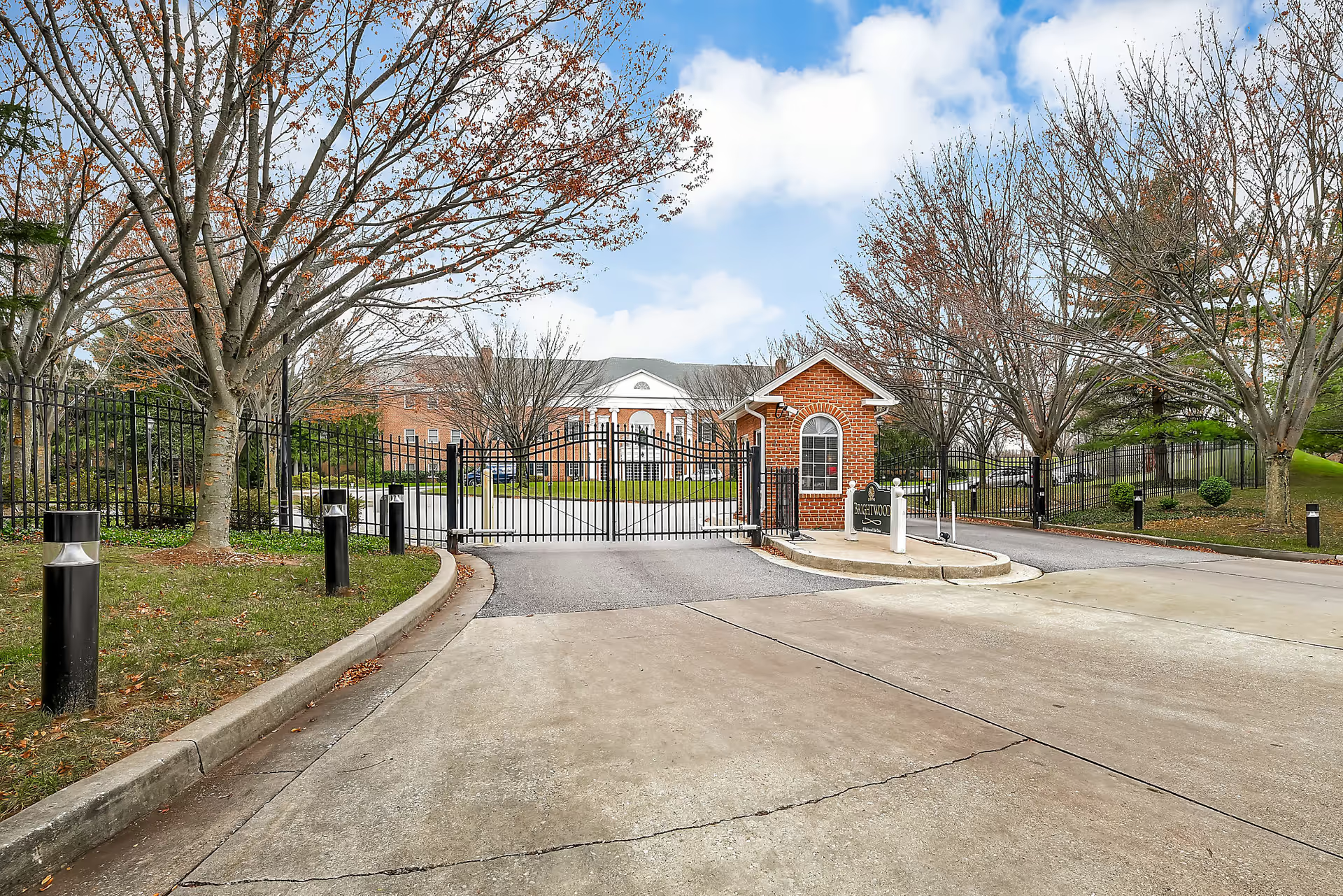
The facility environment, activities and amenities are commonly cited as strengths. Reviewers note a clean, modern interior, pleasant common areas, a bistro/café, and a broad activities calendar that includes music, crafts, games, and library/DVD services that engage residents and families. Dining receives mixed but often positive comments: some describe restaurant-quality menus and helpful alternative options, while others describe variability in meal execution. Maintenance and housekeeping are often characterized as responsive and capable, contributing to an inviting, home-like feel when those teams are performing well.
Despite these strengths, a recurring pattern of operational inconsistencies emerges. Aides’ responsiveness to call buttons and personal-care needs is uneven across reports, and there are documented reliability issues with resident-call systems and bed-identification feedback that can delay responses. Several reviewers describe variability in bathing, toileting assistance, and basic hygiene support; these are operational gaps that families should query directly during a tour or care planning meeting. Staffing variability — including the use of agency aides — contributes to uneven day-to-day care continuity in some units.
Food and cleanliness are areas of mixed performance. While some families praise the menu and dining presentation, others report cold meals or limited appeal; meal-temperature control and consistency appear to fluctuate. Cleanliness and odor concerns are raised for specific locations or shifts rather than the entire facility, suggesting variability in environmental-service performance. Noise and roommate-disturbance issues are mentioned occasionally and may affect sleep and recovery for some residents.
Communication and administrative processes show both strengths and weaknesses. Several reviewers commend accessible leadership, a welcoming Social Services Director, and organized team-based care; others report delayed family updates, problematic front-desk interactions, and admissions-process difficulties. There are also individual, serious clinical events referenced in reviews — including infections and falls — which raise concerns about infection-prevention monitoring and post-acute clinical oversight in isolated cases (allegations of such events appear in some reports). Prospective families should ask for facility infection-control metrics, recent inspection results, and typical staff-to-resident ratios for the unit of interest.
In summary, Lorien Mays Chapel offers high-quality rehab and strong clinical teams with a warm, activity-rich environment and many operational strengths. However, variability in aide responsiveness, call-system reliability, personal-care consistency, dining execution, and communication/administrative processes are recurring themes. Families considering the facility should verify specific operational safeguards (call-system functioning, contingency staffing plans, infection-control data, and communication protocols) and observe the unit and shift where their loved one would be placed to assess consistency of care in practice.