Reviews of Agawam East Rehab and Nursing describe a facility with clear strengths in memory-care programming, therapy services, and family-oriented communication, paired with recurring operational challenges that prospective families should evaluate.
Care quality and clinical services: Many families praised the nursing, therapy, and hospice coordination. Reviewers described attentive physical and occupational therapy that supported successful rehabilitation outcomes, and social-work involvement that helped families navigate transitions. Individual staff members and nursing leaders received commendations for compassionate, thorough care and regular progress updates. At the same time, reviewers described operational shortfalls that affected clinical consistency: inconsistent staffing and coverage appeared to contribute to delays in assistance, missed feeding support, weight-loss and skin-integrity concerns, and multiple instances of falls with injury. These items suggest variable implementation of fall-prevention, feeding assistance, and clinical follow-up across shifts.
Staff and management: Staff were frequently characterized as kind, caring, and willing to arrange family contact (Zoom, window visits) and individualized activities, and several family members singled out program, activities, and nursing supervisors for positive engagement. However, reviews also reflect variability in staff performance and responsiveness; some shifts were described as understaffed or less engaged. Administrative strengths include an accommodating reception, routines for care-plan discussions, and some proactive interventions by leadership. Contrastingly, reviewers reported occasions where administrative responsiveness and routine processes (intake, identification stickers, phone follow-up) fell short, creating frustration for families.
Dining, hygiene, and personal care: Dining quality was generally viewed positively in terms of menu and meal availability, and some residents received regular toileting, showers, and medication support. Operational weaknesses centered on assistance at mealtimes and adherence to prescribed diets—families described residents not consistently assisted to eat, missed or unattended meals, and consequent weight concerns. Hygiene and bathing schedules were reported as inconsistent in some cases, and reviewers noted sanitation-related service issues such as sticky equipment or intermittent cleanliness lapses for personal items.
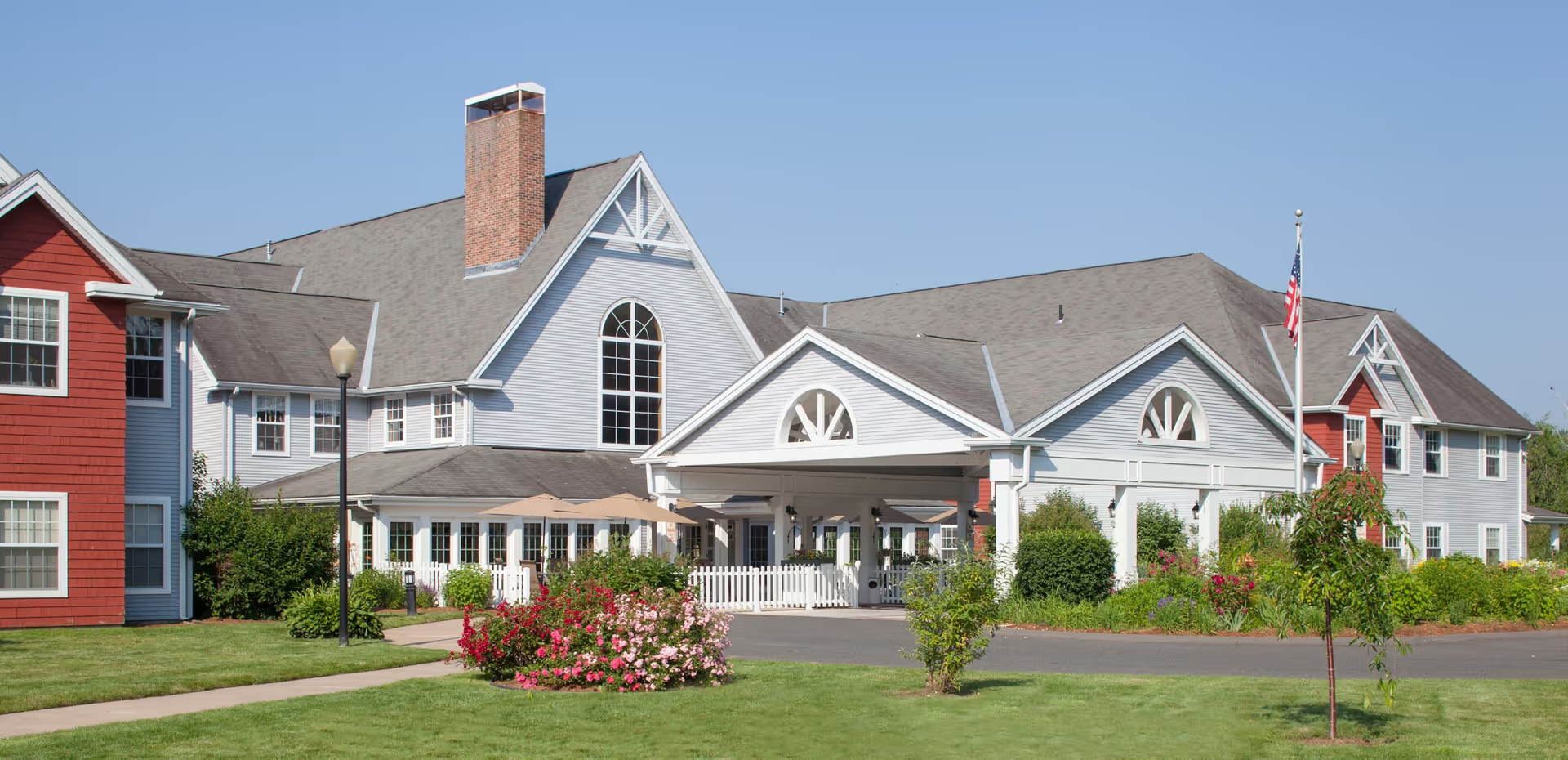
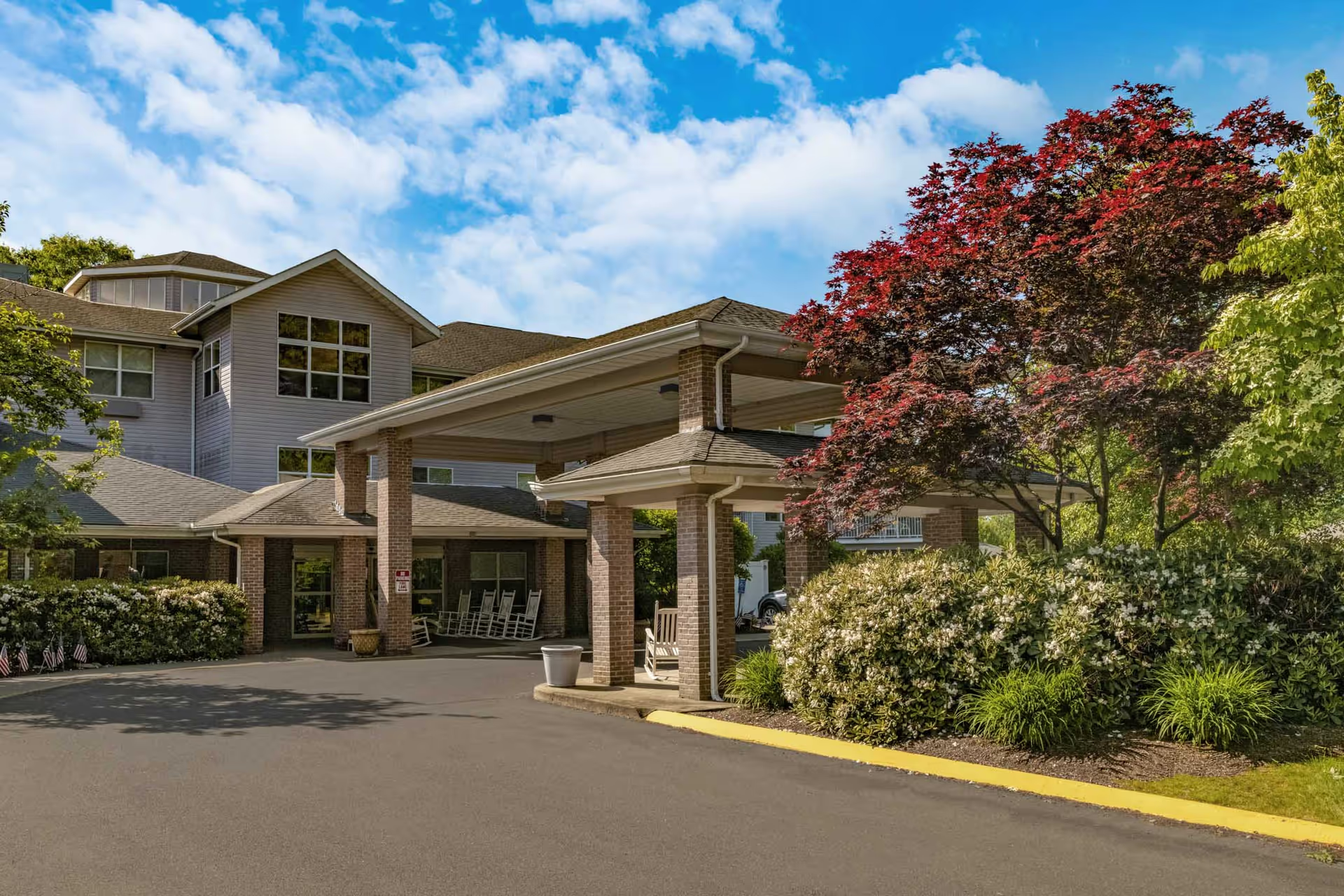
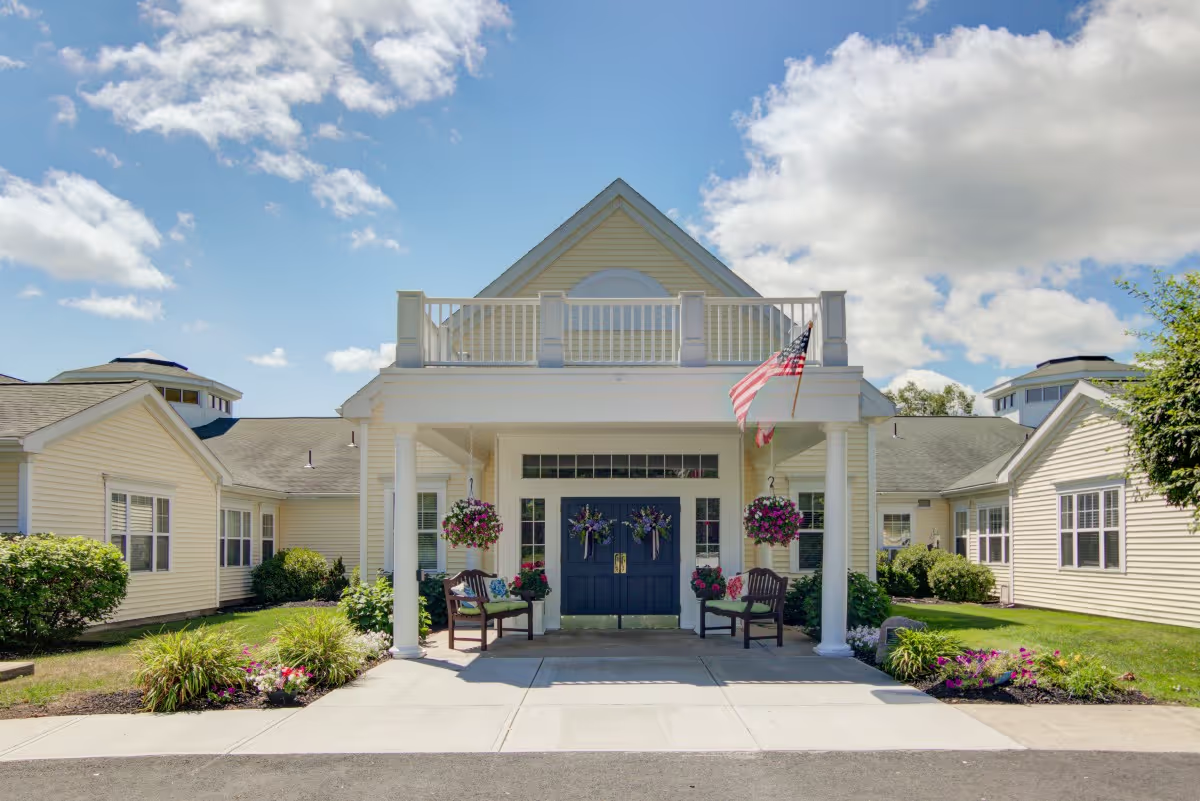
Activities and environment: The facility’s activity program and memory-support offerings were commonly identified as strengths. Staff-led recreation, pet and movie events, outdoor creative programming, and the ability to personalize rooms contributed to a bright, homelike atmosphere that many families appreciated. Reviewers valued the facility’s efforts to maintain engagement during visitation restrictions and to facilitate virtual family contact. The physical environment was described as clean, well-lit, and calm.
Notable patterns and considerations: Overall impressions are mixed but lean positive where staffing is consistent and leadership engages with families. Recurrent themes across reviews are variability in staff availability and responsiveness, accountability for personal belongings, and operational gaps on weekends or during certain shifts. Prospective families may want to ask about staffing ratios by shift, fall-prevention and feeding-assistance protocols, procedures for tracking and replacing personal items, and how weekend communications are handled. These operational areas appear to most strongly determine whether an individual’s experience will align with the facility’s stronger reviews or reflect the concerns noted by other families.