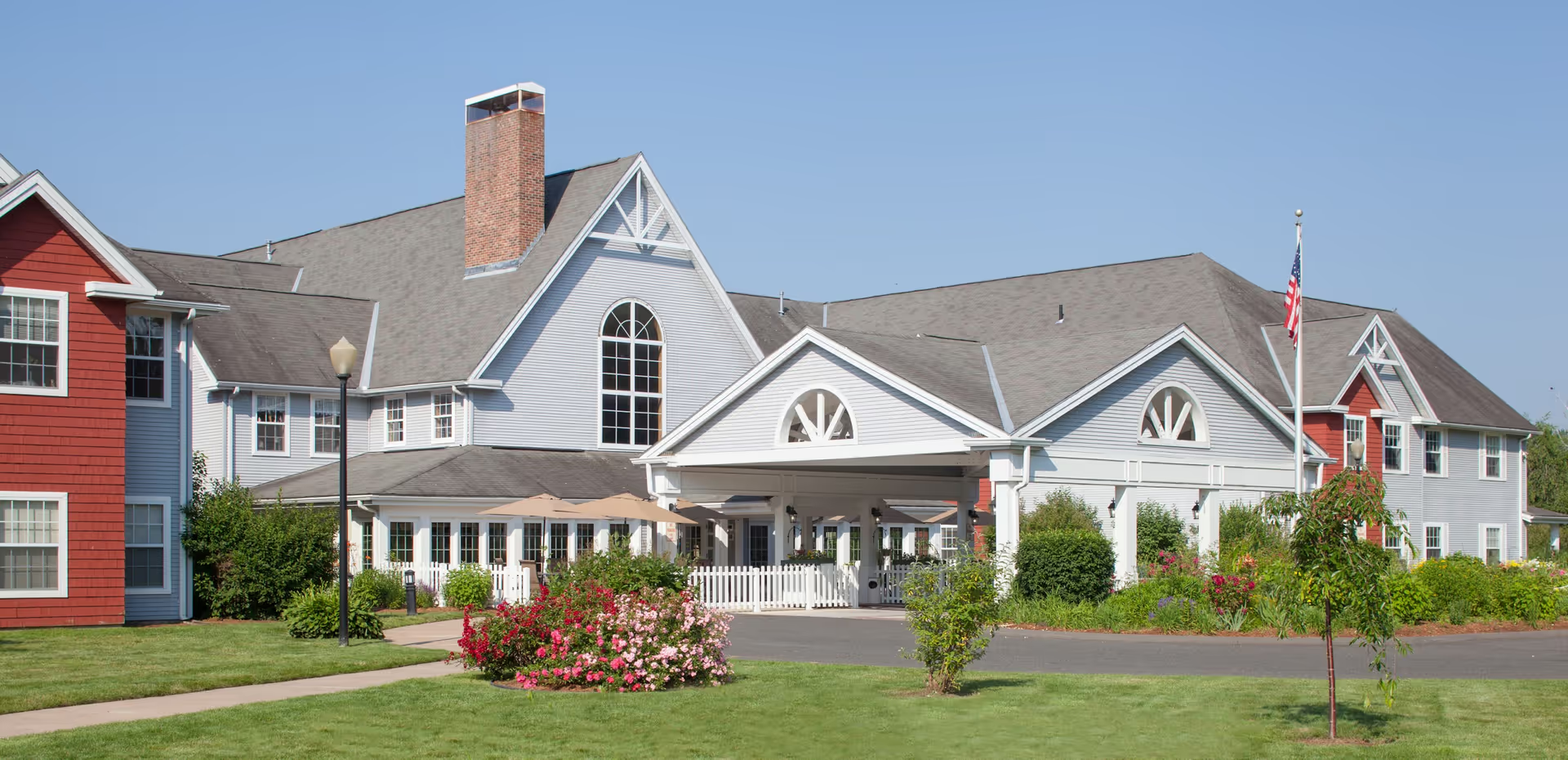
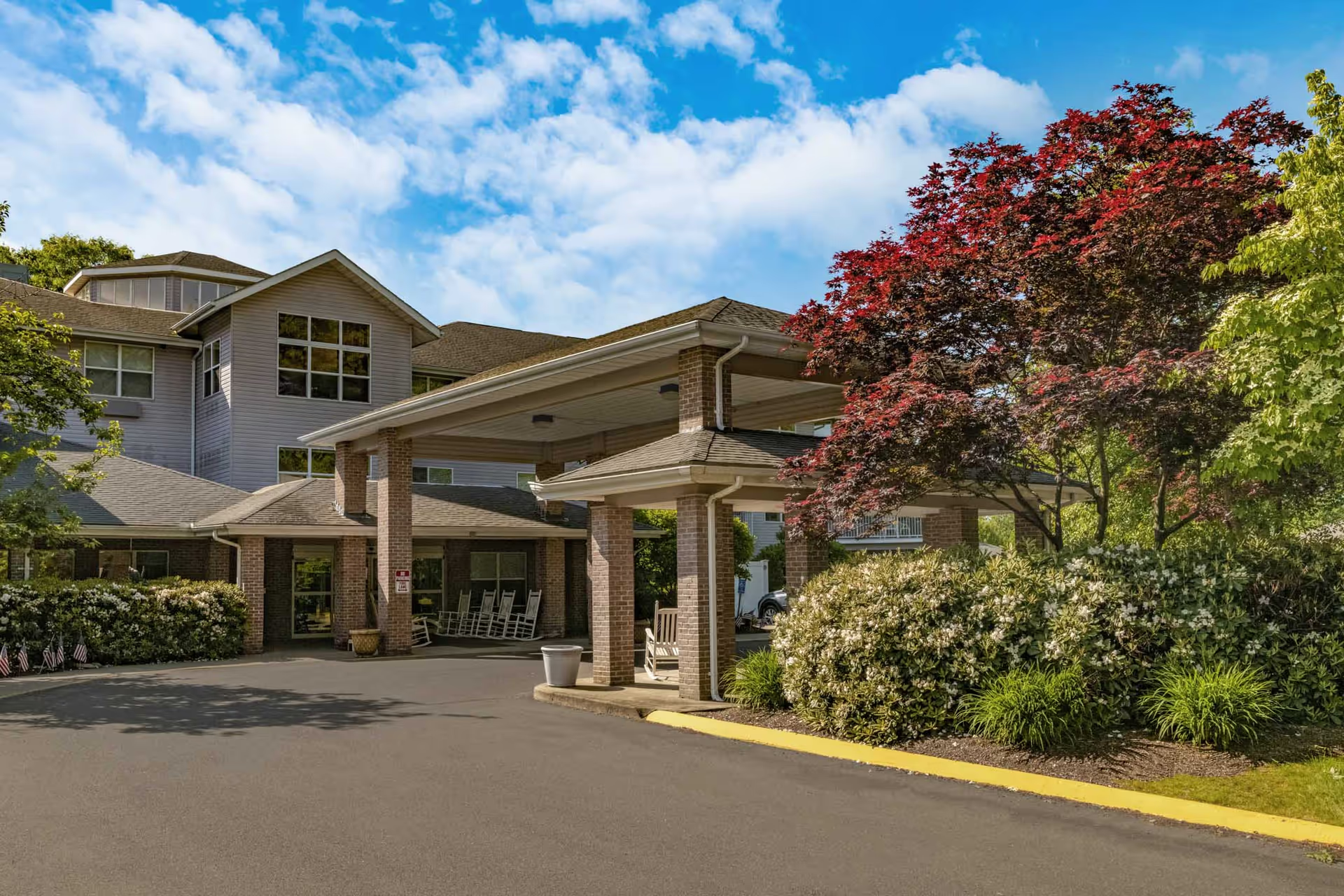
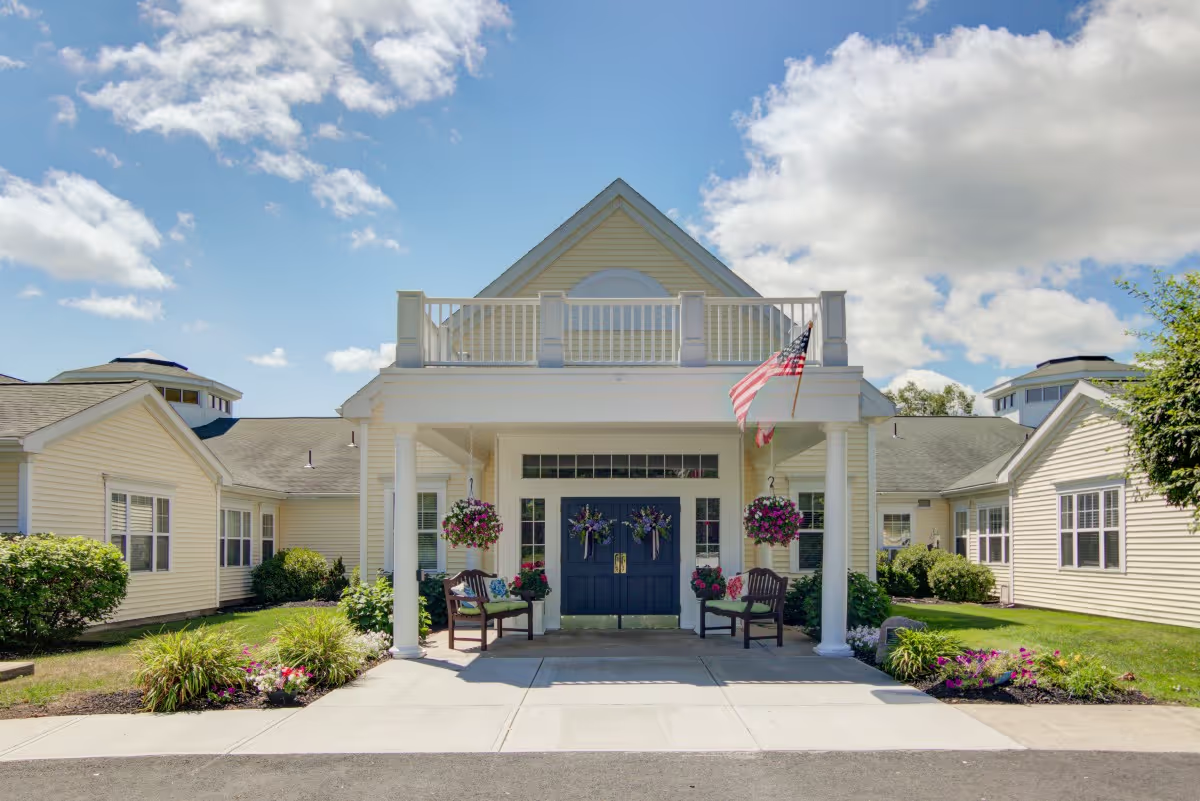
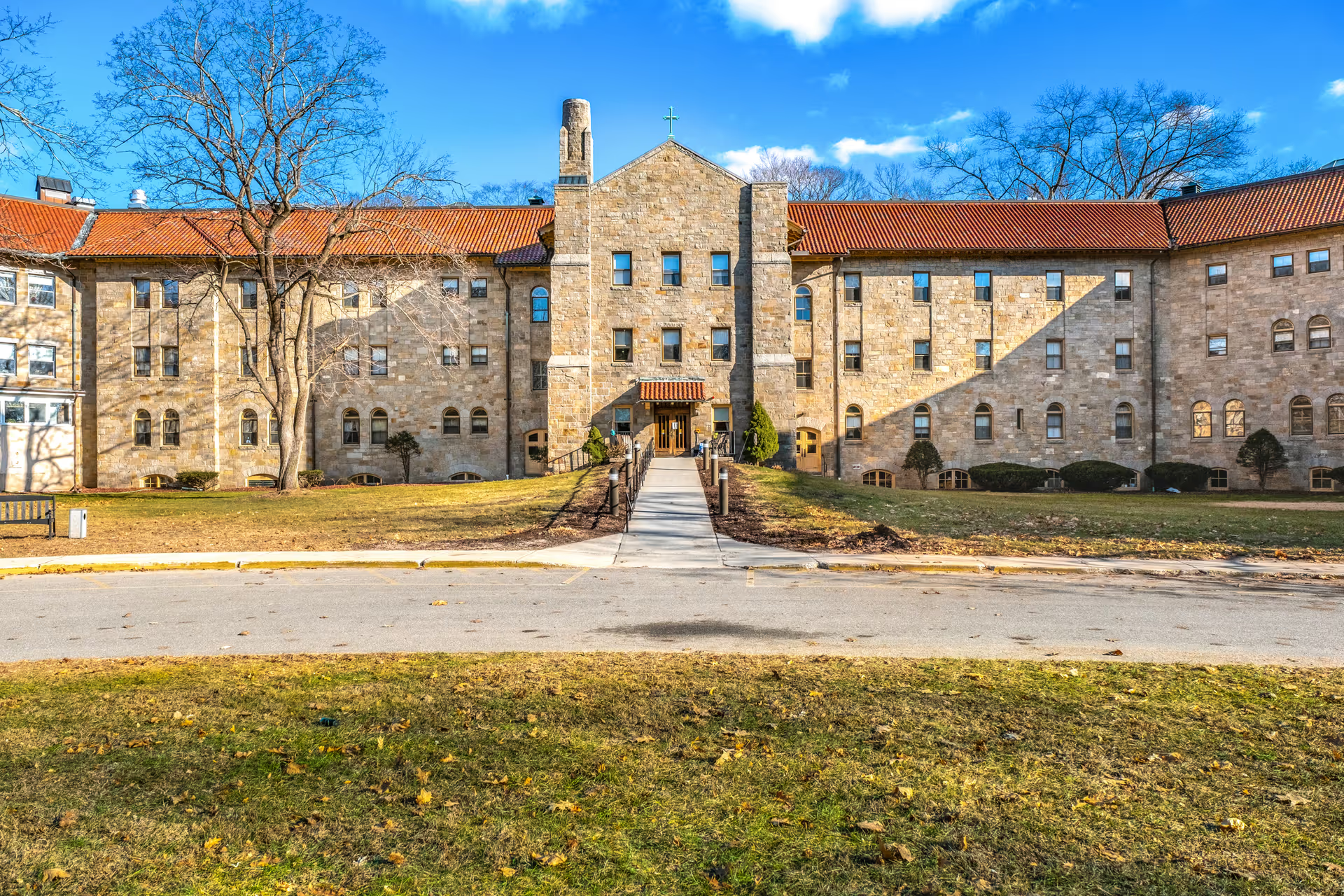
The reviews for Agawam South Rehab and Nursing present a mixed picture: many families and residents describe strong clinical relationships and vibrant programming, while others describe operational and safety weaknesses that affected care experiences. Positive accounts consistently highlight the quality of therapy services and the compassion of nursing staff and CNAs. Several reviewers praised individualized rehabilitation attention that supported recovery, and multiple comments described friendly, welcoming interactions between staff and residents. Activity programming (bingo, movies, concerts, art) and on-site religious services were frequently cited as strengths, and the facility’s grounds and spacious rooms were seen as comfortable and well maintained in many accounts.
Clinical quality is uneven across reviews. Skilled physical and occupational therapy staff were a clear asset for numerous residents, but other families raised concerns about rehabilitation continuity and discharge planning—describing limited therapy in some stays or therapy that did not match expectations. There are substantive concerns about response times to clinical needs: delays attending to call bells, slow after-hours access, and apparent gaps in fall-response and transfer-safety practices. Communication between the facility and families, and between clinical team members, was also cited as inconsistent; this included difficulties reaching clinicians or receiving timely updates after clinical events.
Dining and nutrition emerge as polarizing issues. Several reviewers praised appealing, varied menus and enjoyable meals, while others described cold food, heavy–carbohydrate menus, and repeated errors with dietary restrictions and allergy accommodations. These issues appear to stem from both kitchen practices and meal-delivery logistics; families should verify how the facility handles special diets and meal temperatures if nutrition management is a priority.
Facility condition and housekeeping are likewise mixed. Many reviewers described clean common areas and well-kept rooms, yet some cited cleanliness and maintenance problems in particular rooms and storage areas (chipped paint, rusted fixtures, linen shortages). Housekeeping and linen-supply inconsistencies were mentioned alongside instances where showering or other services were delayed due to supply gaps. There are also concerns about room-placement processes and roommate compatibility that can affect infection control and resident comfort.
Management and operational systems show variability. Some families praised proactive administrative communication and COVID-19 protocols, while others pointed to unreliable phone systems, long wait times, and general confusion among staff about procedures. Staffing shortages are a recurring theme that likely contributes to responsiveness issues, housekeeping gaps, and inconsistent therapy delivery. A small number of serious individual allegations—including missing personal belongings and conduct concerns—appear in the reviews and warrant direct inquiry during a tour.
Overall, the facility demonstrates clear strengths in therapy services, compassionate caregiving by many staff members, and activity programming. However, prospective residents and families should be aware of variability in day-to-day operations: confirm current staffing levels, fall-response protocols, dietary-accommodation procedures, housekeeping and linen logistics, phone/after-hours access, and room-placement policies. Observing mealtimes, speaking with the therapy team, and asking for recent staffing and inspection information can help assess whether the facility’s operational performance aligns with a family’s expectations and clinical needs.