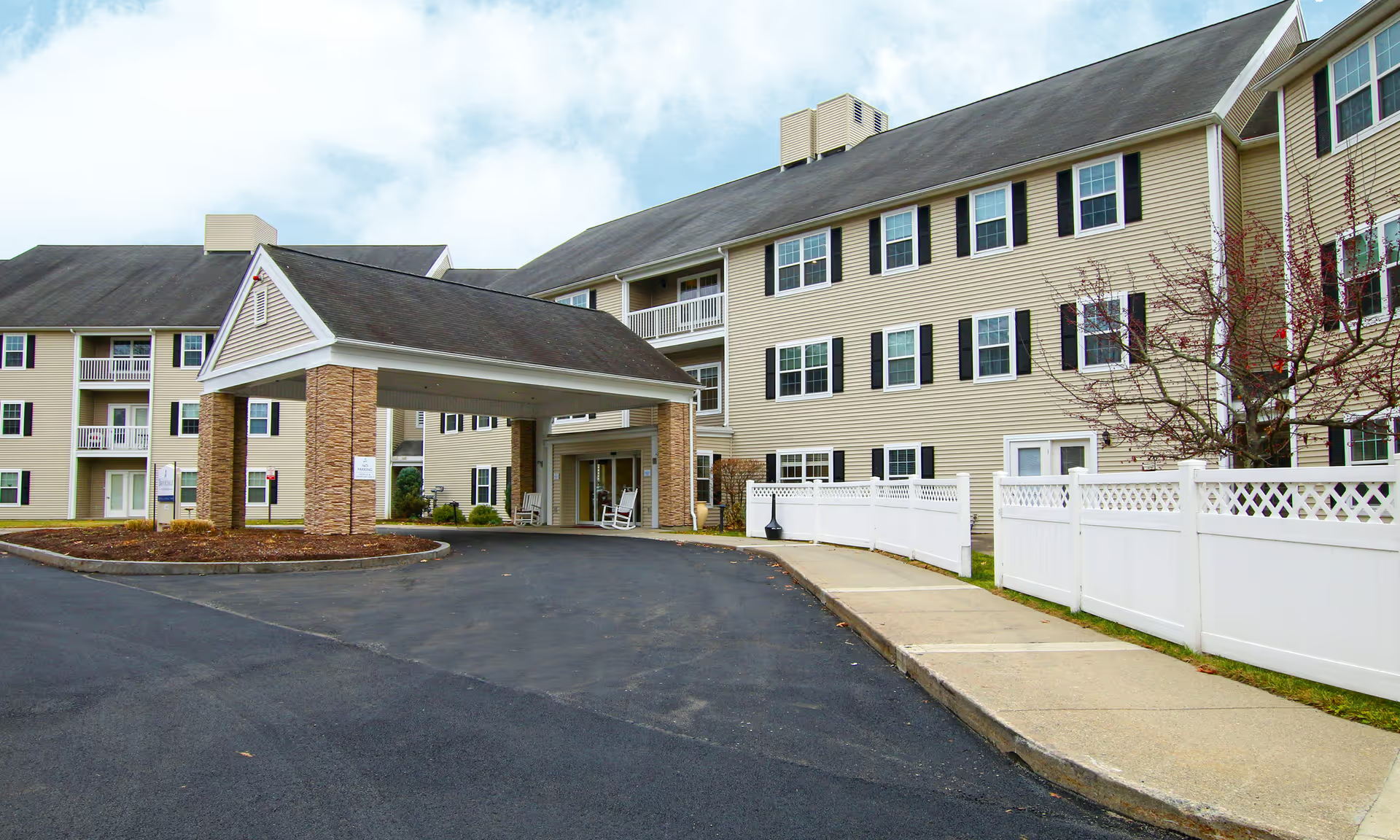
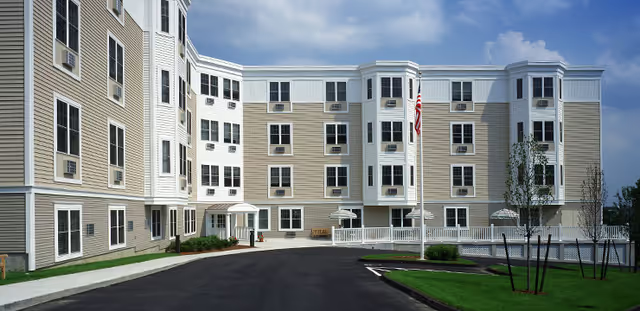
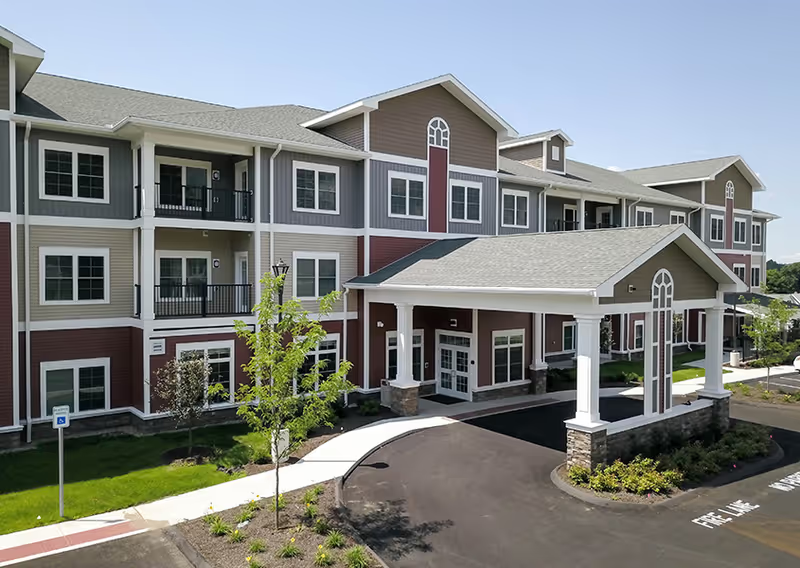
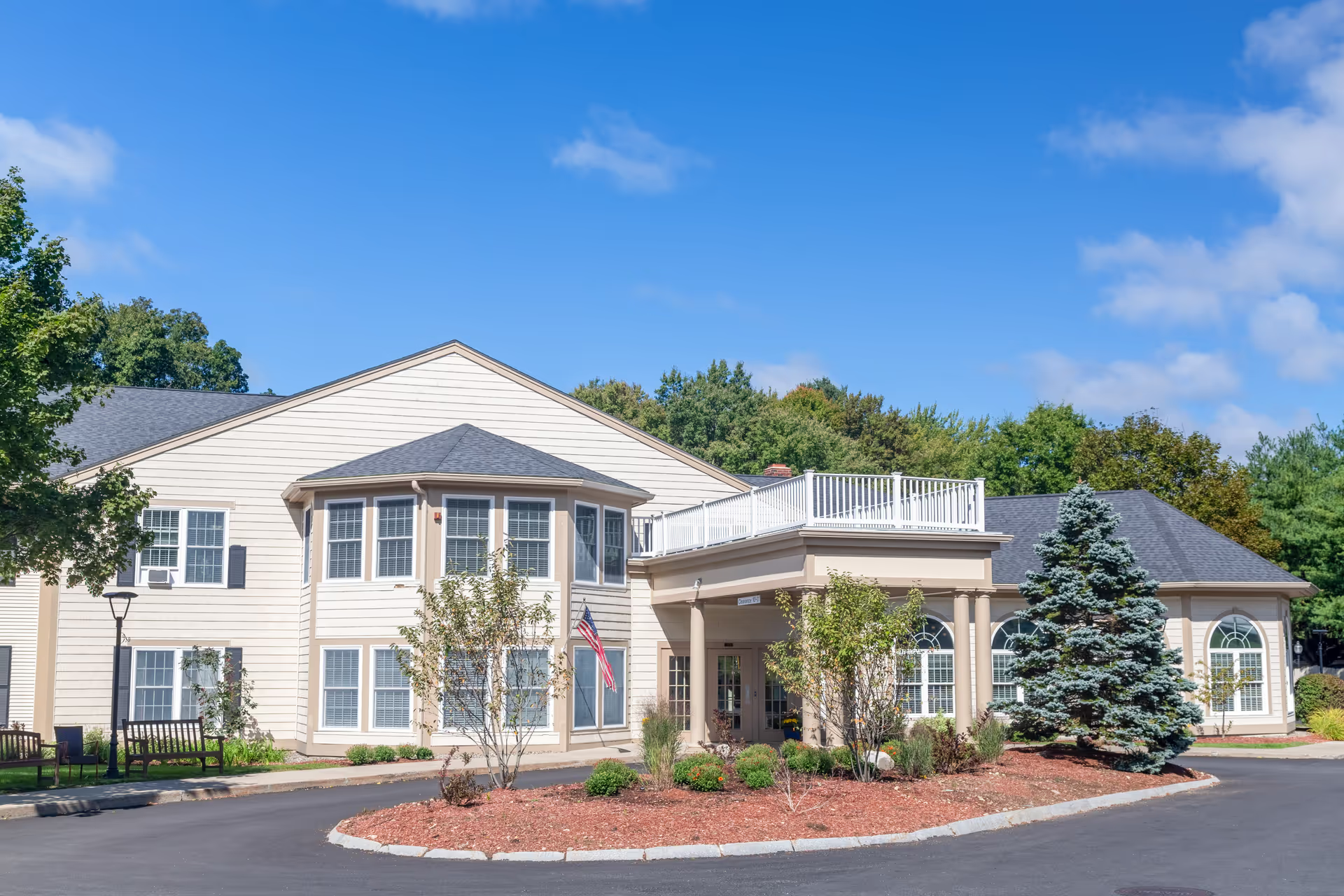
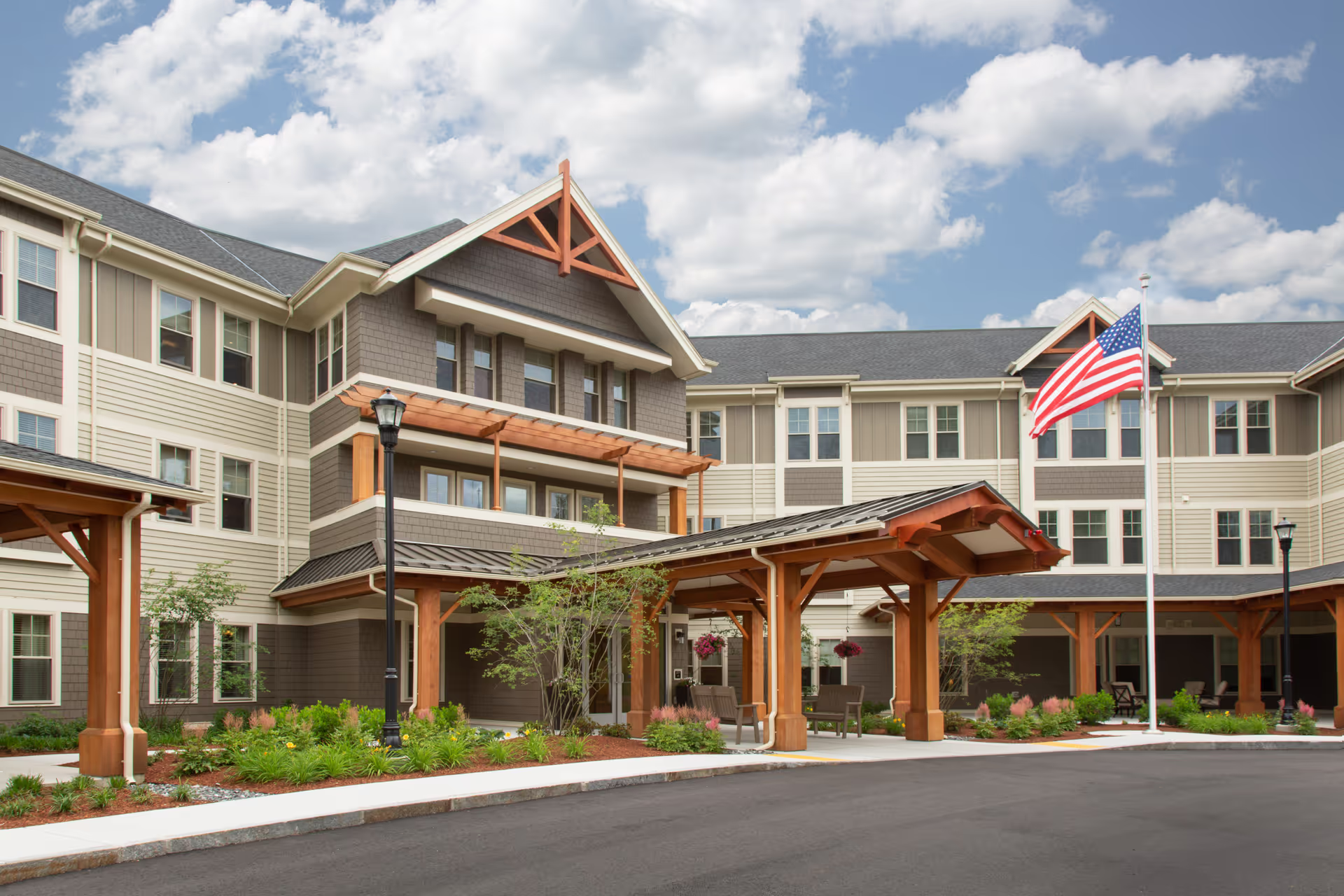
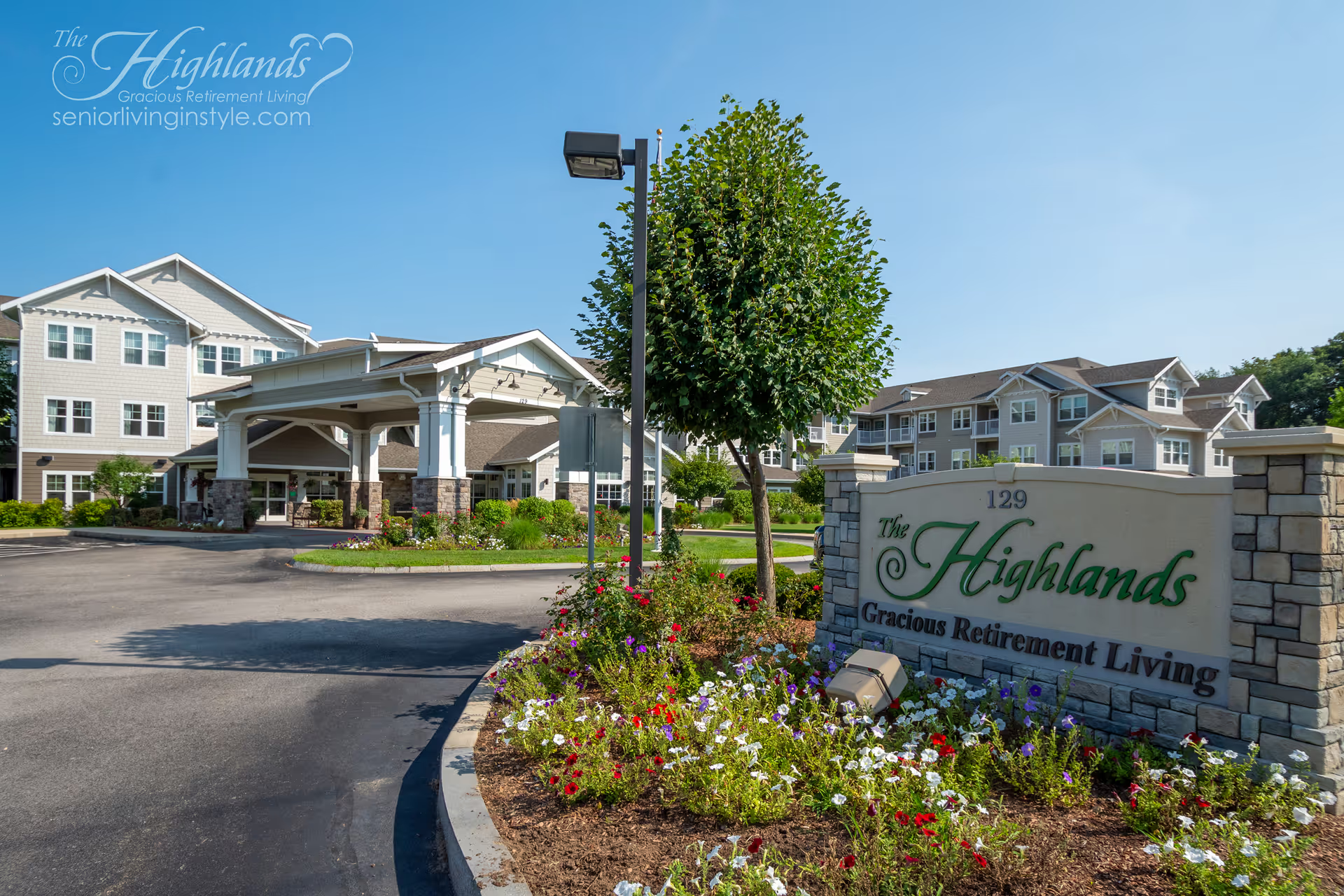
The Overlook presents as a large, well-appointed life-plan community with a broad campus of housing types and a wide range of amenities. Strengths repeatedly noted include an extensive fitness program (pool, hot tub, upgraded gym, and many classes), robust recreational and cultural programming (performing arts center, theaters, weekly live music, arts and crafts, clubs), and on-site conveniences such as dining venues, a store, bank, and salon. Many reviewers praised the physical plant and grounds—modern common areas, roomy apartments in many units, and resort-like extras that support an active independent-living lifestyle.
Care and staffing receive generally positive commentary alongside some variability. Numerous accounts highlight skilled nursing, strong rehabilitation services (PT/OT), attentive nursing-unit staff, helpful CNAs, and consistent housekeeping and laundry support. These elements are often described as contributing to good clinical outcomes and a reassuring environment for families. At the same time, reviews indicate unevenness in staff responsiveness, tone, and administrative communication; there are repeated references to gaps in care coordination and follow-up with families. Concerns about medication-management practices also appear and should be clarified during a tour or care-planning conversation.
Dining and daily life are commonly cited as strengths: restaurant-style dining with varied menus, waiter service, and several on-site restaurants draw positive remarks. Social engagement is strong, with a variety of fitness, creative, and entertainment options that many residents find stimulating. A smaller set of comments describe daytime boredom for some residents or a perception that certain areas feel institutional rather than homelike; those seeking particular social rhythms should review weekly calendars and sample activities in person.
Facility features show both consistency and variation. Many units are bright, spacious, and well configured, and the campus includes private rooms and customizable layouts. However, reviews indicate variability across apartments—some units lack generous natural light or in-unit kitchenettes, and storage/locker capacity for oversized items can be limited. Several reviews also mention construction-related dust during renovations and inconsistent room temperature control, including limited air-conditioning in certain rooms.
Management and financial arrangements warrant careful review. The Overlook provides concierge support and move-in/home-sale assistance, and some reviewers cite competitive monthly-fee options within a life-care framework. Conversely, others note higher upfront buy-ins for particular unit types and describe admissions or marketing interactions as sales-focused. Prospective residents should request clear, written financial terms and ask how pricing differs by unit and care level.
Dementia care and transitions between care levels are important patterns to note. The community offers a continuum of care on campus, which many families value for long-term planning. There are, however, comments raising safety and wandering-risk management concerns in memory-care contexts and worries about disruption when residents require relocation to a different care level. Ask for specific dementia-program protocols, staffing ratios, secure-environment features, and how transitions are managed.
Bottom line: The Overlook has considerable strengths in amenities, rehabilitation care, dining, and activity programming that support an engaged independent-living experience and a full on-campus continuum of care. Prospective residents and families should confirm unit-specific features (natural light, kitchenette, temperature control), review medication-management and care-coordination practices, and obtain transparent financial terms. An in-person visit focused on the particular apartment types and a targeted conversation with clinical and administrative leaders will help align expectations with the community’s mixed operational patterns.