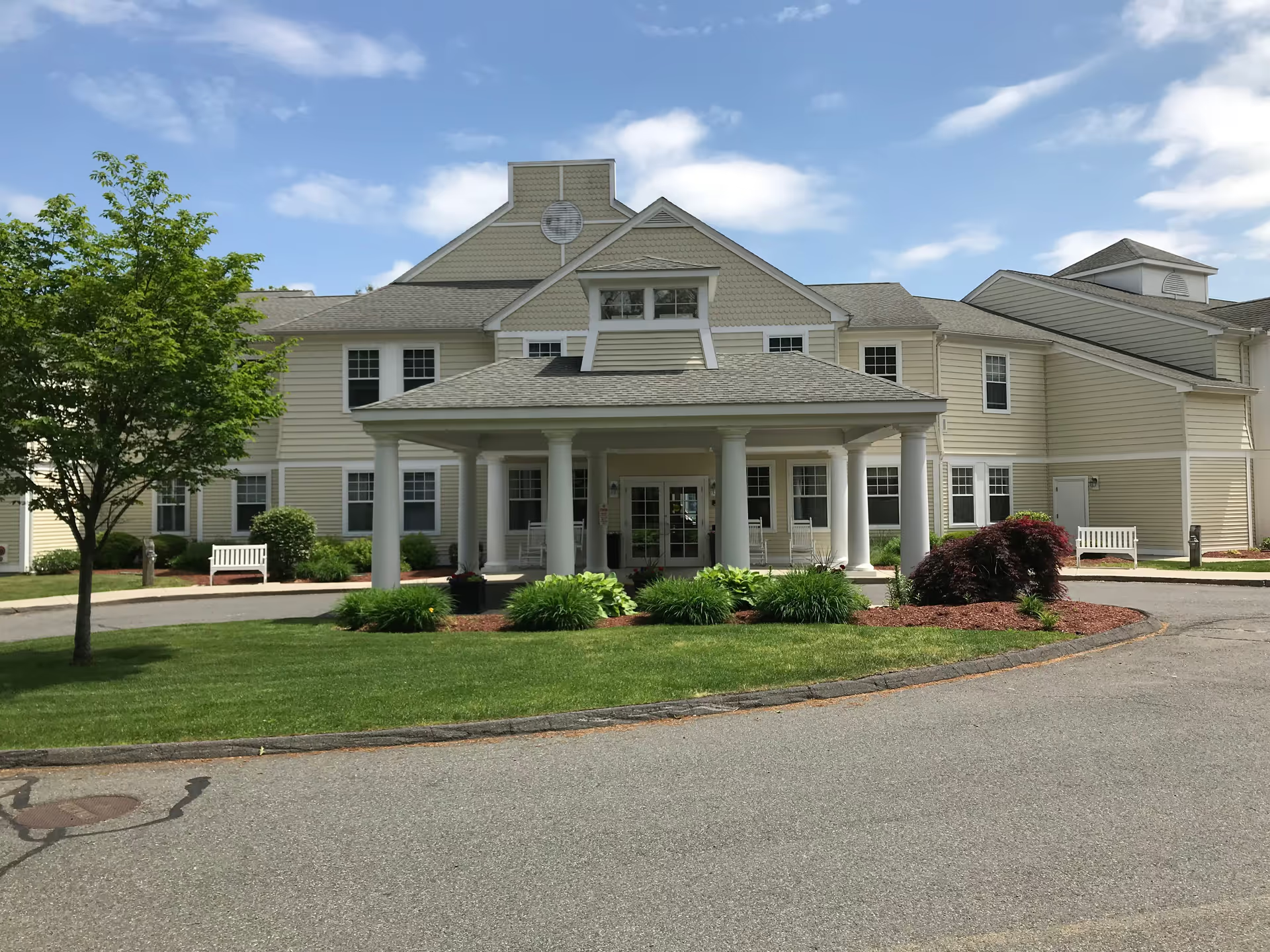
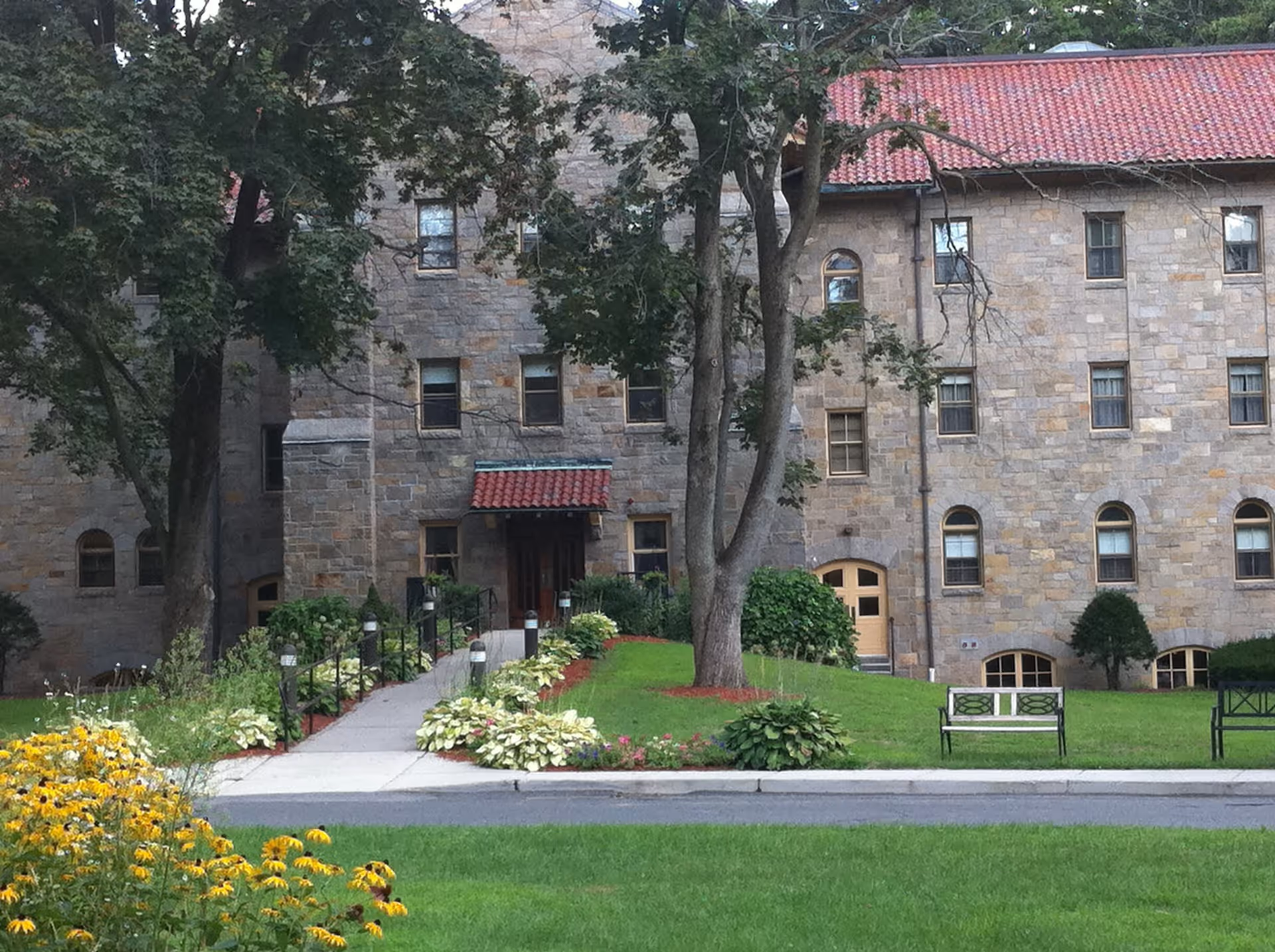
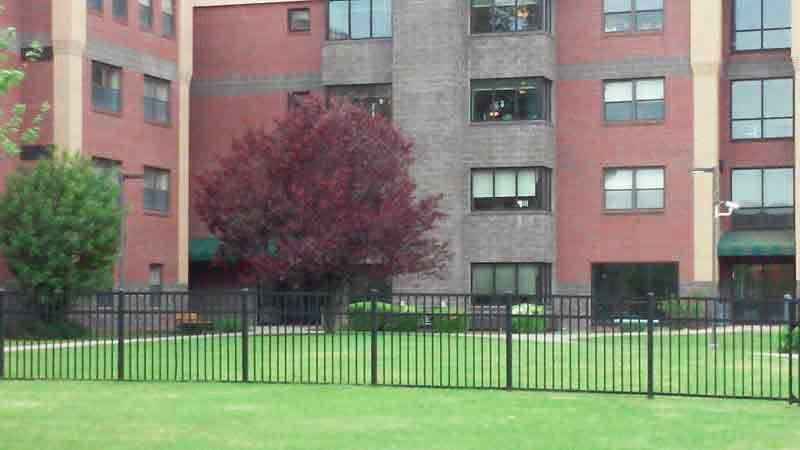
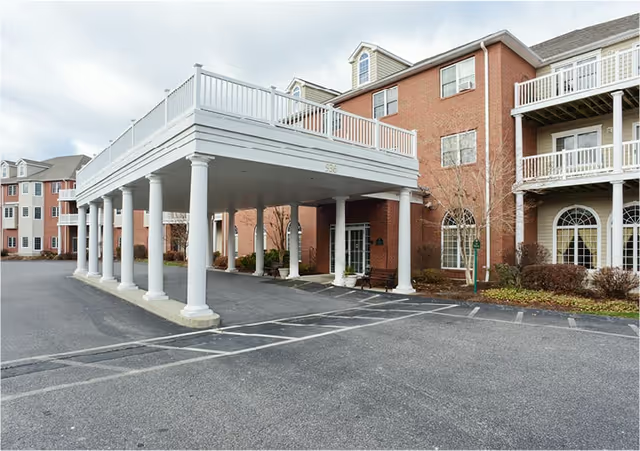
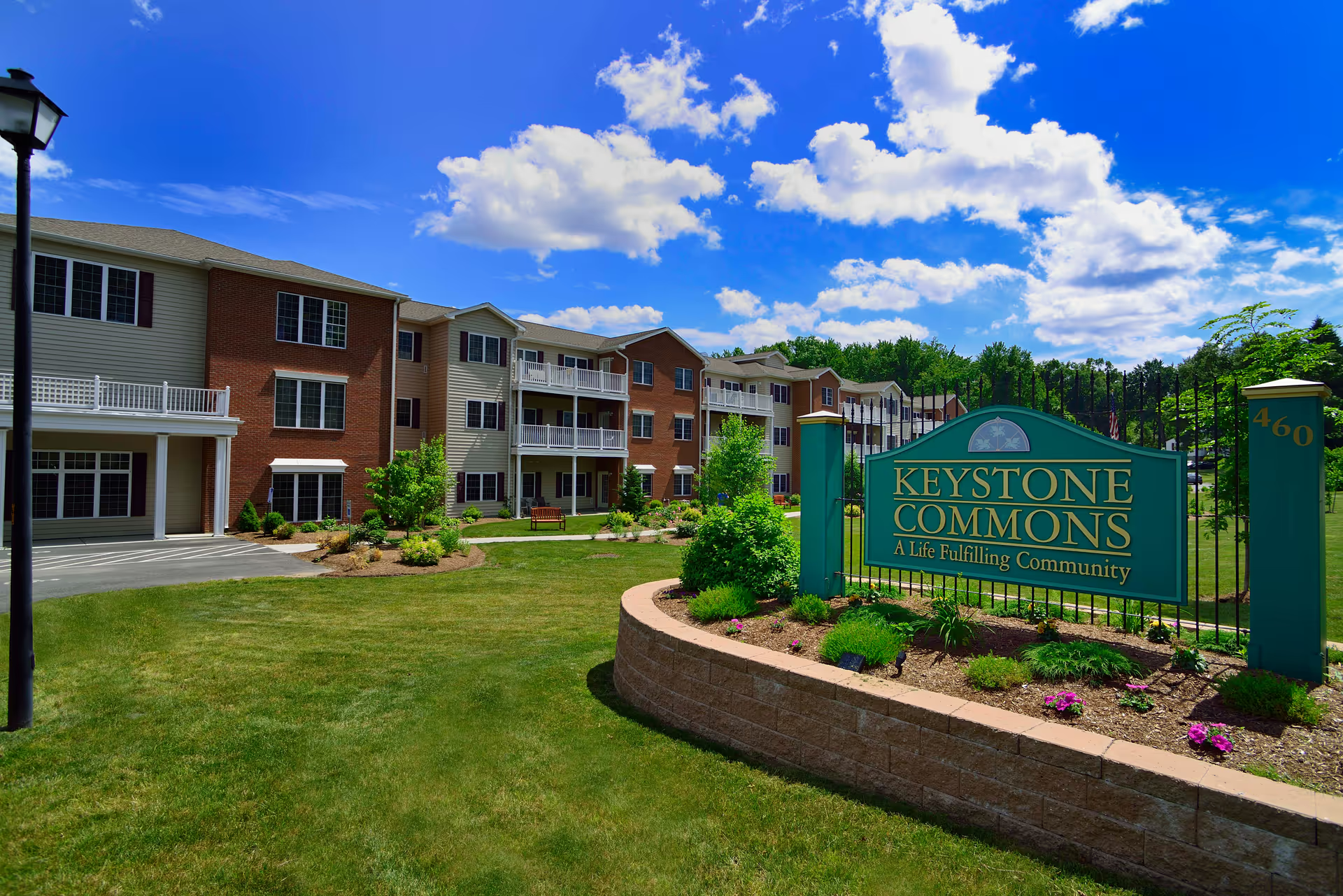
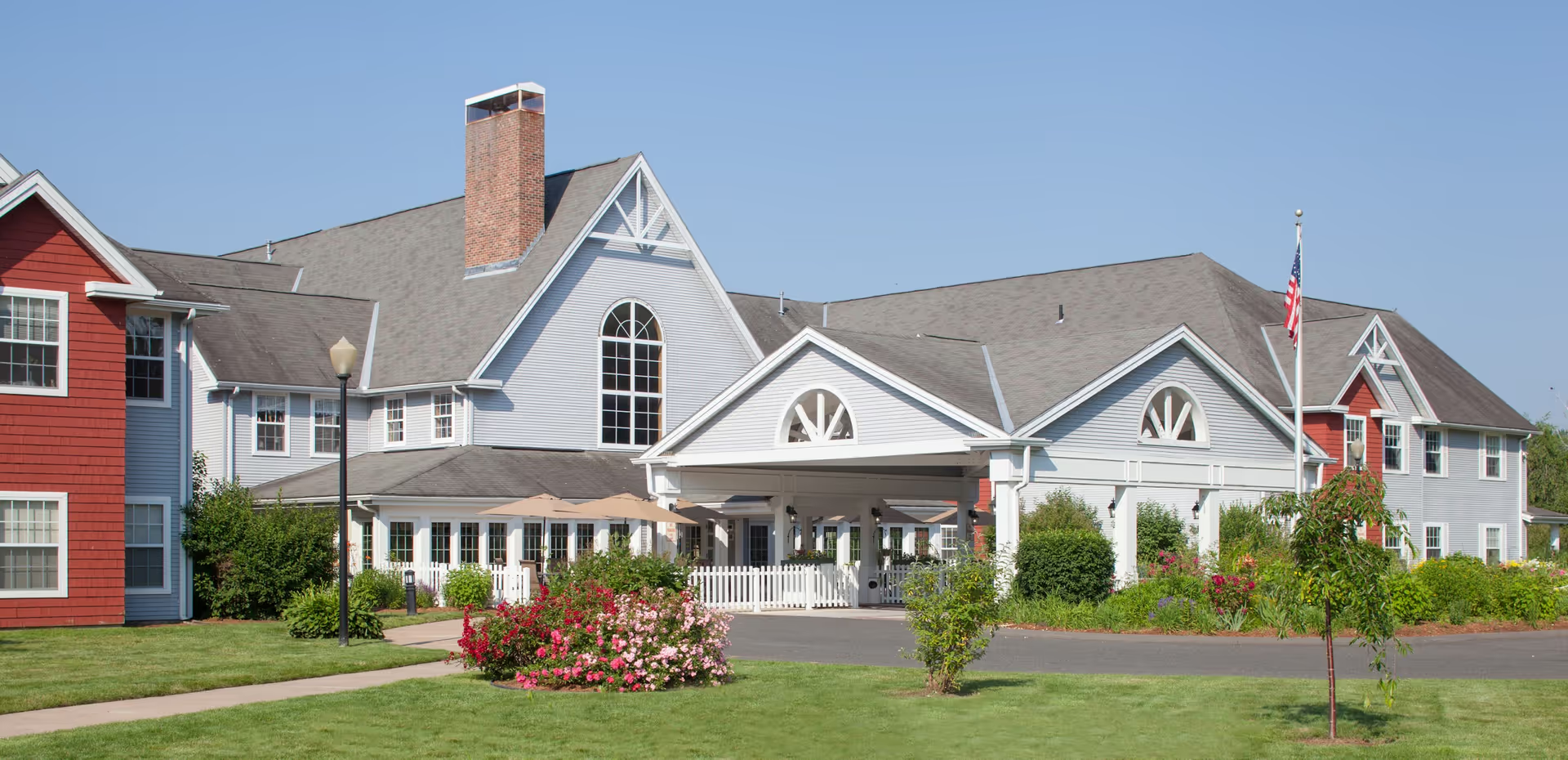
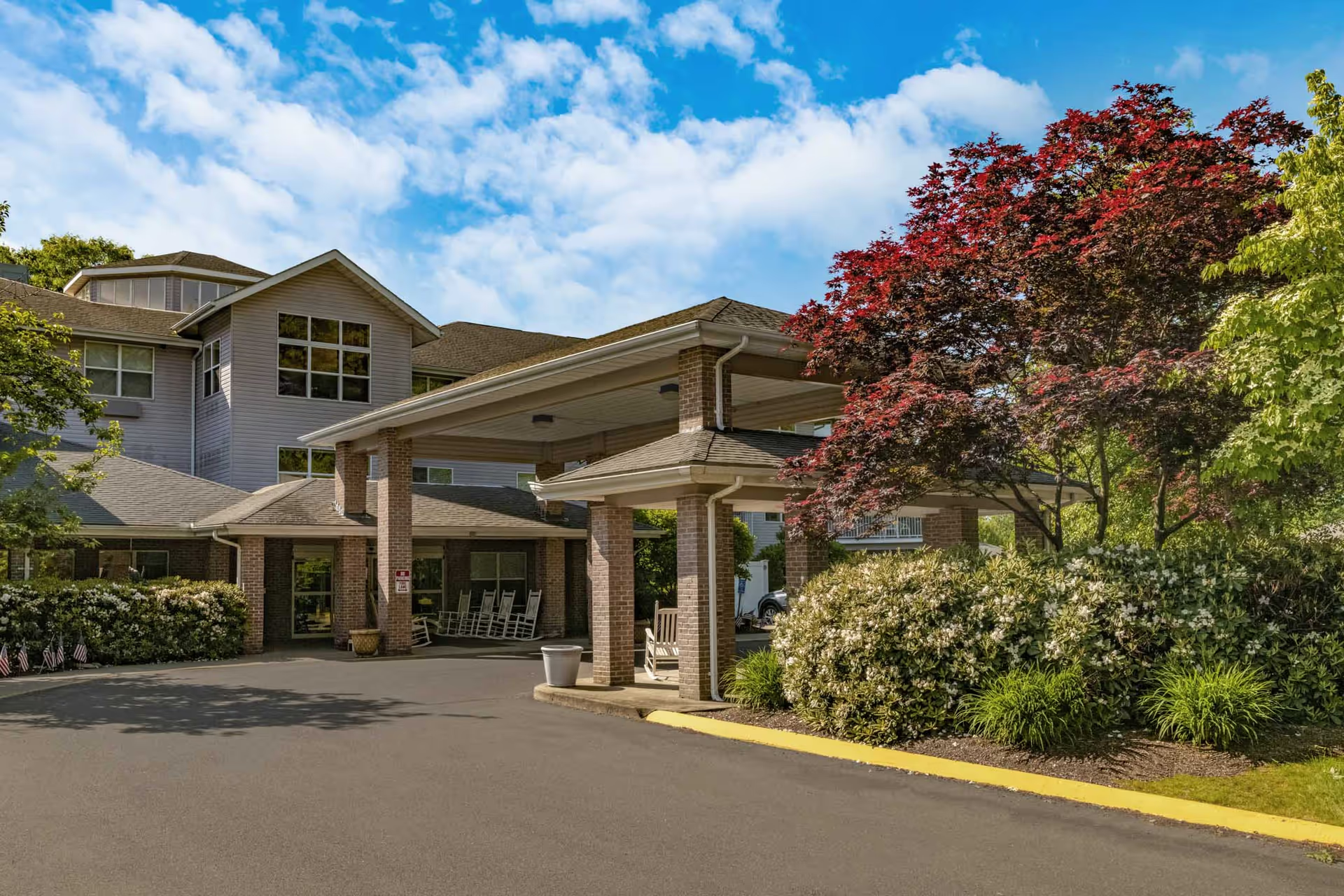
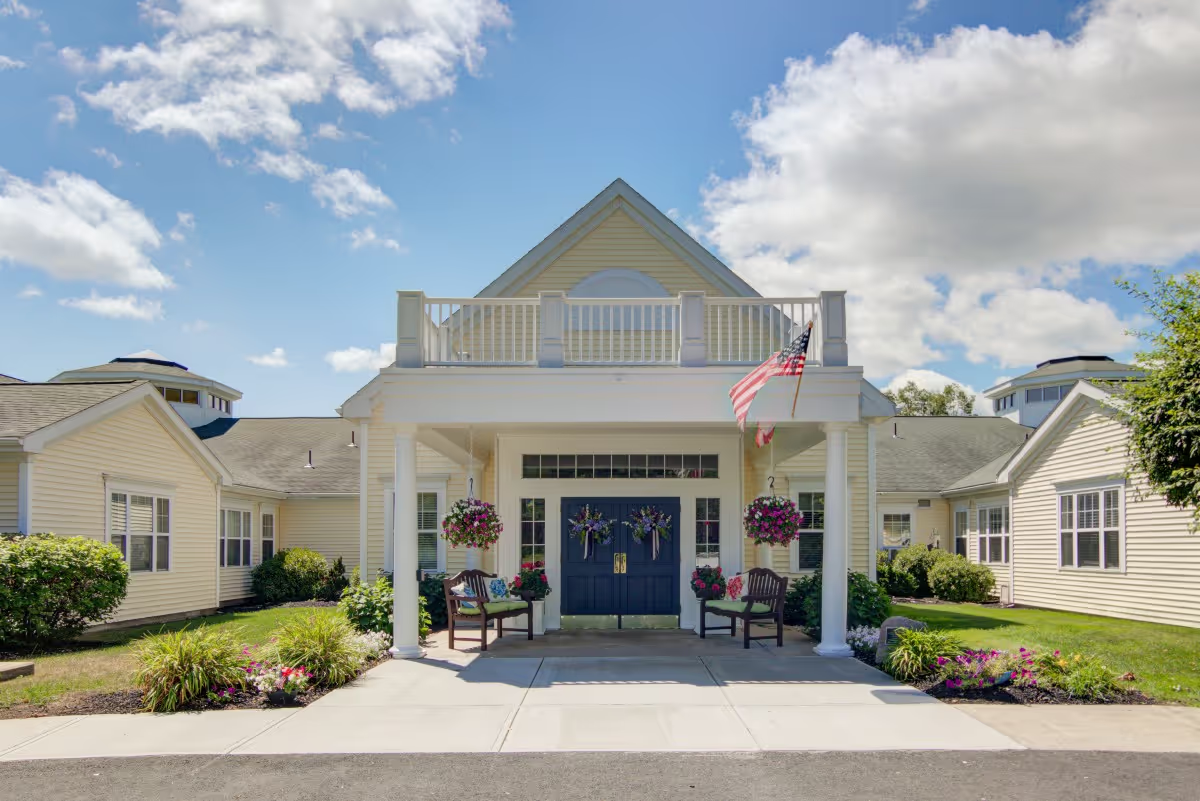
River Mills Assisted Living at Chicopee Falls elicits a mixed but distinctive profile: many families praise a new, well-kept facility, warm interpersonal culture, and an active social program, while others describe operational gaps that affect clinical reliability and family confidence. The property itself is commonly described as modern and pleasant — a recently built, hotel-like environment with bright common areas, a terrace and patio, and recognizable amenities such as a barber shop and accessible outdoor space.
Care and staffing: Caregiving staff and directors receive frequent positive remarks for compassion, approachability, and hands-on leadership. Nursing coverage and scheduled physician visits are noted as strengths where present. At the same time, reviewers point to inconsistent staffing levels (including limited night coverage) and variability in staff conduct and responsiveness. Several comments raise concerns about medication administration timing, documentation accuracy, and communication about medication changes, indicating uneven medication-management controls. There is also variability in the perceived quality of the memory-care unit; some families describe appropriate programming and safety, while others describe gaps in training, staffing, and oversight in that unit.
Dining and activities: The community’s social programming is often cited as a strength — visible arts and crafts, live music, outings, and engaging events that contribute to a lively, family-like atmosphere. Dining is frequently described as comfortable and airy with varied menus and appealing aromas; however, others note inconsistent food quality. Activity staff are generally seen as energetic, though a few families described interaction style or engagement levels that felt condescending or insufficient for residents with higher memory‑care needs.
Facilities and operations: The building and rooms receive consistent praise for aesthetics, layout, and upkeep. Conversely, some reviews identify operational lapses such as inconsistent room turnover or cleaning, leftover items from prior residents, and allegations of missing personal property that point to weaknesses in property-accountability processes. Transportation and on-site driving safety are additional operational concerns raised by families; these relate to driver practices and vehicle supervision rather than the physical plant itself.
Management and notable patterns: Management accessibility and individual directors receive positive mention for helpfulness and smooth move-ins; several families highlight a welcoming, responsive director and effective intake processes. Yet there are recurring concerns about communication transparency and administrative practices — including disputes over billing or contract changes and inconsistent follow-up on family inquiries. These managerial and communication issues, together with the clinical and operational patterns noted above, create a mixed overall impression: strong customer-service and amenities in many cases, with reliability gaps in clinical processes, memory-care oversight, property management, and transportation safety reported by others.
Practical guidance: Prospective families should tour the facility, speak directly with nursing leadership about medication protocols and staffing ratios (especially nights and memory care), request written care plans and documentation procedures, review contract and billing terms thoroughly, and ask about property tracking and transportation policies. The community offers clear strengths in environment and social programming, but due diligence on operational controls and memory‑care staffing will be important to ensure those strengths align with an individual resident’s needs.