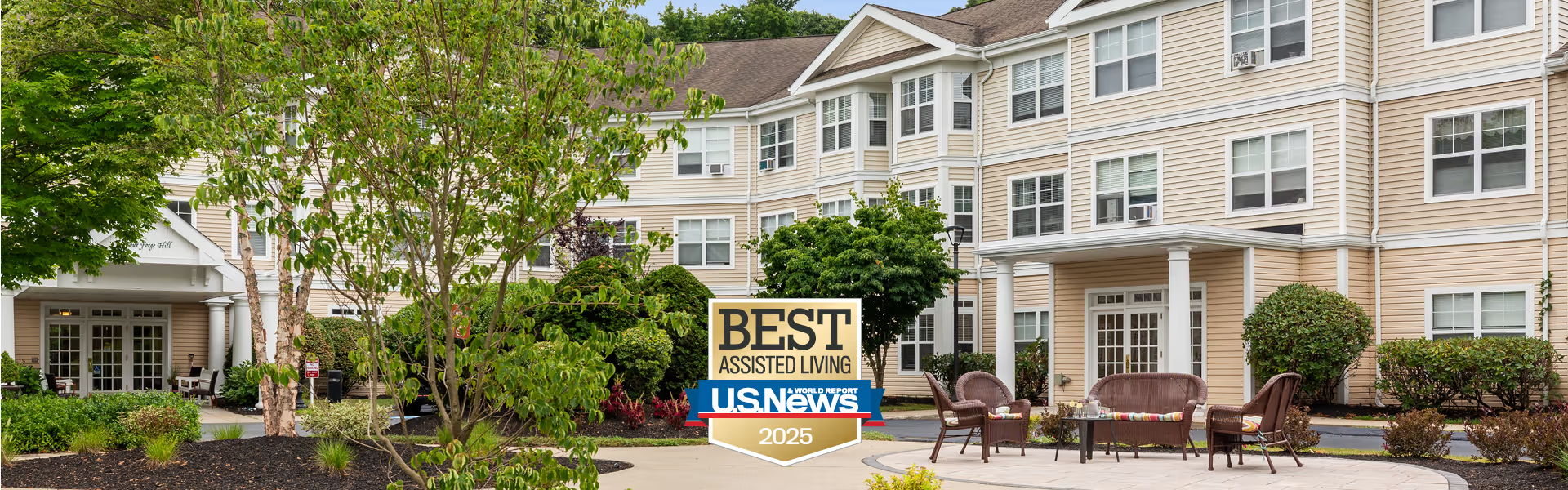
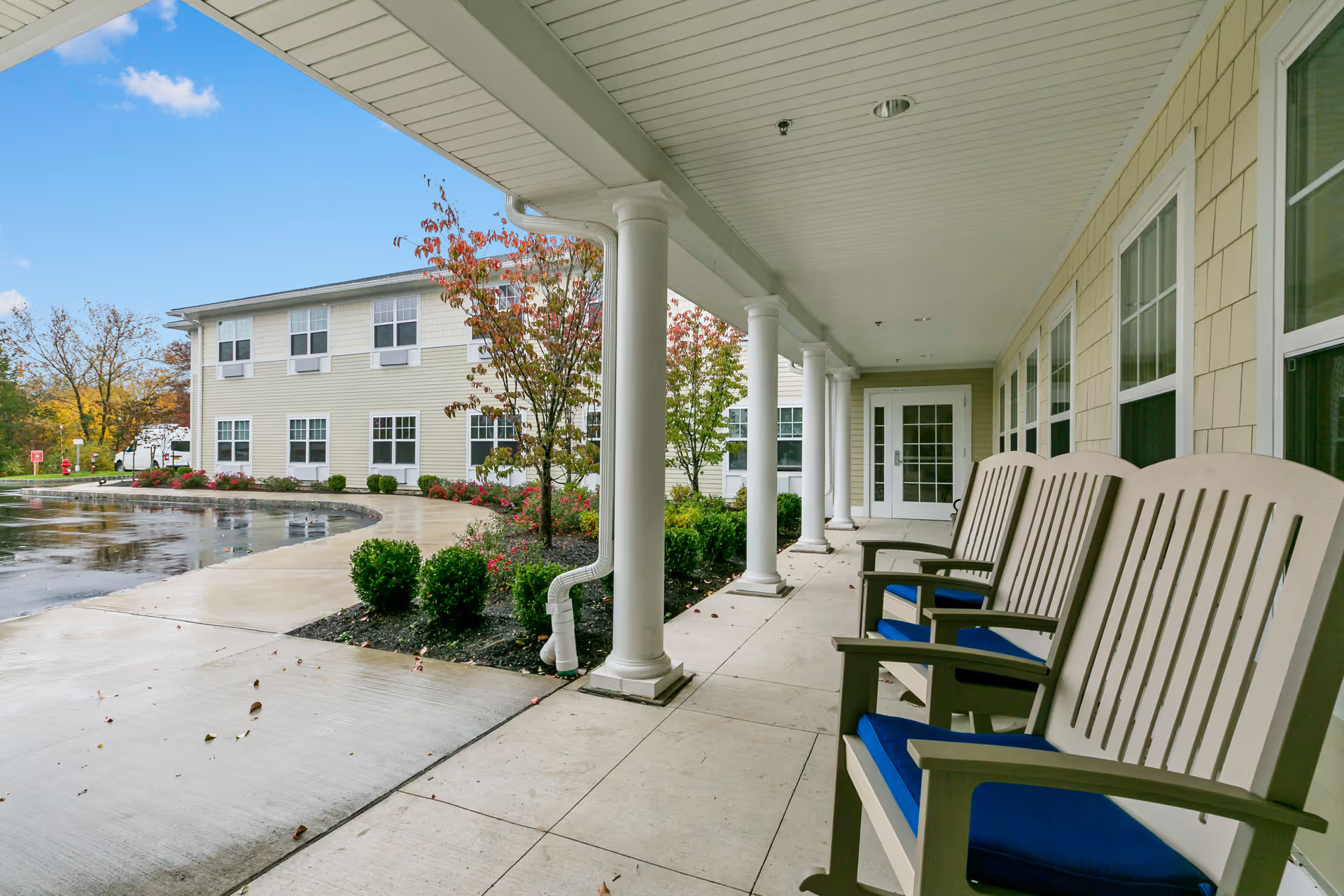
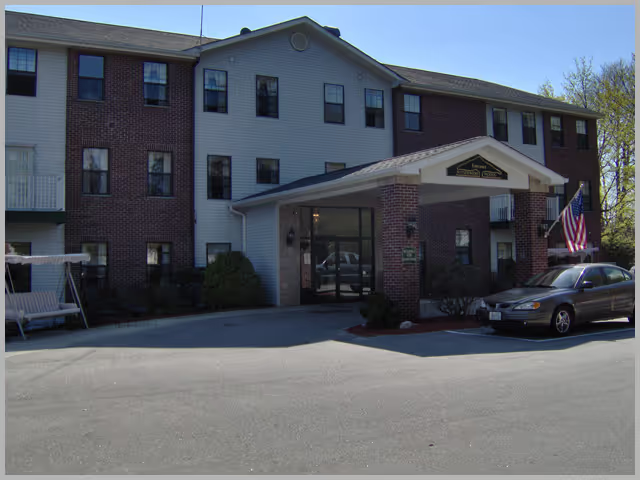
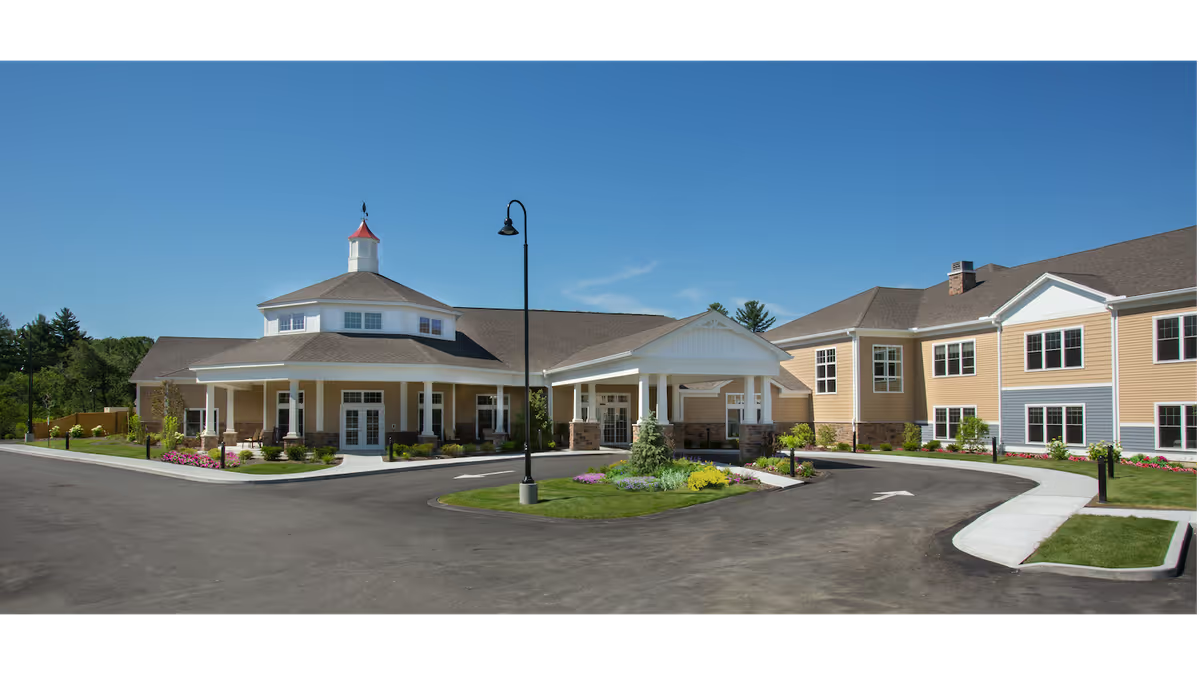
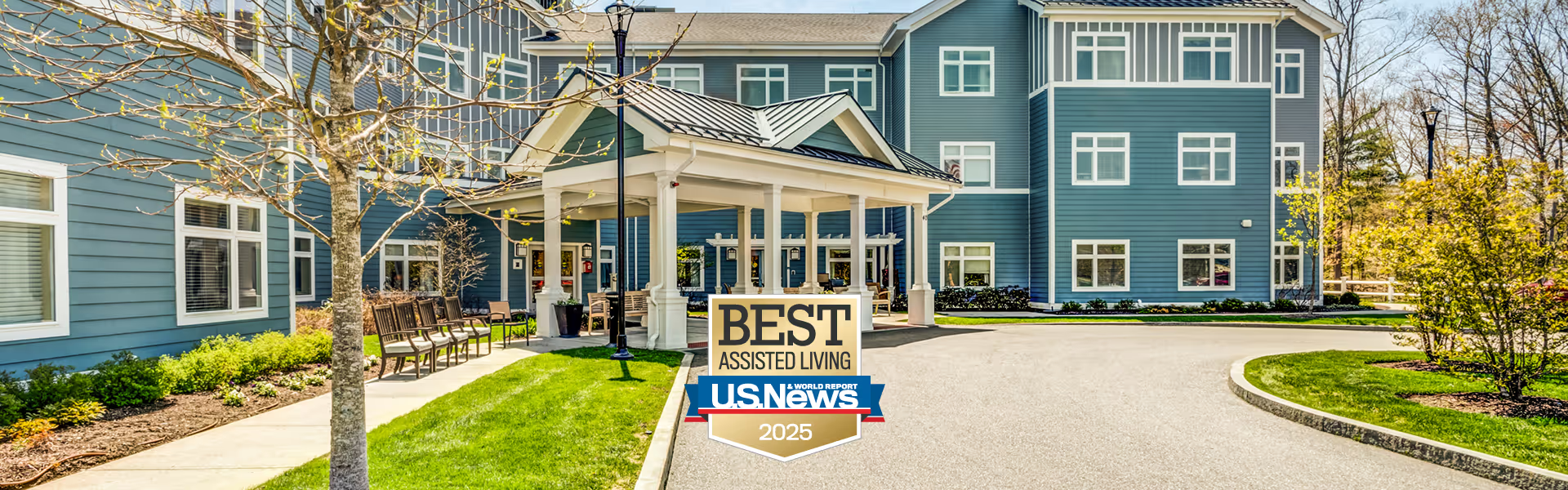
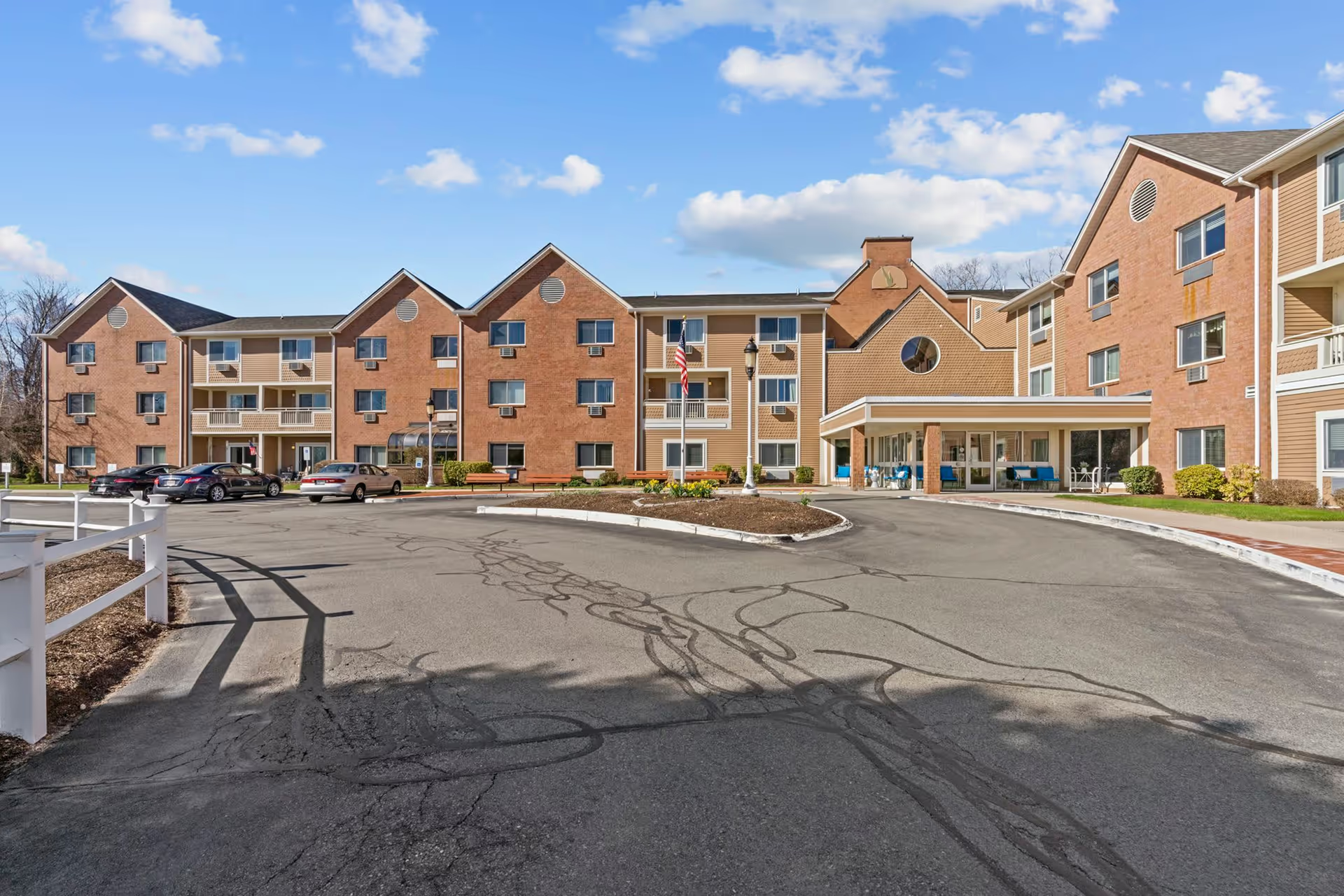
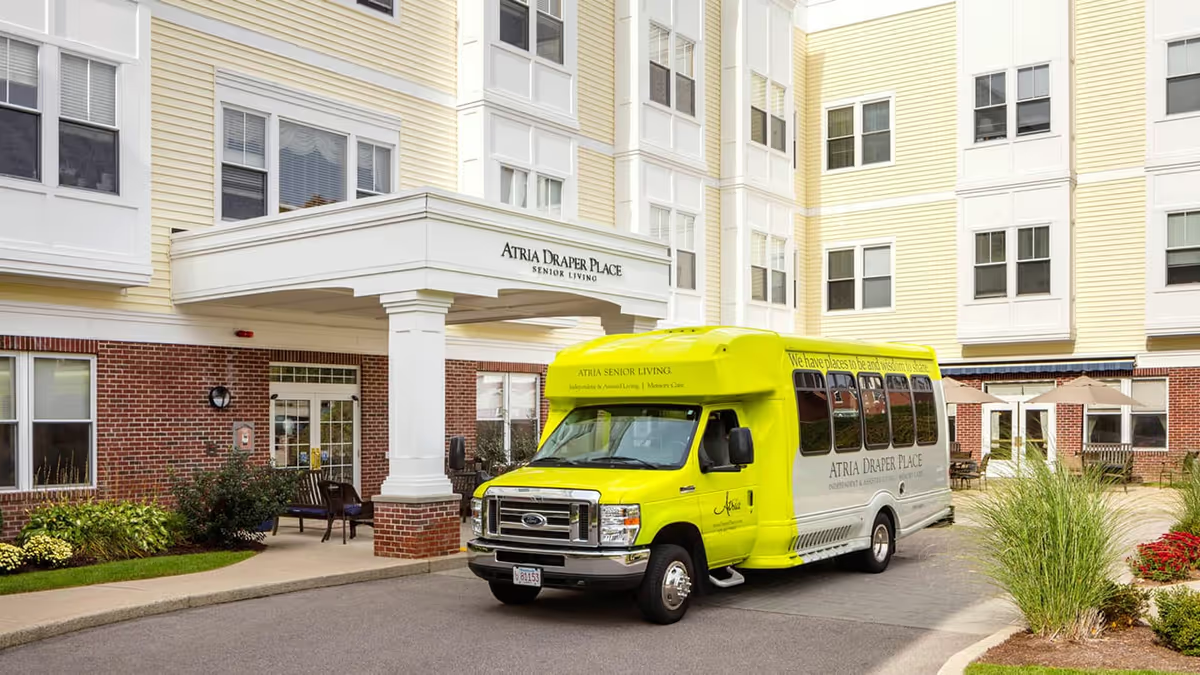
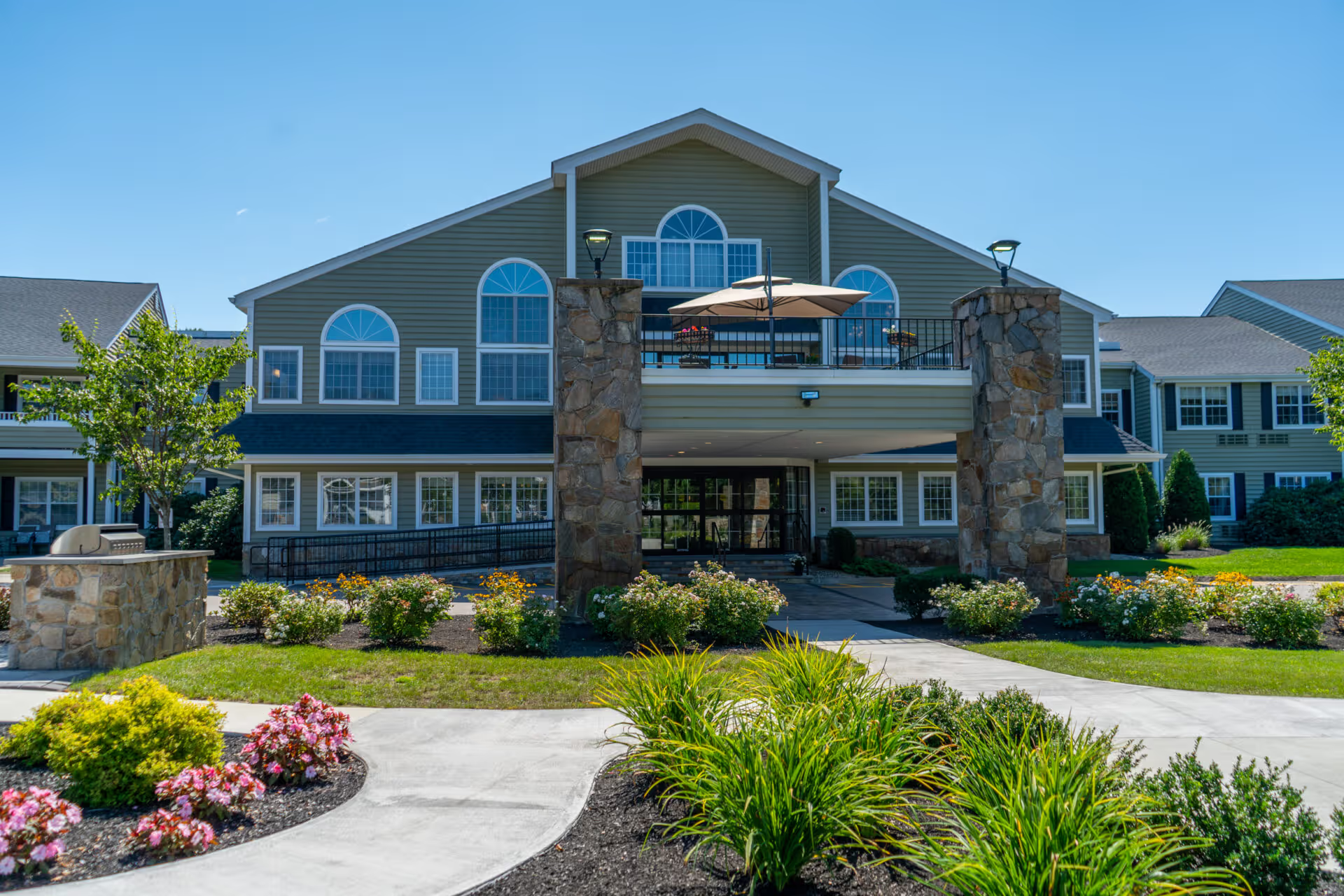
Magnolia Heights is consistently described as a bright, hotel-like senior living campus with strong physical assets and a robust activity program. Reviewers frequently praise the building design — open foyer, central common areas, large dining room, and private outdoor spaces such as balconies and patios — and note attractive landscaping and generally immaculate interiors. Many residents and family members highlight regular housekeeping, included laundry services, and a range of on-site amenities (movie theater, pool, exercise room, game areas) that support social engagement and an active independent-living lifestyle.
Staff and day-to-day care are a mixed but notable strength. A recurring theme is staff warmth and individualized attention: admissions and move-in teams, front-line servers, and activity staff receive repeated compliments for being personable, knowing residents by name, and facilitating social transitions. The community offers a wide array of programs (exercise classes, choir, outings, games, crafts) and an engaged activities director that many families credit with improving residents’ mood and participation. Basic supports such as pill management, weekly housekeeping, and transportation are available and perceived as helpful by many residents.
Dining and kitchen operations are a prominent area of concern. While some reviewers describe satisfying meals and a social dining atmosphere, a substantial number report inconsistent food quality, cold or bland meals, and limited menu flexibility. Several accounts point to rigid meal times and an inflexible serving policy that can inconvenience residents (for example, constrained breakfast windows and strict cutoffs). Related operational problems include chef turnover, occasional service gaps (including coffee-station issues), and specific sanitation or pest-control concerns in kitchen areas. These patterns suggest variability in dining reliability rather than uniformly poor dining across the community.
Management and operational consistency show mixed signals. Multiple reviewers identify frequent management and staff changes, which appears to have affected morale and continuity of service in some areas. There are also recurring notes about misleading or overpromising information during tours and admissions, making it advisable for prospective residents to verify key operational details directly with current residents and staff. Parking limitations, including constrained handicap parking, and limited wheelchair-accessible transportation options were mentioned as practical drawbacks to evaluate during a visit.
Overall, Magnolia Heights offers strong physical amenities, an active program of engagement, and many examples of attentive front-line staff and supportive move-in assistance. The principal patterns prospective residents and families should weigh are variability in dining and kitchen operations, managerial turnover affecting consistency, and several operational limitations (parking, transportation accessibility, and occasional sanitation concerns). For families considering the community, recommended areas to investigate further during a tour include meal-service schedules and sample meals, current kitchen sanitation practices, staffing stability among dining and care teams, parking availability, and the experience of current residents with daily routines.