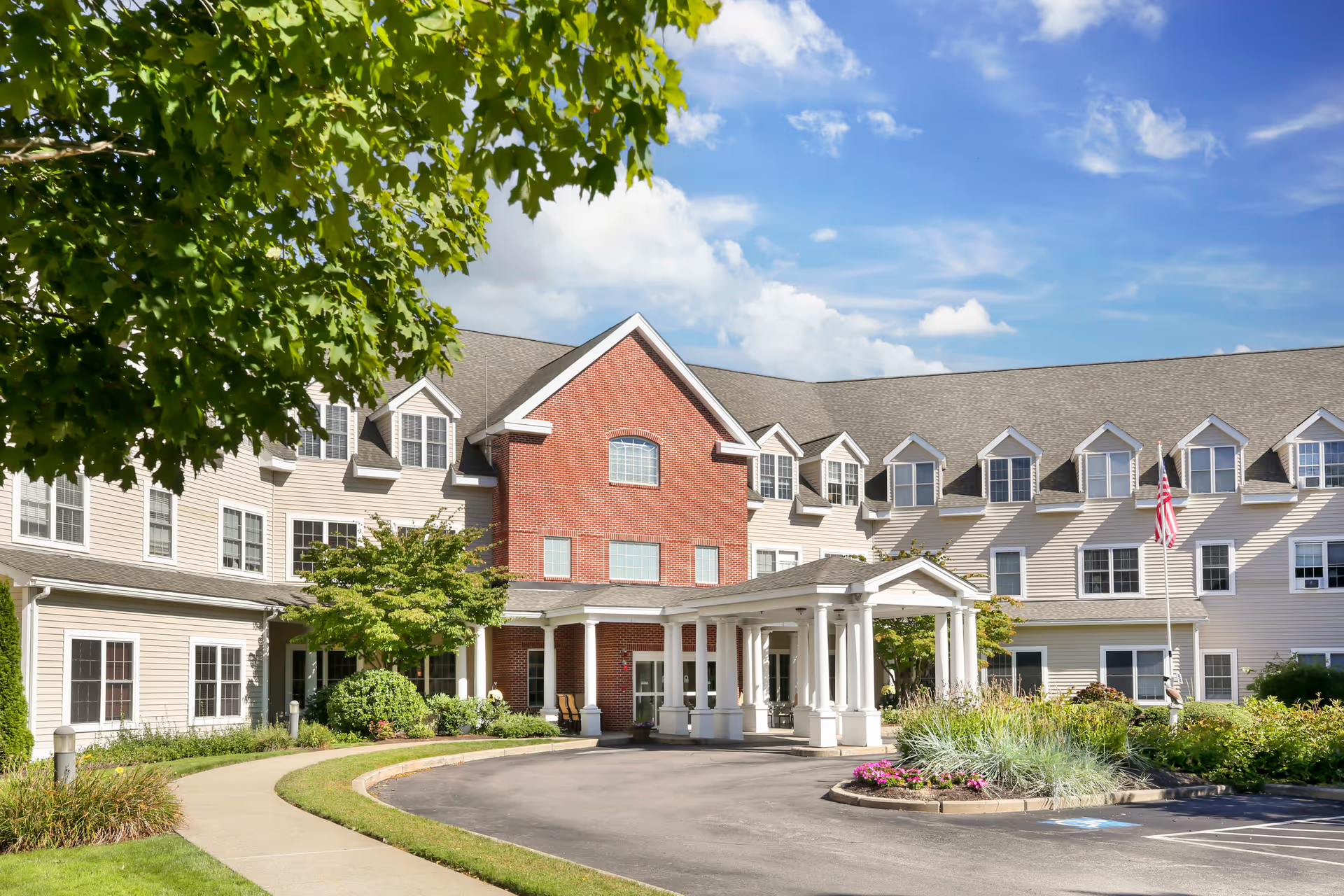
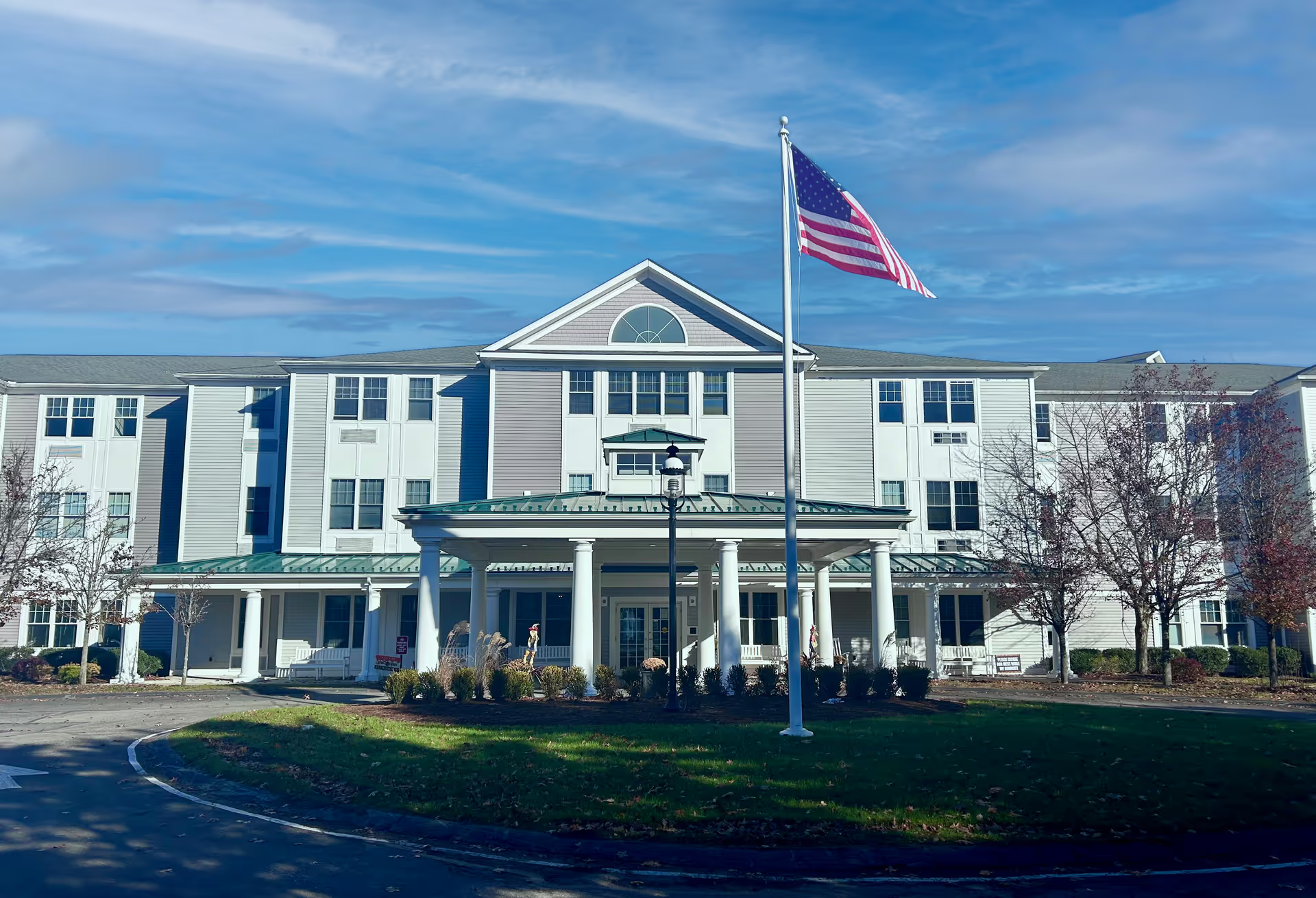
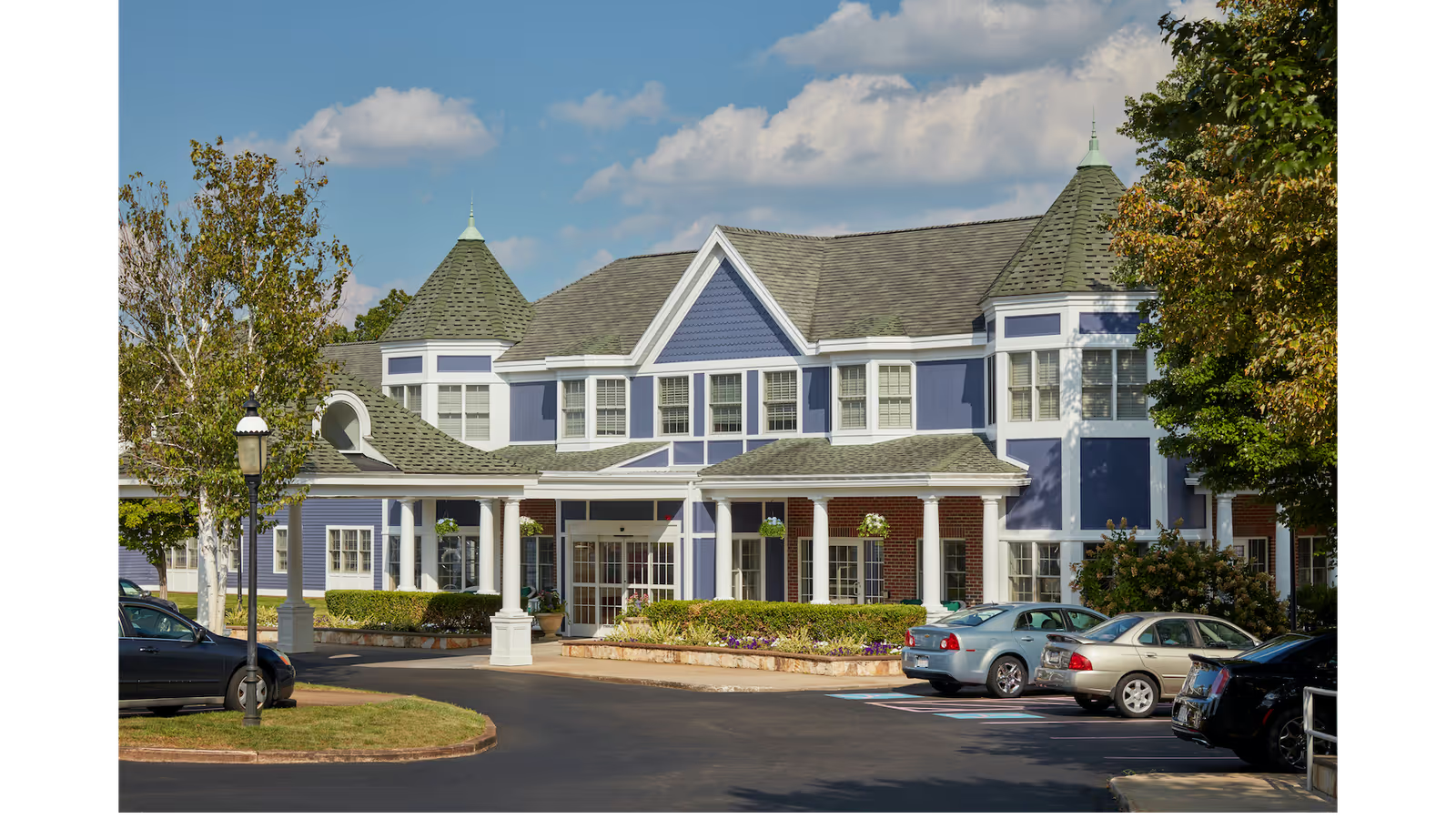
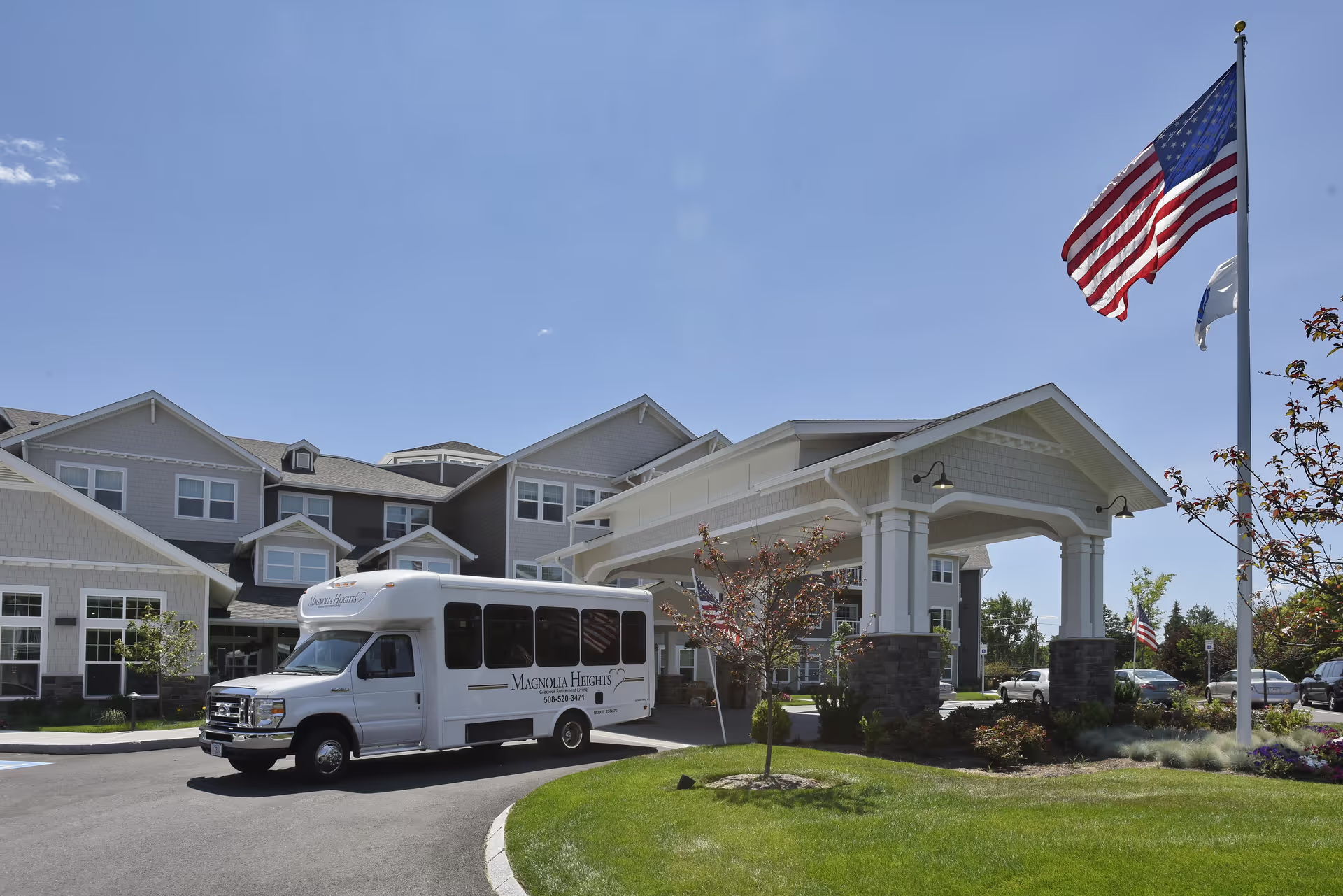
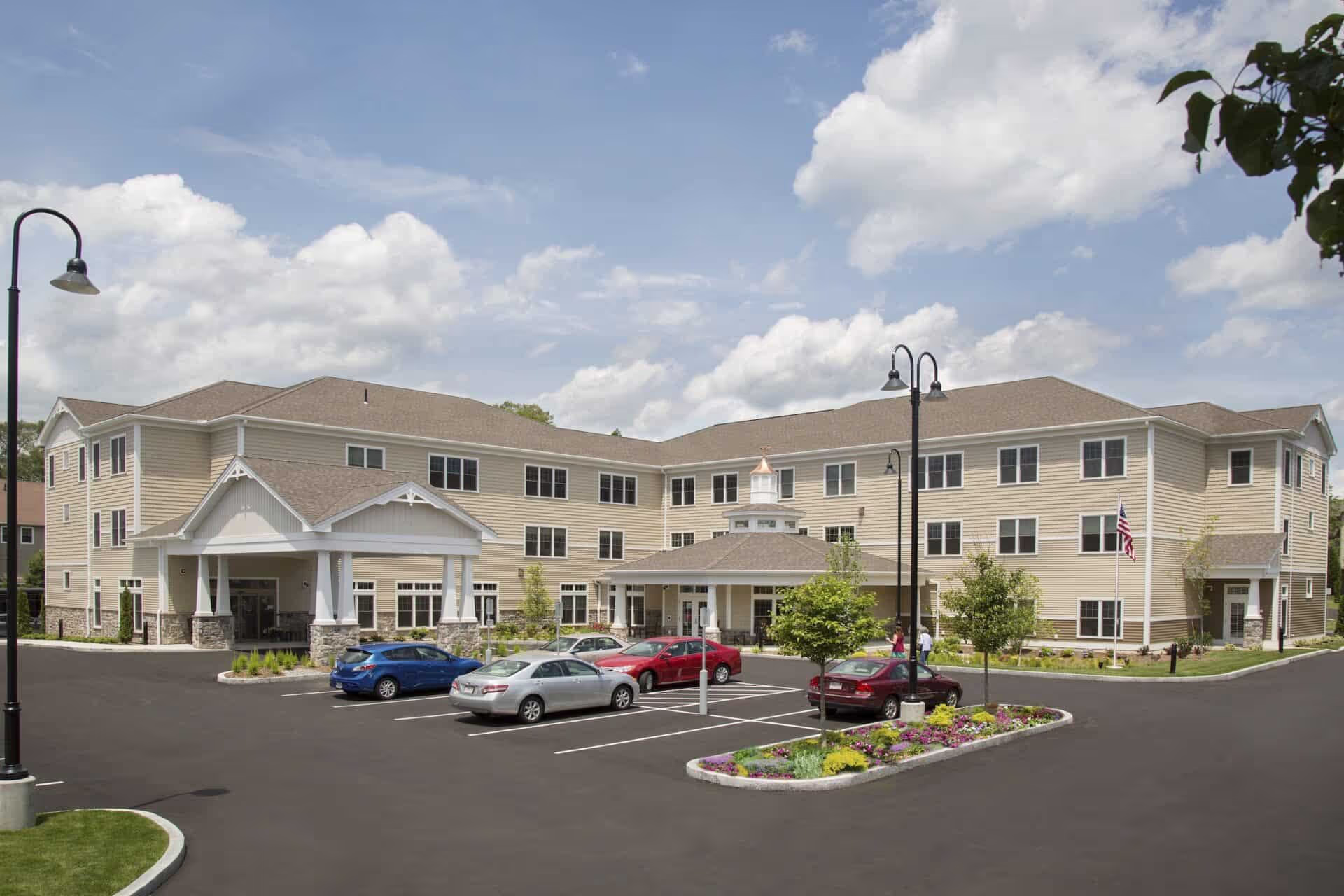
The Village at Willow Crossings presents as a large, amenity-rich continuing care retirement community with a clear emphasis on social programming and a home-like atmosphere. Reviewers consistently describe a well-appointed campus offering a full continuum of care — independent living cottages, assisted living, memory care neighborhoods, and skilled-nursing/rehab services — combined with restaurant-style dining, multiple indoor amenities (pool, gym, salon, library, pub), and an active calendar of events and outings. The physical environment and grounds are frequently characterized as attractive, clean, and well maintained.
Care and staffing are among the facility's strongest features in reviewer accounts. Many families and residents emphasize compassionate, attentive employees, long staff tenure, and an organizational culture that prioritizes dignity and individualized attention. Front-desk responsiveness, proactive clinical outreach (including hospice coordination), and staff familiarity with residents' names were noted as contributors to residents' sense of safety and belonging. At the same time, some accounts point to episodic staffing variability that can affect the timing of services, activity coverage, or access to amenities.
Dining and activities are major draws. The dining program is often described as restaurant-quality with chef-influenced menus, hotel-like service, and plentiful choices; a number of positive comments highlight special menus and presentation. Parallel to that, the programming calendar is described as comprehensive—brain-exercise groups, live music, trips, classes, support groups, and themed events—which appears to support social engagement and improved resident wellbeing. However, there are operational concerns around meal variety for longer-stay residents and insufficient diabetic-friendly or therapeutic-diet options; prospective residents with specific nutritional needs should review menu cycles and accommodations.
Facility layout and accessibility warrant careful review on an individual basis. Units and common areas are generally well kept, but several reviewers indicate that some apartments and bathrooms are small, windows can be limited, and the overall building footprint can require long walks for residents with limited stamina. Some bathrooms may not accommodate larger mobility devices such as electric wheelchairs. These constraints may affect residents with advanced mobility or dementia-related needs, and families should confirm unit dimensions and accessibility features during a tour.
Management, billing, and transportation are mixed areas. Many reviewers praise responsive leadership, organized move-ins, and supportive administrative staff; others describe businesslike contract interactions, delays in refundable-deposit processing, and occasional billing friction. Transportation services and off-site trips are valued, yet there are remarks raising concerns about driving practices and routing; families should ask about driver training, vehicle safety policies, and typical routing. Costs are a consistent theme: the community is perceived as premium-priced, and additional care services or a la carte charges can increase monthly expenses substantially.
Overall, Willow Crossings may be a strong fit for older adults seeking an active, socially engaging campus with extensive amenities and staff who emphasize personalized, compassionate care, provided the budget allows for premium pricing. Prospective residents and families are advised to verify, during a personalized visit, the specific unit accessibility, dietary and therapeutic meal capabilities, transportation safety protocols, staffing patterns for the relevant neighborhood, and the facility's contract and refund policies to ensure alignment with clinical, mobility, and financial needs.