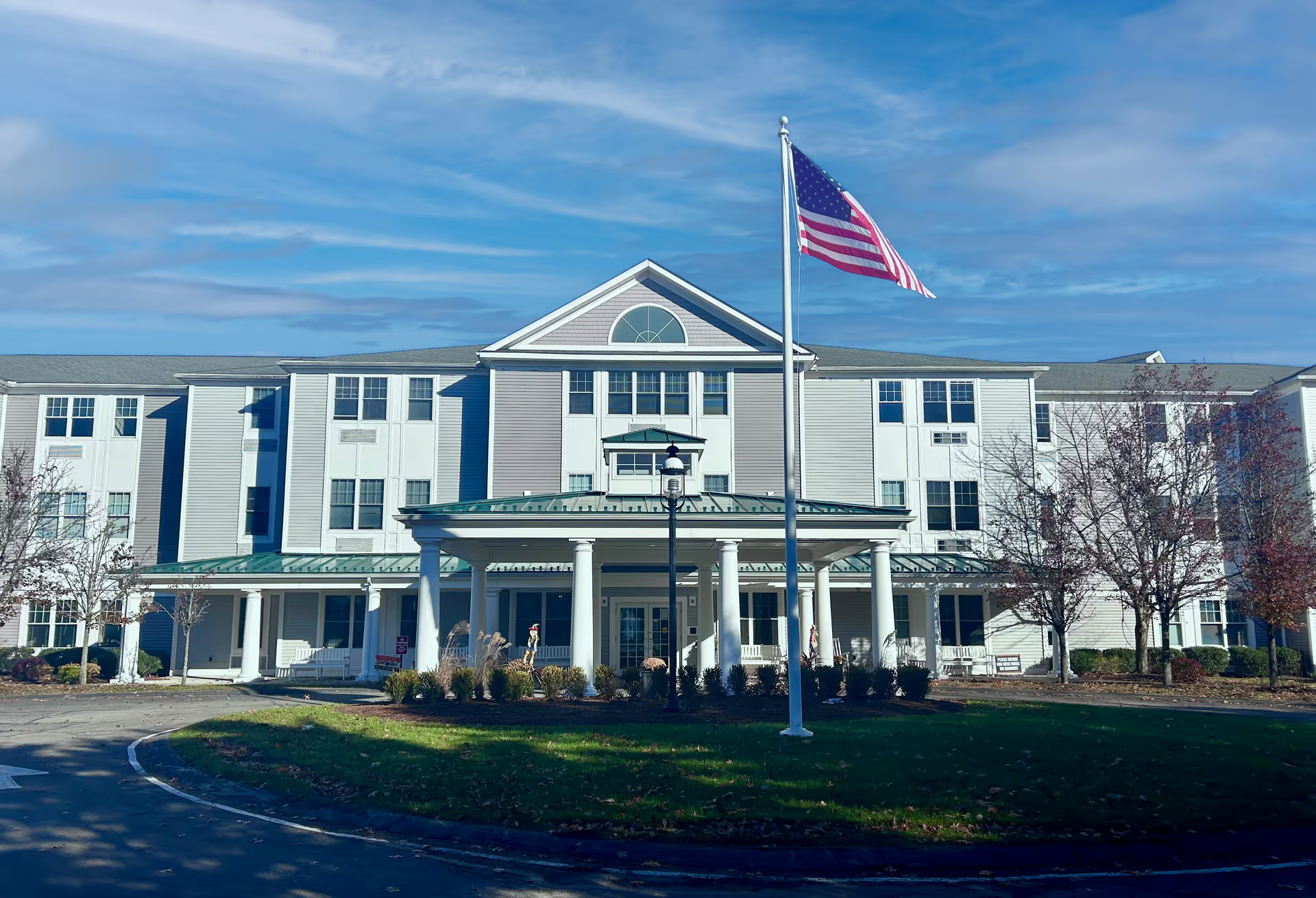
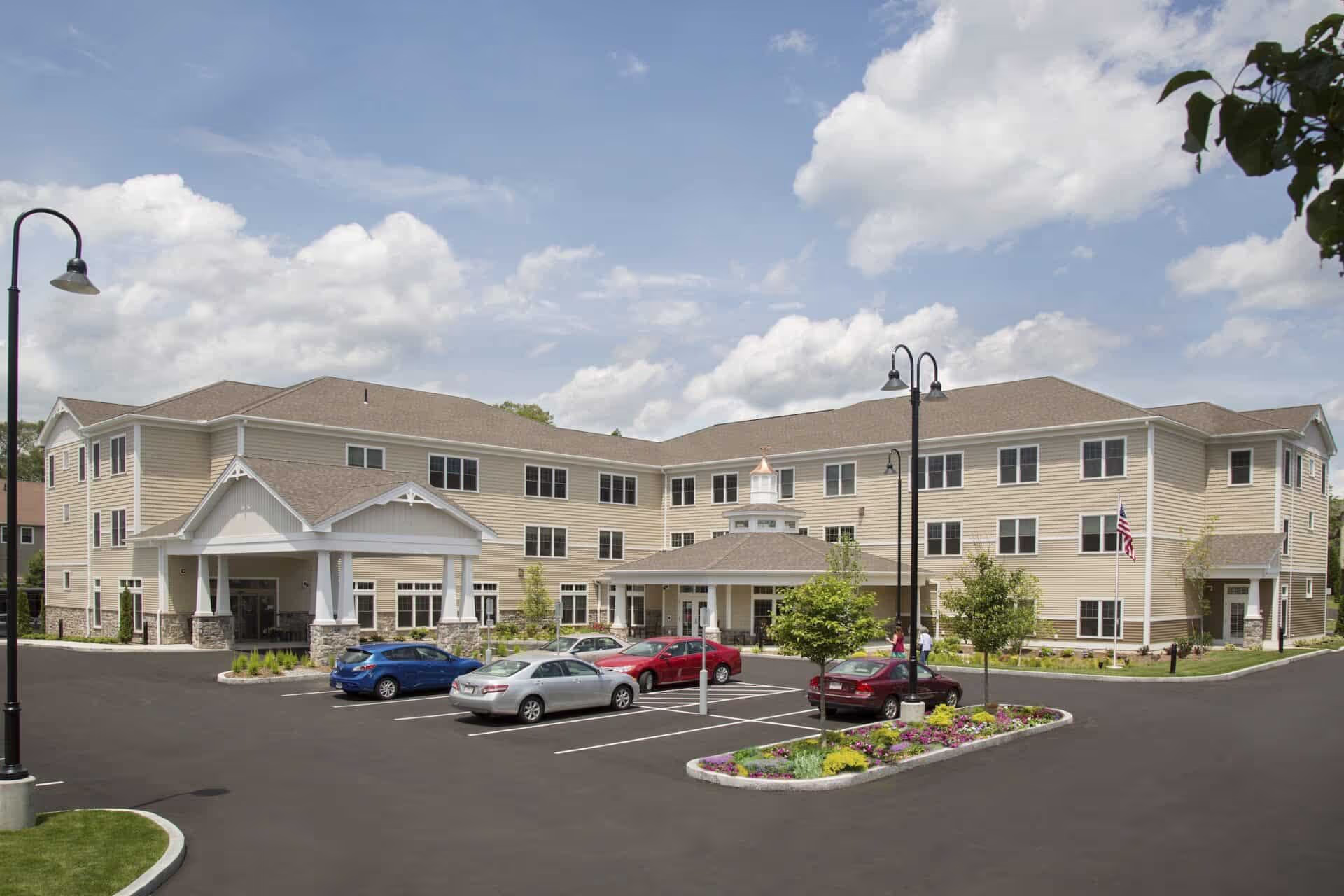
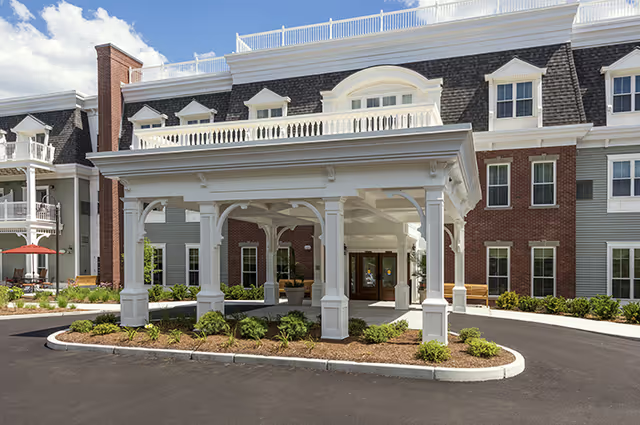
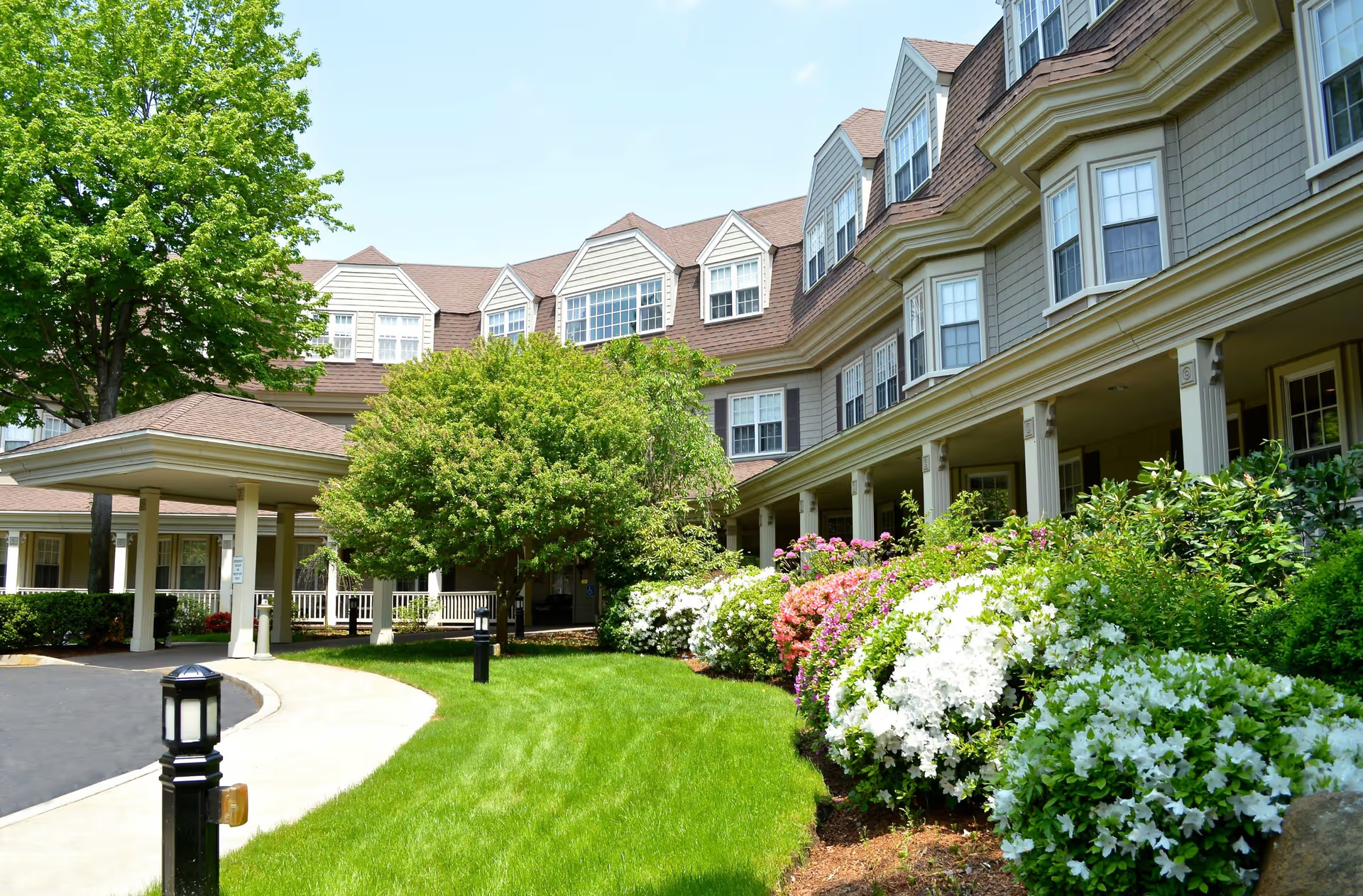
Reviewers present a mixed but overall informative picture of Heights Crossing Assisted Living. Strengths repeatedly cited include compassionate, accessible staff and a strong social program. Families and residents commonly mention an active calendar—bingo, singalongs, art, card games, live music, patio gatherings, and supervised outings—and a named Compass Memory Support program that many families found well structured. Public areas and common spaces are described as clean and attractive, with a welcoming lobby, courtyard, on-site salon, and convenient access to medical and retail amenities.
Care quality and staff interactions receive substantial positive feedback: many families describe supportive, respectful caregivers, smooth move-ins, helpful transition guidance from leadership, and long-tenured employees who foster a family-like atmosphere. Several reviewers named specific staff who provided strong hands-on support and praised the community’s responsiveness. Medication-administration support and access to allied services such as podiatry and hairdressing are noted as operational strengths.
However, there are consistent operational concerns that prospective residents and families should evaluate. Safety and supervision practices are an area of divergence: while some families felt the environment was safe, others described lapses in supervision and fall-prevention that led to adverse outcomes and transitions to higher-level care. Cleanliness and laundry/personal-care consistency are uneven across accounts; although public spaces are often described as well maintained, several families reported sanitation and laundry-handling issues in personal apartments. The memory-care unit in particular is described by some as dated, with small or shared rooms, shared bathrooms, noise/privacy challenges, and occasional crowding—factors that affect privacy and perceived value.
Dining and overall value also show variability. Many reviewers praise the food’s freshness, presentation, Mediterranean-leaning options, and attentive dining staff; others describe unsatisfactory meals, indicating inconsistent culinary execution. Management and administrative practices earned both praise for accessible leadership and criticism for inconsistent follow-through on promised services, contract and billing disputes, and isolated allegations relating to resident financial safeguards. Prospective residents should ask specific questions about refund policies, financial safeguards, and how the community prevents and responds to internal conduct concerns.
In summary, Heights Crossing presents strong social programming, engaged staff, and attractive common areas that many families appreciated. At the same time, there are recurring facility-level issues—supervision and fall prevention, personal-room sanitation and laundry consistency, an aging memory-care physical plant with limited private-room options, and variability in dining and administrative follow-through—that warrant careful, specific inquiry during tours. Families should verify staffing ratios and supervision practices, inspect memory-care room configurations, review contract and billing terms, and discuss safeguards for resident possessions and finances to determine whether the community’s strengths align with the prospective resident’s needs.