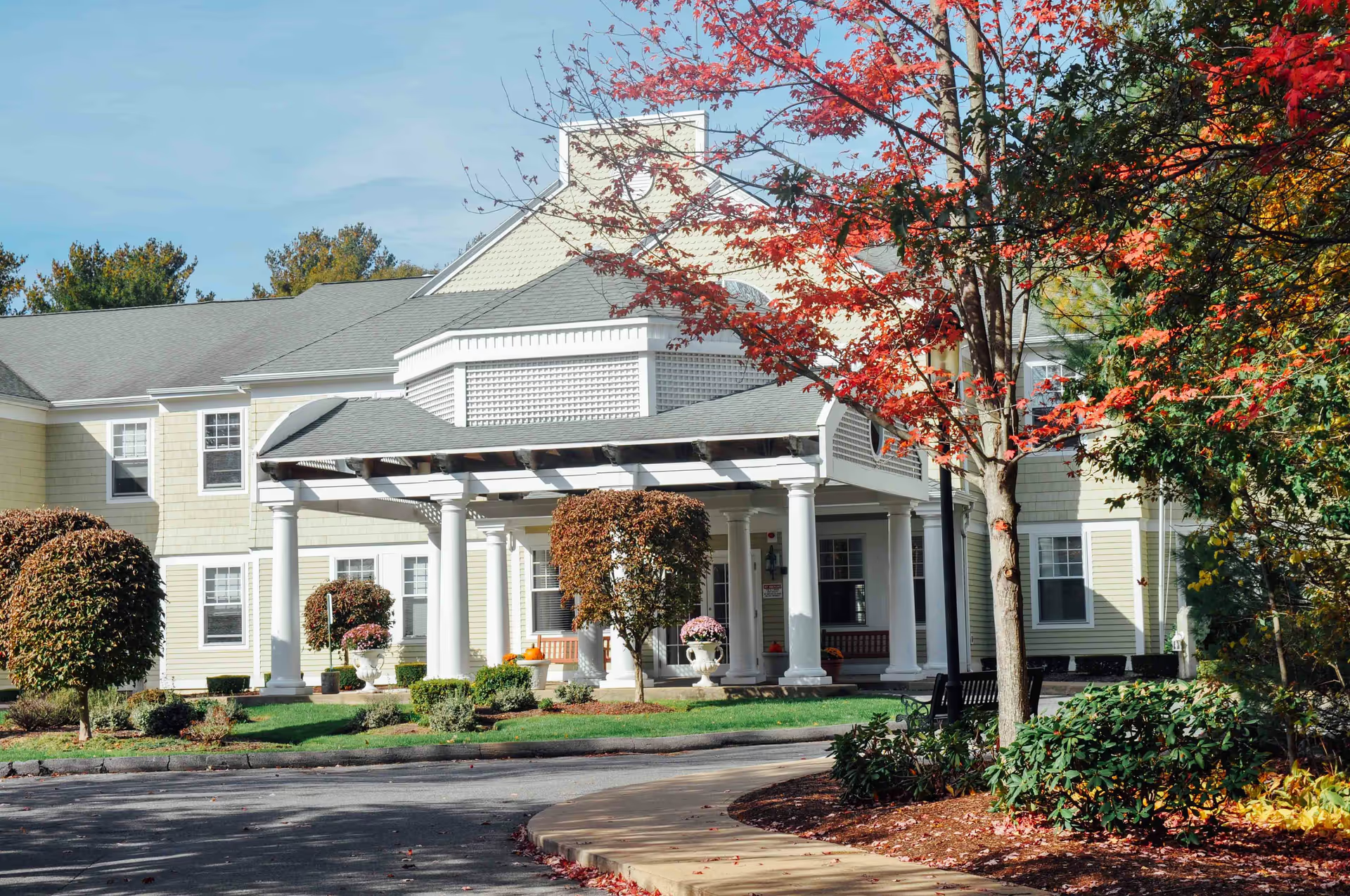
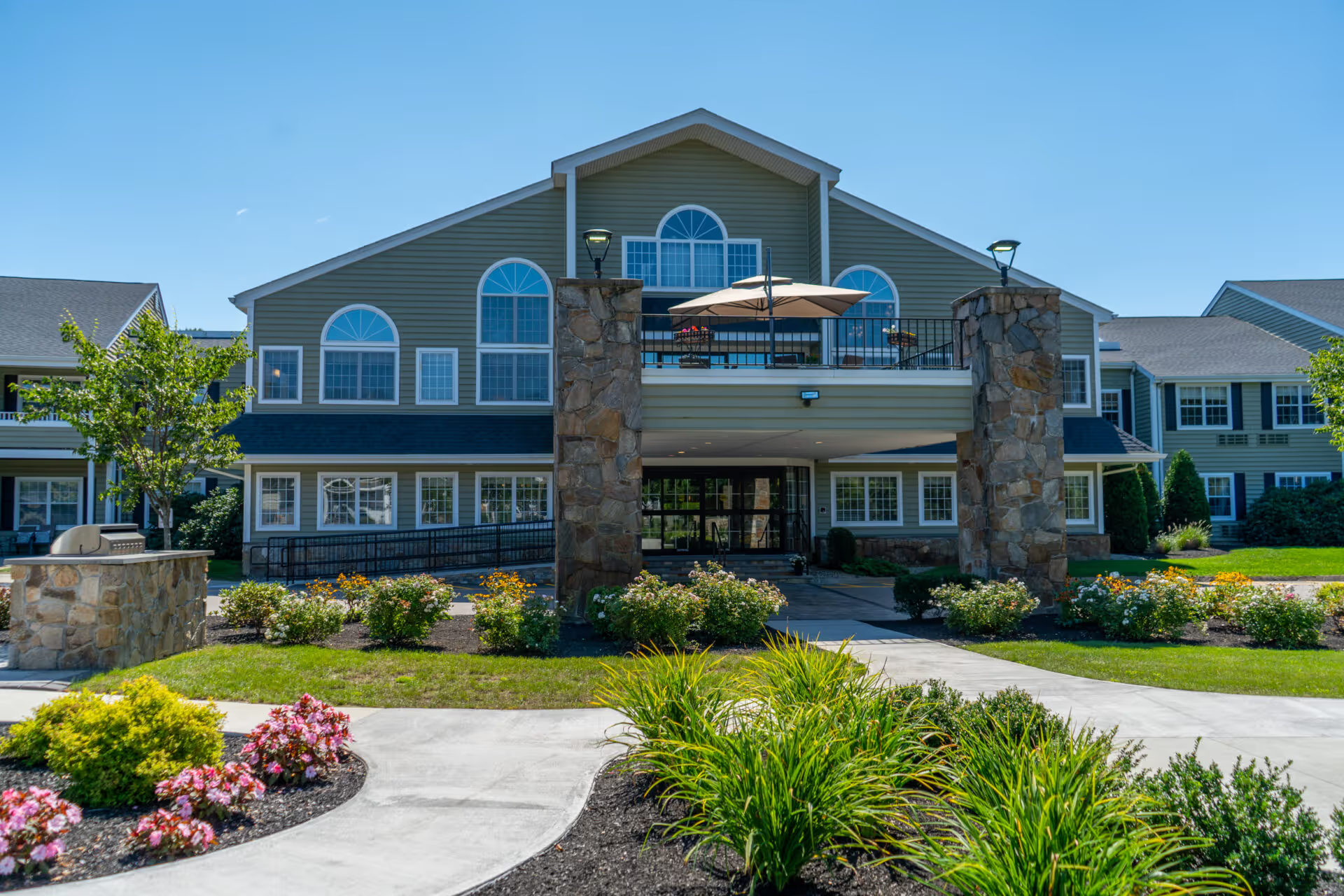
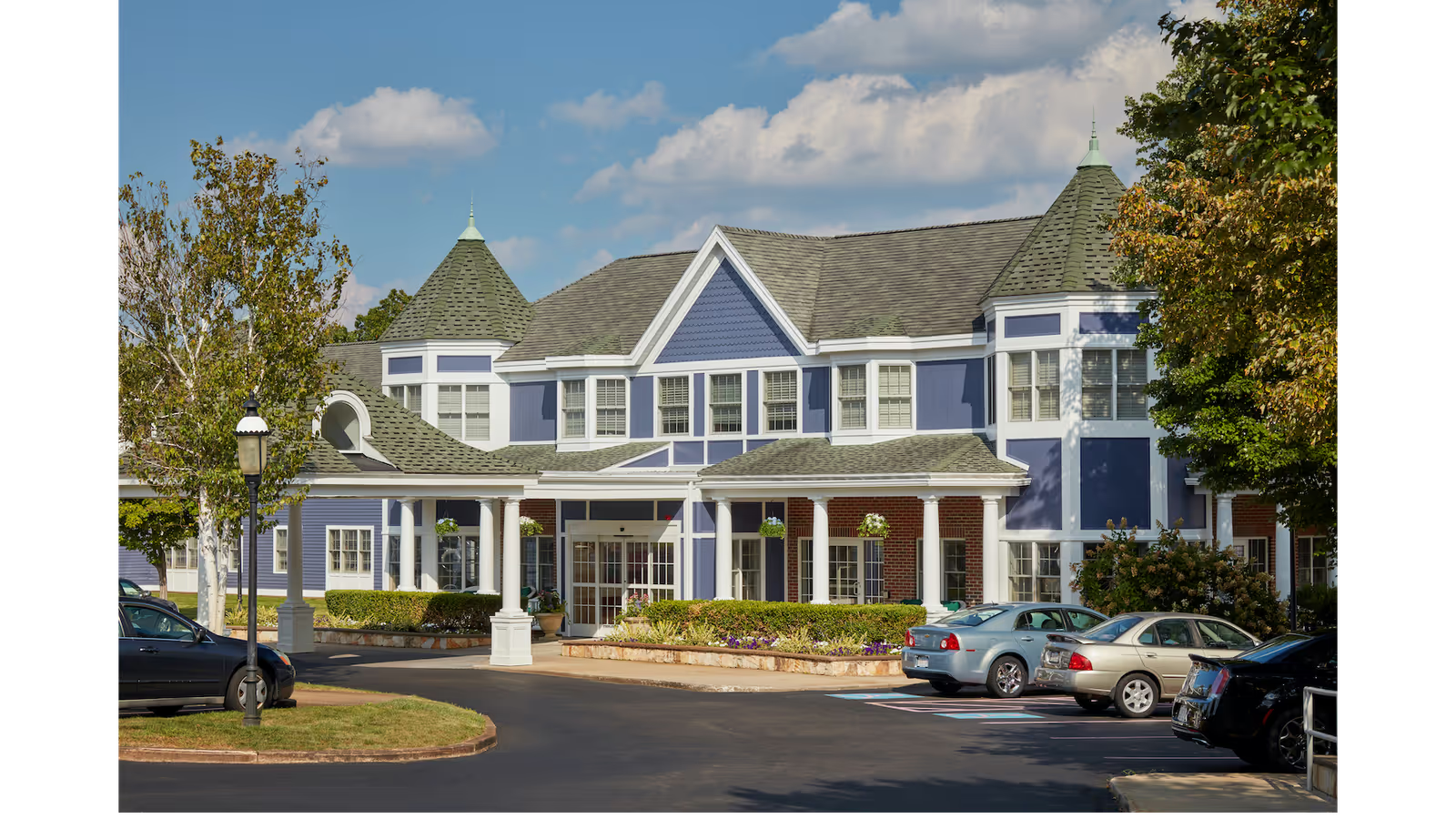
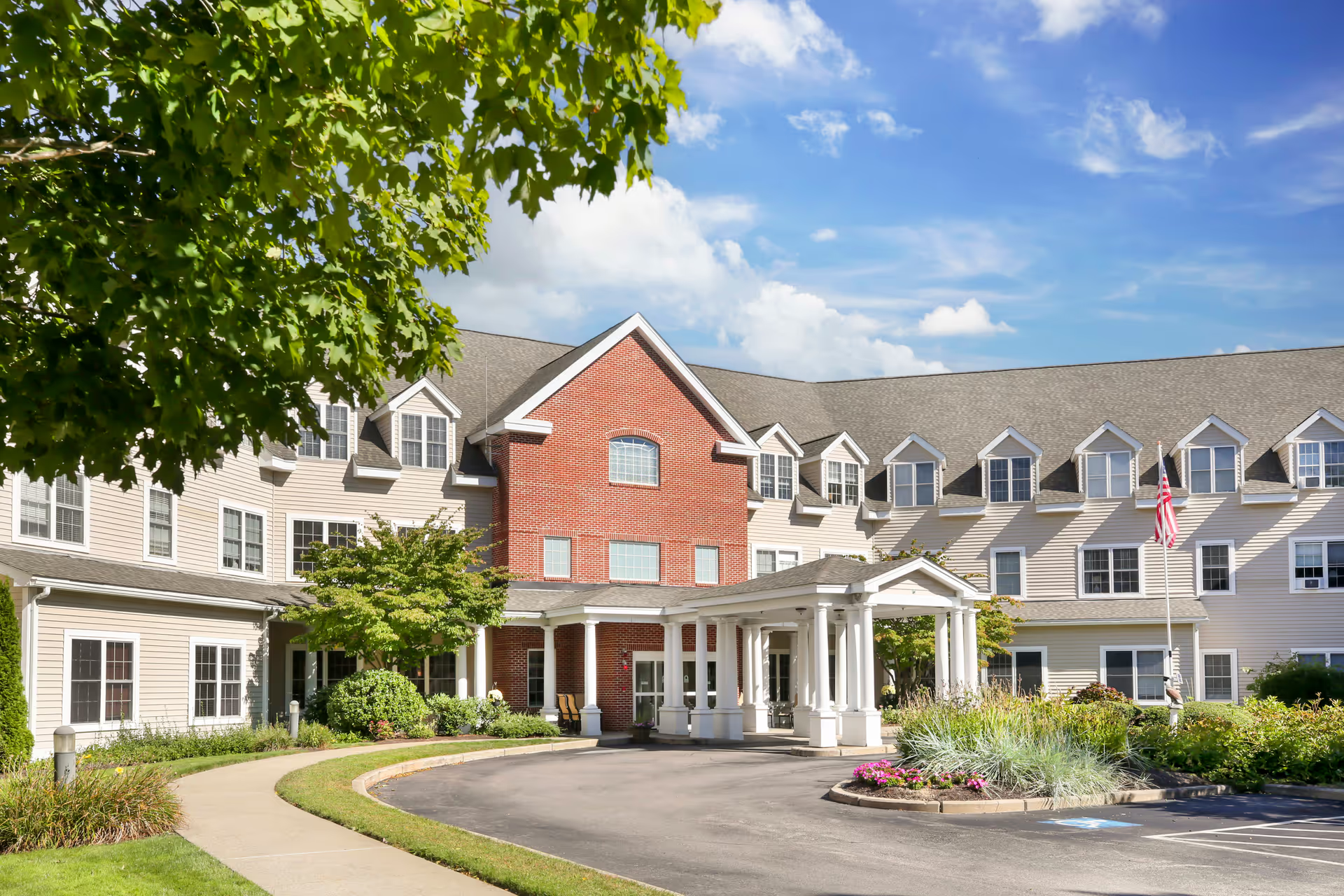
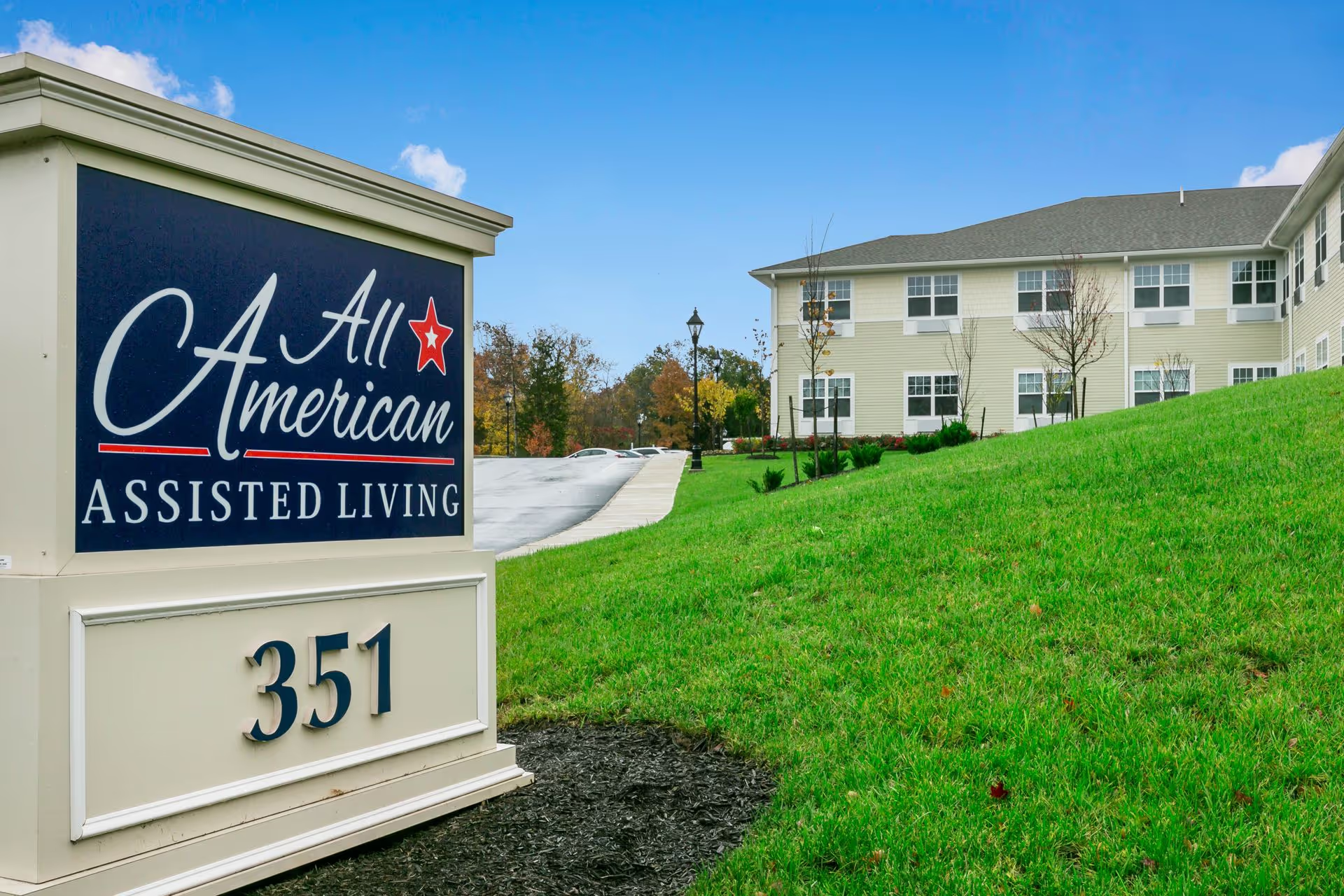
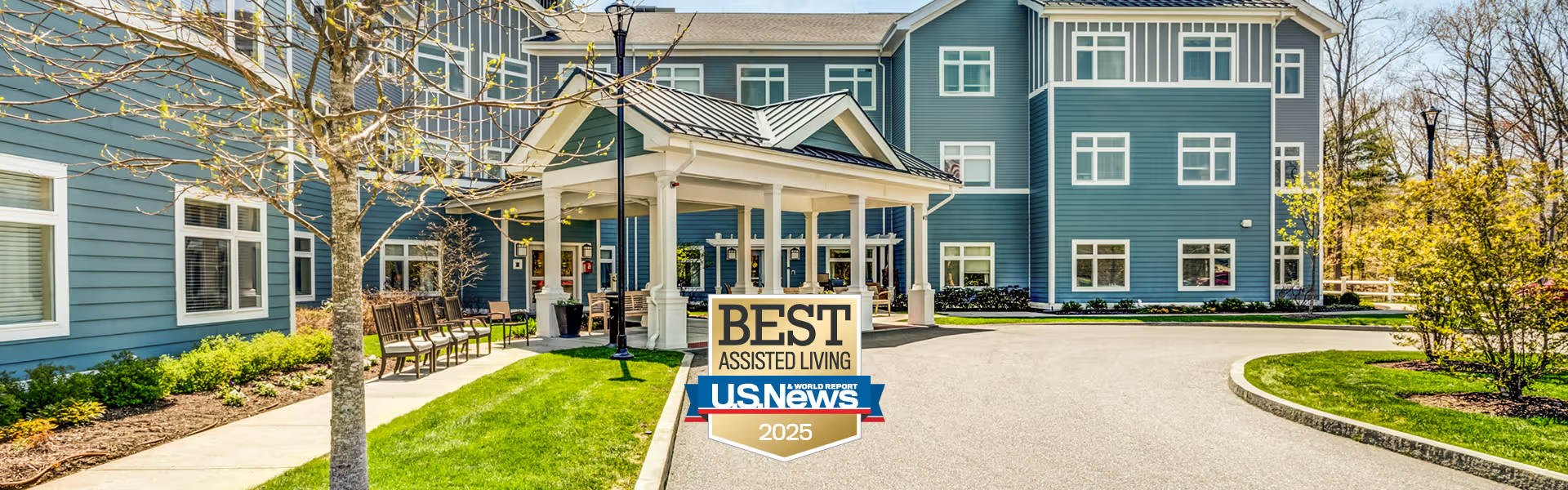
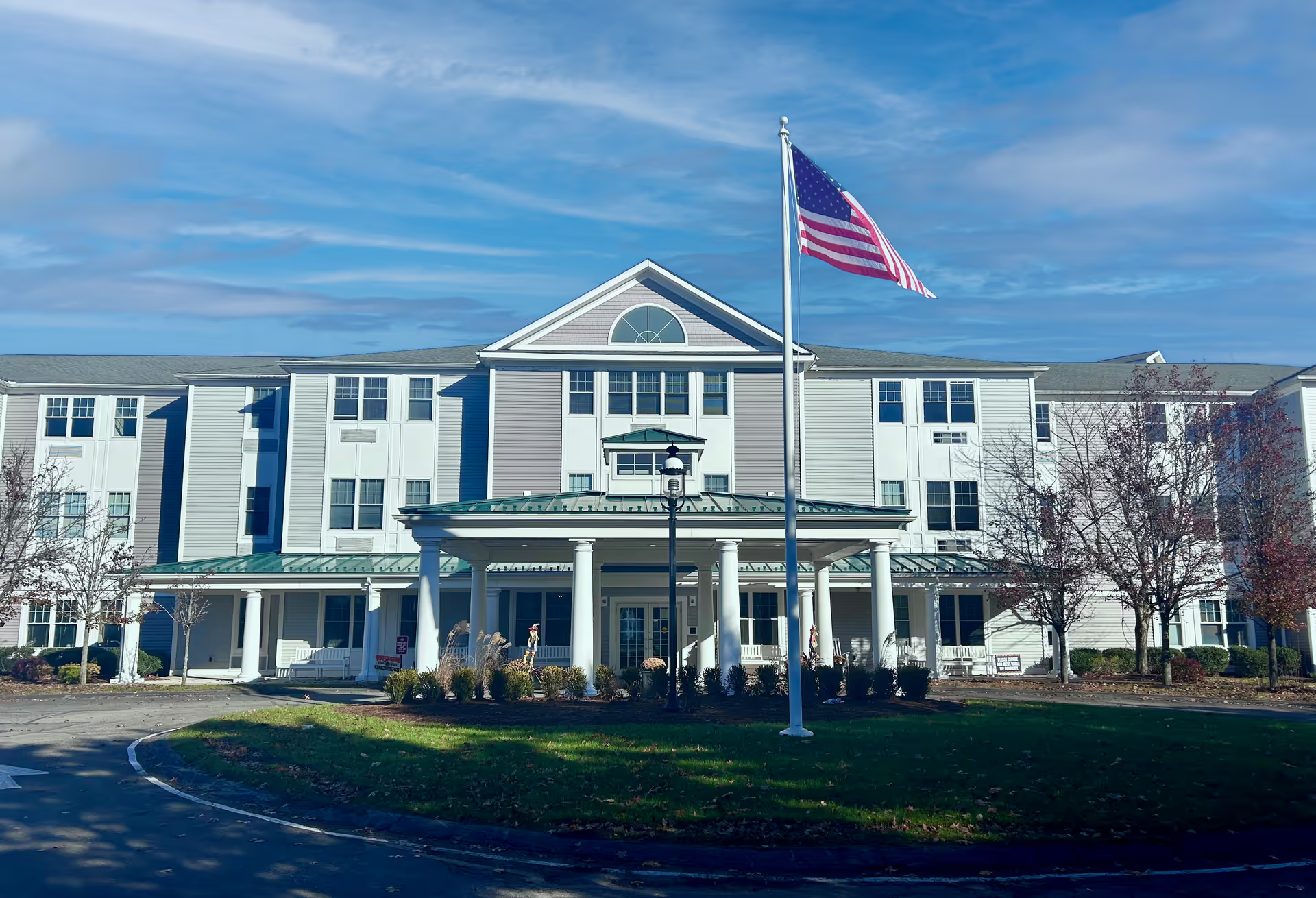
All American Assisted Living at Raynham receives frequent praise for its direct-care staff, cleanliness, and active community life. Families and residents commonly describe caregivers—nursing assistants, nurses, and activity staff—as compassionate, attentive, and personalized in their approach; several accounts highlight positive clinical partnerships with on-site therapy and good outcomes from PT/OT services. The community’s small memory-care neighborhood, private-bedroom options, and hands-on assistance are frequently noted as strengths for residents who need closer supervision. Physical attributes—newer construction, an atrium, well-kept common areas, and a small, home‑like scale—support a welcoming atmosphere.
Dining and activities are central to the community experience. Many reviewers describe multiple daily meal options, enjoyable menus, a bistro/snack access, and special food events; at the same time, there are recurring comments about uneven meal-service continuity (including running out of items and occasional dining delays). The activities program is widely regarded as robust, with regular outings, entertainment, themed events, and resident-spotlight initiatives that contribute to a social, engaged resident population.
Clinical and operational patterns present a mixed picture. While direct caregivers are generally praised for responsiveness and individualized attention, reviewers also describe gaps in nursing oversight and inconsistencies in clinical communication to families. Staffing challenges such as turnover and low morale are cited as contributors to intermittent understaffing and delays in care access, and growth-related scaling issues have been mentioned as a source of strain. Memory-care access and transfers have occasionally experienced delays, which prospective families should clarify during tours.
Management and administrative practices elicit divergent impressions. Several families commend specific directors and the admissions process for being supportive and organized; other accounts point to inconsistent communication from leadership, unclear move-in policies, and a lack of transparent pricing around additional daily care fees. Maintenance is largely adequate but some reviewers note minor hardware or unit-specific maintenance issues that warrant follow-up.
For prospective residents and families, the facility’s consistent strengths are its caring front-line staff, active programming, therapy services, and clean, newer building. Key areas to evaluate in person include current staffing ratios and turnover trends, nursing oversight and how clinical issues are escalated, written explanations of pricing and extra fees, specific meal-service practices and contingency plans, and the facility’s admission/move-in rules. Asking for recent staffing schedules, a sample care-plan communication protocol, and references from current families can help assess whether the community’s operational practices align with expectations.