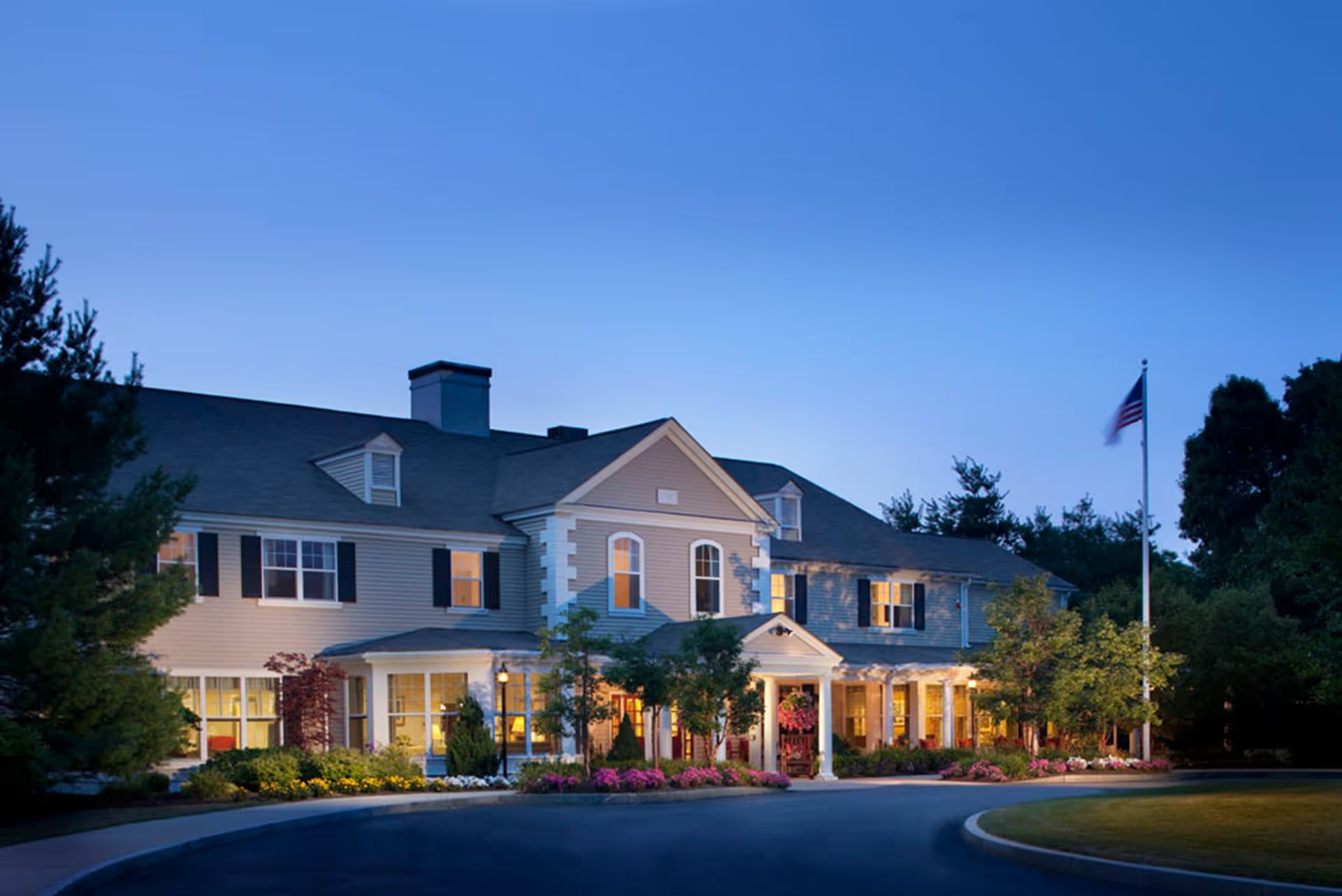
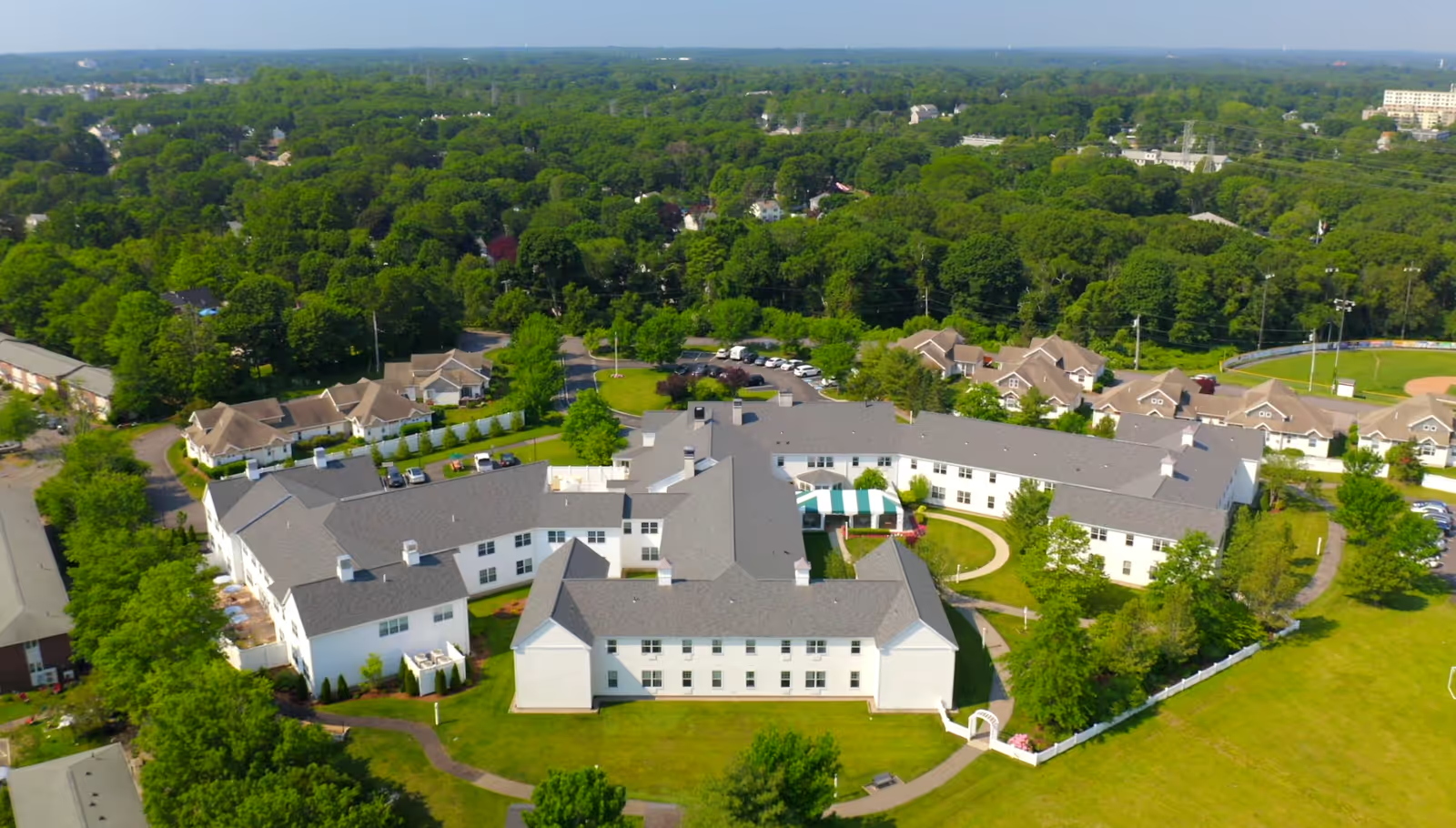
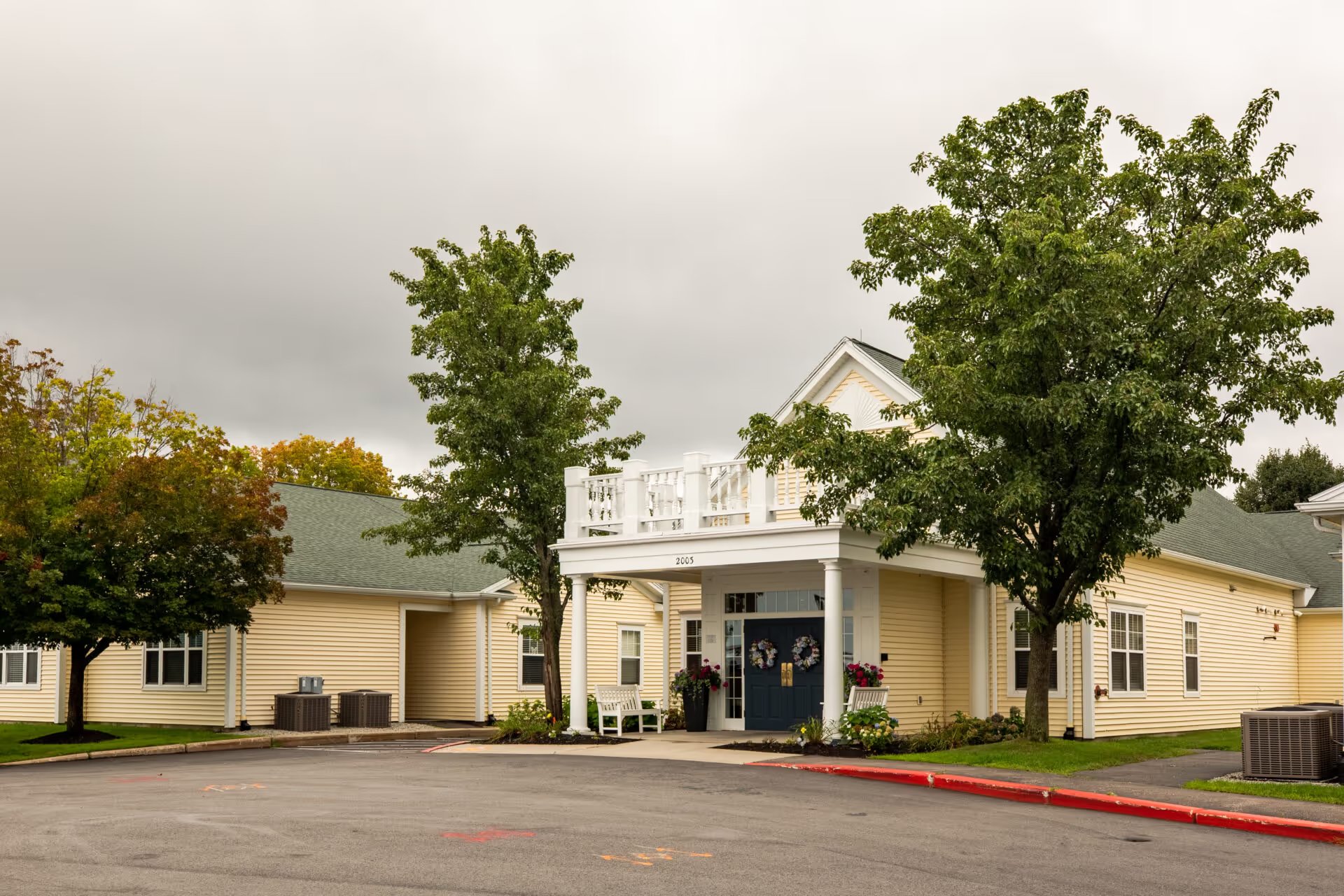
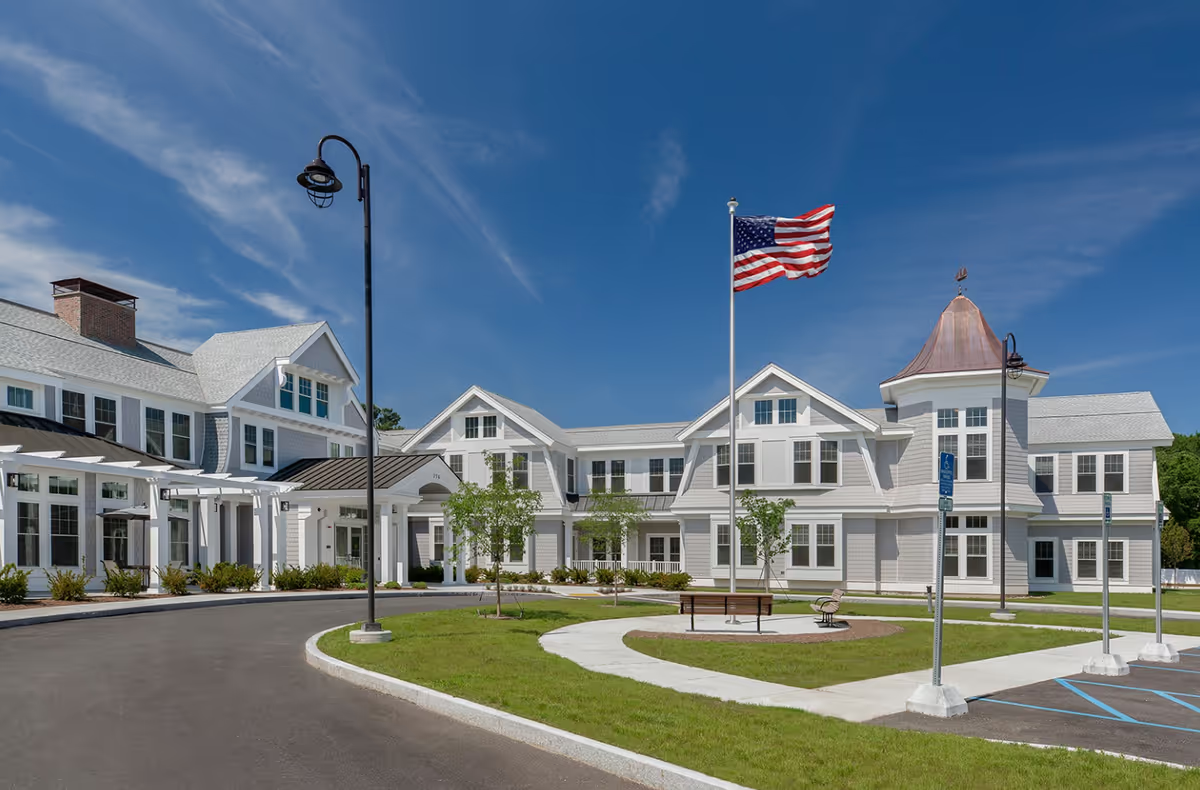
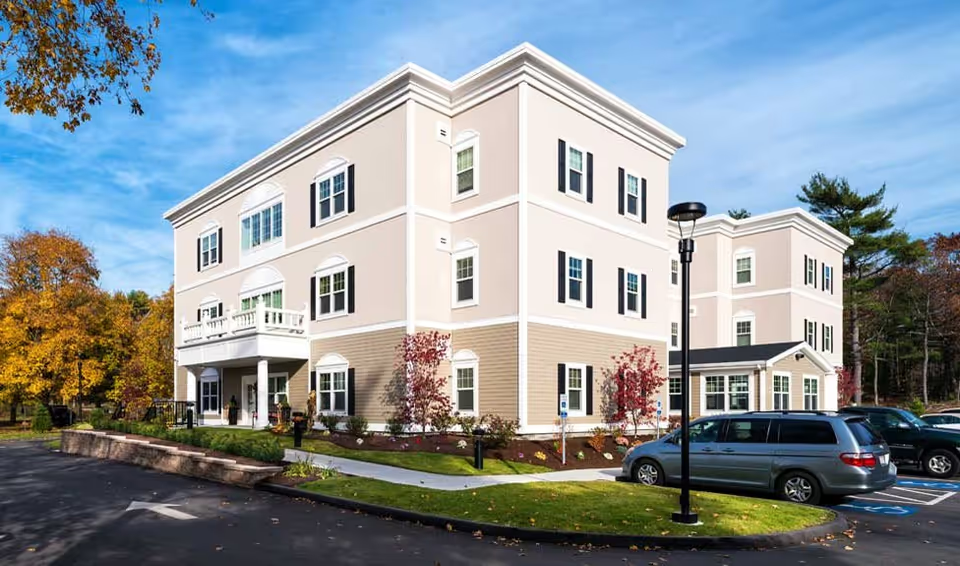
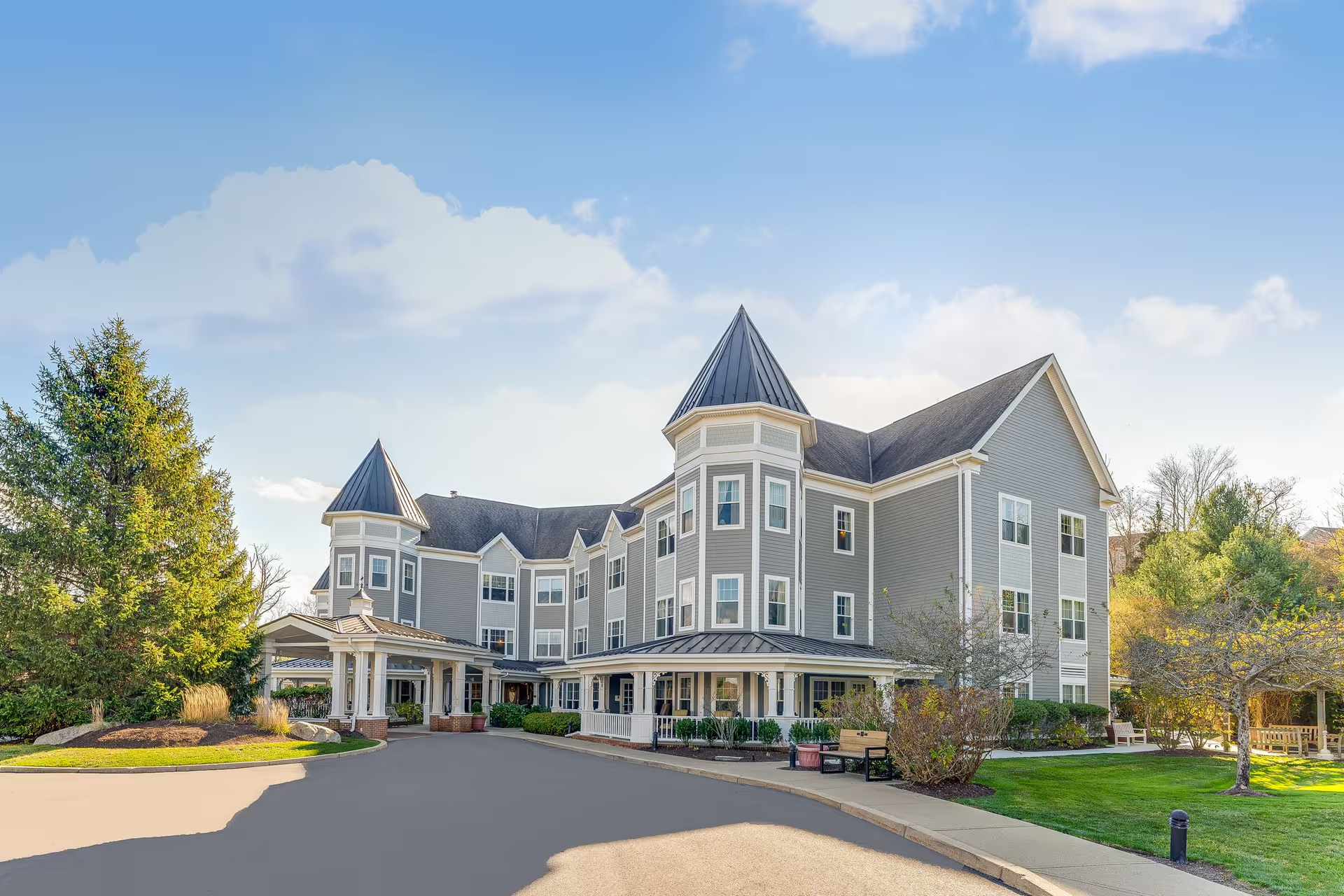
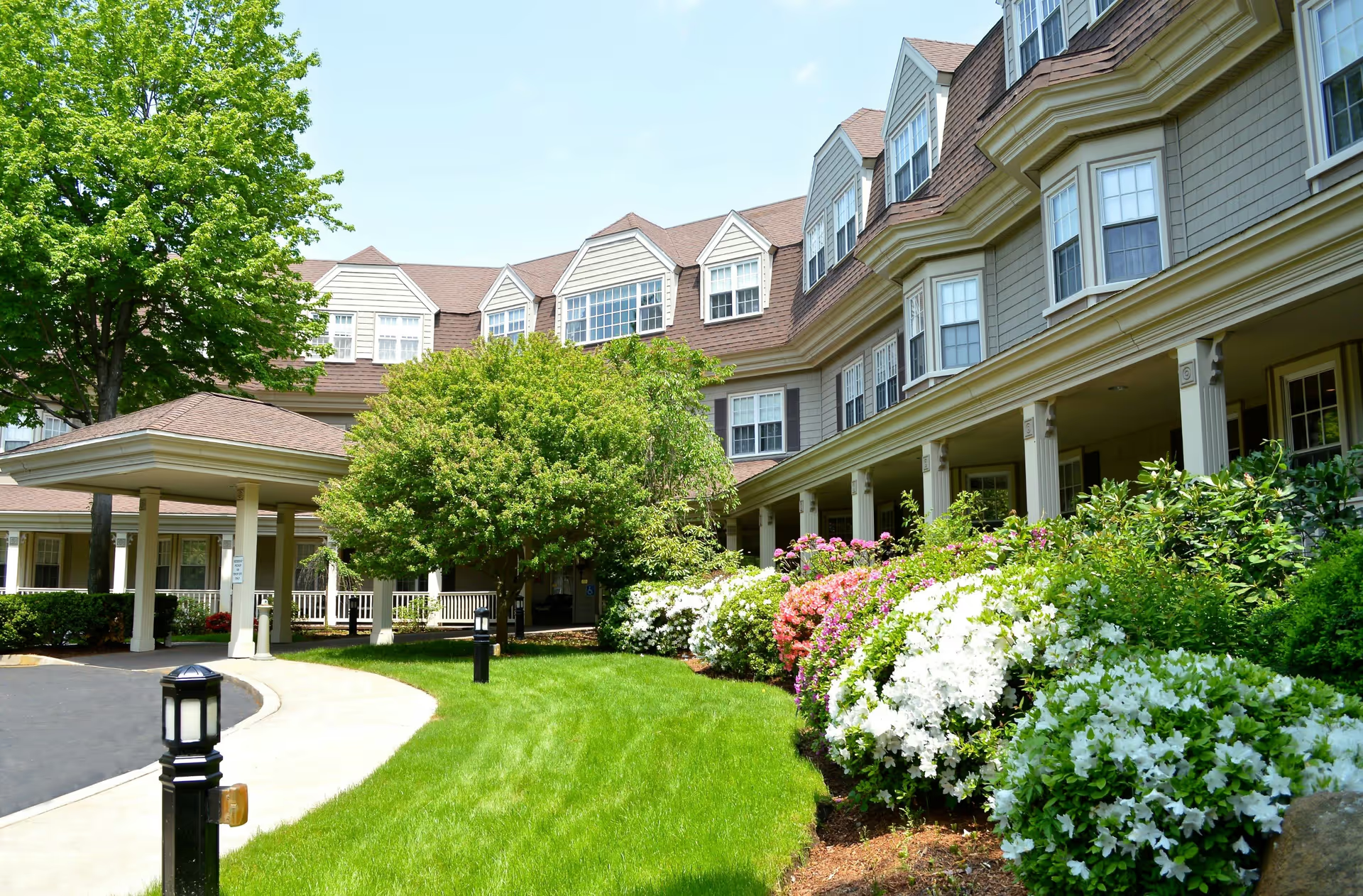
Bridges by Epoch at Lexington is characterized by a modern, well-kept environment and an active social program. Families frequently describe bright, sunlit common areas, comfortable private rooms and attractive landscaped courtyards. The physical plant, on-site amenities such as a salon, and regular visiting clinicians (dental and podiatry) are commonly cited as strengths. Infection-control practices and socially distanced programming during the pandemic are also noted as positive operational elements.
Care quality and staff performance present a mixed but instructive pattern. Many families praise attentive, compassionate caregivers and cite skilled nursing and clinical oversight, including around-the-clock nursing coverage in some cases. Individual staff members and leadership are frequently credited with going above and beyond, and staff–family communication and end-of-life planning support are described positively. Conversely, a recurrent operational concern is staff stability: reviewers describe high turnover, periodic understaffing and inconsistent CNA training. Those staffing traits are associated with delays in responsiveness and uneven day-to-day caregiving consistency.
Dining, housekeeping and hygiene aspects are similarly mixed. Numerous comments highlight nutritious, flavorful meals that accommodate dietary and medical requirements, along with daily housekeeping and generally clean, bright spaces. At the same time, reviewers cite variability in food quality and specific cleanliness or sanitation inconsistencies in some areas. Prospective families should weigh the facility’s strong dining and housekeeping systems against occasional reports of lower perceived meal quality or maintenance lapses.
The activity program is a clear strength: arts, music, concerts, outdoor events, trips and family programs create a lively calendar that contributes to a homelike, community feel. That programming appears robust for general assisted-living residents, but a subset of reviewers expressed concerns that specialized memory-care programming for residents with Alzheimer’s or advanced cognitive needs could be more comprehensive or innovative.
Management and value perceptions are mixed. Admissions responsiveness and family-focused communication (including use of virtual family meetings) are often highlighted, and some issues are described as being resolved promptly. At the same time, several families perceive gaps in supervisory oversight and clarity of communication from management, and there is a recurring concern about pricing relative to the level of care received.
Overall, the facility stands out for its environment, activities and numerous committed staff members, but consistent service delivery is affected at times by staffing instability, training gaps and variability in cleanliness and food quality. For prospective residents and families, recommended areas to probe during a tour include staff turnover and training practices, staffing ratios and supervision on specific shifts, sample meals and dining routines, the facility’s dementia-care curriculum, and contract/fee structures to assess value for needs.