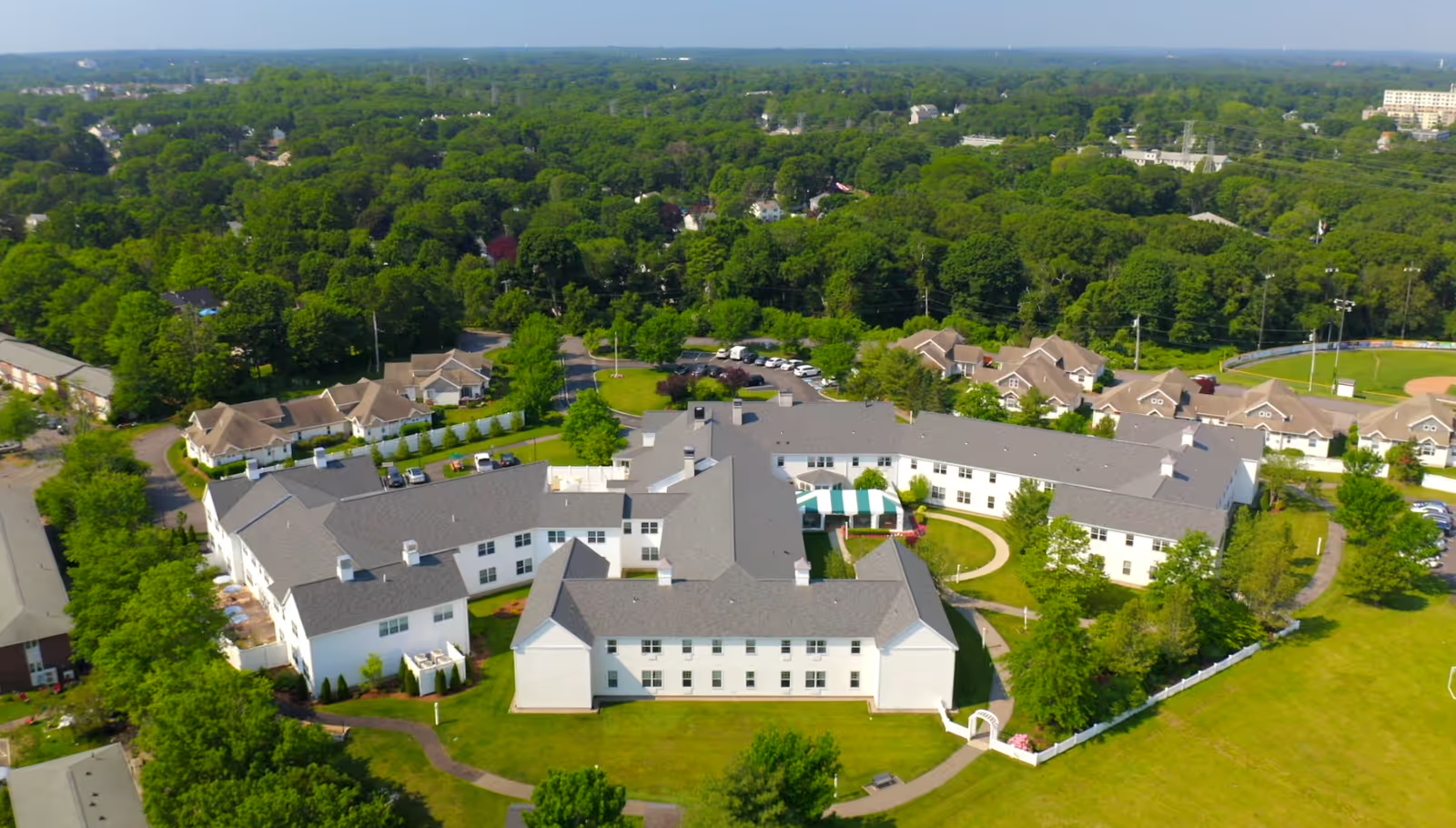
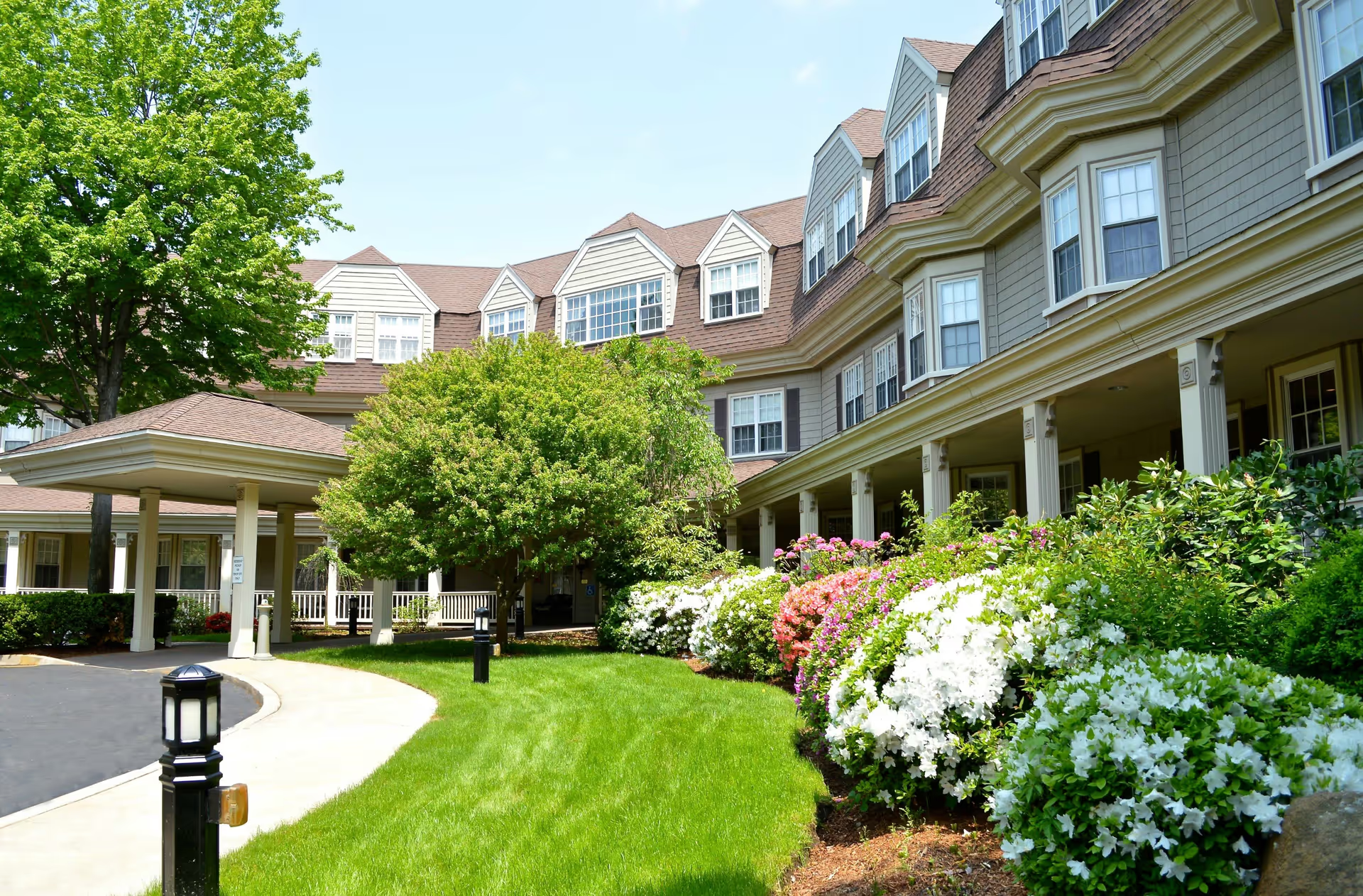
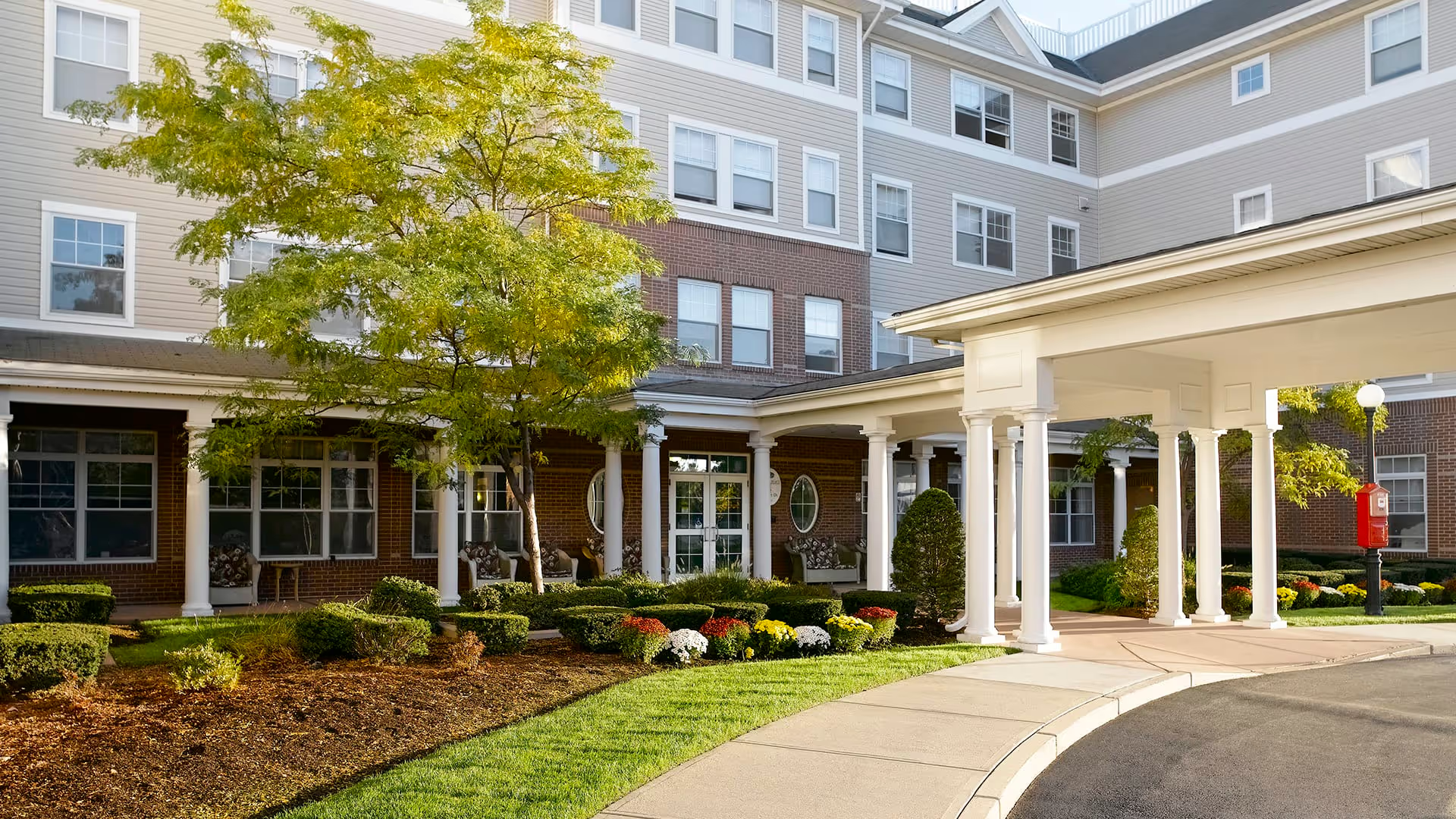
The Atrium at Faxon Woods presents a mixed but informative profile for prospective residents and families. Strengths frequently cited include a clean, well‑maintained facility with an open, home‑like atmosphere, secure memory‑care design, and accessible outdoor walking areas. Reviewers commonly praise staff as compassionate, personable, and invested in residents; admissions and administrative teams are often described as helpful and facilitative of a smooth move‑in. The community offers onsite clinical supports such as dental and physician services, hospice coordination, rehabilitation/physical therapy, and salon services, which families find convenient.
Dining and activities are important selling points for many families: the community provides varied meal options, frequent entertainment, live music, outings and a steady schedule of group programs (chair exercise, arts and crafts, games). Housekeeping and laundry services are generally viewed as reliable, and many reviewers note private rooms with en‑suite baths and clean common areas. Nursing staff receive positive feedback in areas such as end‑of‑life care and transitions into memory care, and the layout and locked memory unit are seen as appropriate for residents with dementia.
At the same time, a number of operational concerns recur across reviews. Staffing stability and coverage are inconsistent: families describe high turnover, limited nighttime staffing, and uneven responsiveness during busy periods. These workforce issues appear linked to training and clinical‑oversight gaps cited by reviewers, including problems with toileting protocols, supervision, and transfer/safety practices that in some cases resulted in emergency care. There are also recurring comments about inconsistent meal delivery (temperature and service), occasional activity cancellations or downtime, and that programming may not sufficiently stimulate higher‑functioning residents.
Financial transparency and property controls are other notable areas of concern. Several families raised issues about additional fees (haircuts, medication assistance, furniture costs, guest meals) and a sense that pricing is inflexible. There are also multiple accounts of missing personal items, suggesting weaknesses in property safeguards and inventory processes. Some reviewers described problematic staff conduct — such as distracted behavior, inconsistent tone, or slow responsiveness — which, combined with management communication gaps in select cases, contributed to perceptions of uneven accountability.
In summary, the Atrium demonstrates clear strengths in environment, memory‑care focus, onsite services, and many compassionate staff interactions. Prospective residents should weigh those positives against operational limitations tied to staffing consistency, clinical‑oversight practices, meal‑service reliability, activity fit for higher‑functioning residents, and transparent billing. A focused tour that asks about night staffing ratios, clinical oversight procedures, property‑loss policies, and examples of activity programming for residents with varying cognitive levels would help families assess whether the facility is the right match for their needs.