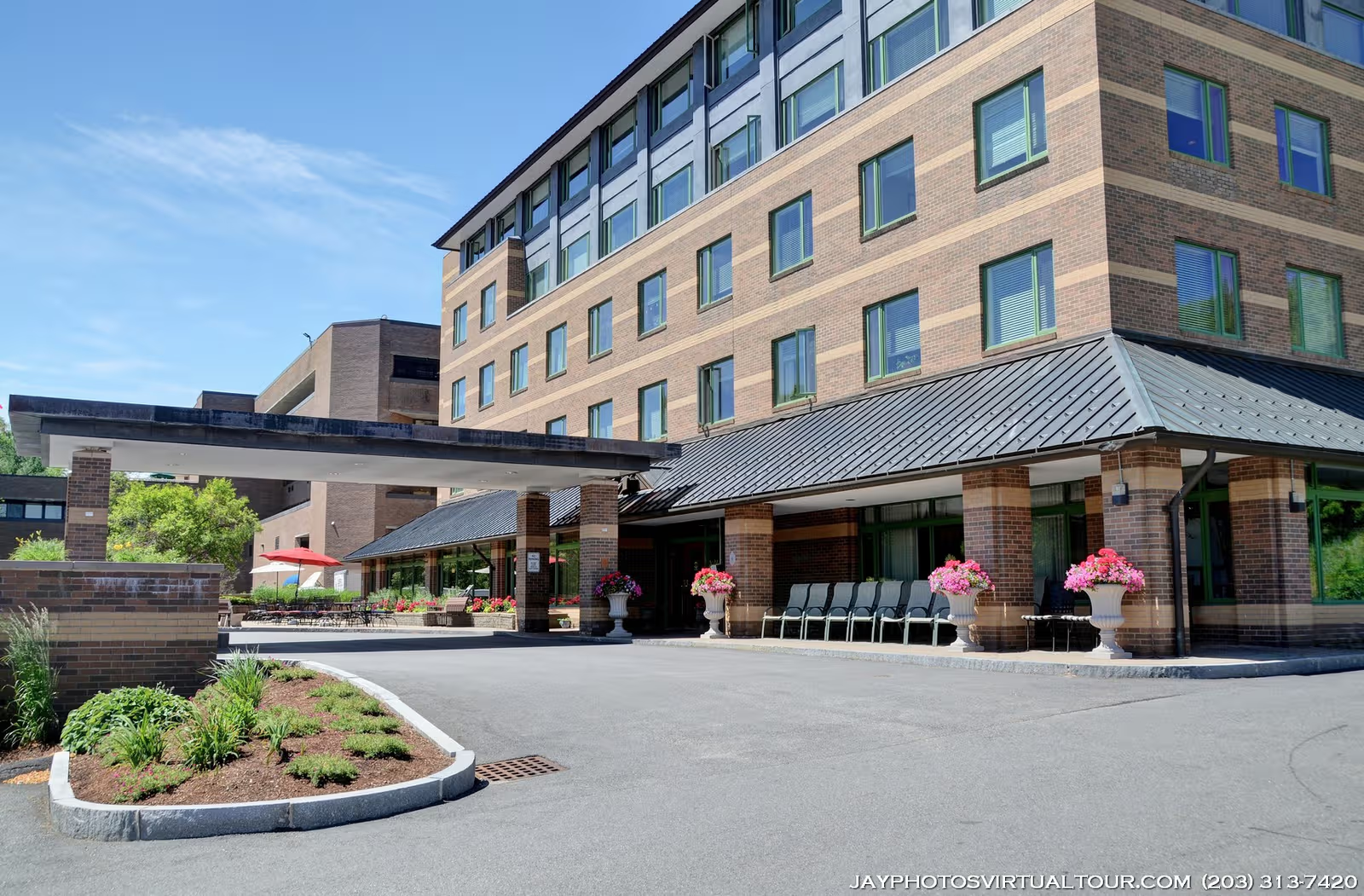
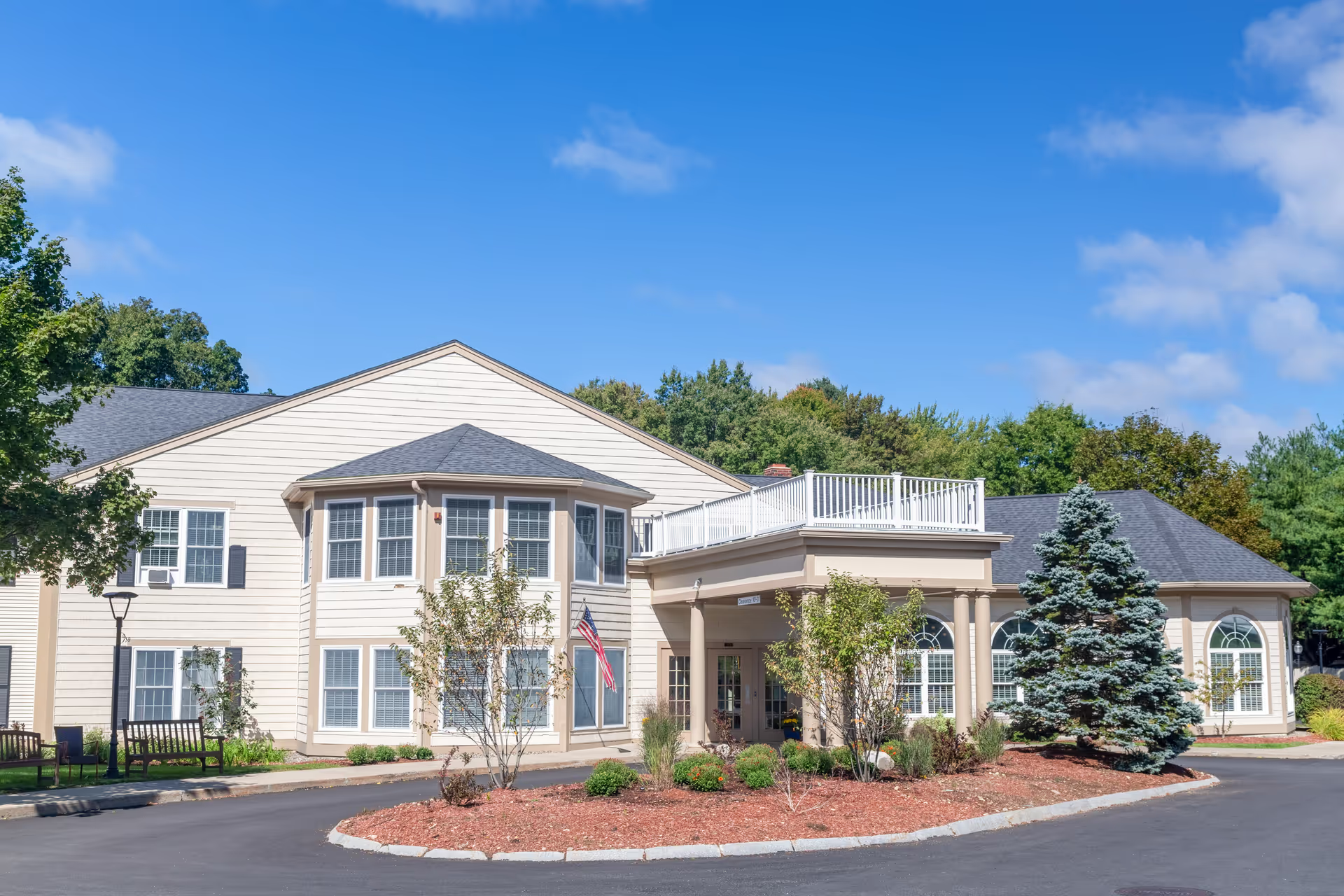
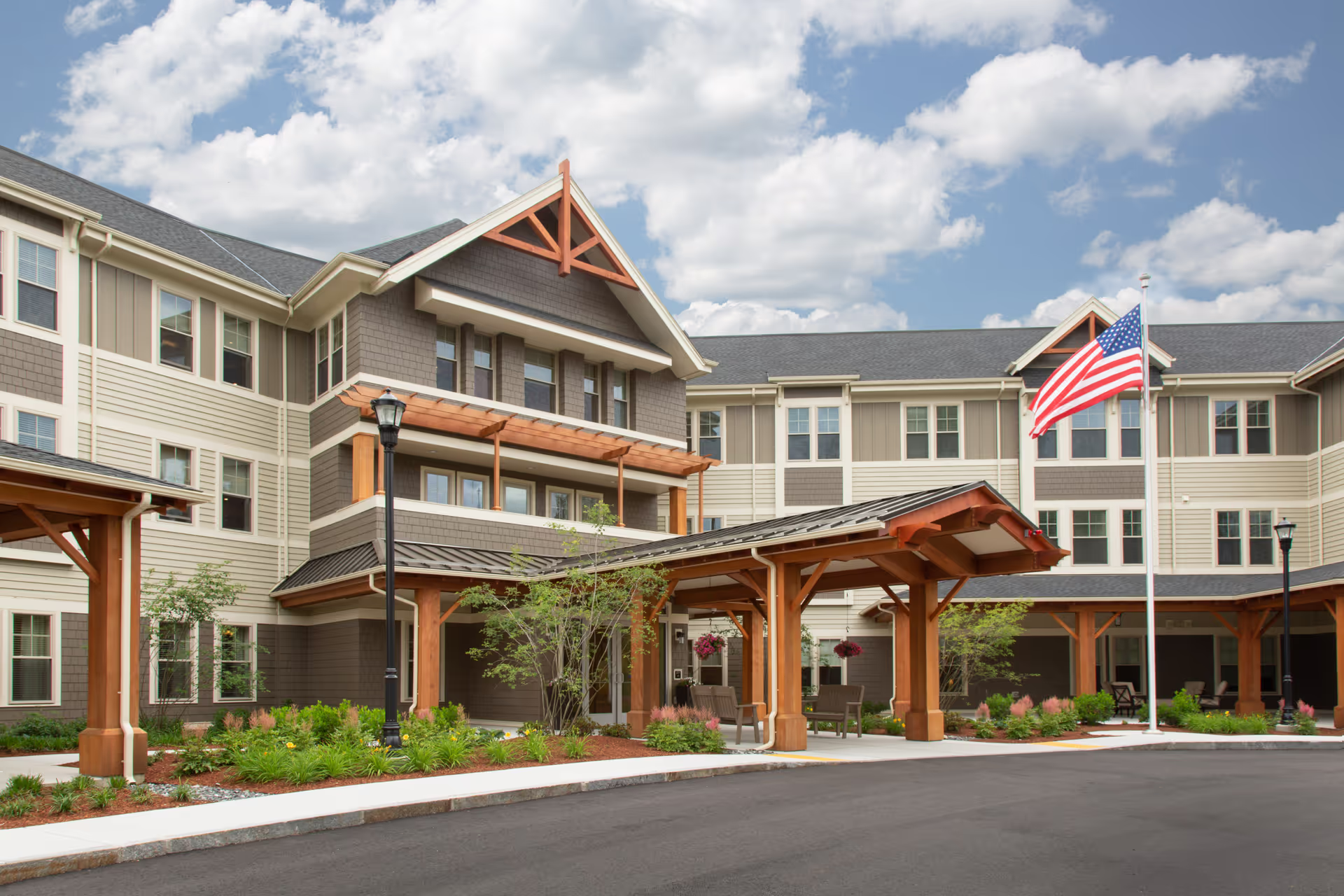
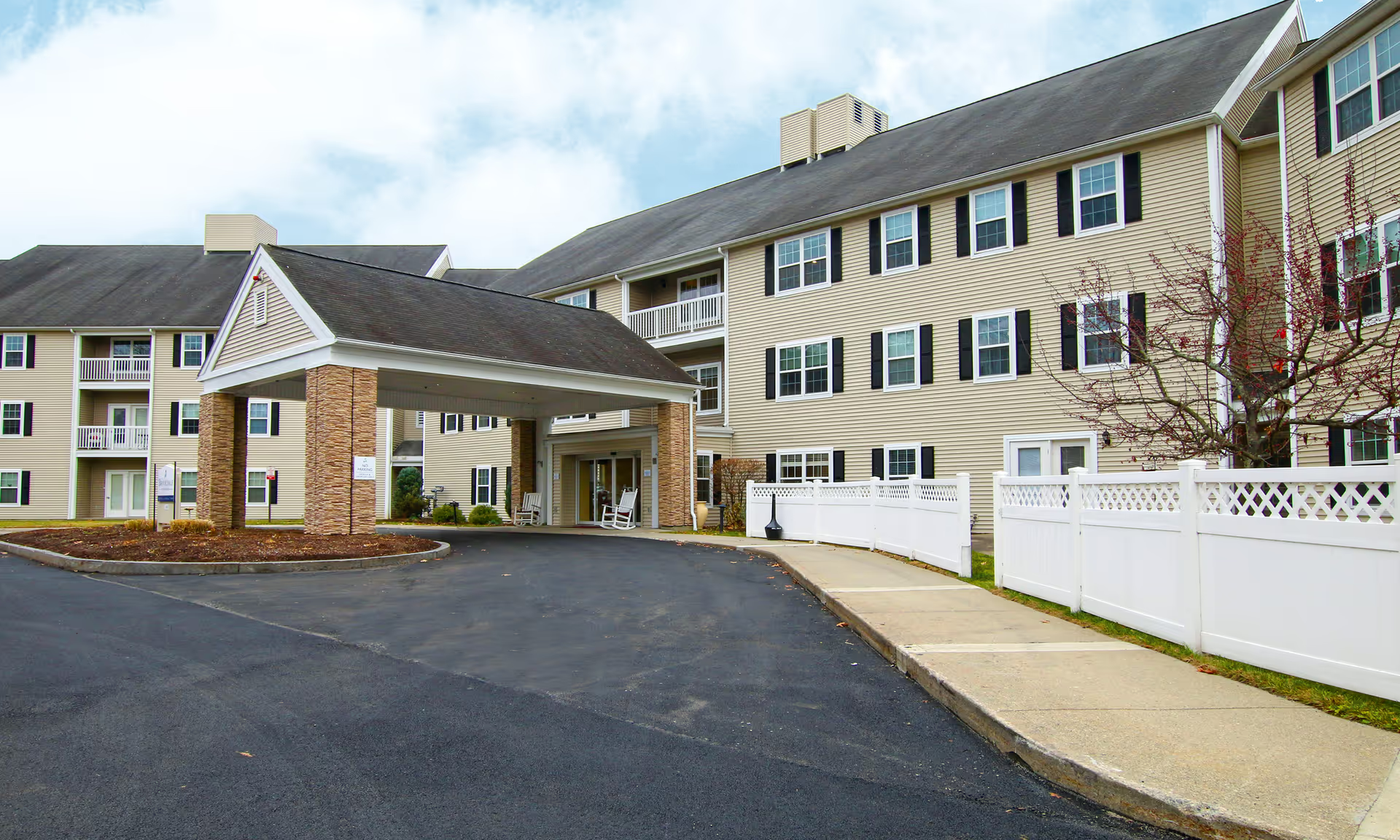
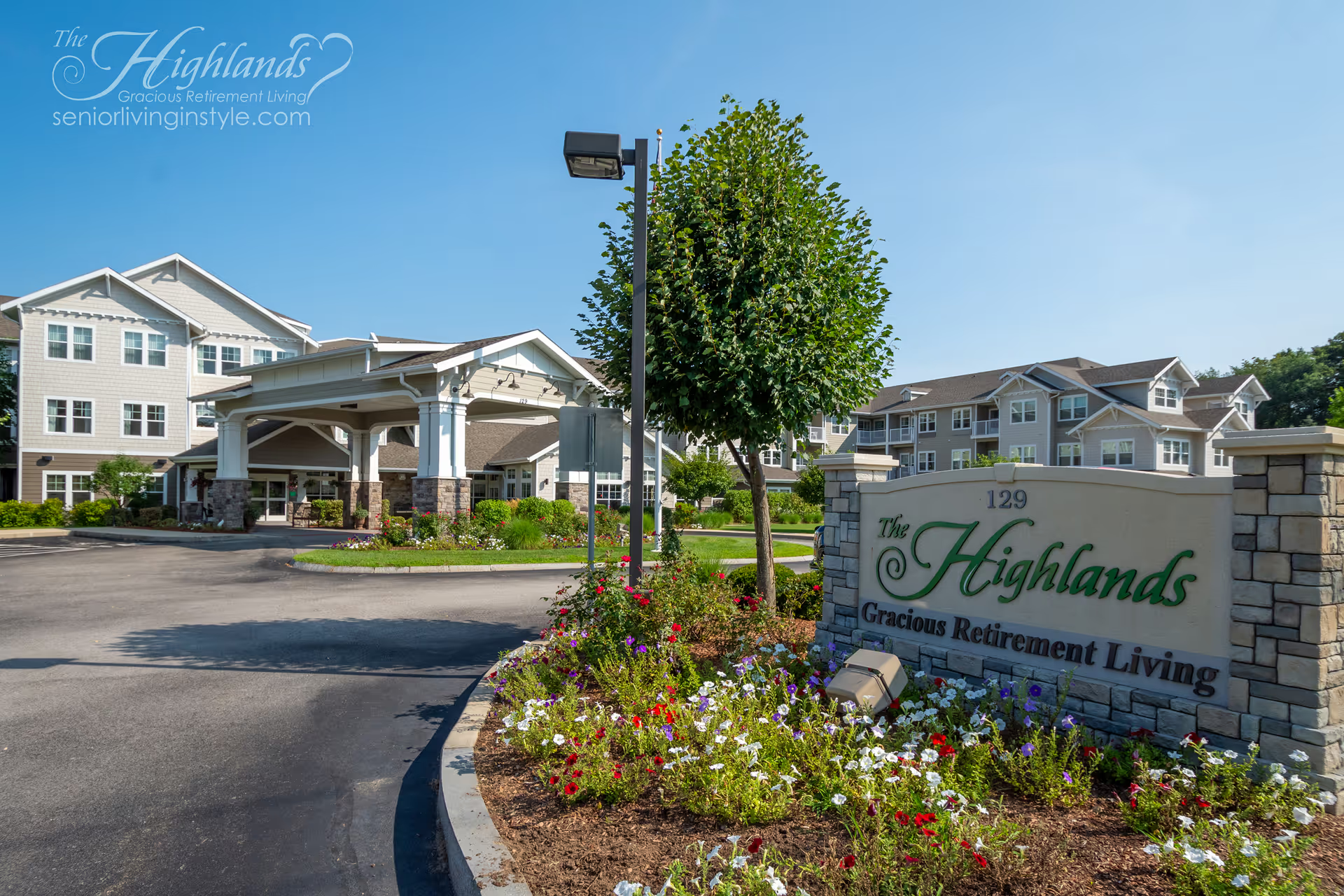
Reviews of Holden Rehabilitation & Skilled Nursing Center present a mixed but instructive picture. Many accounts highlight a clean, well-maintained physical environment with private suites, large bathrooms, and a generally odor-free facility. Families and residents frequently praised nursing staff, physicians, nurse practitioners, hospice teams, and therapy personnel for compassionate, skilled care and effective rehabilitation. The facility’s activities program and social opportunities were commonly cited as strengths that support resident engagement and adjustment.
Care quality and staff performance show meaningful variability. While some reviewers described attentive nurses, CNAs, and therapists who supported strong recovery and readable communication with families, others described inconsistent professionalism among direct-care staff and periods of limited availability on the units. Recurrent themes include delays in responding to call lights or assistance requests and staffing constraints that appear to affect timeliness of personal care. Several comments raised concerns about medication-administration practices and monitoring, suggesting inconsistency in how staff assess resident comfort and document medication effects.
Dining, housekeeping, and personal-property practices also showed contrasting observations. Many residents enjoyed the activities calendar, social programming, and personal-care offerings (for example, weekly manicures), and praised pleasant reception and unit management. At the same time, reviewers mentioned meal-timing and menu limitations, occasional missed or late meals, intermittent laundry and personal-item handling lapses, and sanitation inconsistencies in specific instances. Isolated allegations of theft and concerns following a resident’s death were also reported; these items warrant attention as they pertain to property controls and end-of-life procedures.
Communication and management response vary across reports. Some families commended transparent, proactive communications and timely resolution of issues, while others described delayed callbacks, problematic discharge coordination, and uneven follow-through on complaints. Infection-control practices, including COVID precautions, were described as adequate by some and inconsistent by others. Overall, the pattern in reviews indicates that the facility has clear operational strengths—especially in therapy, hospice support, and certain clinical teams—but also exhibits recurring operational weaknesses, particularly around staffing consistency, responsiveness, medication oversight, property management, meal service, and leadership follow-through. Prospective residents and families may benefit from specific pre-admission inquiries about current staffing ratios, medication-administration protocols, laundry/property controls, infection-control policies, and the facility’s process for escalating and resolving family concerns.