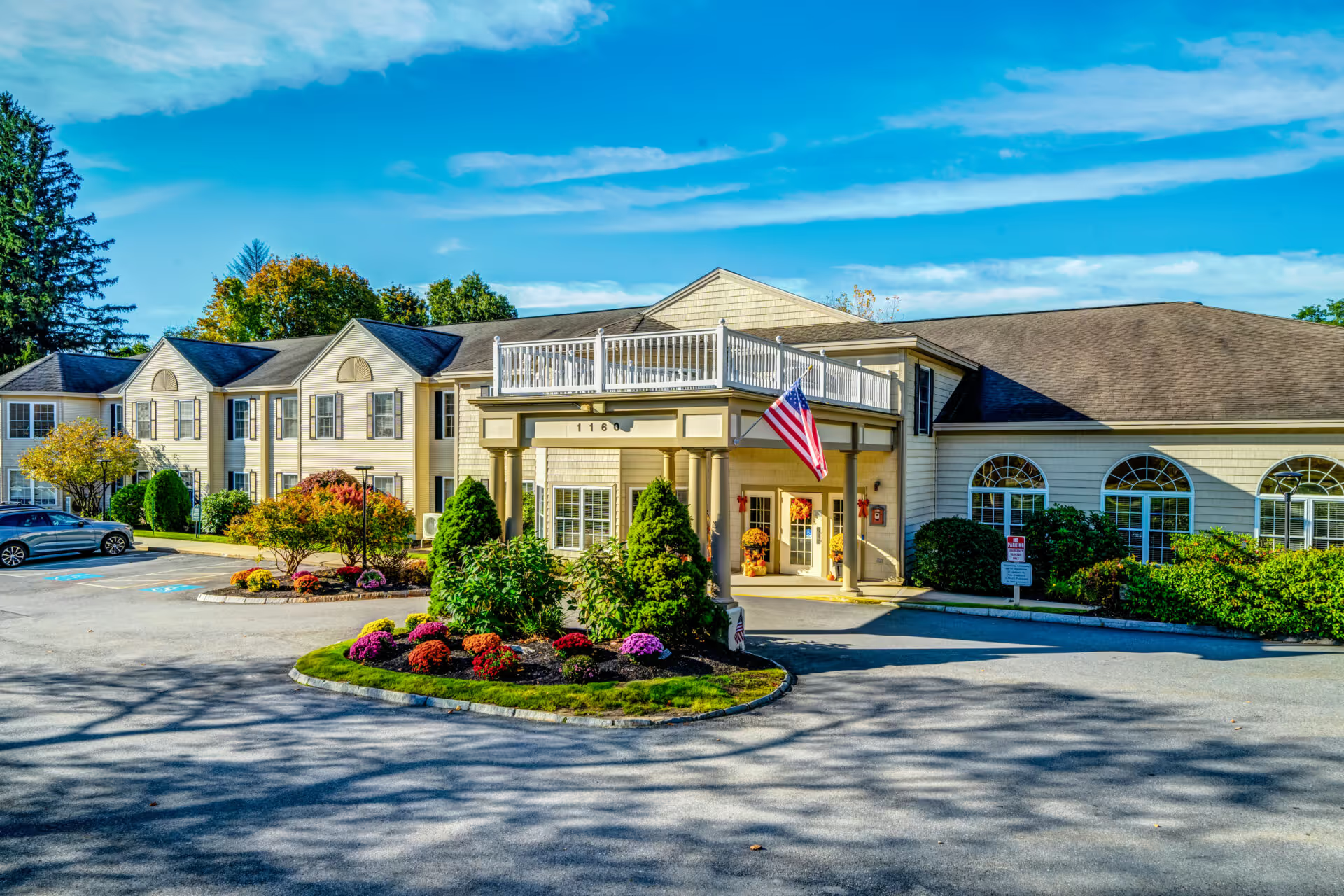
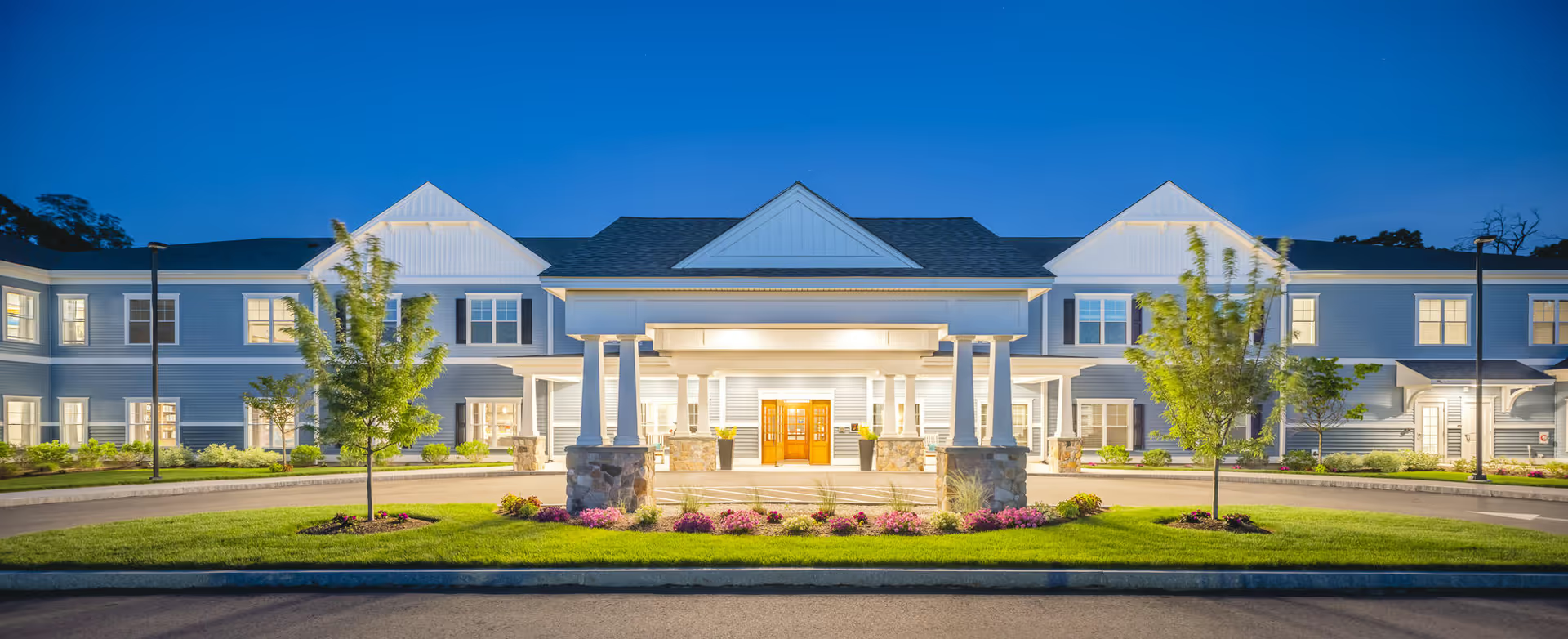
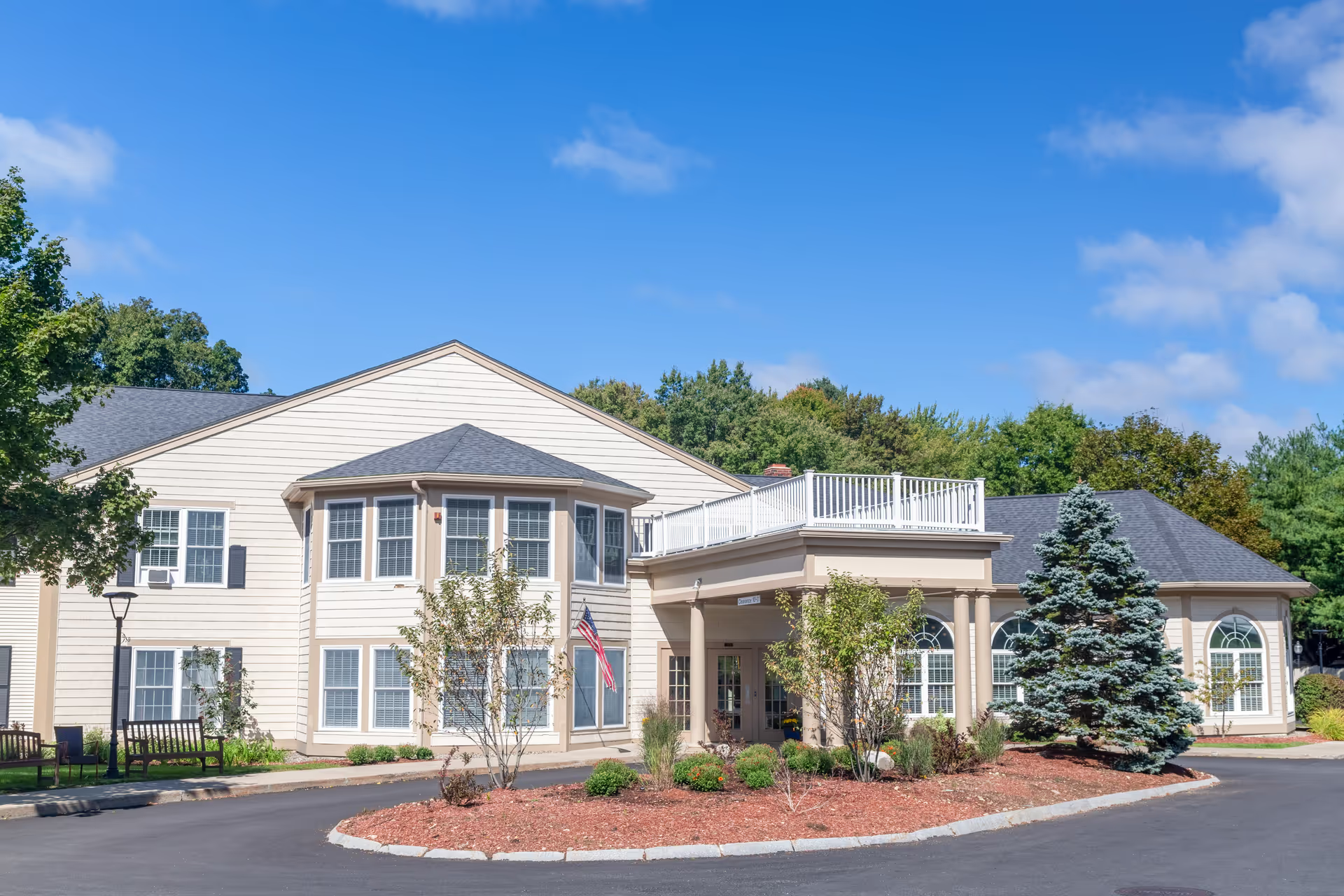
Life Care Center of Leominster receives frequent praise for its core caregiving and rehabilitation strengths alongside several recurring operational concerns. Many families and residents describe compassionate, attentive staff and an effective physical-therapy program that supports return-to-home goals. Admissions and front‑desk interactions are often characterized as professional and welcoming, and the facility’s rooms, grounds, and general cleanliness are commonly noted as positive attributes.
Clinical care and rehabilitation are overall strengths: reviewers highlight responsive therapy teams, on‑time medication administration, and compassionate end‑of‑life attention. At the same time, there are recurring accounts of delays in clinical responsiveness and medical evaluation in certain situations, and a few reviews describe transfers to higher-level care where hospital staff provided dignified treatment. These patterns suggest generally good clinical capability with occasional lapses in timeliness and follow‑through.
Staff behavior is a mixed picture. Numerous comments describe friendly, helpful, and knowledgeable employees — with specific staff members and wings singled out for praise — and many families report positive, resident-centered interactions. Conversely, there are documented instances of unprofessional conduct and confrontational communication at the unit level; these accounts indicate variability in professionalism and tone across staff and shifts. Several reviews also point to staffing or scheduling pressures that can contribute to chaotic hallways or first-night coverage problems.
Dining and activities are strengths for many residents. The kitchen and named culinary staff receive favorable remarks, and the team is described as accommodating when special requests arise. Activity programming, including a therapy-animal program and daily exercise, contributes to a generally upbeat atmosphere. However, reviewers also describe intermittent issues with meal delivery, access to drinks, and minor service inconsistencies that affect individual experiences.
Facility maintenance and amenities are generally well regarded, with frequent notes about cleanliness and a well‑kept environment. There are, however, isolated maintenance lapses noted — examples include dead TV remotes, dated water receptacles, and limited refreshment availability — and occasional odor concerns in select areas such as the entrance or specific hallways. These appear to be localized issues rather than facility‑wide conditions.
Management receives mixed feedback: admissions and some leadership (including directors of nursing) are commended, while unit‑level leadership and follow‑through on outside clinician instructions are described as inconsistent in certain cases. Families frequently praise individual staff members by name, suggesting strong person-level performance but uneven systemic consistency.
Overall, the facility demonstrates solid rehabilitation services, many caring staff, and a clean, comfortable environment. Prospective residents and families should weigh the consistently positive reports about therapy, dining, and front‑desk operations against documented variability in staff conduct, clinical responsiveness, and select maintenance or sanitation concerns. A targeted tour and questions about unit staffing, communication protocols, and how the facility addresses maintenance and clinician instructions will help clarify how these patterns might affect an individual resident’s experience.