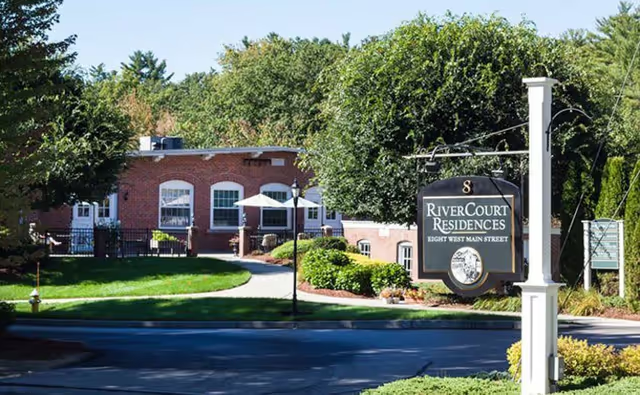
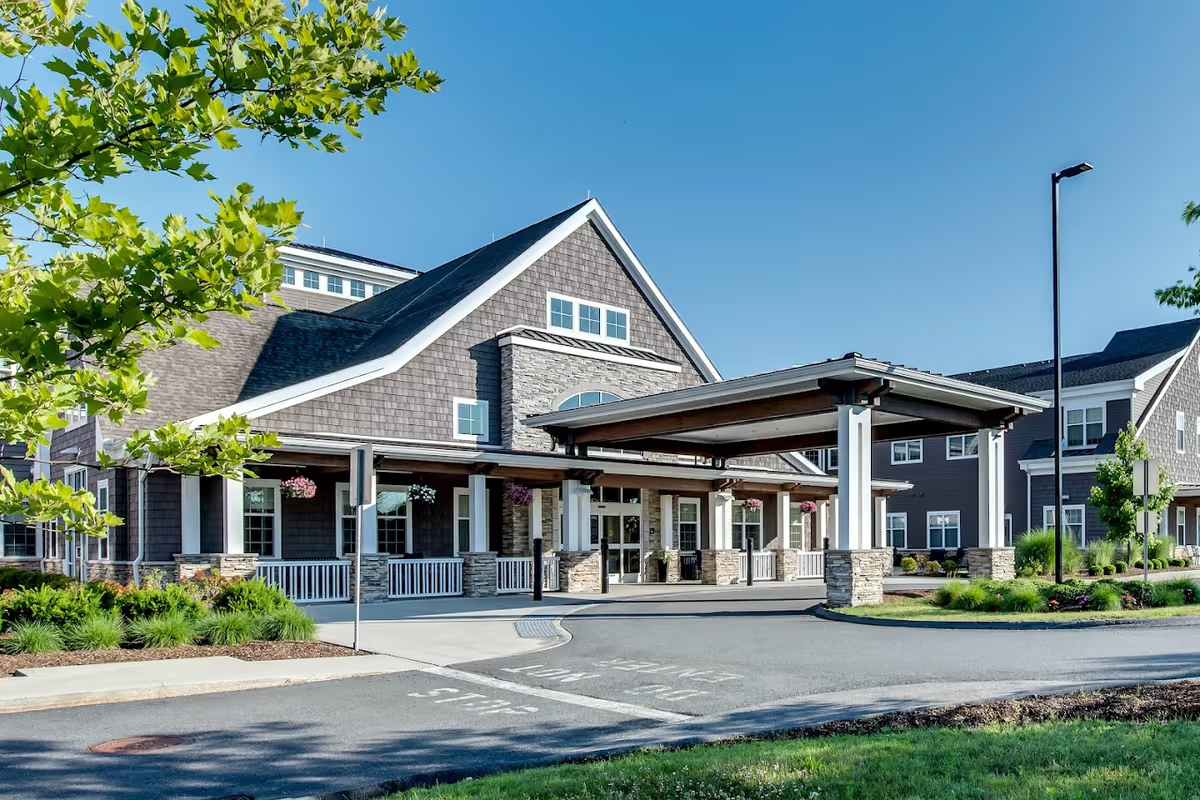
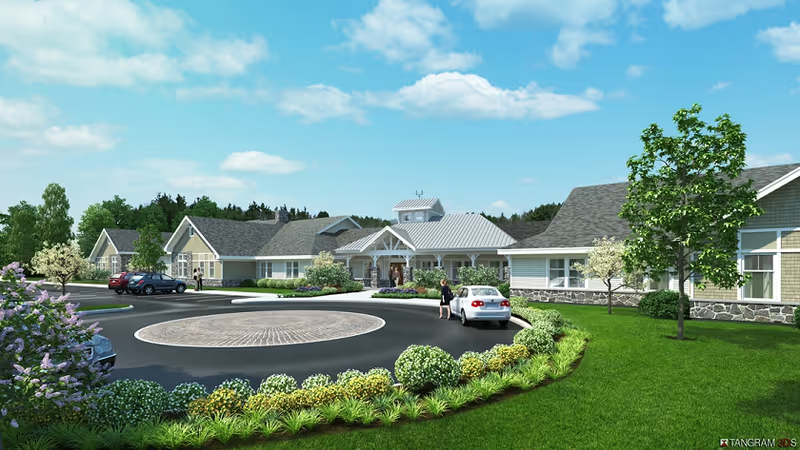
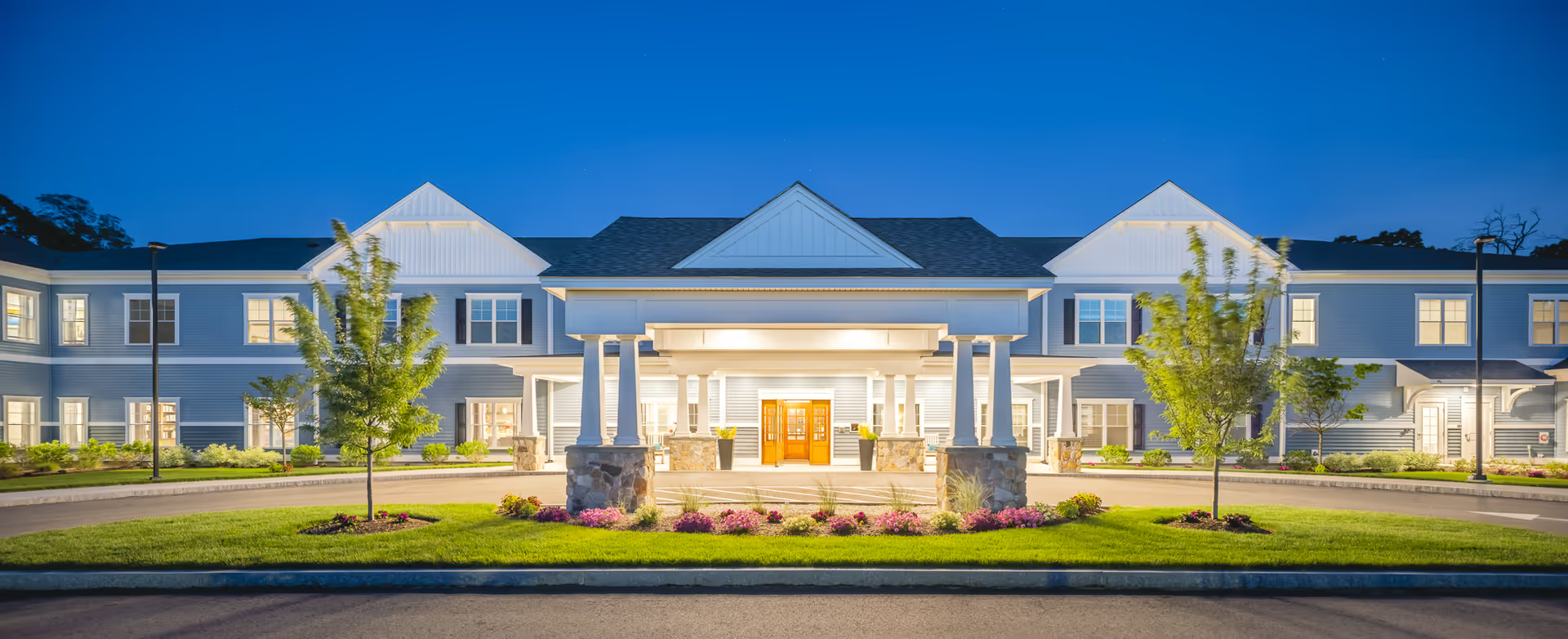
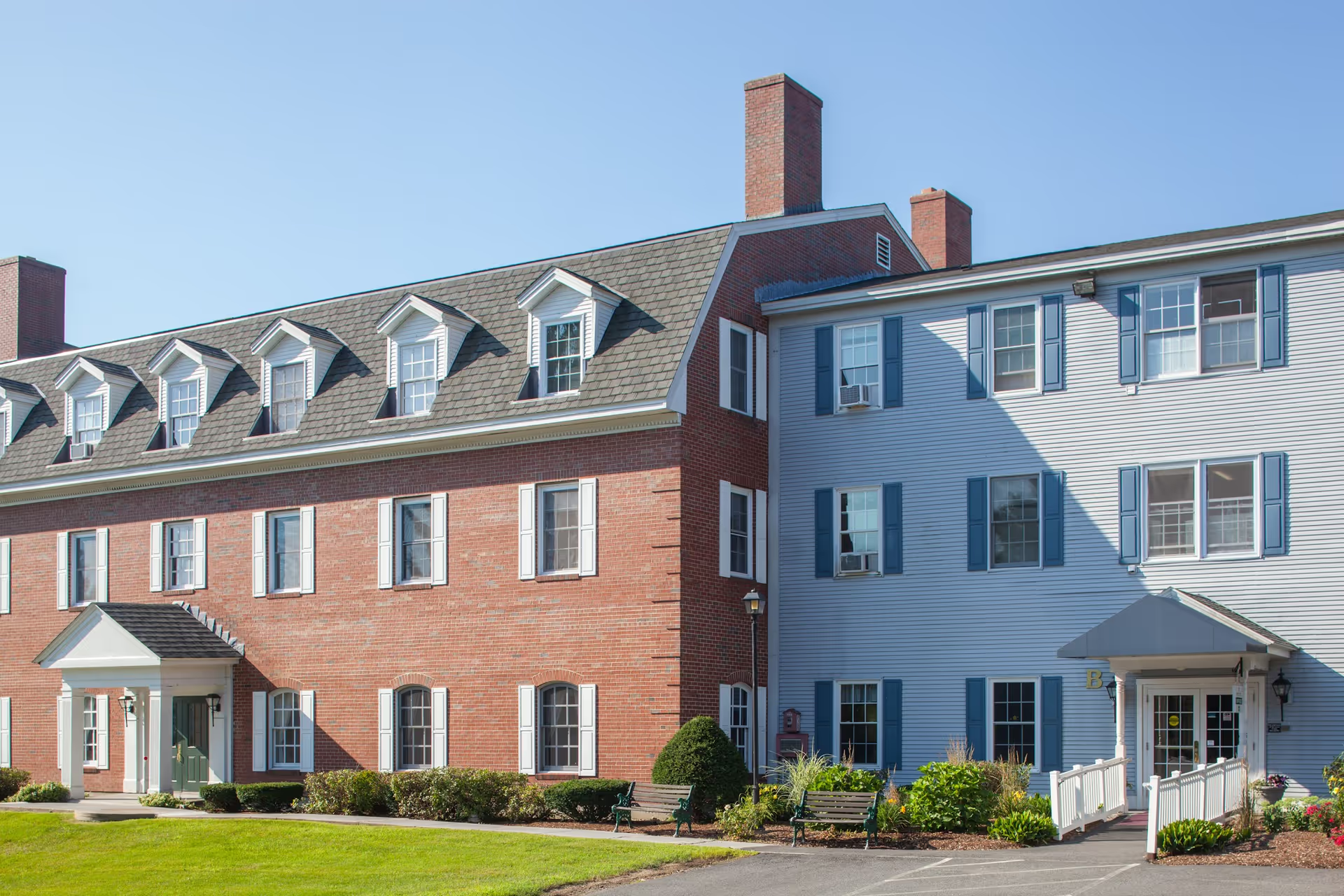
Overall impression Benchmark Senior Living at Leominster Crossings is portrayed as a small, well-kept community with strong points around staff engagement, communal life, and facility presentation. Reviewers consistently describe bright, sunlit common areas; attractive landscaping and outdoor spaces; and a homelike atmosphere. The community scale and layout appear to support social connection and frequent programming, producing a sense of safety and belonging for many residents and families.
Care and staff Staffing is the most frequently cited strength: reviewers emphasize compassionate, attentive caregivers, nurses who know residents by name, and staff who participate in activities and family events. Memory-care and end-of-life support are repeatedly described as dignified and compassionate. At the same time, reviewers note variability in staff attitude and turnover, and a small but recurrent concern about administrative tone or singular staff interactions. Clinically, several comments flag the need for clearer medication-chart review and more consistent clinical oversight; families are advised to confirm medication-management practices and escalation pathways during the tour and move-in.
Dining Dining is a strong feature for many families. The kitchen is described as offering varied daily menus, vegetarian options, and flexible/customizable meals; dining staff are generally described as friendly and responsive. A minority of reviewers find food quality inconsistent or “hit-or-miss,” and pandemic-era dining changes affected the experience for some residents. Prospective families should ask about current dining formats, menu cycles, and accommodations for preferences or special diets.
Activities and social life Programming is broad and active: chair exercises, cognitive games, music, gardening, social hours, trips, and seasonal celebrations are commonly mentioned. The activities director receives repeated praise for energy and engagement. Reviewers also note that program continuity can be affected by infection-control events (lockdowns reduced group activities at times). Overall the community appears to prioritize social engagement and independence, with ample opportunities for outings and on-site events.
Facilities and operations The physical plant is generally well-regarded—clean common areas, bright dining rooms, salon, courtyard, and useful amenities such as laundry and maintenance services. Unit sizes are a consistent operational limitation: apartments are described as small, with some double-room layouts, and families sometimes find private spaces constrained. Proximity to a busy street is occasionally noted as affecting noise. Housekeeping and sanitation are praised for common areas but described as variable for individual apartments; confirm housekeeping frequency for private units.
Management, billing and policies Move-in processes are often described as efficient and coordinated, and several reviewers commend strong family communication. However, there are repeated operational concerns around administrative communication, billing clarity, a la carte pricing and extra fees, and occasional billing differences across floors or units. Some reviewers describe rushed or sales-focused tours. Families should request clear, written explanations of fees, billing practices, what services are included versus extra, and protocols for transitions to higher levels of care; the community does not uniformly provide 24-hour skilled nursing coverage.
Notable patterns and guidance Strengths: engaged and compassionate staff, active programming, attractive grounds, and generally strong dining make this community a good fit for residents who value social life, meals, and an intimate environment. Weaknesses: small unit sizes, higher cost, variability in administrative communication and apartment-level housekeeping, and some clinical oversight gaps are operational areas to probe.
Questions to ask on a tour: How are medication-chart reviews documented and escalated? What is the frequency and scope of apartment housekeeping? How does billing work (what is included, what is a la carte)? What are policies and resources for residents who need higher-acuity care or 24-hour nursing? How have infection-control practices affected activity continuity in recent months? Getting written answers to these items will help align expectations with the community’s strengths and limitations.