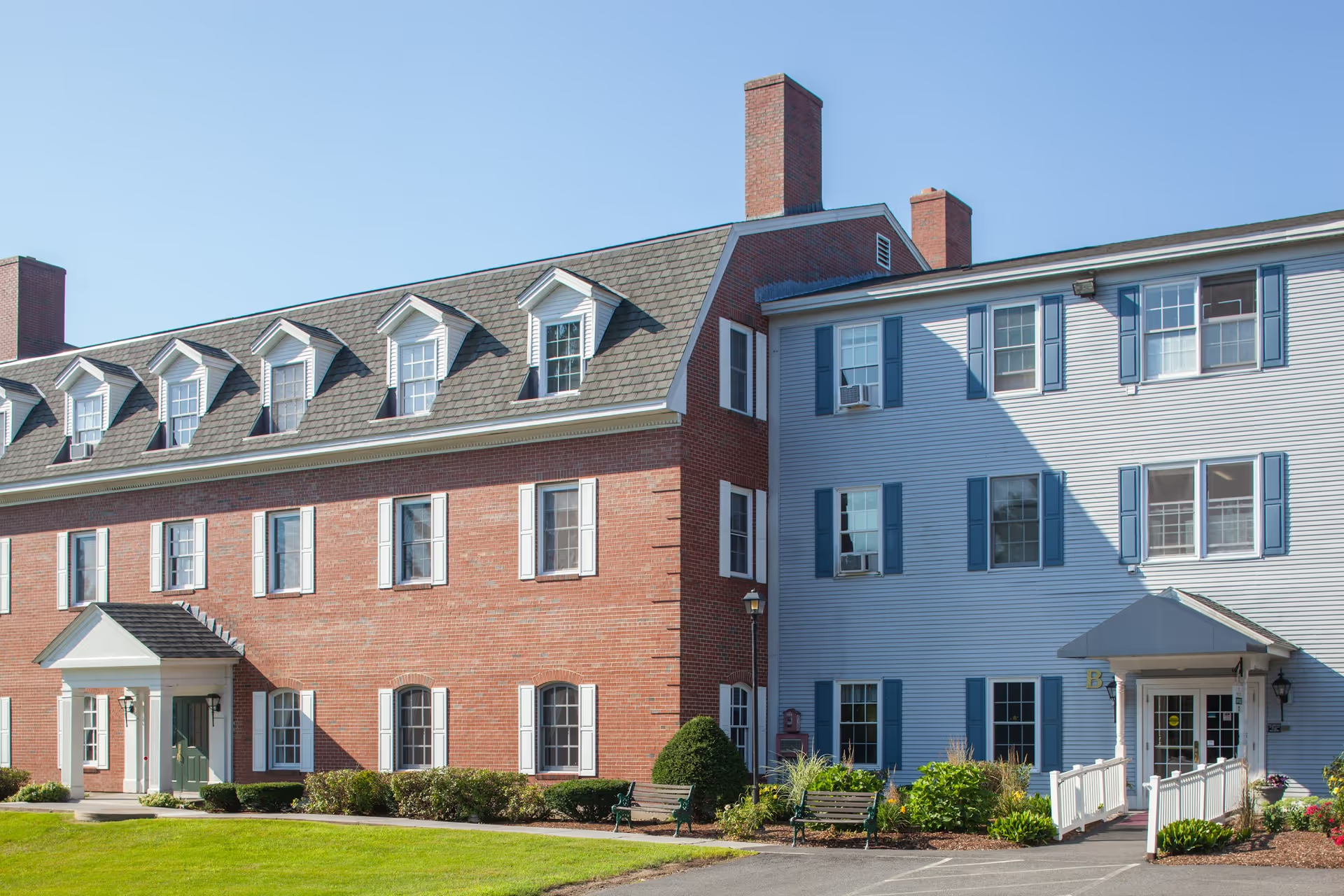
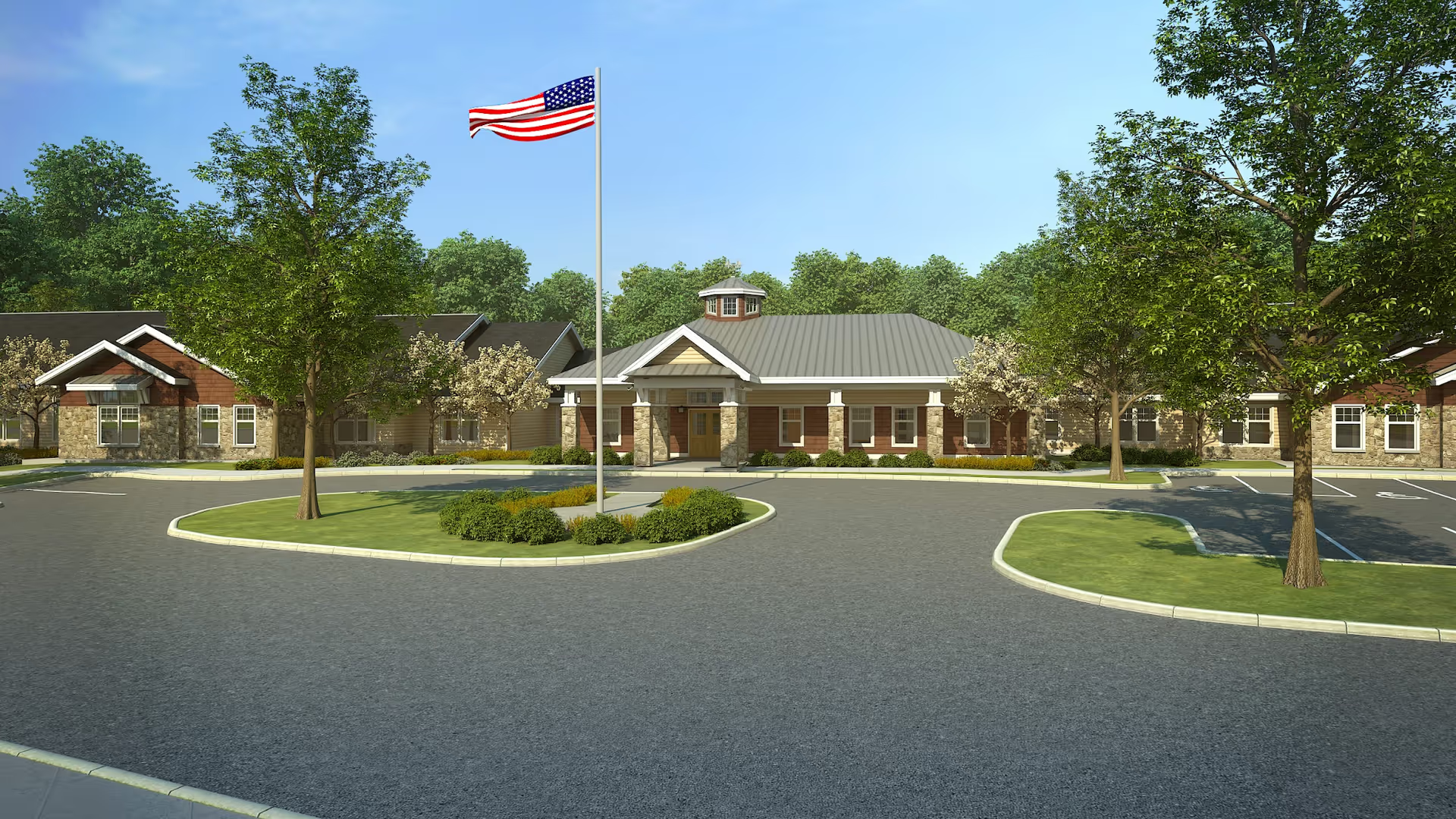
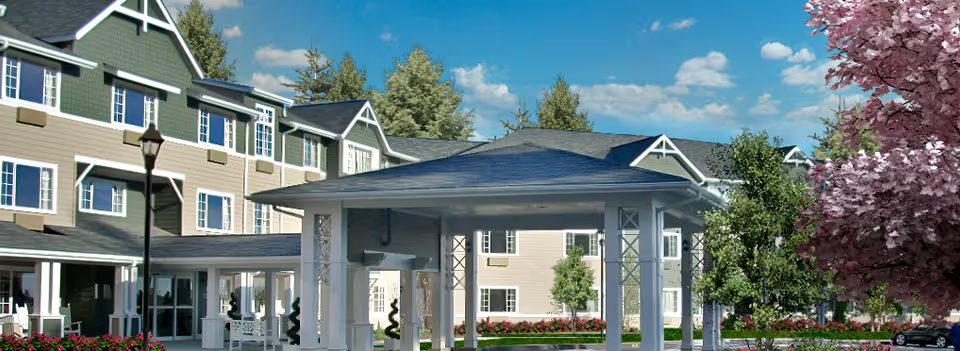
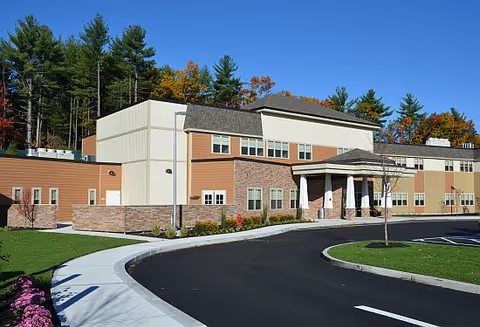
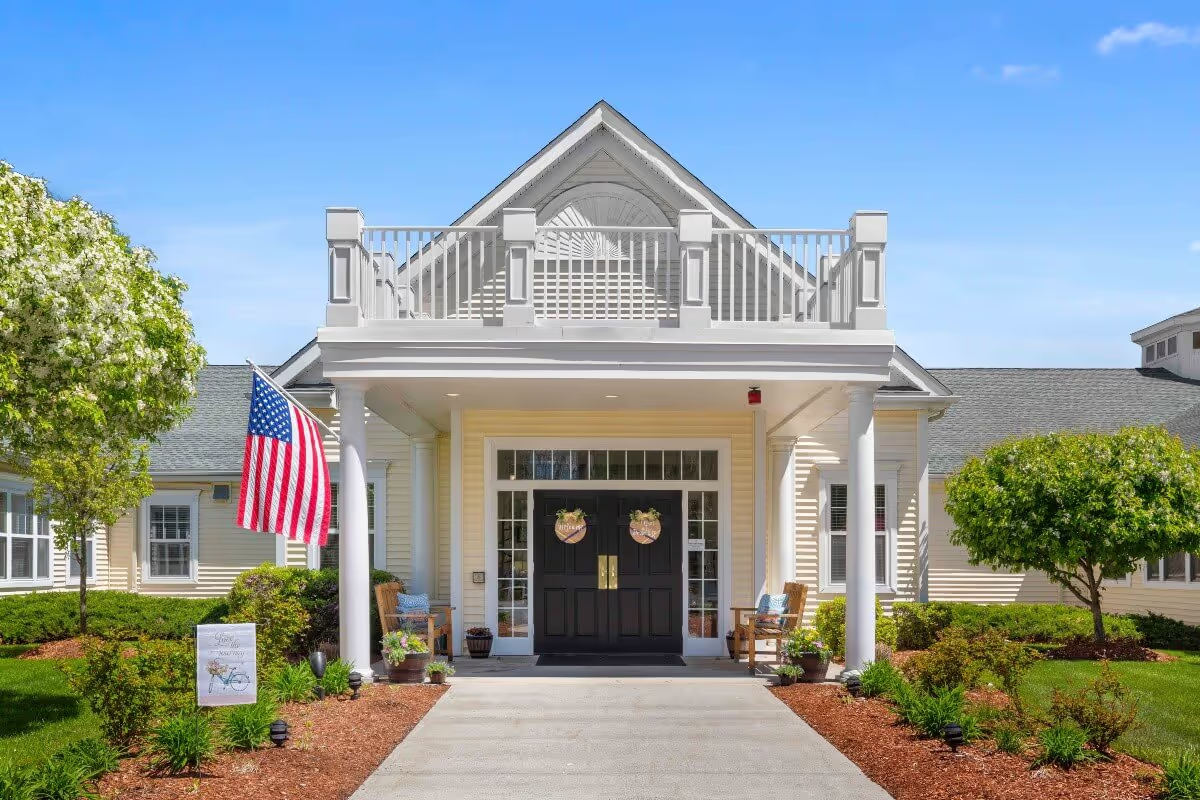
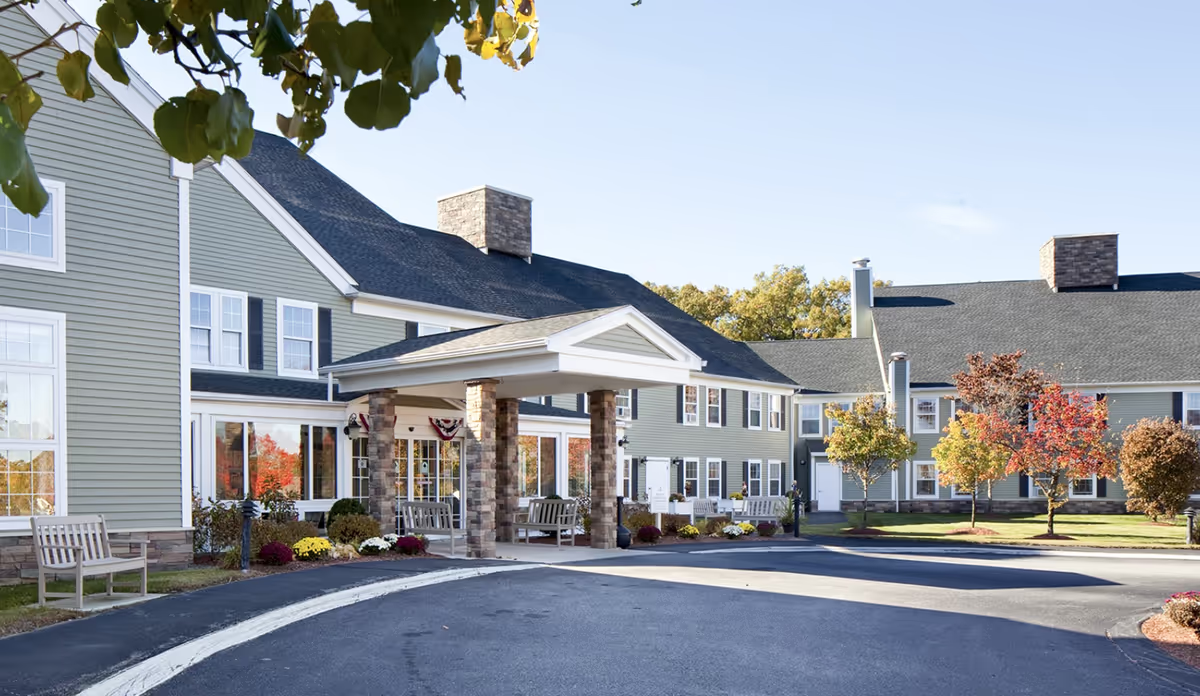
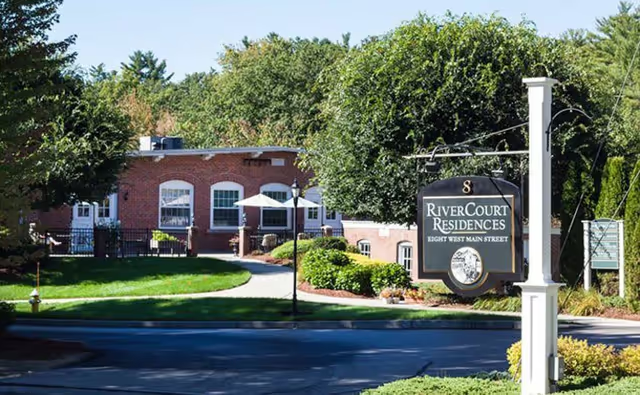
Benchmark Senior Living at Nashua Crossings is consistently described as a modern, clean, and well-maintained community with a strong social orientation. Reviewers praise the environment as bright and hotel-like, with pleasant outdoor spaces, gardens, and multiple communal areas such as a library, game room, and self-service kitchen. Apartments are reported as easy to personalize and housekeeping services (including bed making) are included. Safety features and clinical supports such as an on-call nurse and distress systems are noted positively.
Direct care and therapeutic services receive mixed but generally favorable remarks. Many families cite compassionate, attentive caregivers and highlight the community's memory-care expertise and dementia-awareness. Physical and occupational therapy programs earn particular praise for effectiveness. At the same time, there are recurring operational concerns about staffing consistency: high turnover, reliance on contract personnel, and staffing shortages are described as factors that can lead to variability in day-to-day care and responsiveness. Reviewers also note a lack of a single, reliable point of contact for some families, which can complicate care coordination.
Dining and meal service are strengths in some respects—menus are extensive, there are order-off-menu options, social mealtimes are emphasized, and several reviewers compared the food favorably to restaurant meals. However, meal delivery logistics and quality control are an area of concern. Common themes include meals delivered cold in disposable containers, inconsistent portioning (notably small breakfasts for some), heavy reliance on certain items (e.g., bacon at breakfast), and limited availability of fresh fruit beyond morning service. Snack quality and healthfulness were also raised. These points suggest variability in kitchen-to-table processes and assistance levels for residents who need help eating.
Activity programming is broad and varied—examples include exercise classes, cooking classes, Wii and gaming activities, live music, outings, and holiday events. The community places visible emphasis on social engagement and getting residents involved, and many families report improved resident mood and social connections. Conversely, some reviews describe outings that were promised but not consistently executed, activities that felt not sufficiently individualized for resident needs (or were experienced as forced), and occasional scheduling or follow-through gaps. These observations indicate strong programming capacity coupled with uneven implementation for person-centered customization.
Management, admissions, and cost transparency present a mixed picture. Admissions and move-in support are frequently described as efficient and helpful, and some families praise hands-on management and open communication. Yet multiple reviewers raised concerns about pricing structure—entry fees, additional care charges, unexpected add-ons, and the community's lack of Medicare/Medicaid acceptance contribute to affordability constraints and sticker shock for prospective residents. Some visitors also reported a sales-driven or pressure-oriented tour experience.
Overall, Nashua Crossings projects a favorable first impression for those seeking a clean, activity-rich, memory-capable community with strong therapy services and a welcoming physical environment. Prospective residents and families should weigh these strengths against recurring operational patterns: staffing variability, meal-delivery inconsistencies, potential maintenance/furnishing needs in common areas, smaller apartment sizes, and pricing/benefits limitations. For individuals with higher-acuity care needs or complex dementia-care requirements, families may want to confirm staffing continuity, dementia-specific staff training, and meal assistance protocols during the decision process. Visiting during mealtime and observing activity follow-through can help assess how well the community’s strengths translate into consistent daily practice for a given resident.