Langdon Place of Nashua is characterized across reviews as a well-managed senior living community with pronounced strengths in staffing, clinical care, dining, and family communication. Families and residents consistently emphasize a caring culture: long-tenured employees, accessible leadership, and a nursing team that many describe as knowledgeable and responsive. The community offers a continuum of care—independent living through memory care—with multiple reviewers noting smooth transitions between levels and coordinated clinical support, including 24/7 nursing and outside clinical affiliations.
Clinical care and staff quality are recurring positives. Reviewers highlight individualized attention, strong end-of-life and hospice coordination, and frequent family updates (including Zoom meetings during infection-control periods). Leadership and admissions personnel are often described as proactive and communicative, which lends confidence to families during moves and care changes. That said, while many describe low turnover and staff familiarity with residents, there are isolated operational concerns within the memory-care setting that prospective families should probe further (see cons).
Dining and activities are central to community life. Dining receives frequent praise for variety, presentation, and accommodation of dietary needs; many reviewers compare the dining room to a restaurant atmosphere and note options for in-room meals. The activity program is extensive and diverse—musical events, pools/parties, painting, bingo, off-site excursions, and regular transportation—contributing to social engagement and perceived improvements in resident well-being. There is some variability in programming intensity across days or units, however, and a few reviewers found activity levels less consistent than others did.
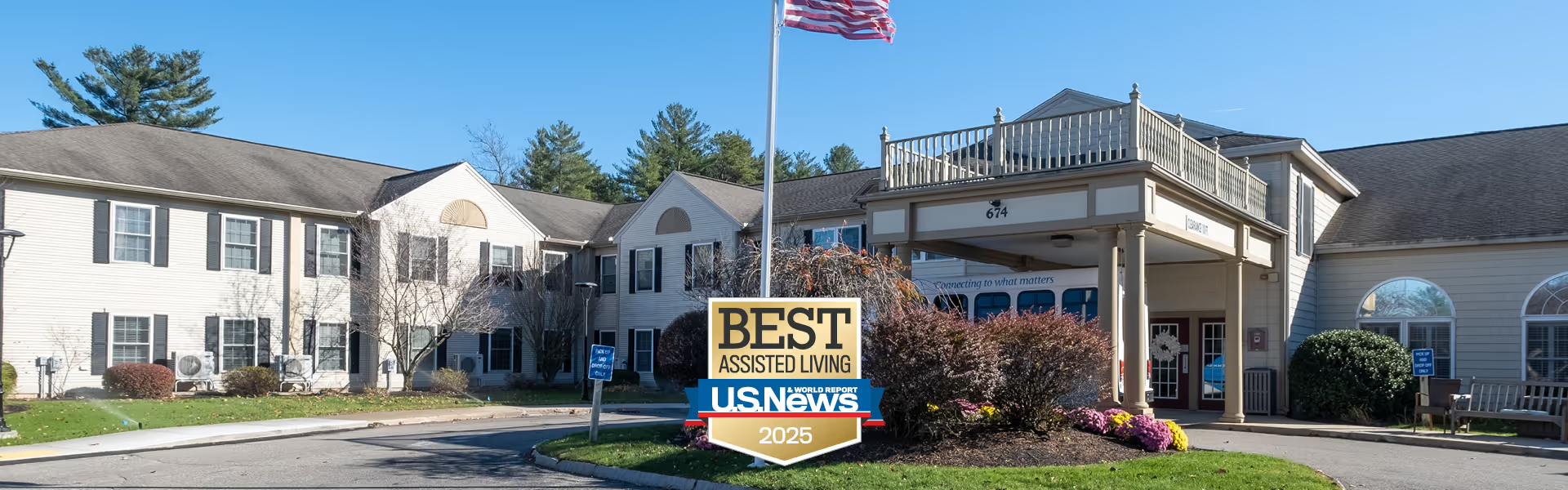
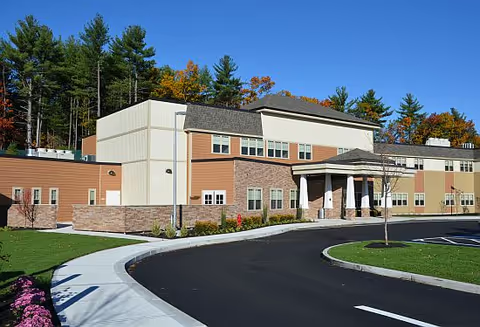
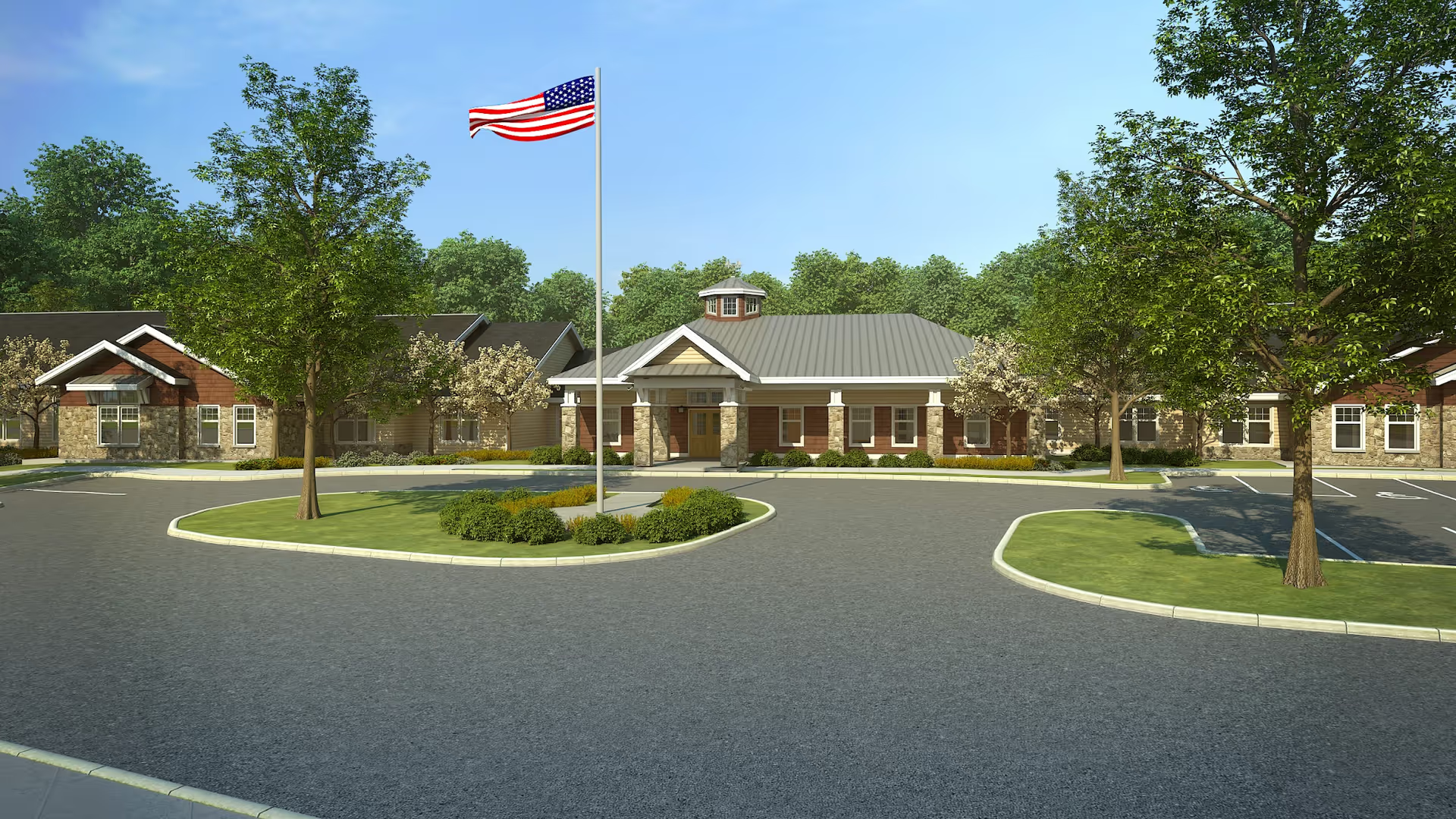
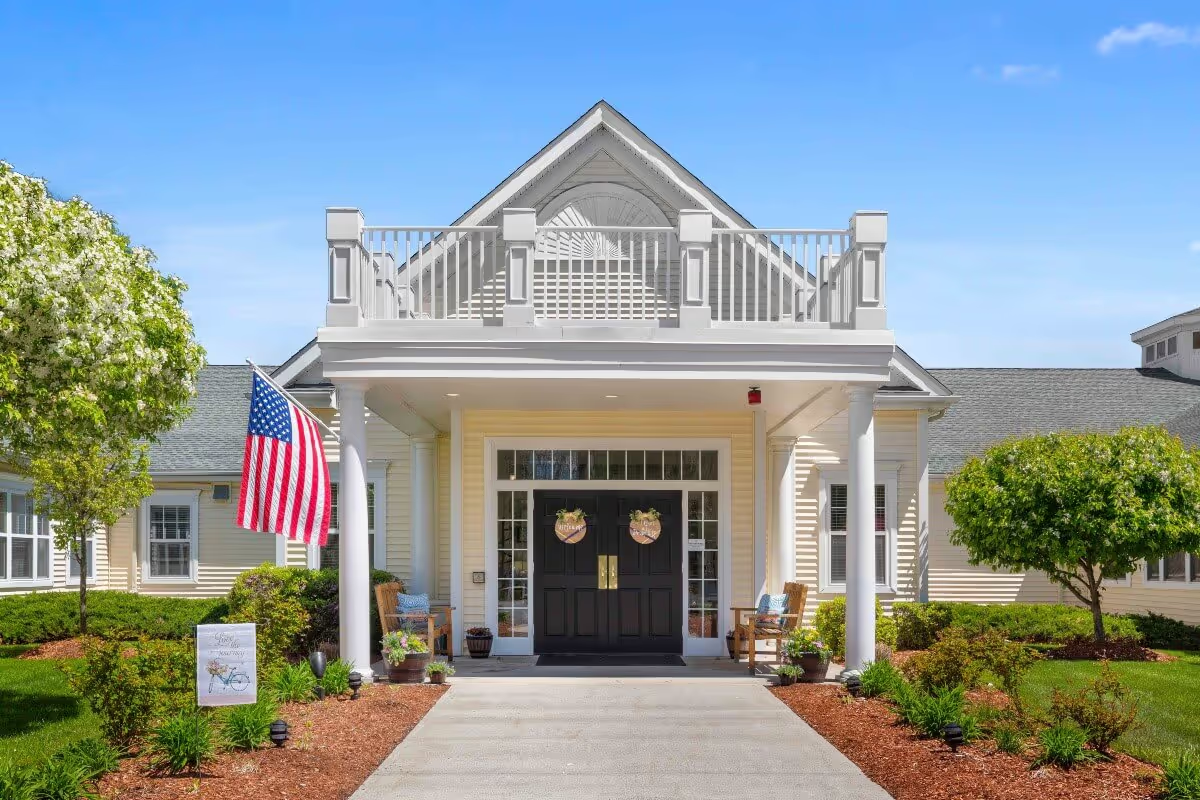
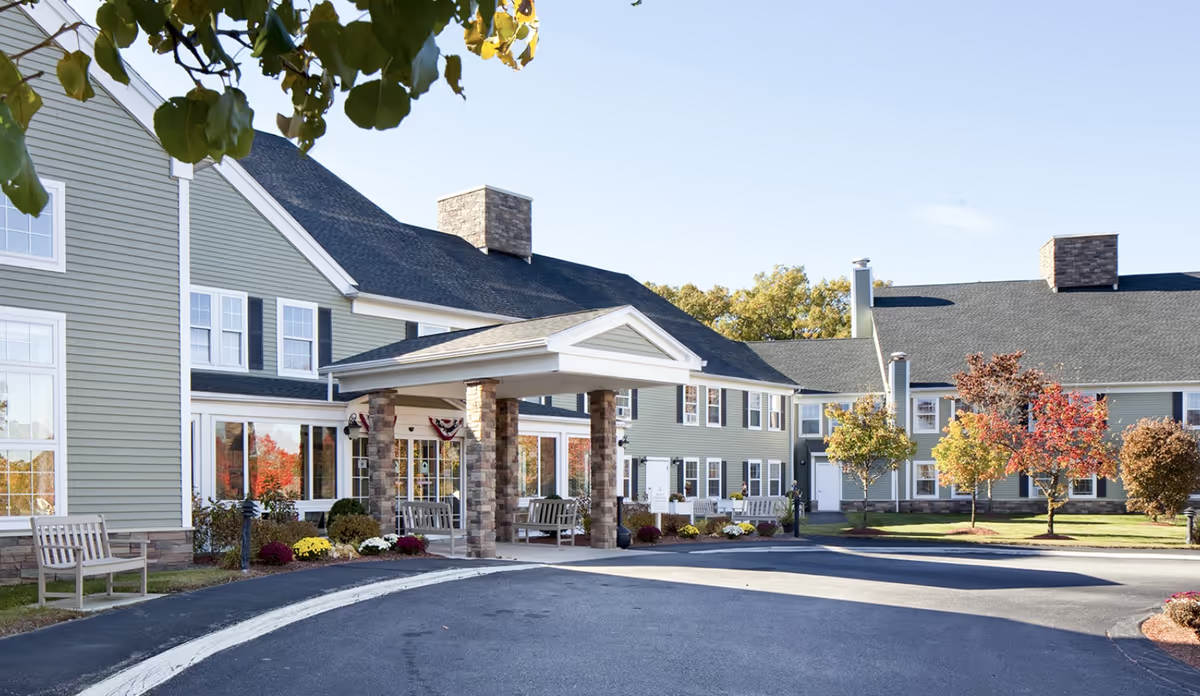
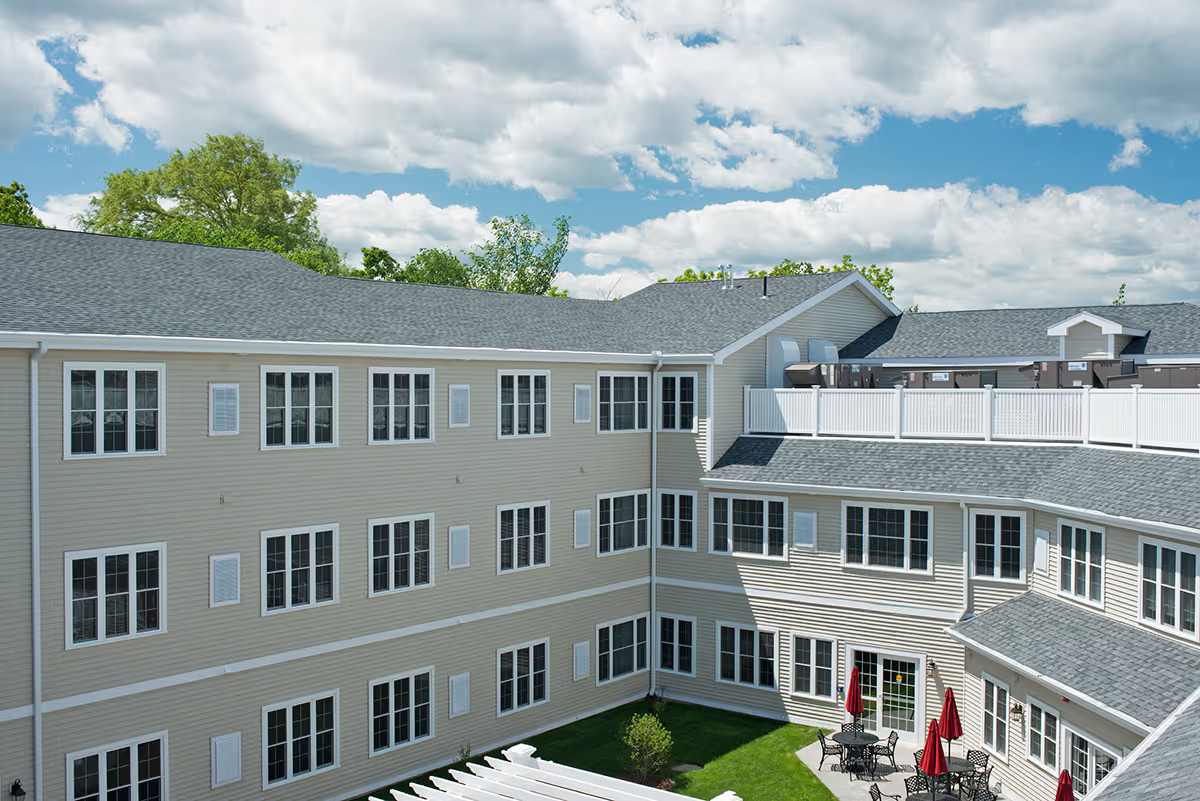
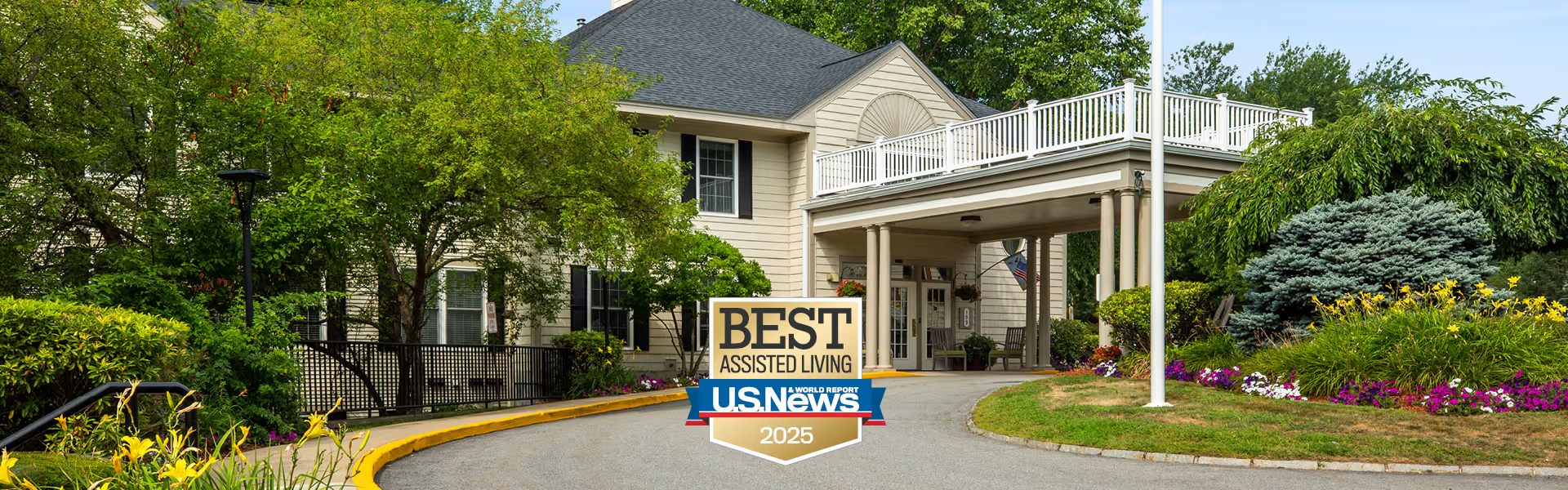
Facilities are generally described as clean, attractive, and well maintained. The campus features an indoor heated pool, multiple social and recreation spaces, courtyards, and apartment options with kitchens and storage. At the same time, reviewers mention heterogeneity across the physical plant: several comments point to selective need for renovations, occasional pool/hot-tub maintenance issues, and some smaller apartment footprints in specific units. A reviewer also flagged a pest-control incident; this highlights the importance of asking about pest-control procedures and recent remediation history during a tour.
Operational considerations for prospective residents include occupancy and availability constraints, cost considerations relative to competing local options, and certain staffing patterns during peak service times (for example, midday meal coverage in memory-care areas). Overall, the dominant pattern is of a community with strong person-centered care, attentive staff, and robust dining and social programming, tempered by a few facility- and operations-level issues that merit direct inquiry at the time of visit. Recommended next steps for families: tour multiple unit types to verify apartment size and condition, review recent maintenance and pest-control records, observe meal service and activity periods, and discuss staffing levels in the memory-care neighborhood during peak hours.