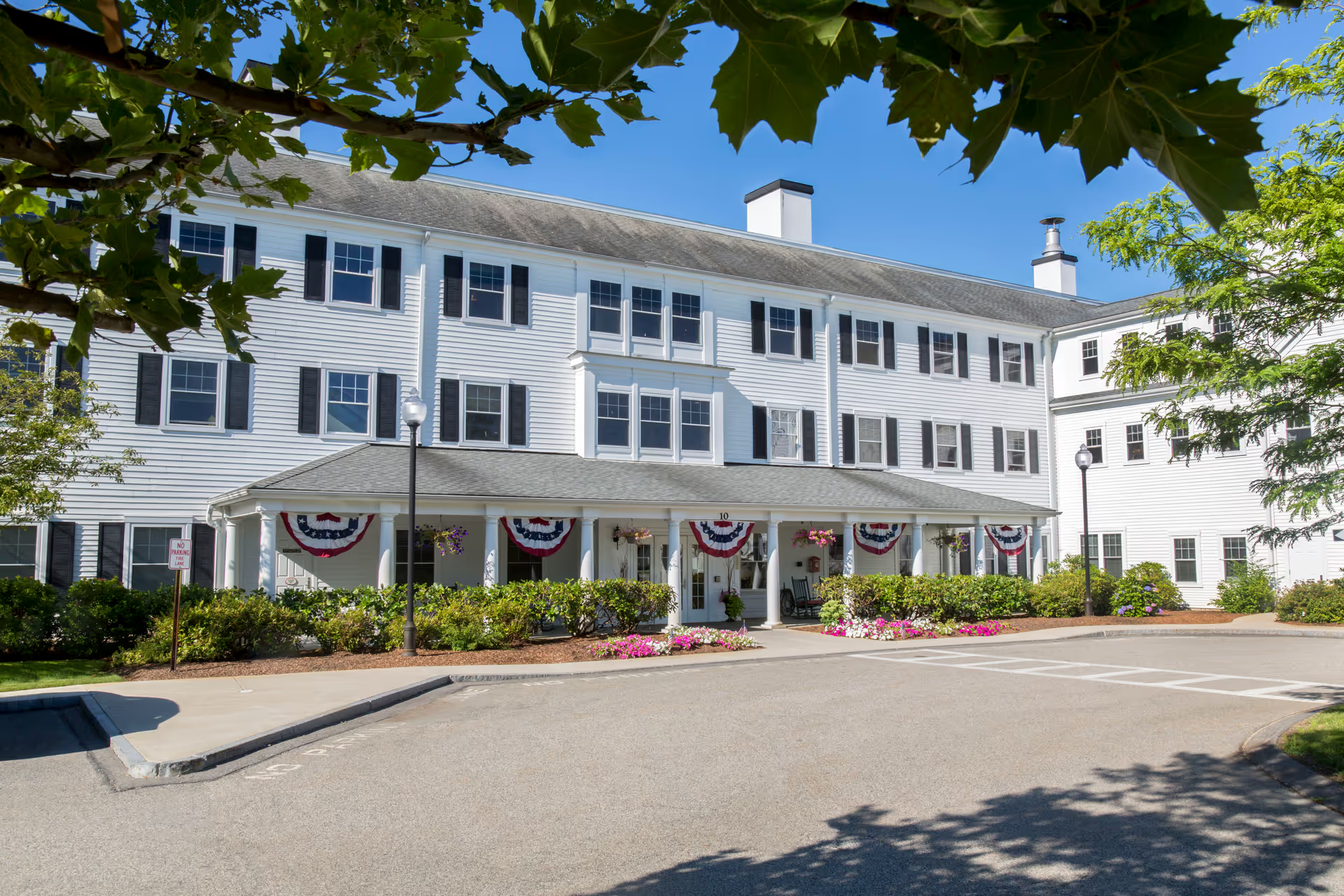
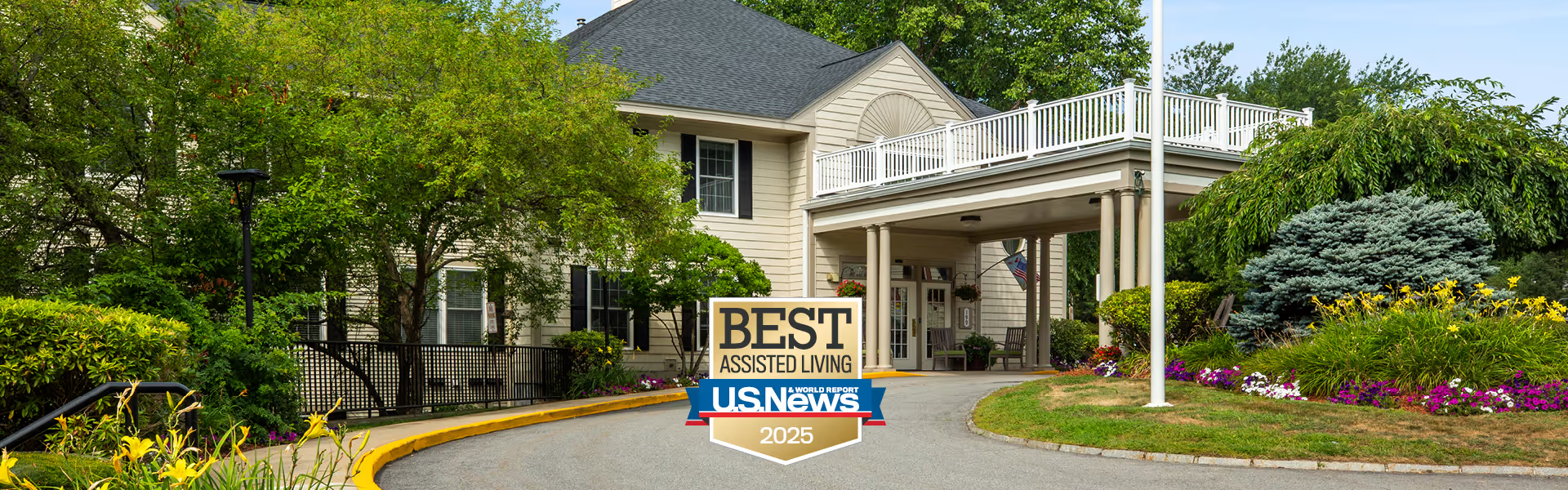
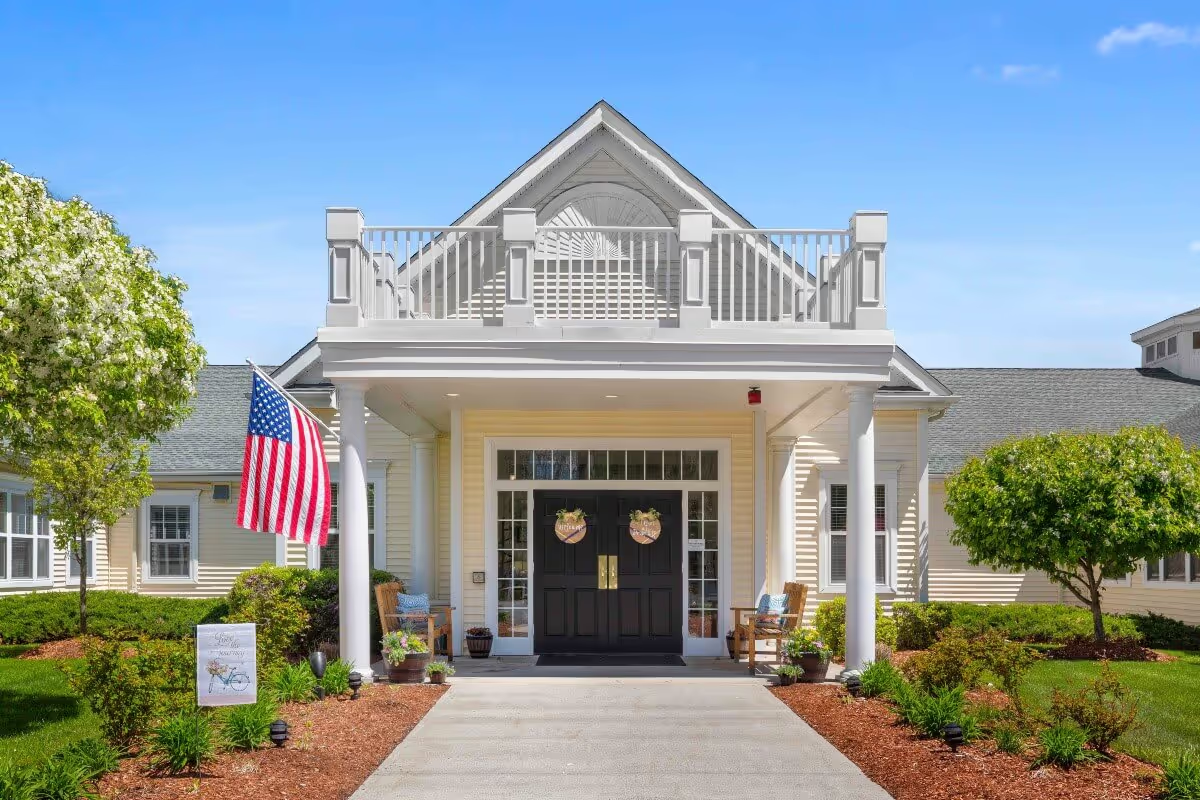
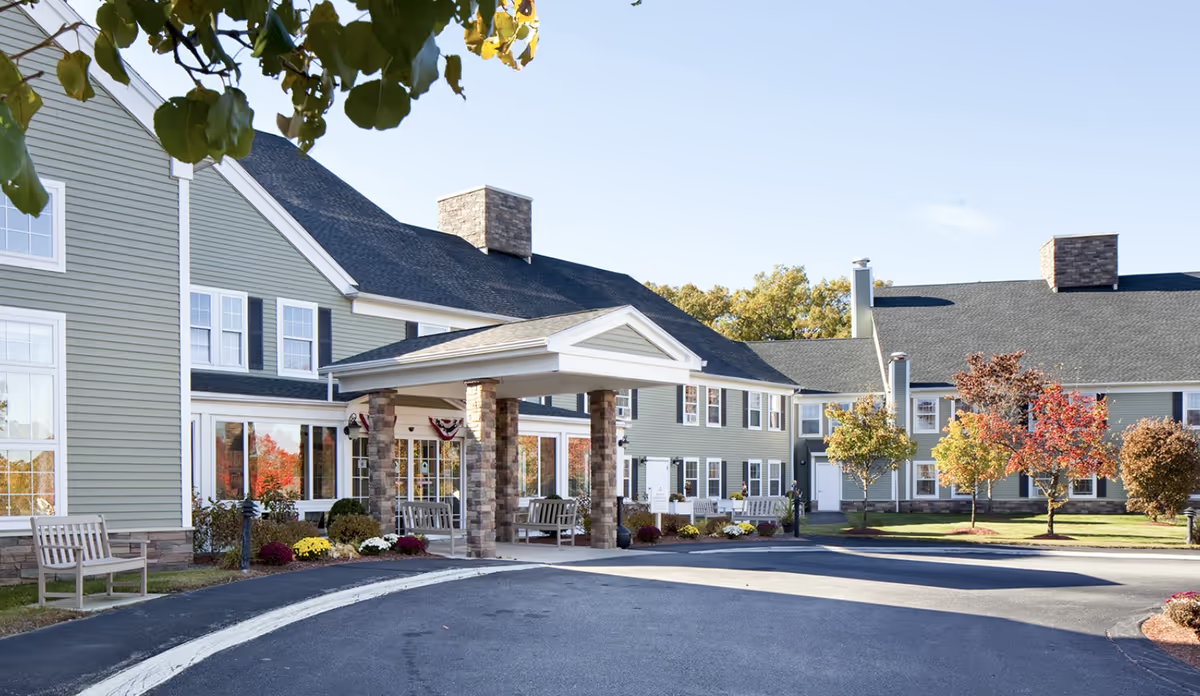
Bridges by EPOCH at Westford presents as a purpose-built memory-care community with a strong clinical and programmatic focus. The facility emphasizes specialized dementia care: reviewers consistently note an on-site geriatric psychiatrist, a primary-care presence, and a full-time wellness nursing staff. Families describe attentive nursing and CNA teams, frequent clinical contact through the Wellness Director, and coordinated communication with outside providers. Emergency response systems and 24/7 monitoring are cited as contributing to a sense of safety for residents with memory challenges.
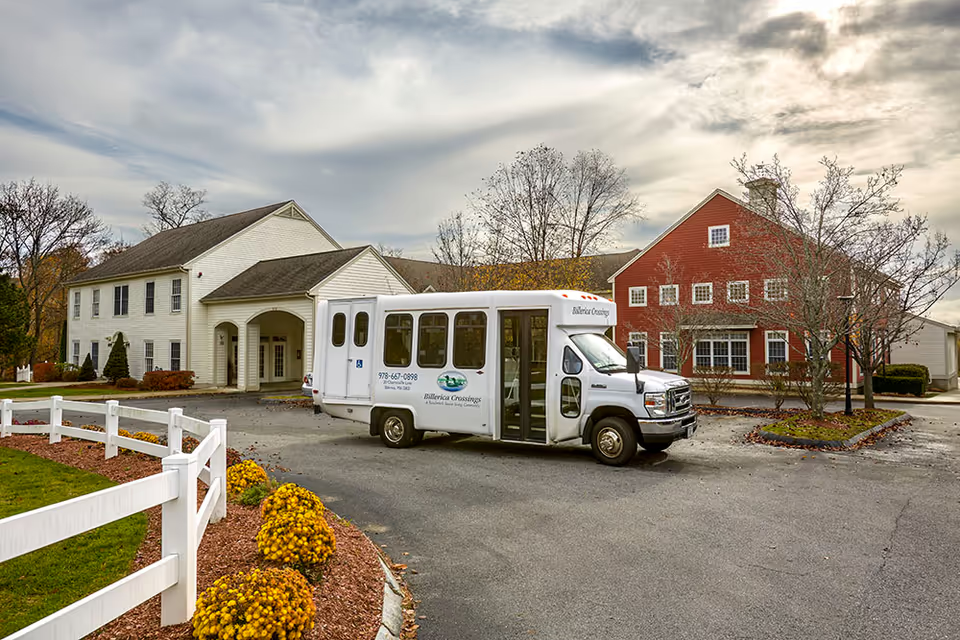
The life-enrichment program is a clear strength. The community offers a broad daily schedule — music, arts and crafts, exercise, cooking classes, walking and gardening groups, outings, and on-site entertainment — often led by a dedicated Life Enrichment Director. Therapeutic visits such as musicians and therapy dogs, caregiver support groups, and virtual-visit accommodations support both resident engagement and family involvement. Reviewers also highlight individualized attention during admissions and active efforts to help residents acclimate socially.
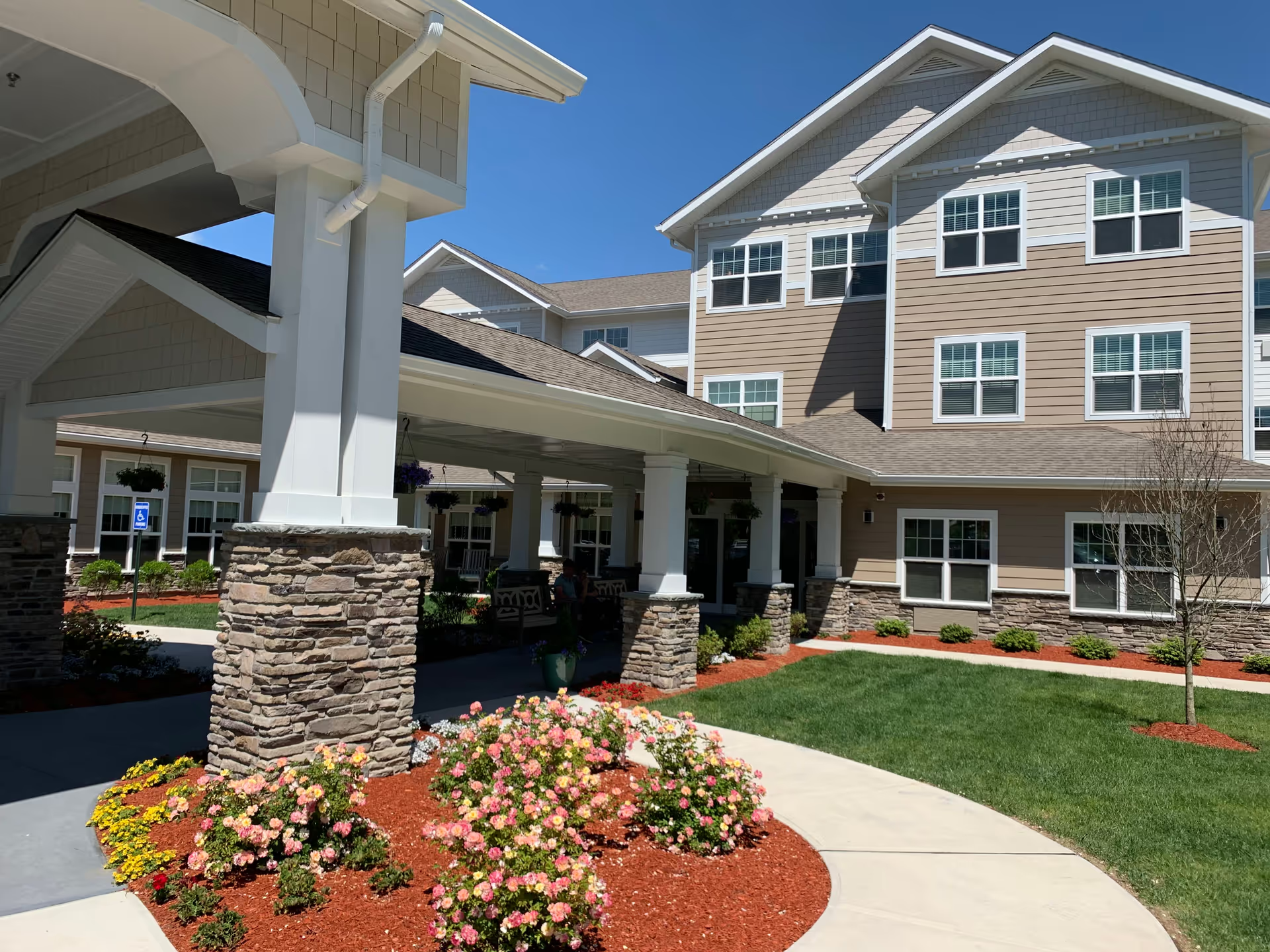
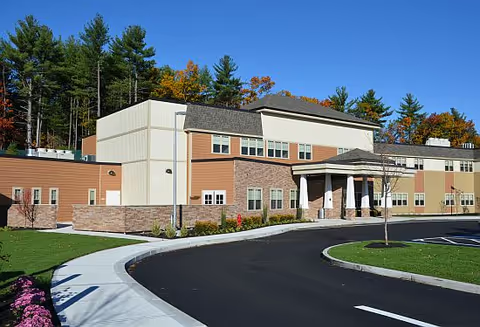
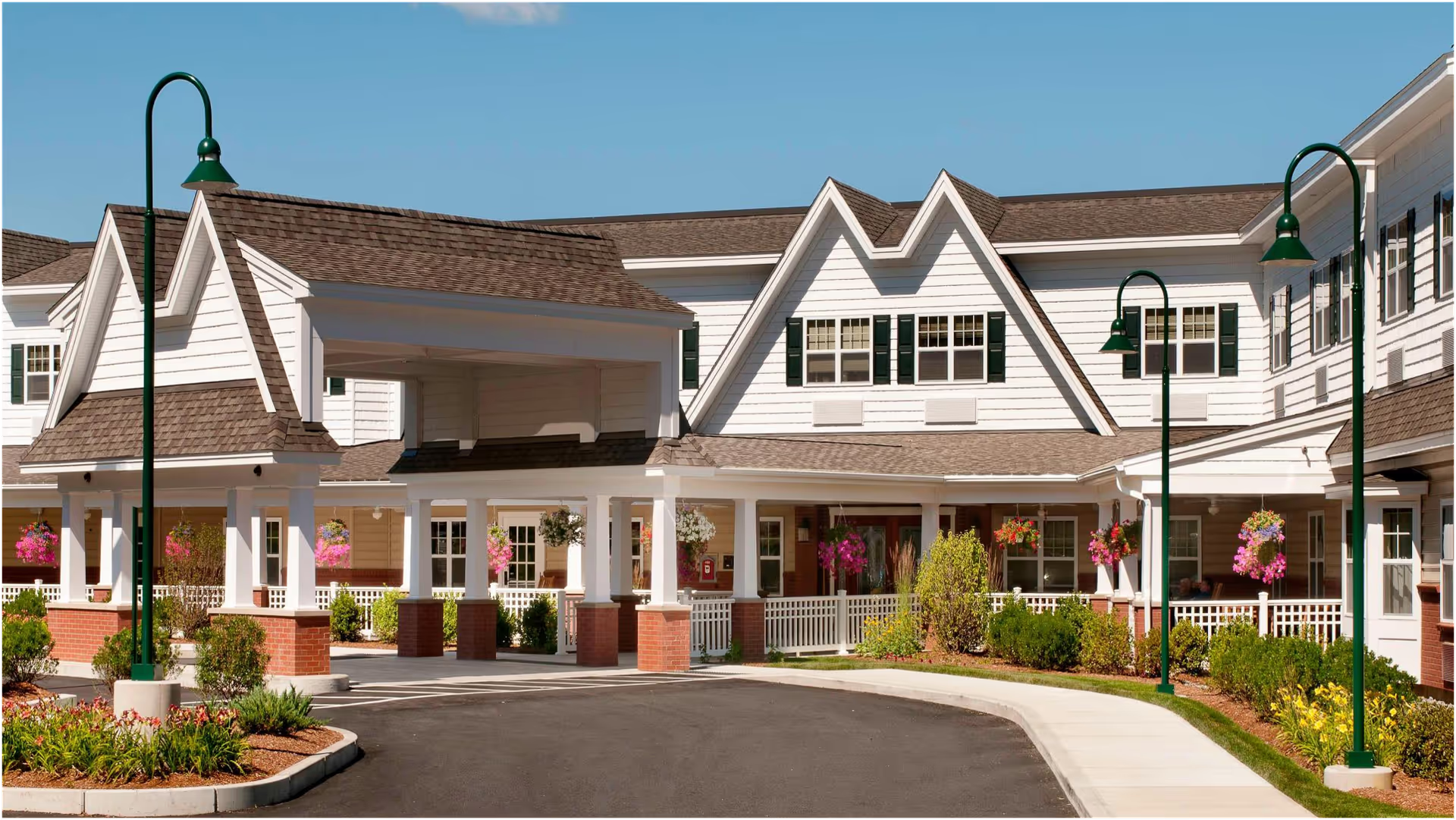
Dining and amenities receive generally positive comments: an on-site chef, restaurant-style presentation, and a range of wholesome, appealing meals are frequently praised. On-site services such as a hairdresser, well-kept private and communal spaces, landscaped courtyards, and a bright, home-like design contribute to the overall quality-of-life impression. Many families describe the building as clean, welcoming, and well maintained.
Notwithstanding these strengths, there are recurring operational concerns to consider. Several families noted inconsistent staffing levels and staff turnover that can affect continuity of care and daily responsiveness. Related themes include variability in clinical-monitoring practices (for example, the level of nursing follow-up beyond basic medication administration) and intermittent gaps in family communication. A smaller set of comments referenced variability in meal quality and value for price; overall cost was described by some families as premium relative to expectations. These issues appear unevenly distributed rather than universal, but they are salient operational traits to review during a visit.
For prospective families: the community offers a strong dementia-care model with robust programming and clinical resources, and many report improved quality of life for residents. When evaluating placement, ask specific questions about current staffing ratios and turnover, examples of clinical-monitoring protocols (weight checks, care-plan reviews, nursing follow-up), written communication practices for families, and how culinary consistency is maintained. An in-person tour during activity times and meetings with the wellness and life-enrichment leaders can help confirm whether the facility’s day-to-day operations align with a family’s expectations.