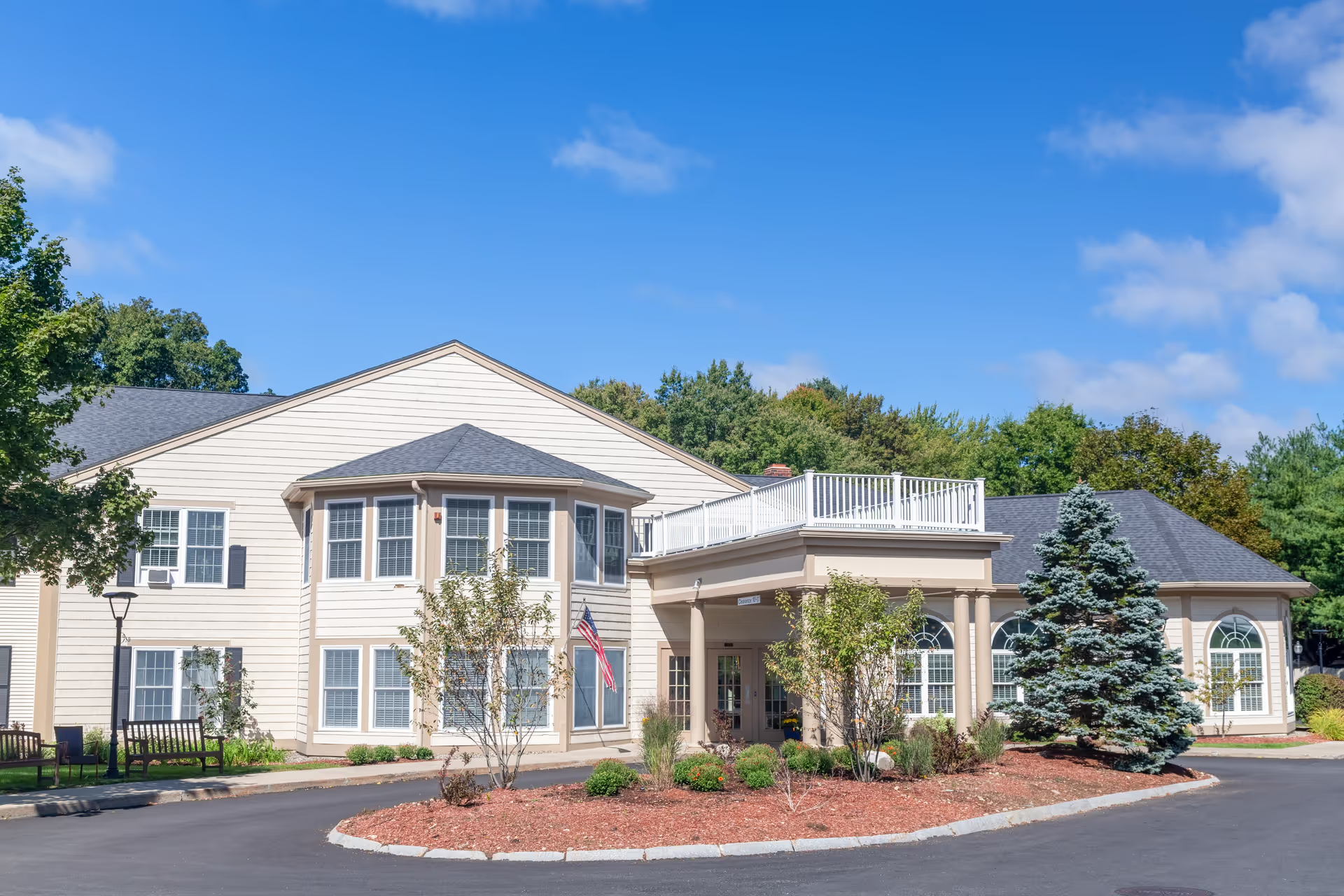
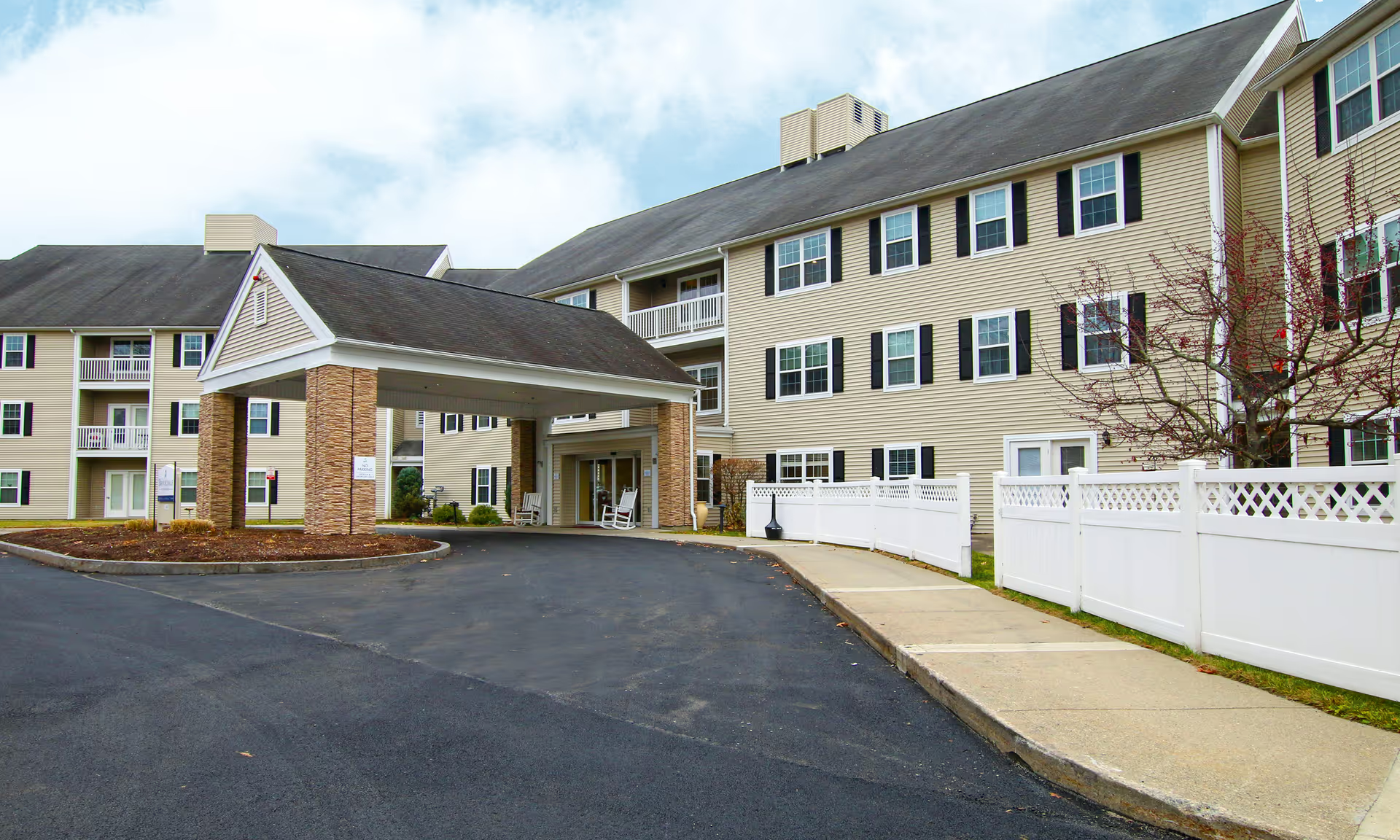
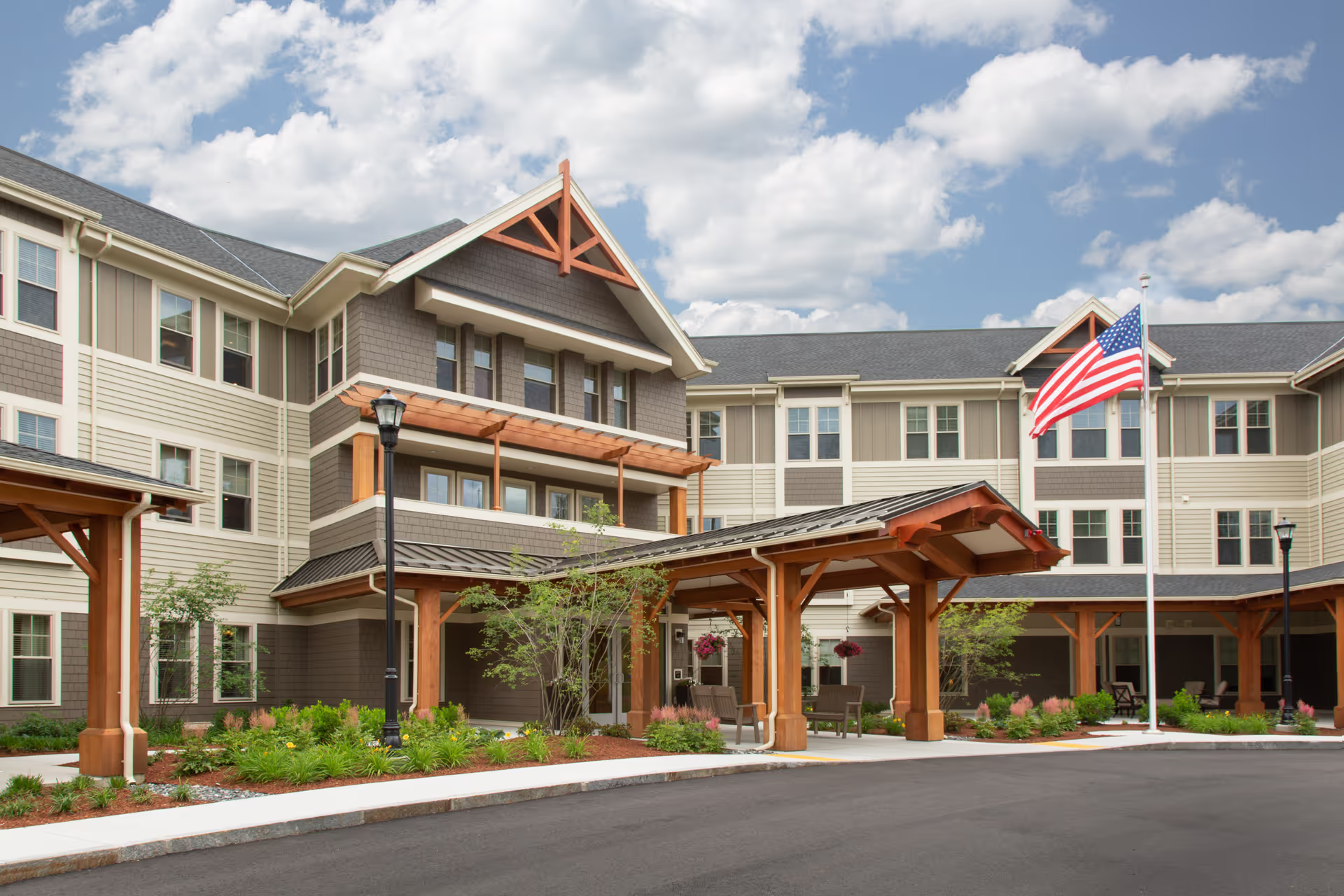
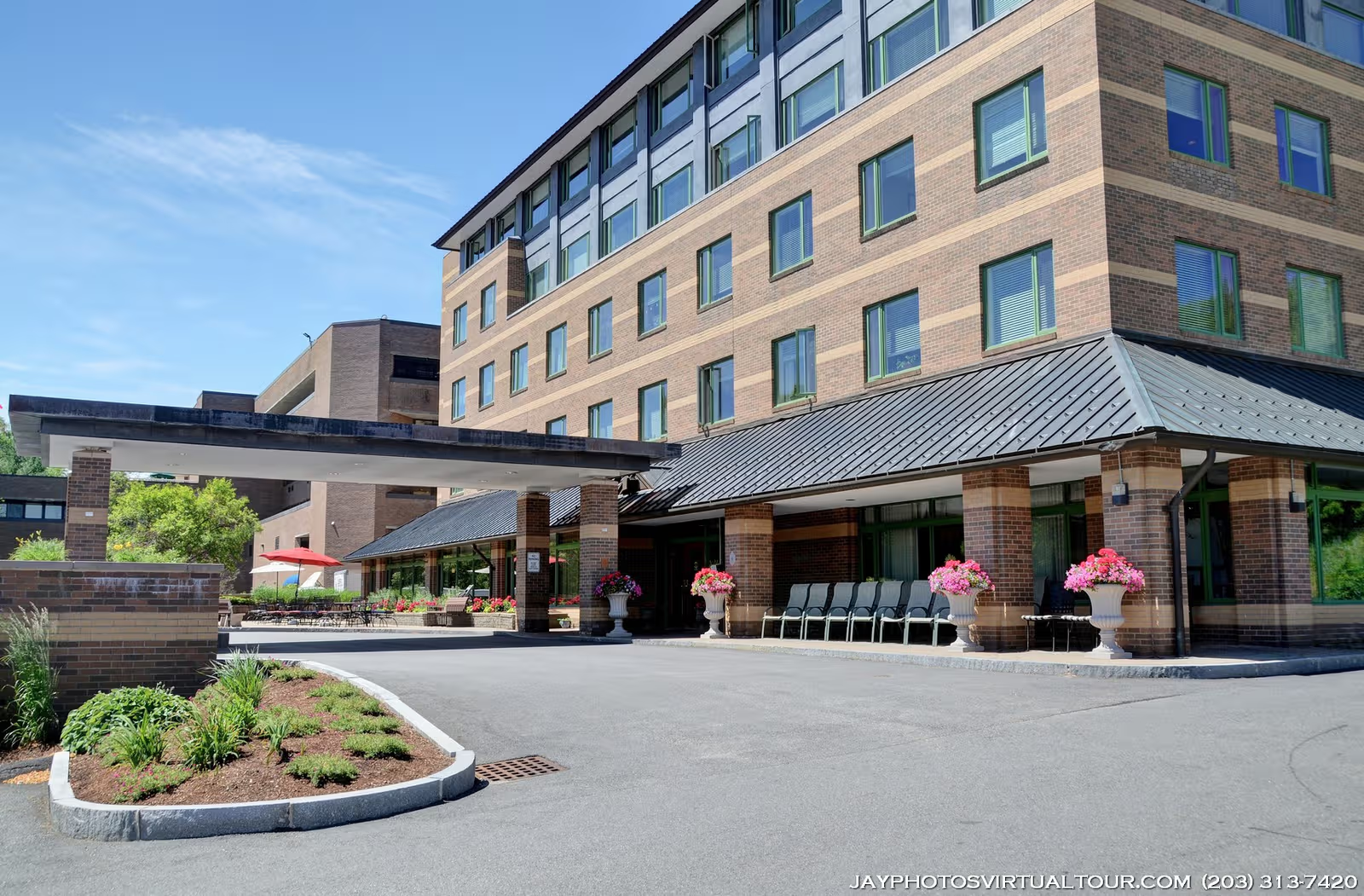
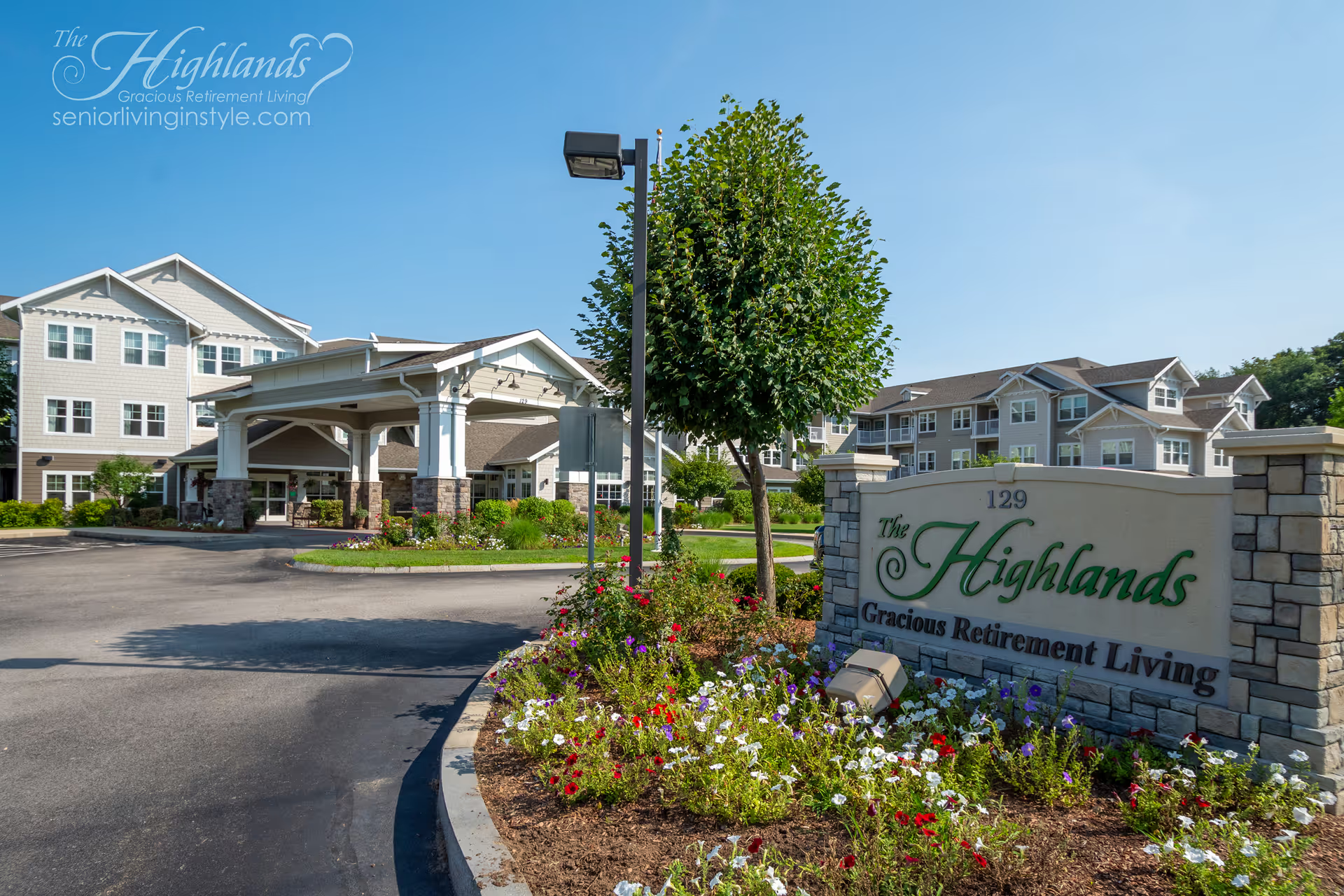
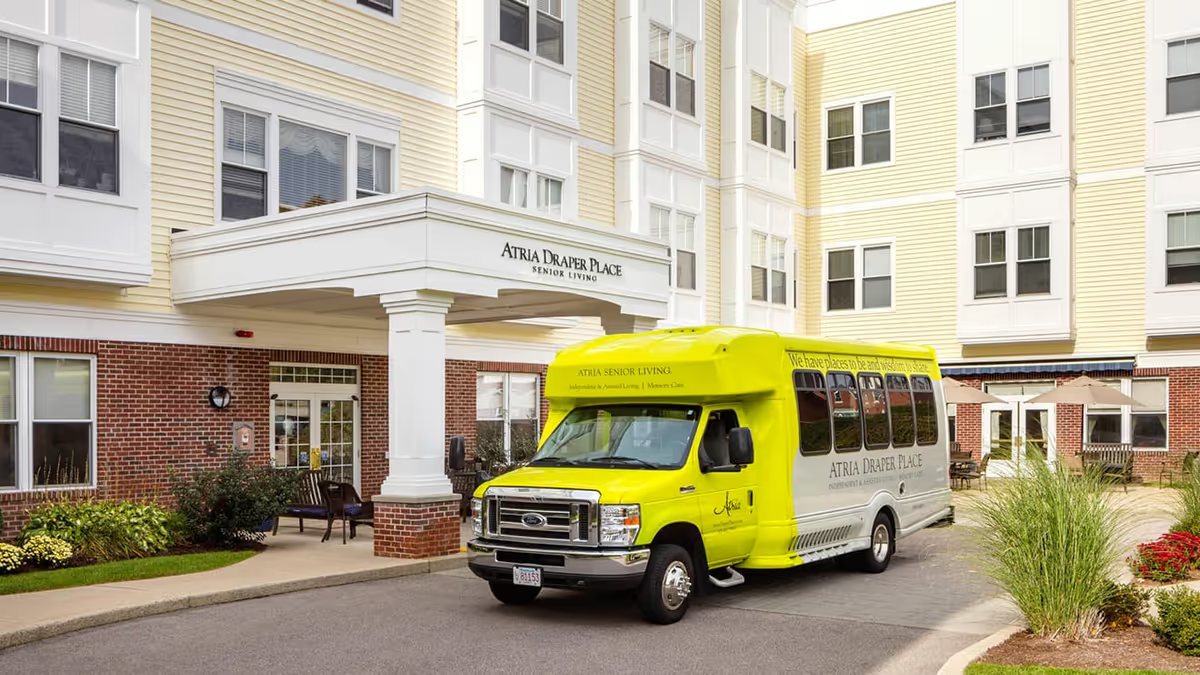
CareOne at Millbury elicits strongly polarized feedback. Many accounts highlight excellent strengths in rehabilitation, therapy, and the facility environment: reviewers consistently praise the physical and occupational therapy teams for producing strong functional gains, and multiple families noted a recovery-focused culture. The building and grounds are frequently described as modern, clean, and well maintained, with attractive outdoor spaces, inviting common areas, and hotel-like amenities that contribute positively to resident well-being. Recreation and activities receive recurrent commendation for being varied, engaging, and well staffed.
Clinical and direct-care staff are often described as warm and attentive. Numerous comments single out individual nurses, CNAs, therapists, and front-desk or admissions staff for compassionate, helpful care. Housekeeping and laundry services are commonly noted as reliable, and many families reported positive interactions with admissions and administrative reception teams.
Balancing those positives, a substantial set of operational concerns emerges. Staffing inconsistencies — especially on nights, weekends, and during holidays — are a recurrent theme and are associated with delayed responses to call bells, slower attention to personal-care needs, and interruptions in routine services. Medication-management problems and delayed administration have been noted, and several reviewers described issues with physician follow-up and clinical oversight. These clinical-process weaknesses are sometimes linked to safety events and to family perceptions of inadequate monitoring or transfer-safety practice gaps.
Dining and dietary management are mixed. The facility receives praise for restaurant-style presentation and menu variety, yet other accounts describe inconsistent meal quality and specific dietary-management issues, including errors affecting residents with diabetes or texture-modified diets. Discharge planning and transitions to home or other facilities are another source of frustration: families describe rushed or poorly coordinated discharges, unclear paperwork, and difficulties obtaining timely follow-up instructions.
Administrative and documentation processes show variability. Some families find administrators approachable and responsive, while others report limited engagement, slow communication, or poor record-keeping that complicates advocacy and regulatory inquiries. A range of property- and billing-related concerns also appears, including missing belongings and questions about end-of-stay charges; those are presented as serious individual allegations by some families.
Overall pattern: the facility demonstrates clear strengths in rehabilitation services, therapy expertise, facility appearance, and many individual staff members’ responsiveness. At the same time, persistent operational weaknesses — inconsistent staffing, lapses in medication and documentation processes, variable dietary oversight, and uneven administrative responsiveness — appear to drive the negative experiences. Prospective residents and families should weigh the strong therapy and amenities against these operational risk areas, and consider proactive strategies (designated family advocate, clear discharge checklist, medication reconciliation, and direct lines to clinical leadership) to help mitigate known weaknesses during a stay.