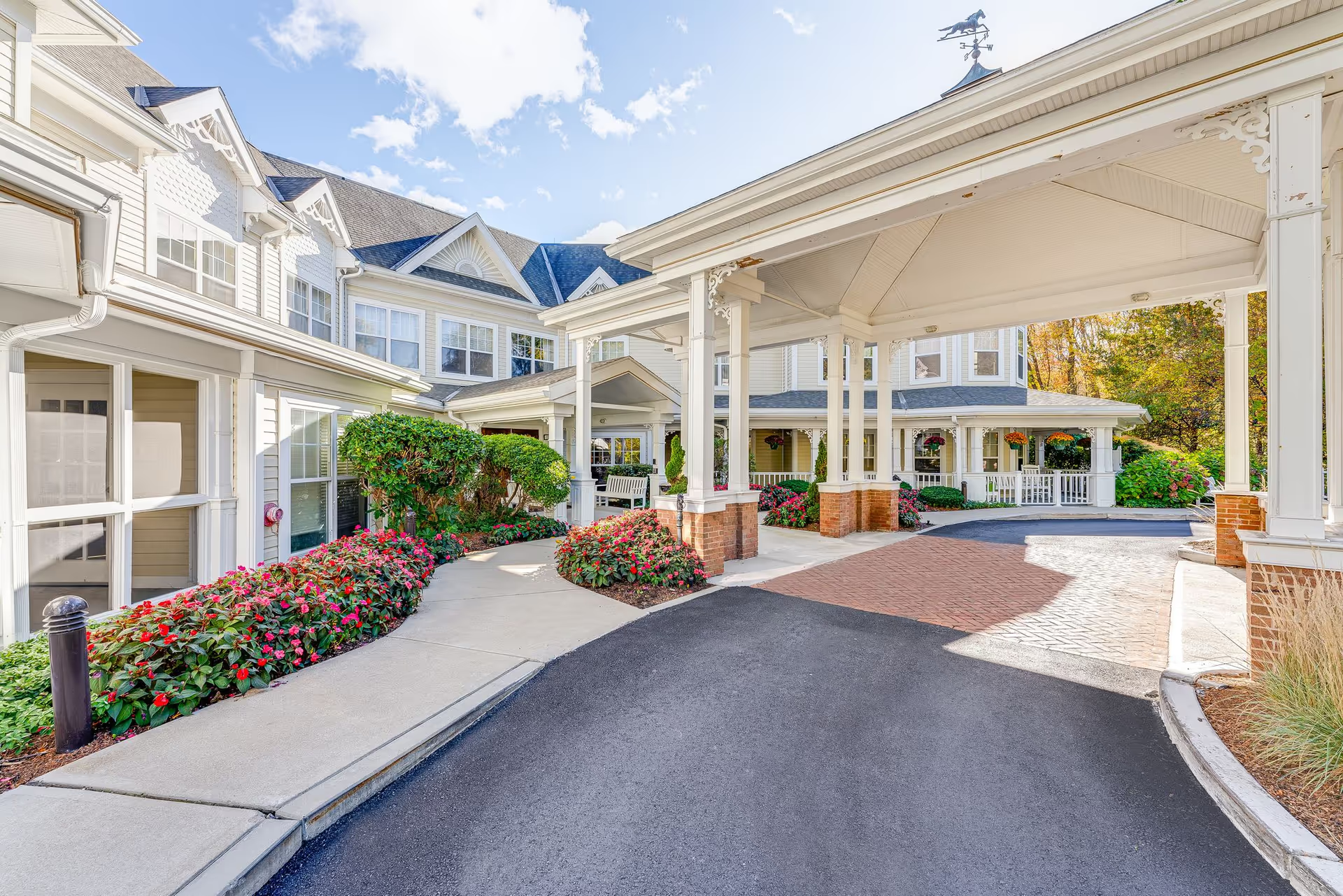
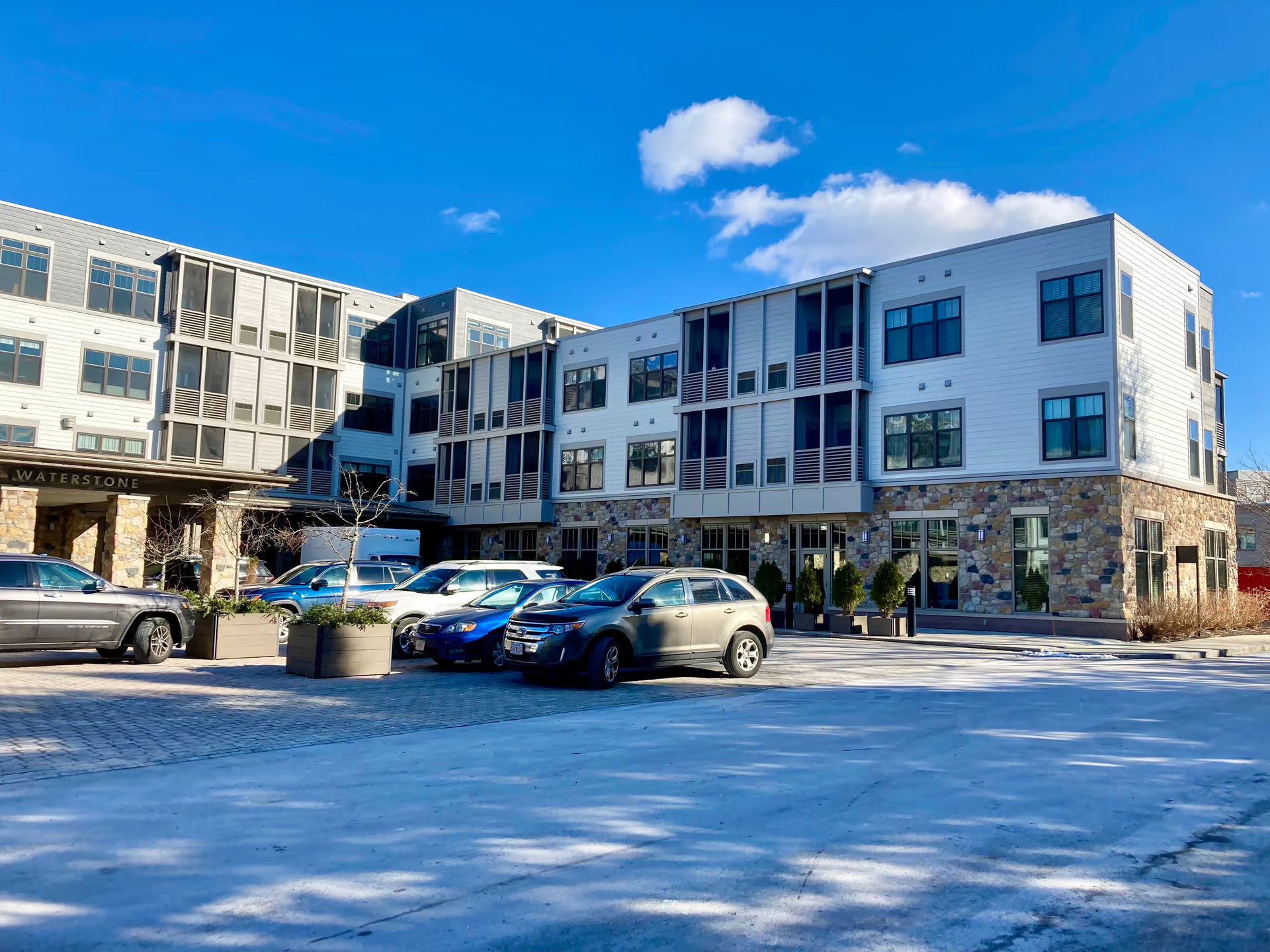
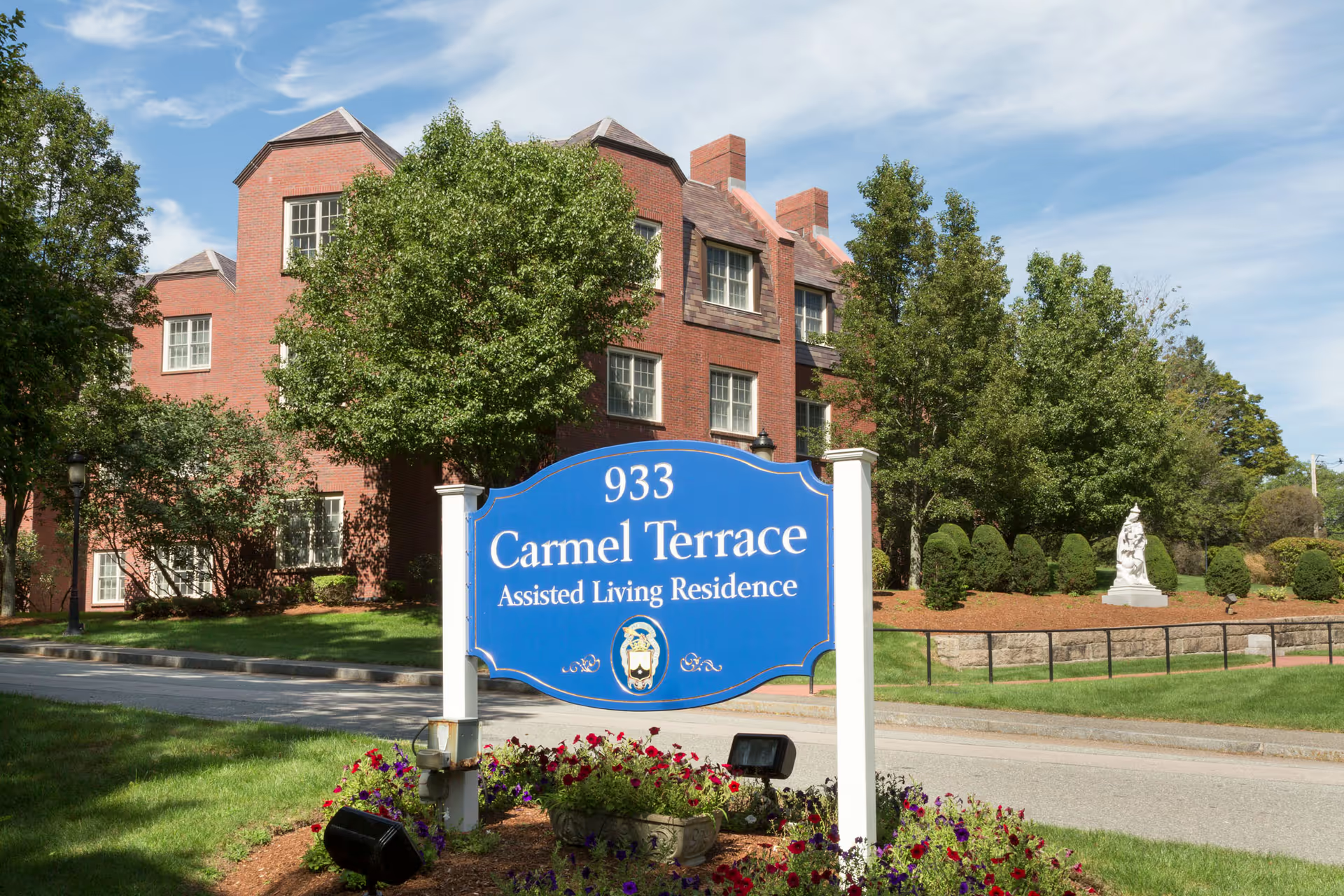
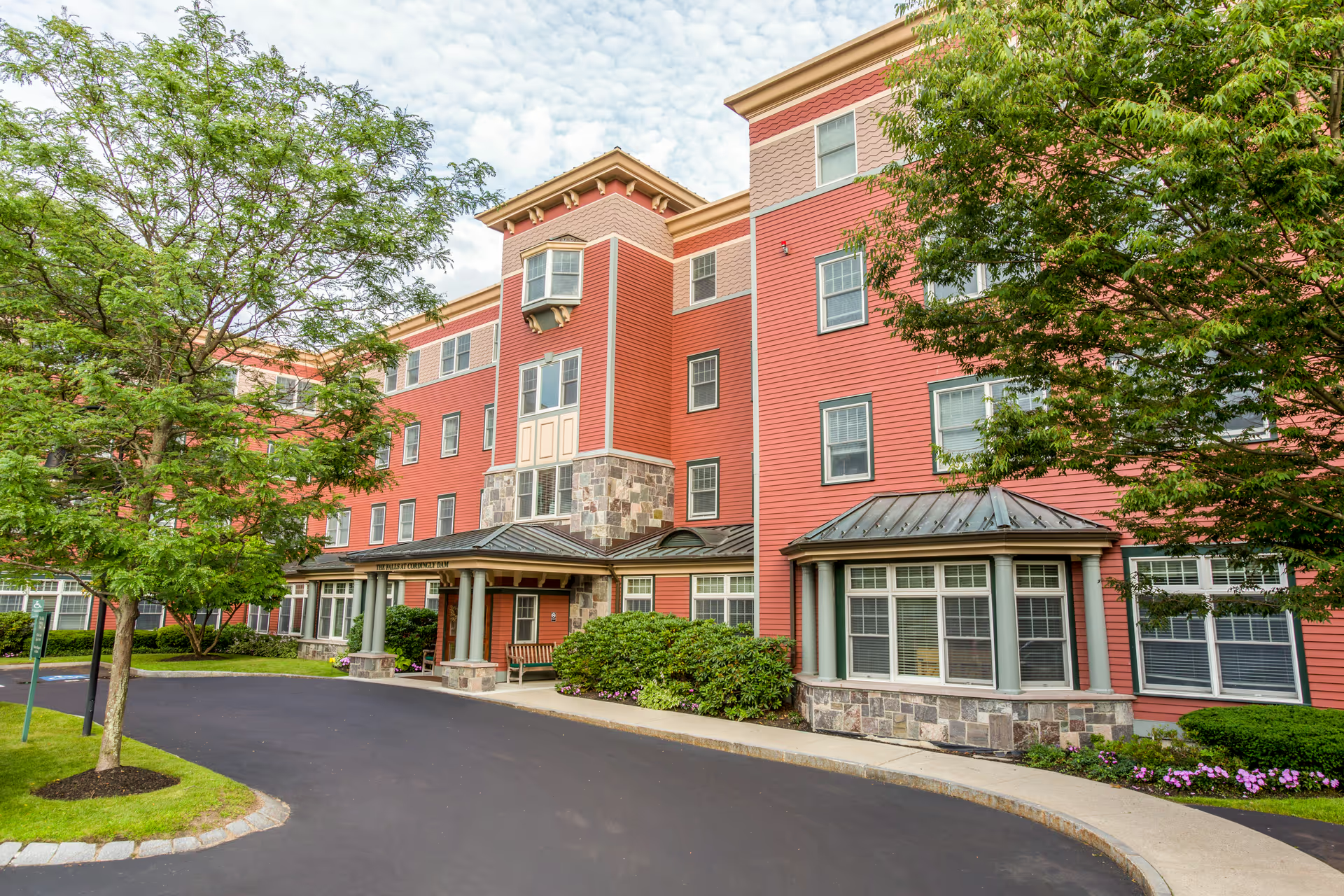
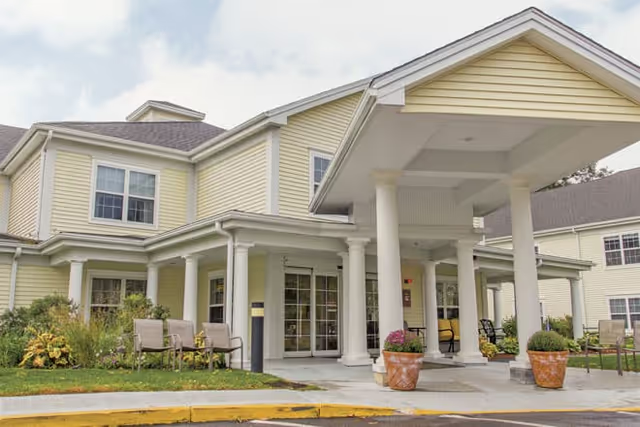
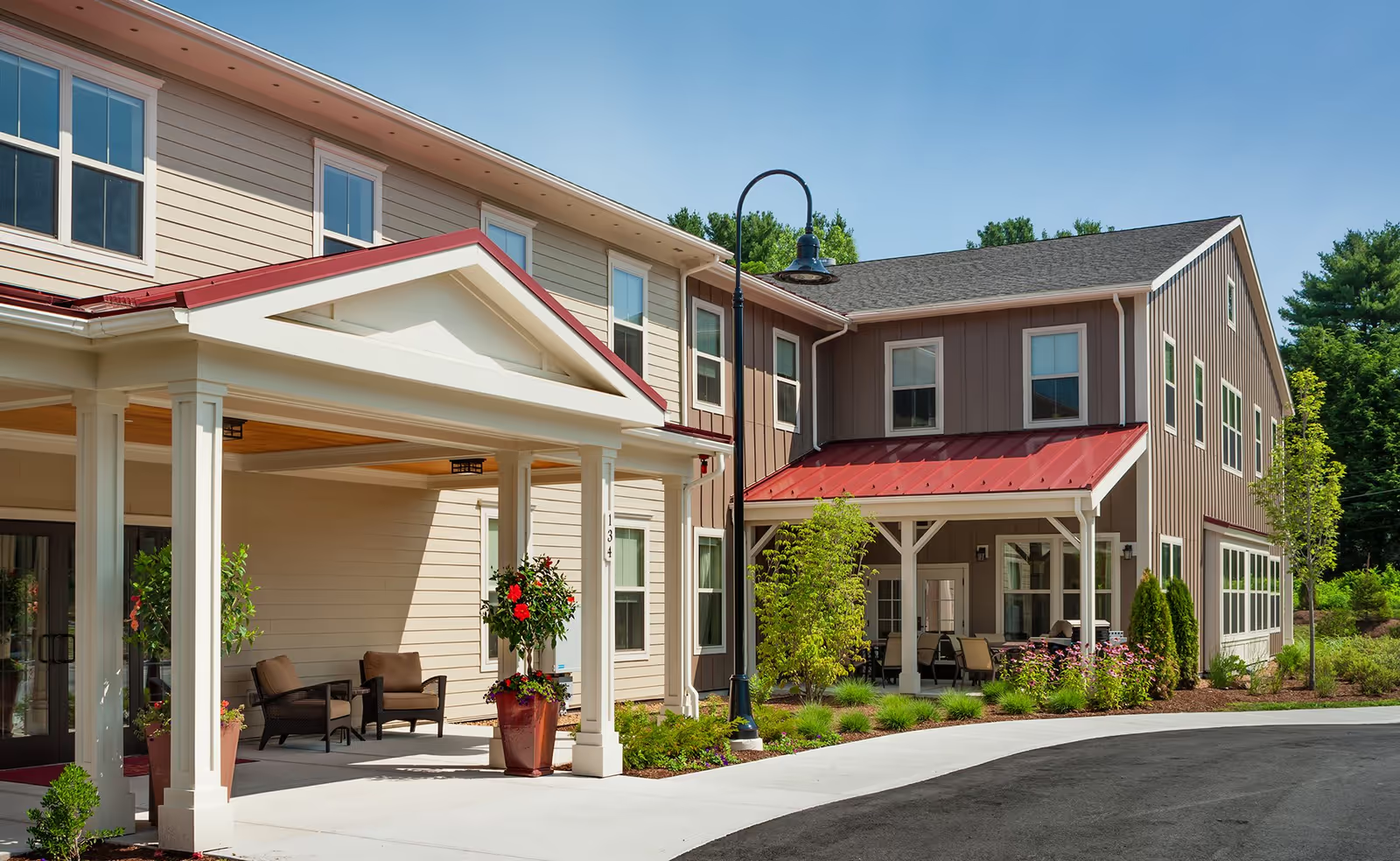
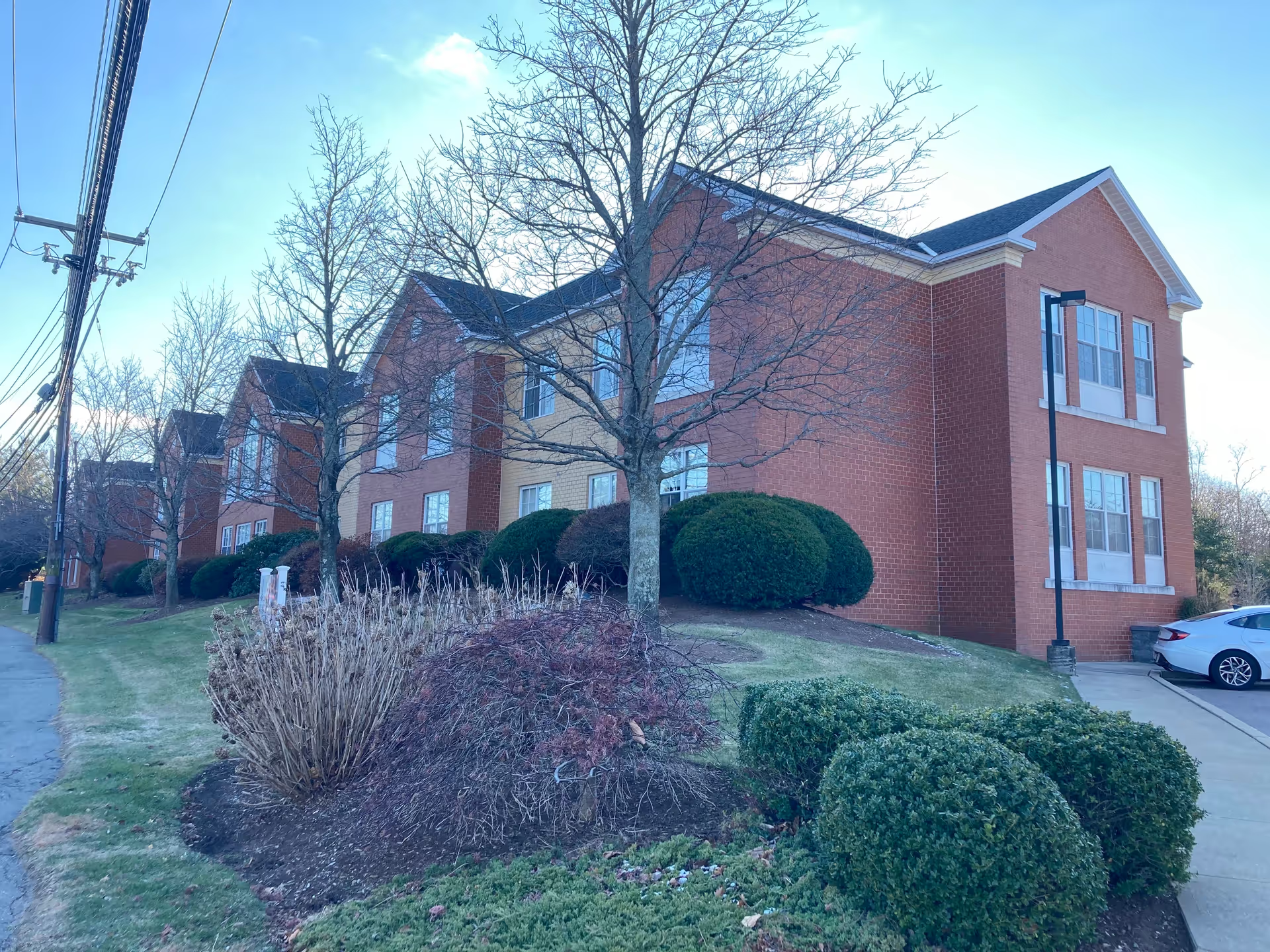
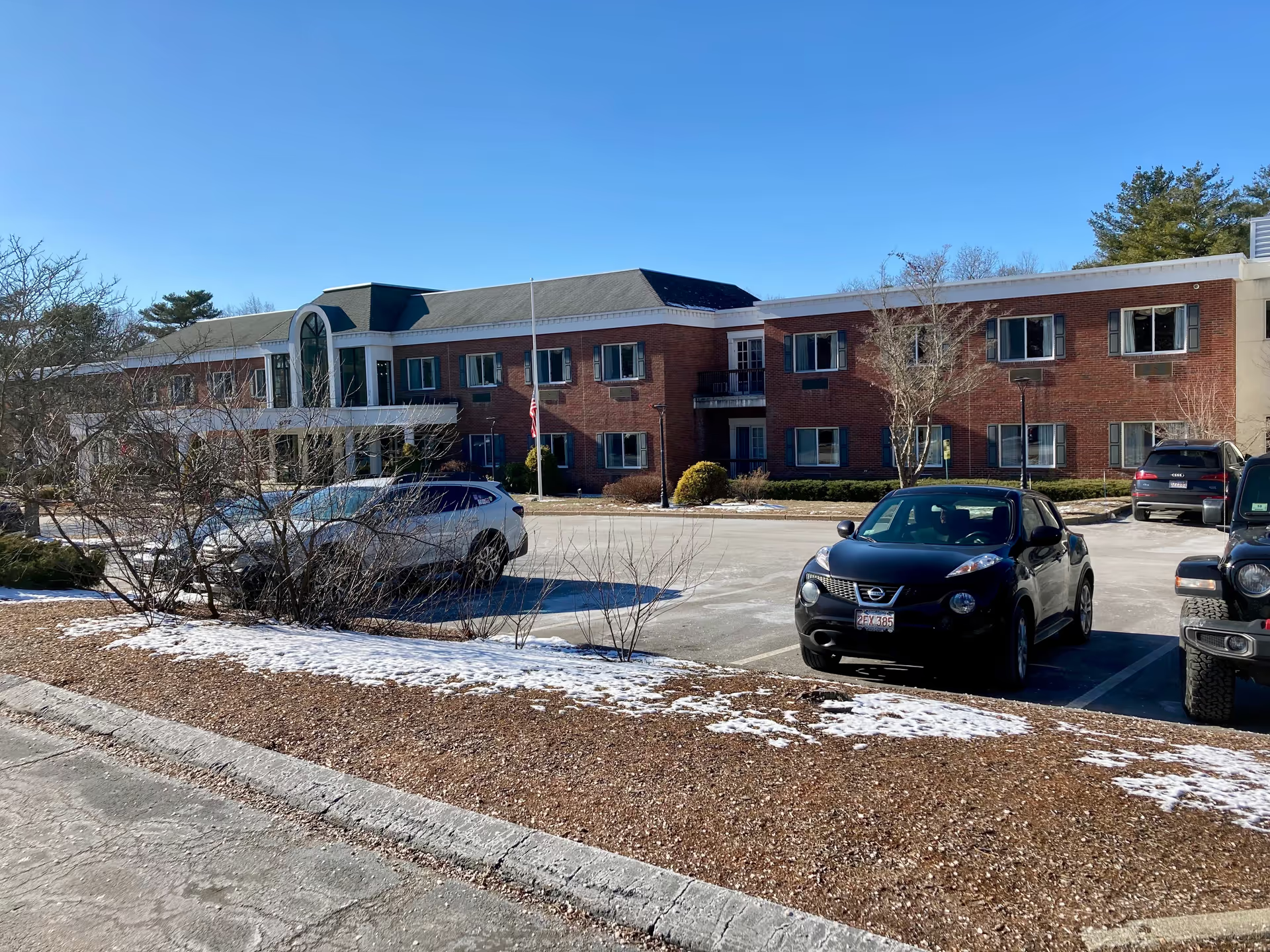
The Residence at Natick South presents as a modern, well-appointed senior living community with many physical and programmatic strengths. The building and grounds are frequently described as clean, bright and architecturally appealing — high ceilings, large windows, tasteful decor and well-tended landscaping create a resort-like environment. Apartments are noted as spacious and well-equipped, often including kitchens, in-unit laundry and individual climate controls, which support resident independence and comfort.
Care and staffing elicit largely positive impressions. Many accounts emphasize a warm, welcoming culture: frontline staff, nursing teams and housekeepers are frequently characterized as friendly, engaged and compassionate. The community emphasizes individualized care planning, with staff described as taking time to learn resident preferences and needs. Several families highlighted effective support during hospital-to-facility transitions and careful attention during moves into memory care or short-term rehab.
Dining and activities are central features of resident life. The dining program is often praised for chef-driven menus, daily specials and an anytime dining option; specific dishes received positive mention. At the same time, there are recurring operational concerns about dining service—instances of wrong orders, long wait times and inconsistent meal presentation or service quality were noted. Activities programming is consistently described as varied and lively, ranging from exercise classes to arts, games and off-site trips, contributing to a social, engaged resident culture.
A pattern of operational variability appears across reviews. Intermittent short-staffing is linked to service delays and longer response times for some requests. Some families experienced inconsistent managerial follow-through and felt admissions or move-in promises were not always met, which raises questions about sales transparency and communications during transitions. There are also mentions of gaps in communication during significant incidents and at least one serious safety-related concern in the memory-care outdoor area; these highlight the need for clear incident-response protocols and family outreach.
Overall, the facility’s physical environment, dining options, activities and many care-team interactions are strong selling points. Prospective residents and families should weigh those strengths against operational considerations: staffing consistency, management communication practices, and dining service reliability. Visiting in person, meeting the care and leadership teams, and asking specific questions about staffing levels, incident communication protocols, pricing and memory-care security will help families assess fit and set clear expectations prior to move-in.