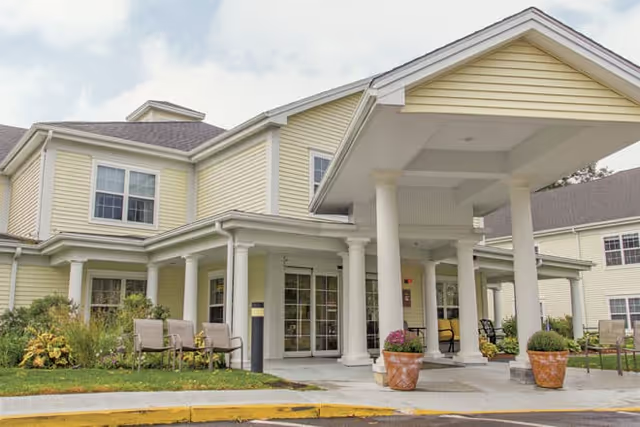
Sunrise of Wayland receives extensive praise for its caregiving culture, physical environment, and social programming, while also showing recurring operational shortcomings that prospective families should evaluate. Many reviewers describe the staff as warm, attentive and professional; common remarks emphasize respectful staff‑resident interactions, quick responsiveness to requests, and a small, personal scale that allows staff to know residents by name. The facility’s Victorian architecture, bright dining areas, well‑kept grounds and paved walking paths are repeatedly cited as positive contributors to a home‑like atmosphere.
Care quality is a prominent strength when described: reviewers frequently note compassionate direct care, effective rehab services (physical and occupational therapy) on site, and a higher staff‑to‑resident ratio that supports individualized attention. At the same time, a cluster of serious clinical concerns appears across reviews, primarily affecting the memory‑care unit and peri‑admission period. Several families reported medication‑management problems, communication lapses tied to clinical issues, and instances where a resident’s condition appeared to worsen after admission. These accounts suggest potential gaps in clinical oversight and continuity of care that merit direct discussion during a tour and care‑planning conversation.
Dining and activities are generally well regarded, but feedback is mixed. Many reviewers describe restaurant‑style, chef‑prepared meals, an attractive dining room, and frequent options for snacks and beverages; others report occasions of limited menus, particularly in memory care, and uneven food quality. Programming is broad — live music, chair exercises, yoga, arts and crafts, outings, pet therapy and social events such as happy hours and movies were commonly mentioned — but some accounts describe limited or staff‑led activities in the memory unit and an absence of specialized recreational staff for dementia care.
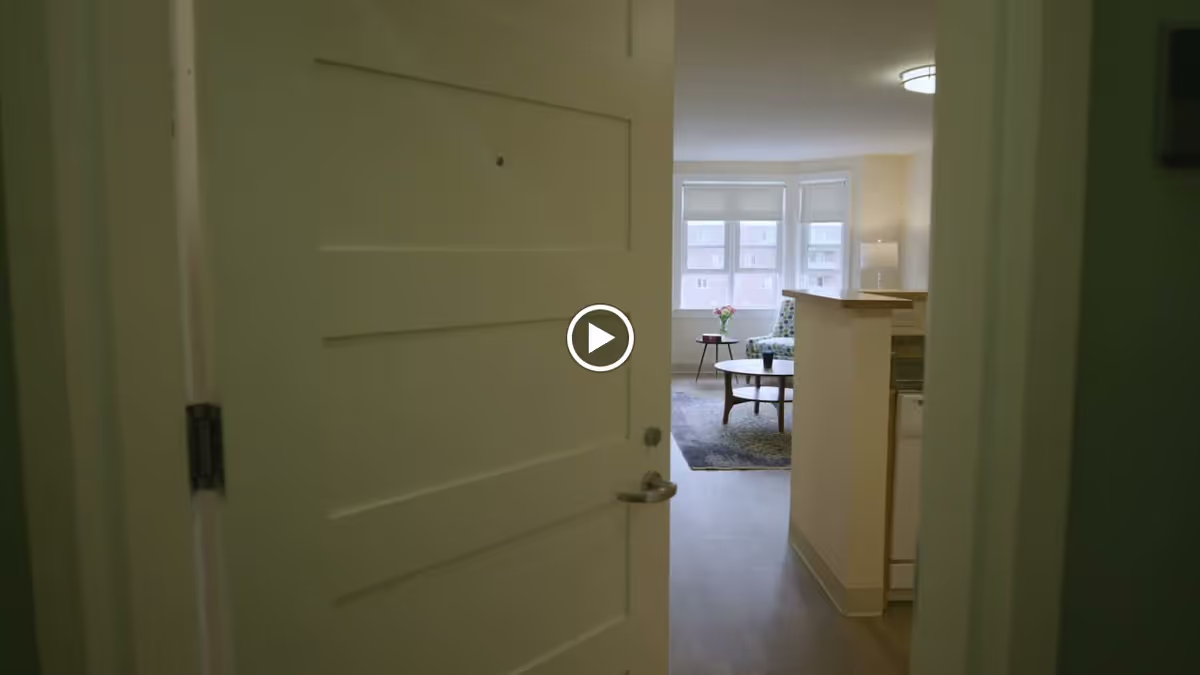
The facility’s physical plant and amenities are often described positively: clean rooms, ADA‑accessible suites with wood views in some units, private rooms with kitchenettes, a barbershop/hairdressing service, and responsive maintenance. However, multiple reviews cite dated carpeting or decor, small room footprints and occasional maintenance backlogs; there are also isolated sanitation or odor concerns referenced for some common areas. Logistical limitations include limited transportation services to external medical appointments and variability in weekend or after‑hours staffing levels.
Management and communication show a mixed picture. Several families compliment the admissions process, responsive leadership, and prompt maintenance, while others report inconsistent family communication, unclear ancillary fees, and turnover among clinical and activity directors. Cost is a recurring theme: many reviewers find the price justified by staff and amenities, but others perceive the monthly cost as high relative to value, particularly when clinical or memory‑care concerns are present.
Overall, Sunrise of Wayland presents as a small, community‑oriented assisted living with strong interpersonal care and attractive grounds and amenities. Prospective residents and families should focus on clarifying clinical oversight (especially for memory care), reviewing staffing patterns for weekends and nights, confirming meal options and ancillary fees, and touring specific memory‑care programming to assess fit for higher‑acuity needs. Conducting follow‑up conversations with clinical leadership and requesting recent staffing and incident information will help determine whether the facility’s strengths align with an individual resident’s clinical and social priorities.