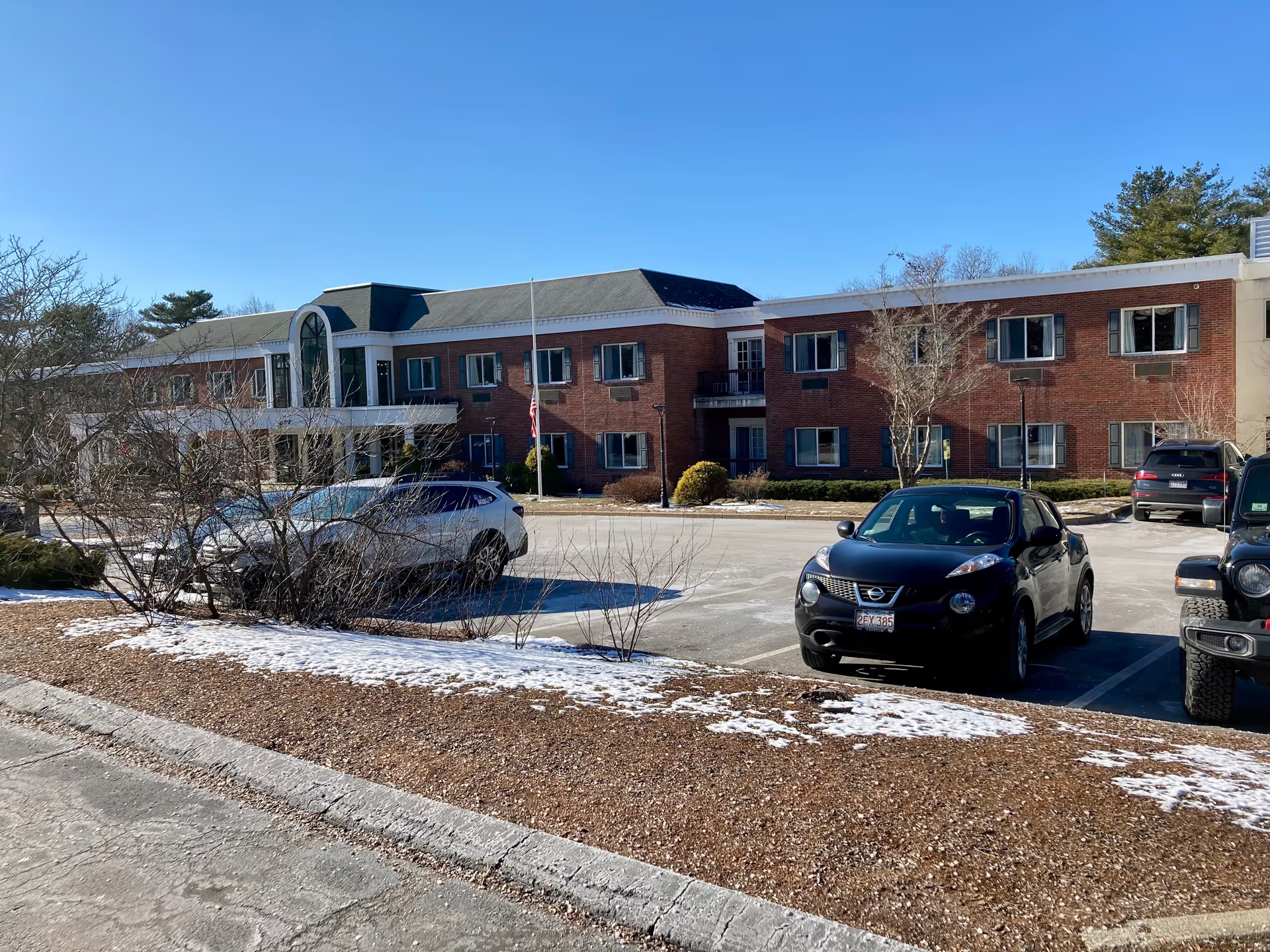
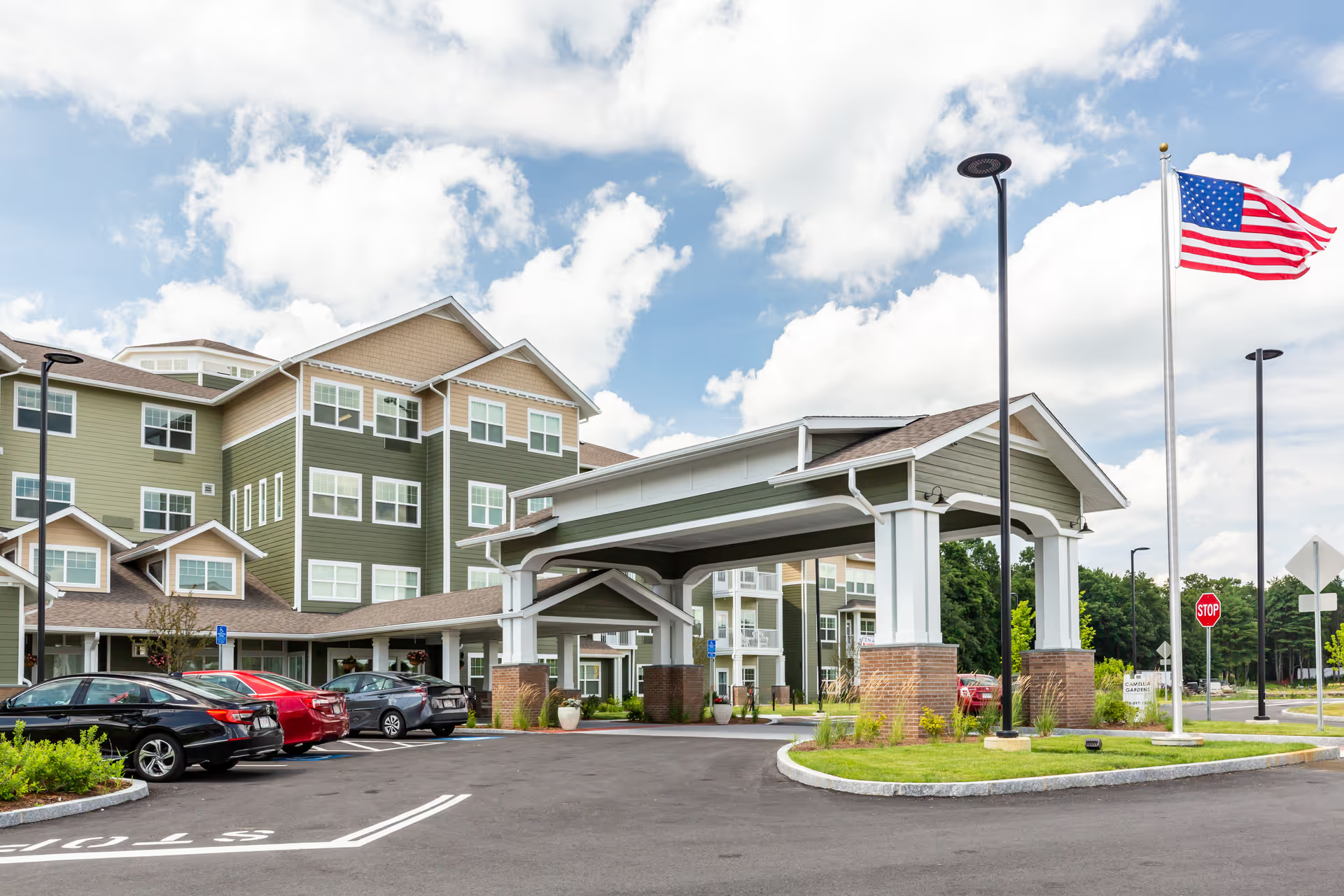
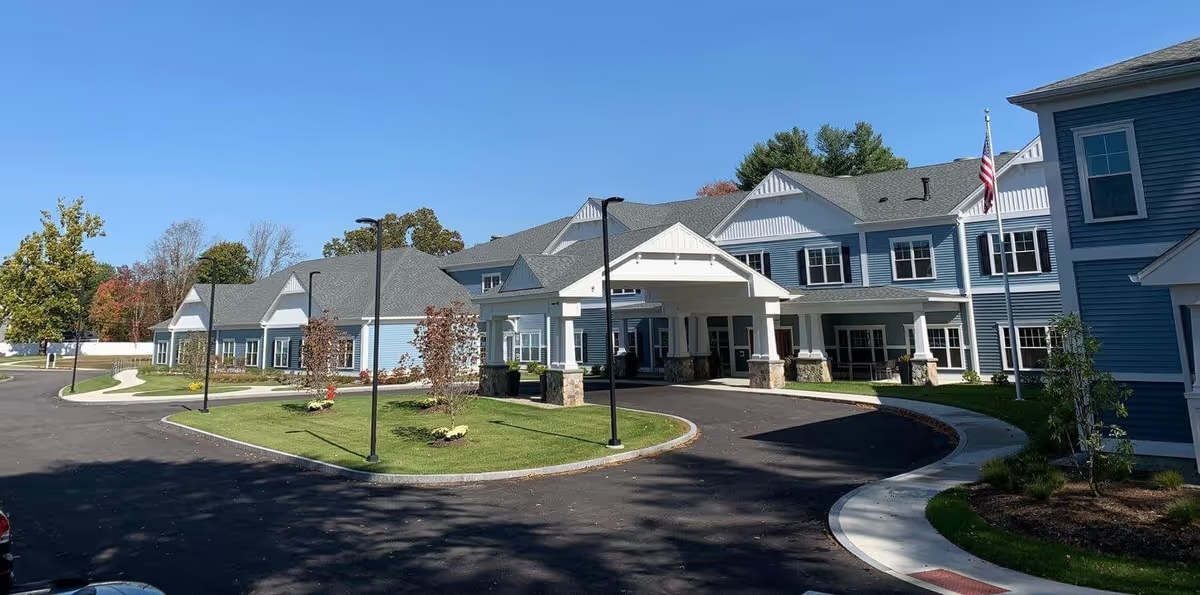
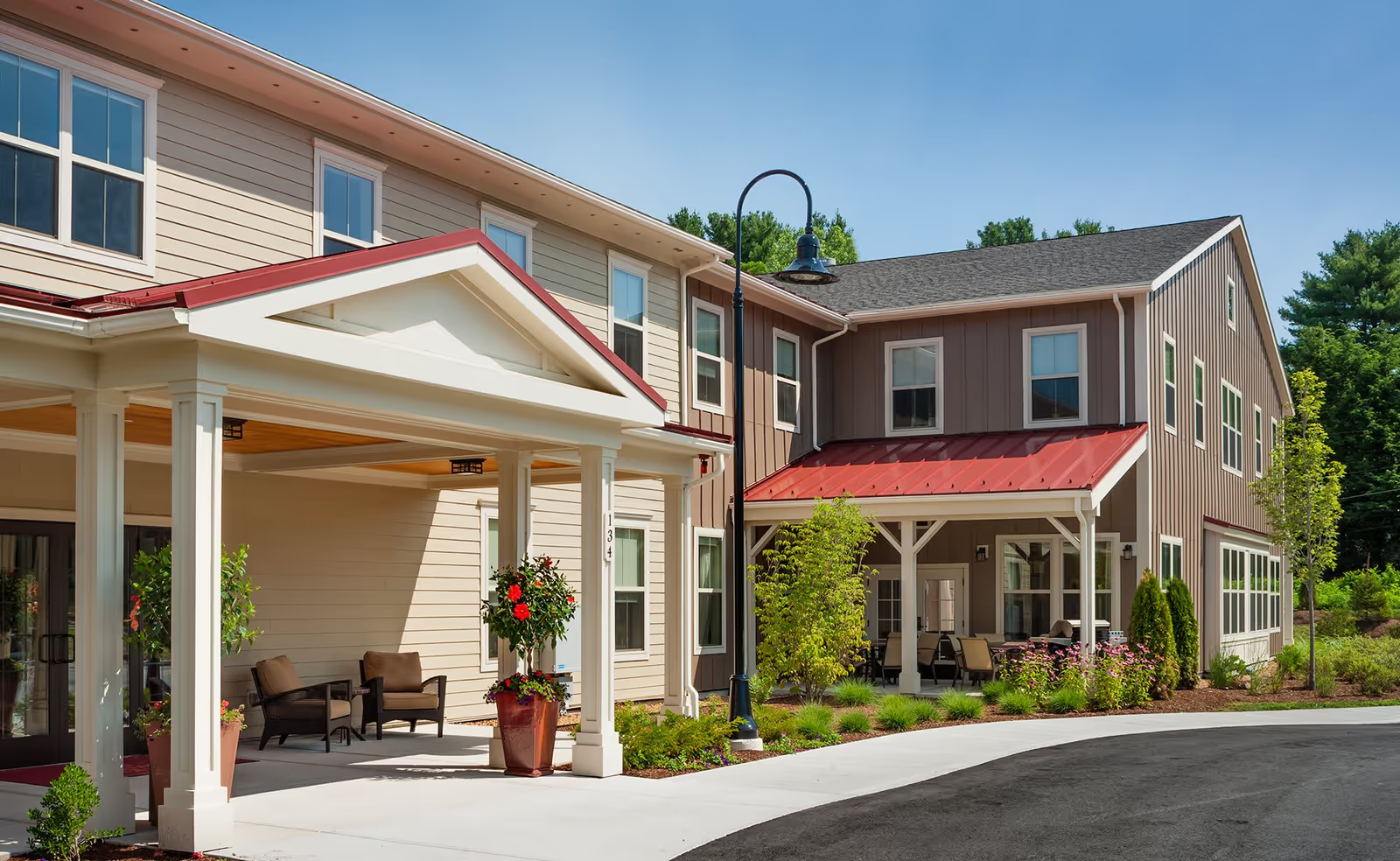
Bridges by EPOCH at Sudbury is presented consistently as a modern, memory-care–focused community with strong clinical staffing and a home-like pod design. Families frequently praise the facility’s long-tenured, compassionate staff and 24/7 nursing coverage; reviewers describe smooth transitions, proactive medical monitoring, coordinated care with outside providers, and available hospice support. Management is generally portrayed as accessible and communicative, and the community is noted for offering caregiver education, dementia-focused training sessions, and family support resources.
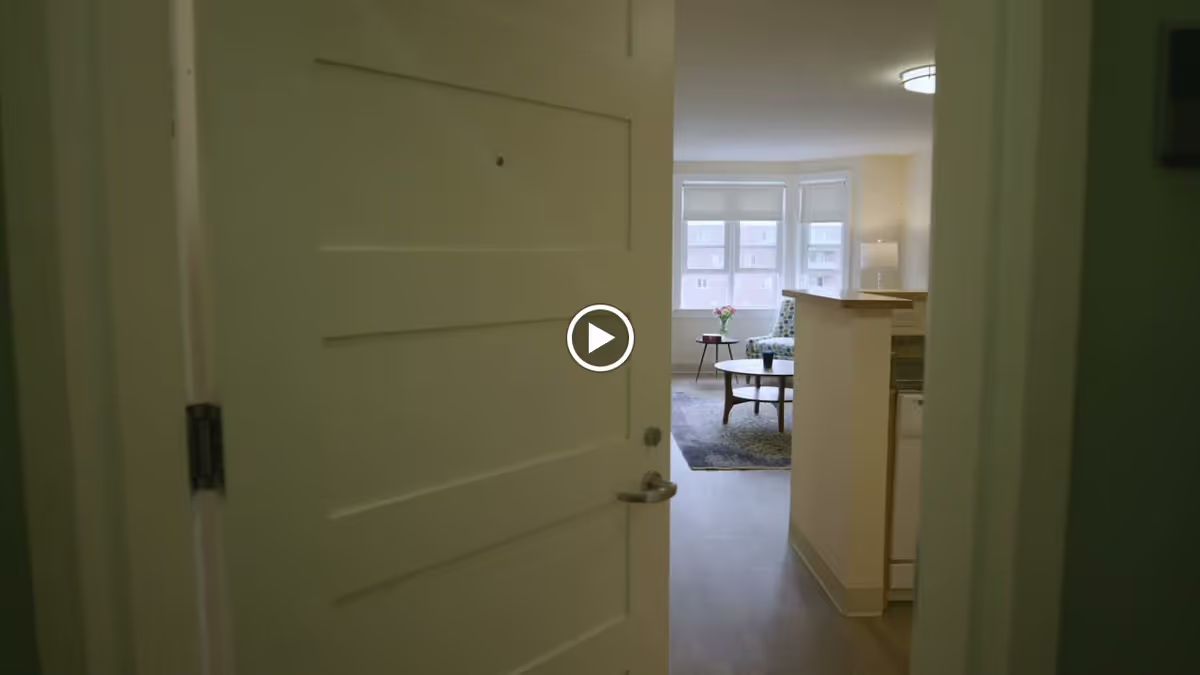
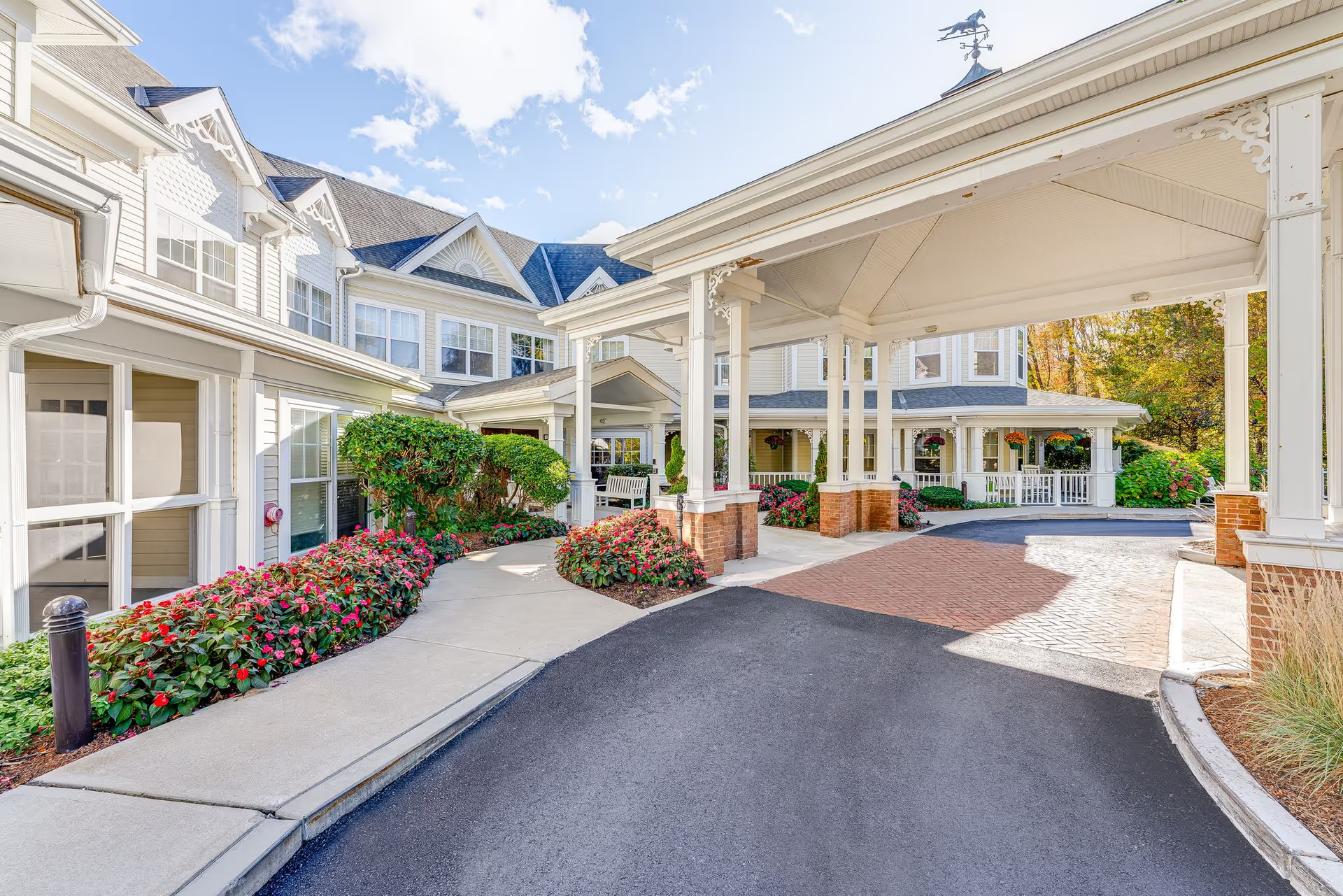
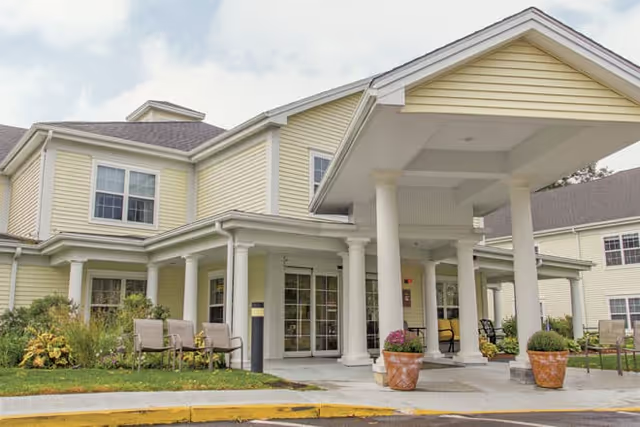
Dining and daily life are recurring strengths. The building’s new construction, bright interiors, private rooms with full baths and multiple windows, and well-maintained outdoor courtyards and raised garden beds create an inviting environment. Culinary offerings receive consistent positive comments: an on-pod restaurant model, a dedicated chef, and chef-prepared high-quality meals contribute to a pleasant dining experience. Programming is active and varied—live music, entertainers, dancing, gardening, painting, puzzles, therapy dogs, outings and field trips—supporting social, emotional, and cognitive engagement for residents.
Care delivery is described as attentive and personalized in many accounts: small 18-resident pods, consistent caregiver assignments, and staff across roles (nurses, CNAs, activity staff, maintenance, foodservice) who are reported to go above and beyond. Families note peace of mind from the clinical presence, PRN medication options, frequent checks, and pandemic-era infection-control practices described as competent and empathetic.
Notwithstanding these strengths, several operational concerns emerge that prospective families should evaluate. Cost is frequently described as premium; the facility’s pricing may be higher than other options. A subset of comments indicates variable staff attentiveness at times and isolated sanitation concerns in resident bathrooms and related care tasks, including inconsistencies in incontinence-care handling. There are also notes about admissions paperwork and lease/disclosure clarity, and about how critical clinical decisions are communicated to families; these suggest the need to review contractual and notification processes closely. A few family members raised the broader point that the group-based memory-care model may not align with every family’s preference for one-to-one home care, and that some residents may experience limited community integration depending on individual circumstance.
Overall, Bridges by EPOCH at Sudbury appears to be a well-resourced, memory-care–specialized community with strong staff, high-quality dining, and robust activity programming. The facility’s physical environment and clinical presence are major strengths. Prospective residents and their families should visit to observe staff attentiveness and cleanliness, clarify lease and disclosure details, and confirm communication protocols for clinical decision-making; those steps will help determine whether the community’s group-based, memory-focused model and premium pricing align with their needs and expectations.