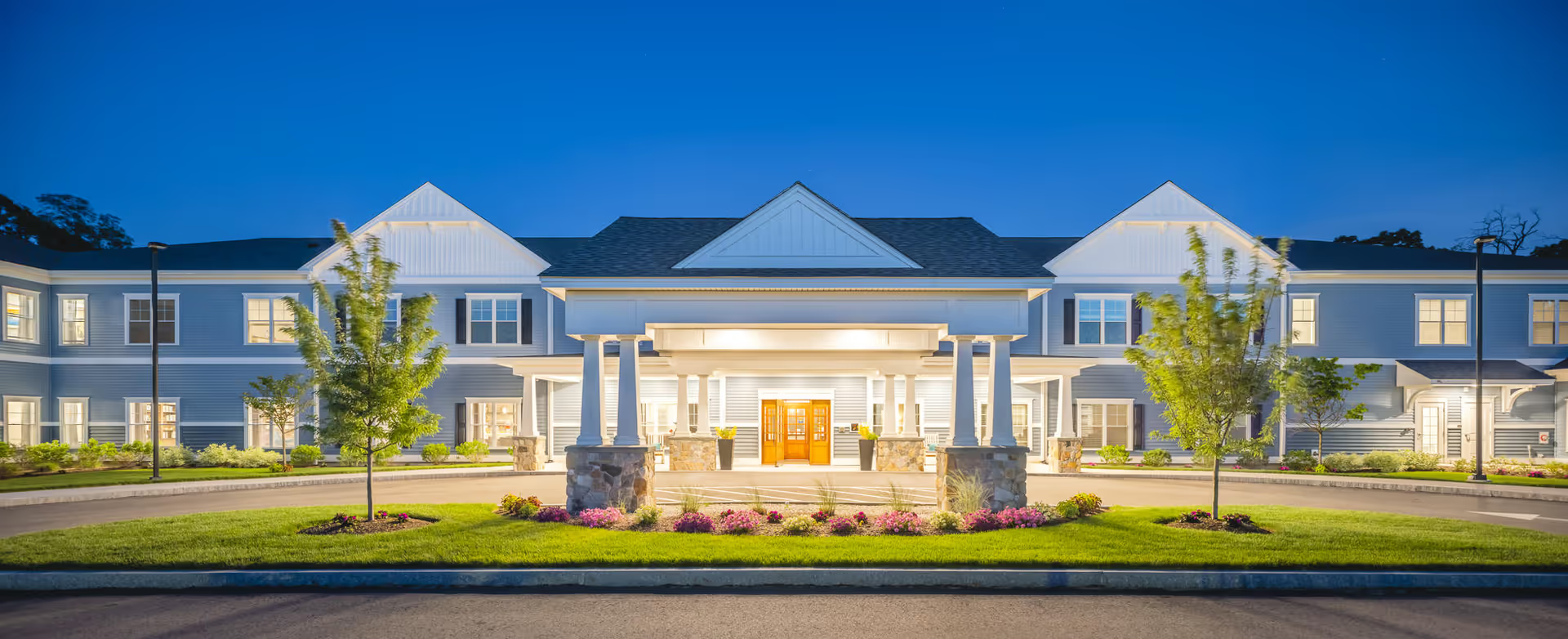
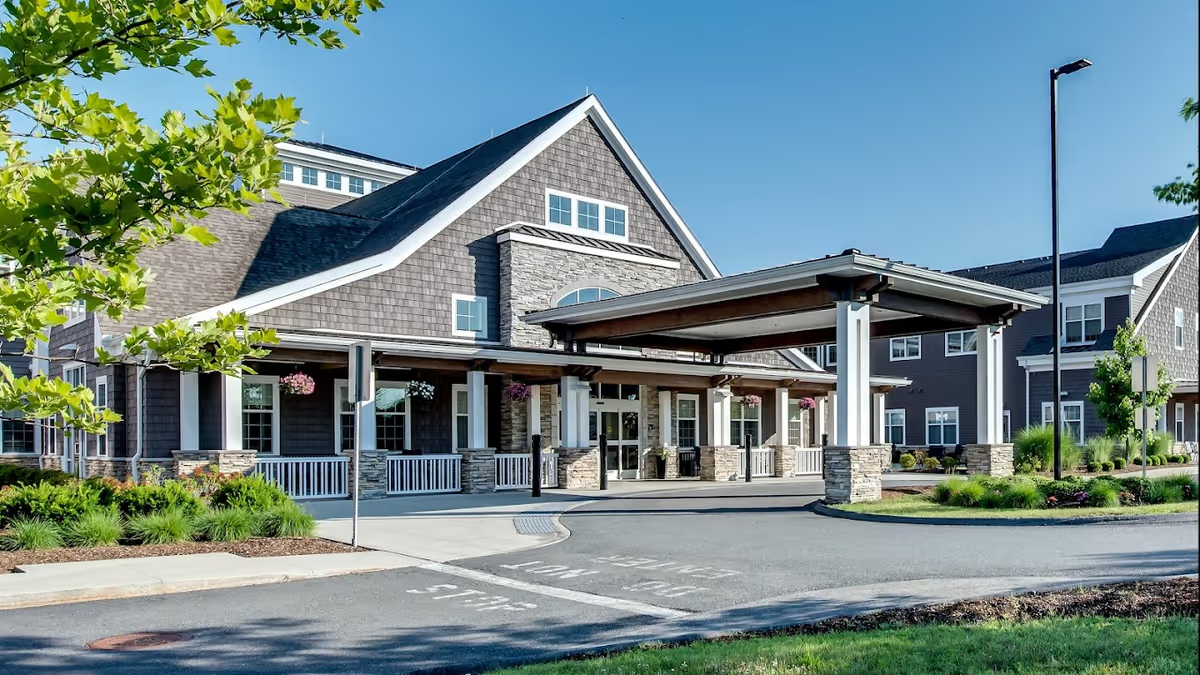
Coleman House is described as a small, home-like assisted living facility with a waterfront setting and accessible outdoor space that supports gatherings such as barbecues. Many accounts highlight a familial atmosphere, furnished rooms with personal touches, a pleasant dining room and on-site café, and a general sense of peace and cleanliness in resident rooms. The facility’s size and layout appear to foster close personal relationships between residents and staff, and the grounds and water views are seen as amenities that enhance quality of life.
Care and staffing are recurring strengths in the feedback. Families commonly characterize caregivers as attentive, compassionate, and professional; several accounts note effective clinical coordination, including staff facilitating connections with physicians and keeping families informed about care progress. Skilled nursing capabilities are also cited positively, and many families recommend the facility for residents who are relatively independent or need standard assisted-living support. Staff support during resident adjustment periods is noted as a positive factor in successful transitions.
Dining and food service show a mixed pattern. Numerous comments praise high-quality, customizable meals and accommodating menu choices, but other accounts cite inconsistent food quality and concerns about handling and dining safety. There are also mentions of infection-control and sick-staff management gaps that families found troubling; together these items suggest prospective families should ask specific questions about kitchen procedures, staff illness policies, and meal-service oversight during tours.
Activities and event programming are strengths in terms of variety—residents appear to have access to many activities and organized trips—but operational weaknesses are evident. Reviewers described problems with activity bookings, event coordination, and the management of outside performers; these operational gaps have at times disrupted planned programming. In addition, there are examples of communication breakdowns around emergency or service interruptions (for example, pandemic-related closures), which point to a broader need for more proactive family communication protocols.
Facility-level operational issues are concentrated at the management and systems level rather than in day-to-day caregiving for many residents. Management responsiveness, timely email communication, and vendor/event contract handling were cited as areas needing improvement. There are also mentions of odor concerns in some common areas and limitations in the facility’s ability or willingness to care for residents with advanced dementia or significantly higher acuity; several families indicated Coleman House is better suited to higher-functioning residents than to those requiring intensive memory-care services.
In summary, Coleman House presents as a small, caring assisted-living community with strong interpersonal caregiving, a pleasant physical environment, and engaging activities when coordination is successful. Prospective residents and families should weigh those strengths against reported operational weaknesses at the management level—particularly around communication, event coordination, food-safety procedures, infection-control practices, and suitability for advanced dementia care. Recommended due diligence includes an in-person tour, direct questions about dementia-care capabilities and staffing ratios, review of kitchen and infection-control protocols, and clarification of the facility’s process for scheduling and confirming activities and outside events.