Reviews of Southbridge Rehabilitation & Health Care Center present a mixed but consistent pattern: many families and residents praise frontline caregivers and therapy teams, while others raise operational and facility‑level concerns. The strongest and most frequently noted strengths are the people who work on the floors: CNAs, nurses, therapists, social workers, and a named ambassador role are repeatedly described as compassionate, attentive, and effective. Rehabilitation services and care coordination — including discharge planning and aftercare support — receive positive comments, and several reviewers highlighted strong counseling and hospice services. These elements suggest the facility can deliver meaningful clinical progress and family communication when staffing and processes align.
Clinical care and staffing present mixed signals. Numerous accounts highlight dedicated nurses and CNAs who provide hands‑on support, mobility gains through physical therapy, and proactive case management. At the same time, there are recurring operational issues: understaffing (including limited overnight nursing coverage), delayed medication administration and pain management, and uneven physician availability. Together these create variability in clinical responsiveness; when staffing is adequate, care is described as excellent, but staffing shortfalls are associated with delays and frustration.
Dining and activities are described unevenly. Some residents praise meals and report weight gain, while others characterize the food as unsuitable for specific dietary needs. Activity offerings such as arts and crafts receive positive mention from residents who participate, but reviewers also describe limited engagement in certain units (notably dementia care) and a desire for more targeted therapeutic activities. Prospective residents should evaluate activity schedules and dietary accommodations relative to individual needs.
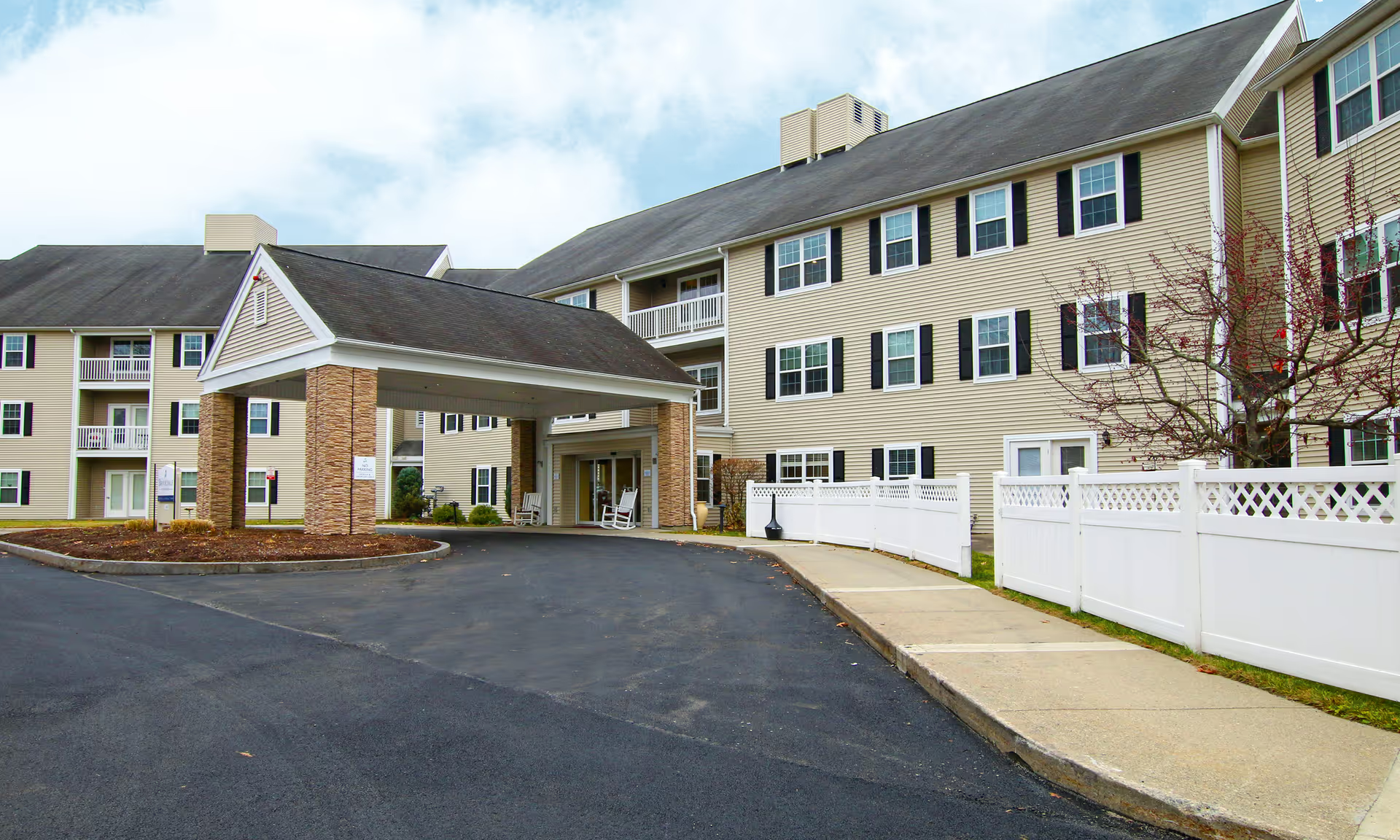
Facility condition and safety are areas of concern. Several reviewers cite sanitation concerns, odor concerns in areas, and pest‑control issues in parts of the building alongside comments about an aging, poorly maintained infrastructure. There are also references to lax access control and unsecured entry points. These conditions — combined with some reports alleging medication errors and staff impairment — indicate variability in environmental and safety management that should be checked during a tour.
Management and administration receive mixed feedback. Some reviewers note visible improvement under new leadership, proactive ambassadors, and helpful administrative staff; others describe billing delays, inconsistent administrative responsiveness, and perceptions of declining quality after leadership changes. Given this variability, families are advised to ask about staffing ratios, medication‑safety protocols, infection‑control procedures, pest‑control schedules, dementia programming, and recent survey or inspection results.
In summary, Southbridge appears to offer strong interpersonal care and effective rehabilitation for many residents, anchored by committed frontline staff and solid social work and therapy services. However, persistent operational issues — staffing instability, medication‑management gaps, building maintenance and sanitation concerns, inconsistent dining and activity offerings, and administrative variability — introduce risk of uneven experiences. Prospective residents and families should visit in person, meet clinical and administrative leaders, review recent inspection findings, and seek clear, written commitments about staffing, medication safety, and unit‑specific programming before making a placement decision.