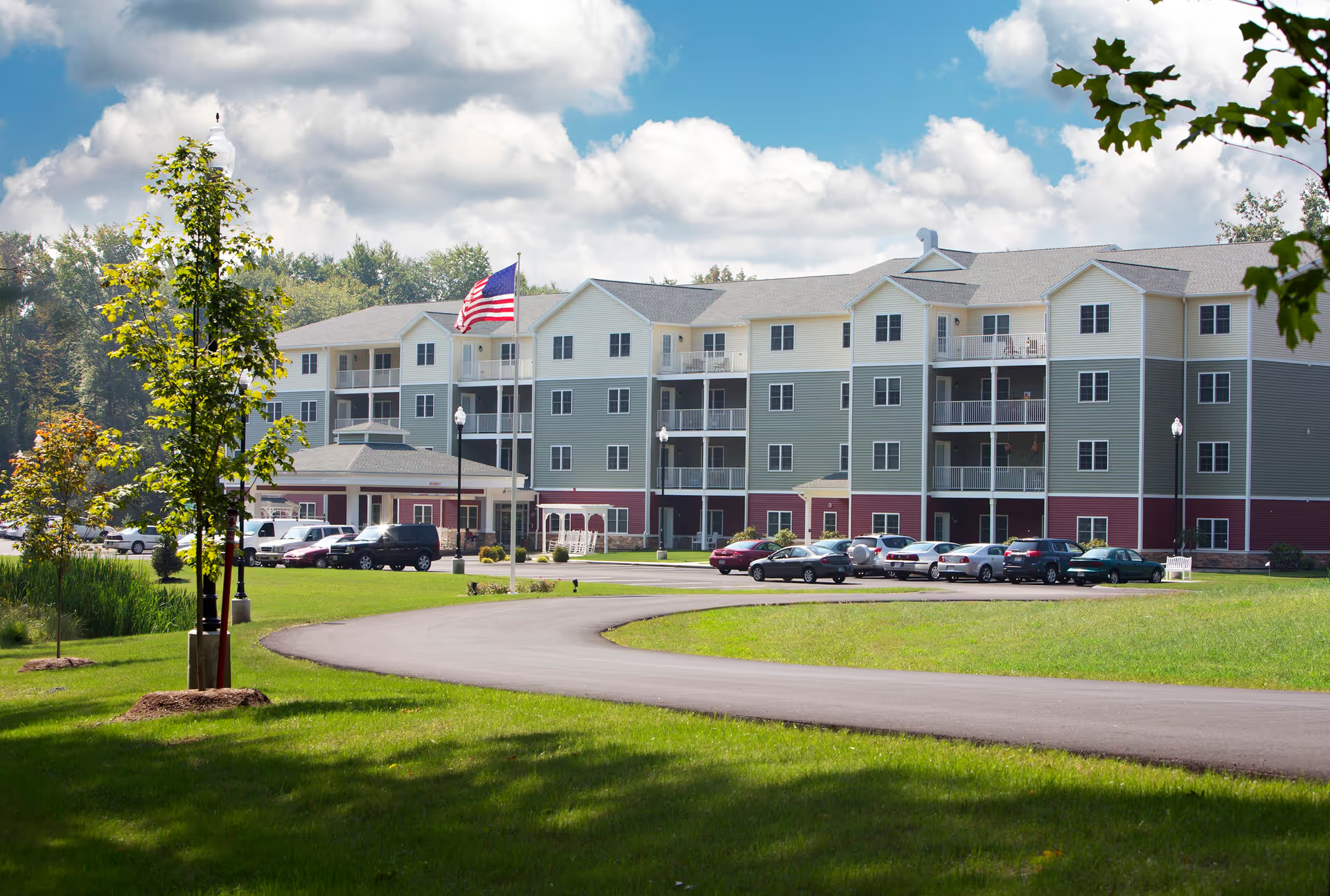
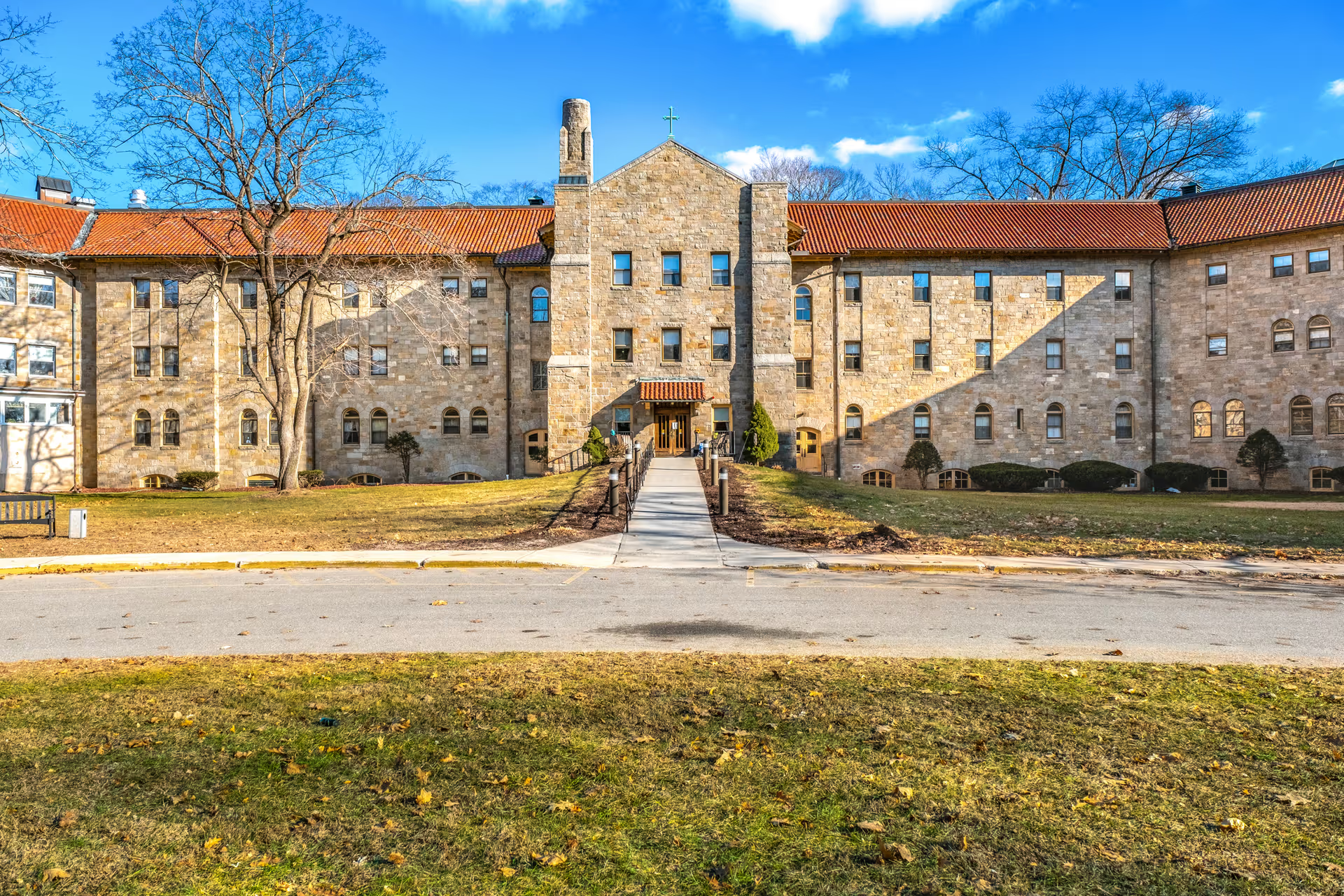
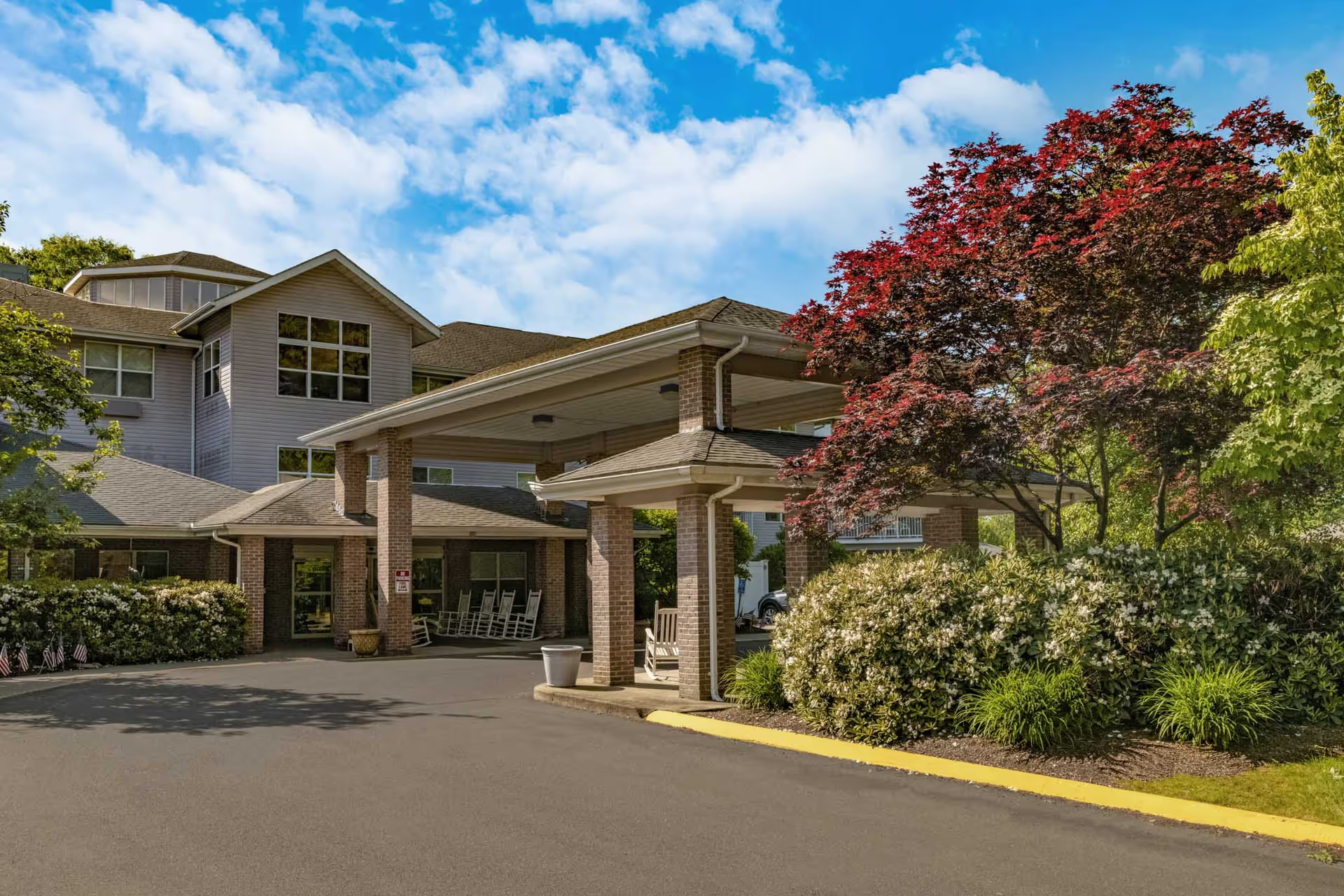
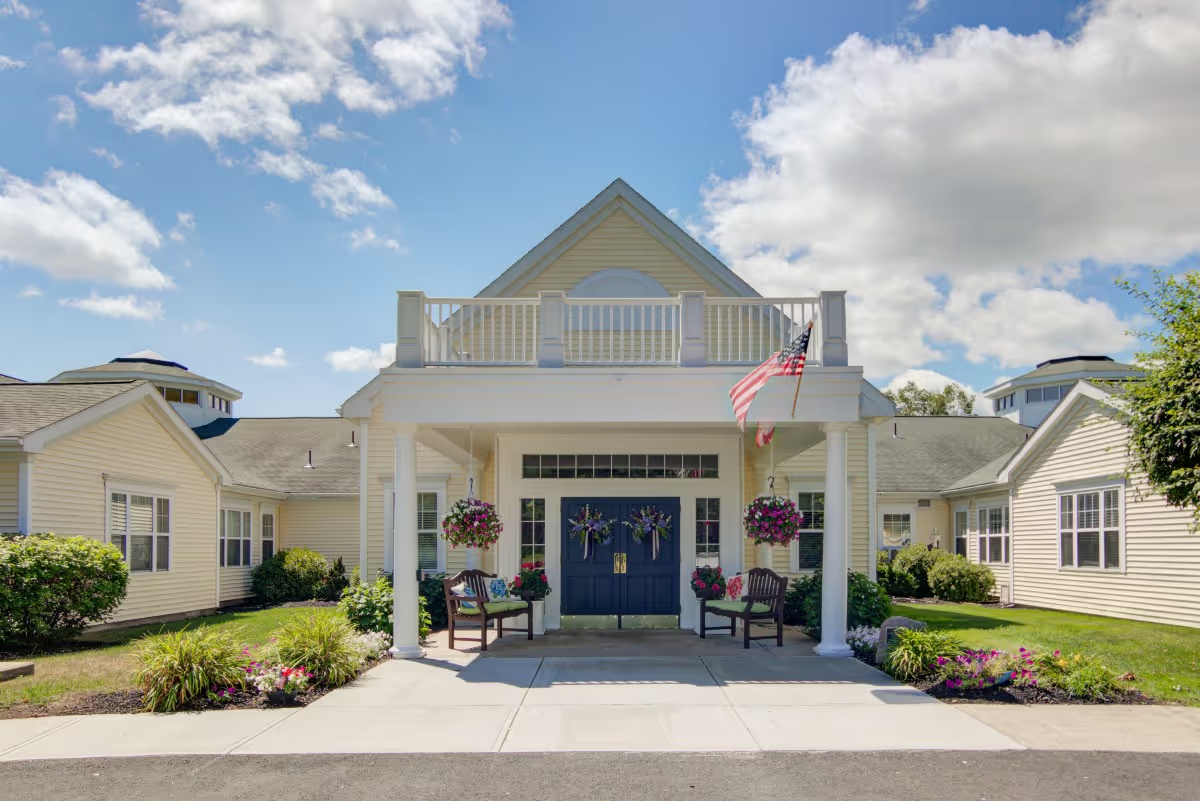
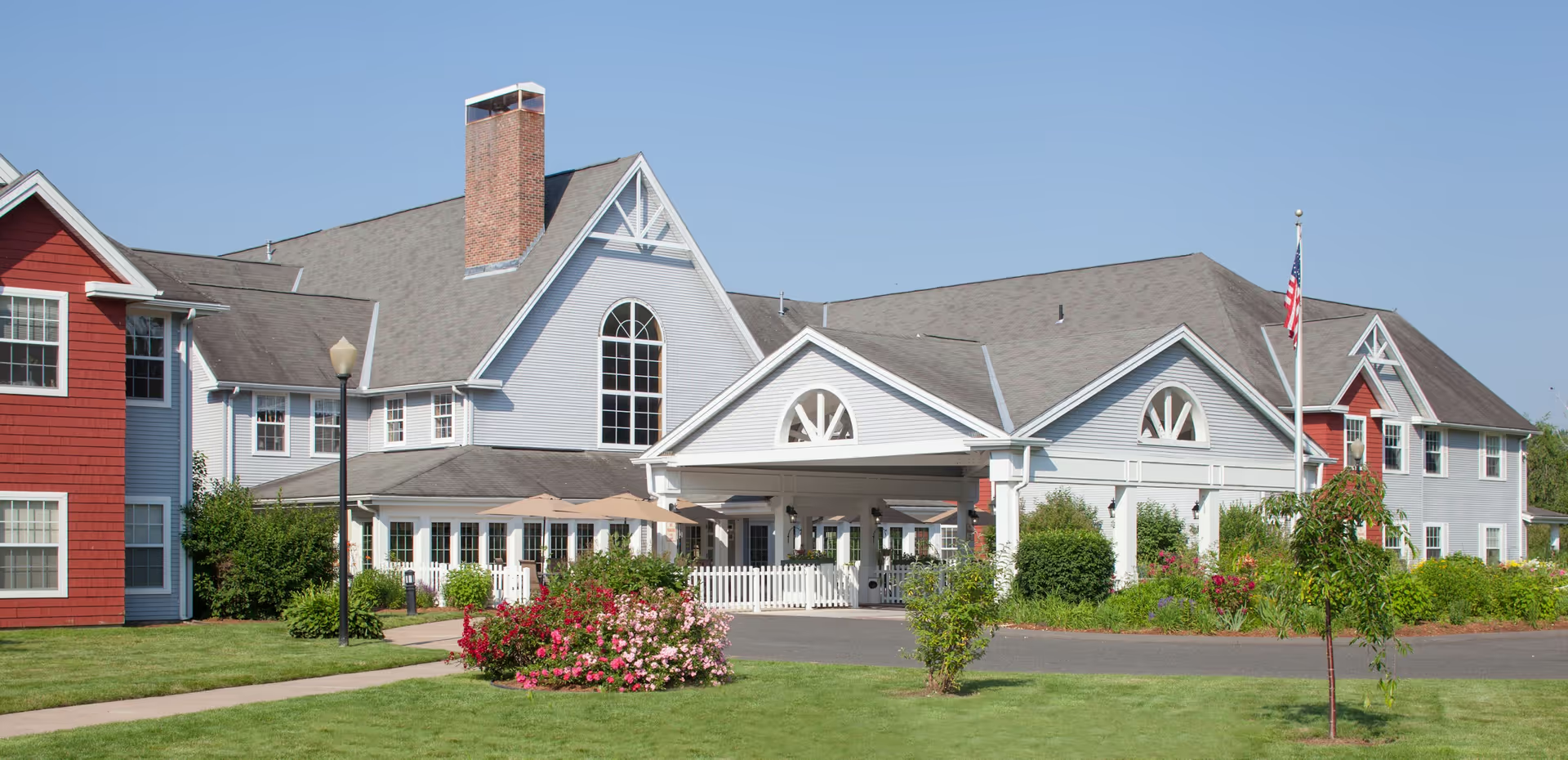
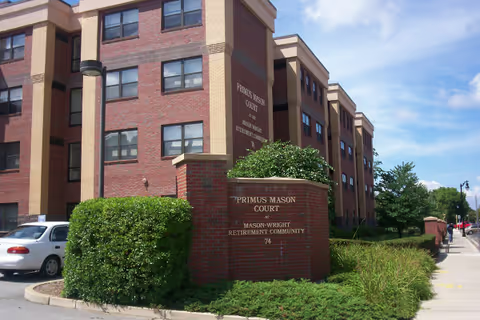
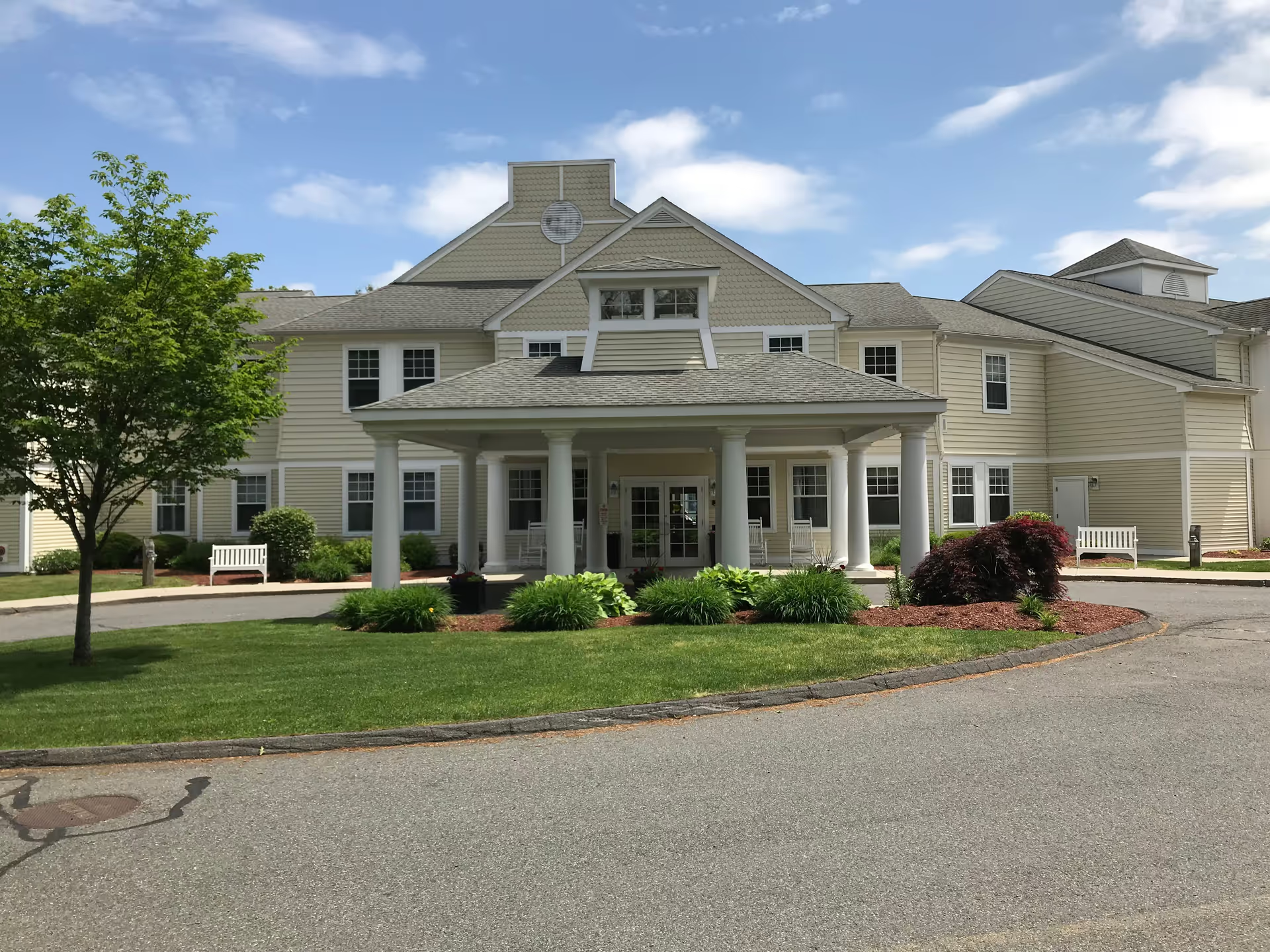
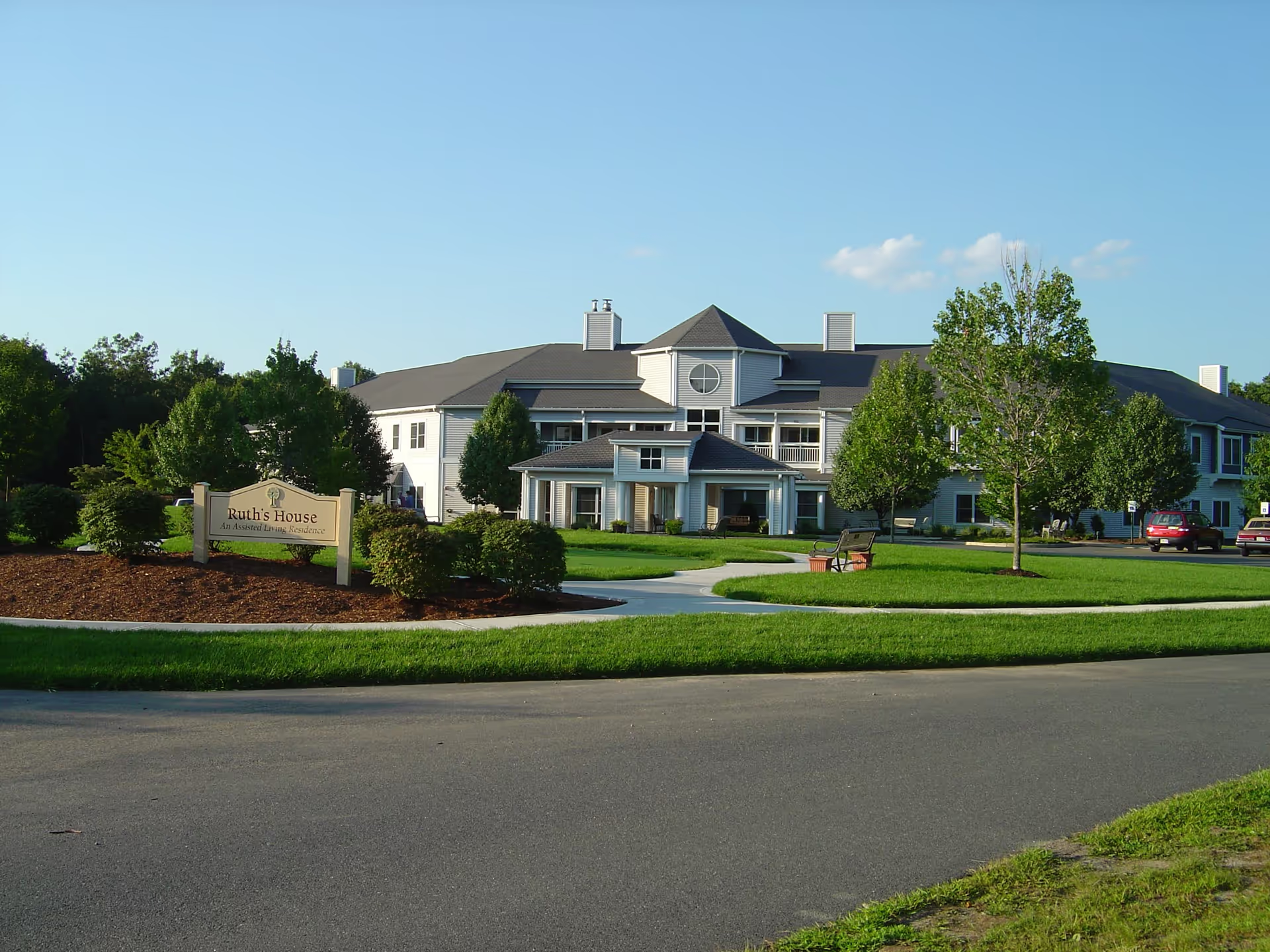
Overall impression: Reviews indicate a facility with a strong emphasis on person-centered, family-style care and an attractive, home-like environment. Strengths repeatedly cited include compassionate, attentive staff, knowledgeable nursing and therapy services, and an engaging activities program that supports socialization and purpose. The property is described as clean, well-decorated, and light-filled, with spacious apartment layouts and practical features such as kitchenettes and walk-in showers that support independent living. Many families highlight the facility’s welcoming culture, encouragement of family visitation, and memory-care staff who tailor care to residents’ strengths and interests.
Care and staff: The dominant theme is positive staff-resident relationships — caregivers, CNAs, nurses, and management are characterized as caring, responsive, and willing to go above and beyond. On-site therapy (PT/OT) and visiting nurses are noted as helpful for clinical needs. However, several operational patterns raise concern: inconsistent staffing levels and high turnover have been mentioned, and there are instances implying gaps in medication administration and continuity of clinical care. These suggest variability in day-to-day clinical reliability despite generally strong caregiver intent and competence.
Dining and activities: Dining is frequently described as enjoyable and nutritious, with multiple entrée options and social dining times. At the same time, reports indicate variability in food quality and occasional meal-related complaints, pointing to inconsistent meal-service performance across shifts. The activities program is a clear asset — residents have access to a diverse calendar (arts and crafts, baking, music, bingo, outings, therapy dogs, manicures) and transportation for activities. Activity volume may vary by neighborhood size, so program intensity could be lower in smaller units.
Facilities and accessibility: The physical plant receives consistently positive remarks for cleanliness, decor, and comfortable common areas. Apartments are praised for size and layout. Conversely, there are recurring operational facility concerns: temperature-control and HVAC reliability issues have been reported, and some circulation patterns (long carpeted walks) present accessibility challenges for wheelchair users. Minor supply-management issues (toiletries) and occasional maintenance delays have also been noted, suggesting areas for improvement in day-to-day facility operations.
Management and operations: Families generally describe helpful, communicative staff and engaged administration, with welcome-oriented practices (orientation tours, move-in gestures, open visitation). Nevertheless, several reviewers expressed concerns about the admissions and sales approach, upfront assessment fees, and pricing transparency. There are also perceptions that financial considerations sometimes influence decision-making. Combined with staffing variability and occasional clinical lapses, these operational themes point to inconsistent execution of otherwise strong clinical and hospitality intentions.
Notable patterns and decision factors: For prospective residents and families, the Arbors at Westfield appears to offer a warm, secure, and well-appointed environment with strong dementia-care practices and a robust activities program. Important decision factors to verify in person include current staffing ratios and turnover trends, medication-management protocols, HVAC and temperature-control reliability, accessibility of specific apartment locations for mobility devices, and a clear written explanation of fees and the admissions process. Overall, the facility’s strengths in culture, caregiving attitude, and amenities are evident; potential residents should weigh those against the operational variability documented in staffing, clinical continuity, and building systems.