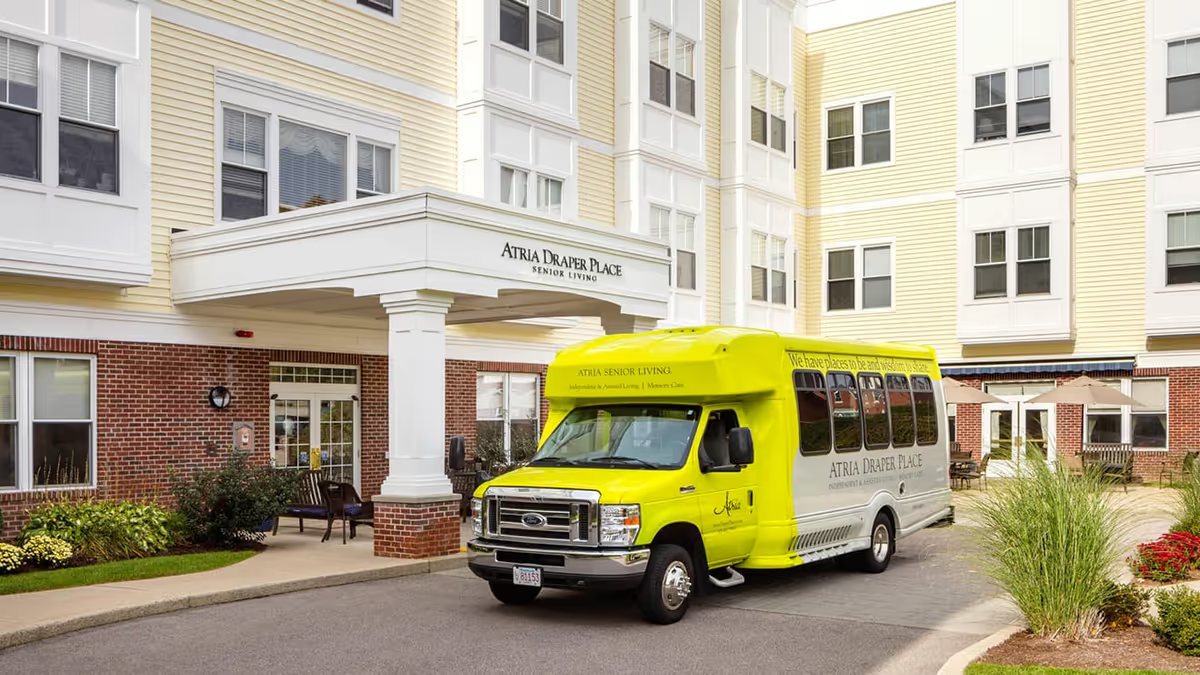
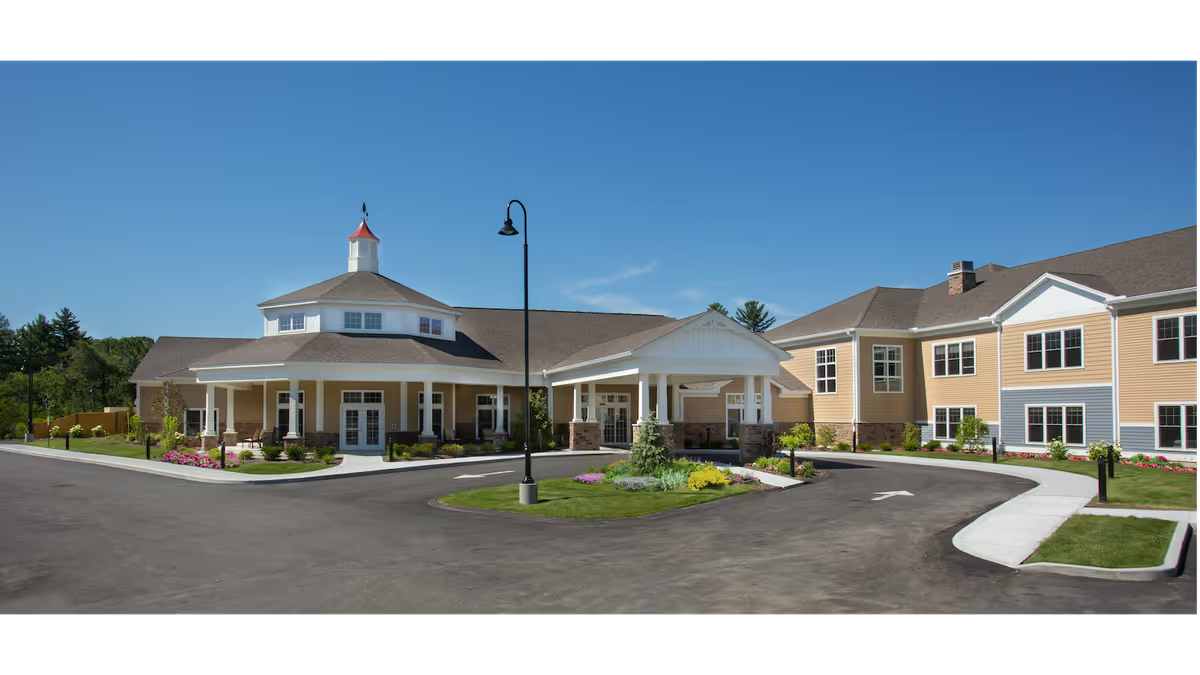
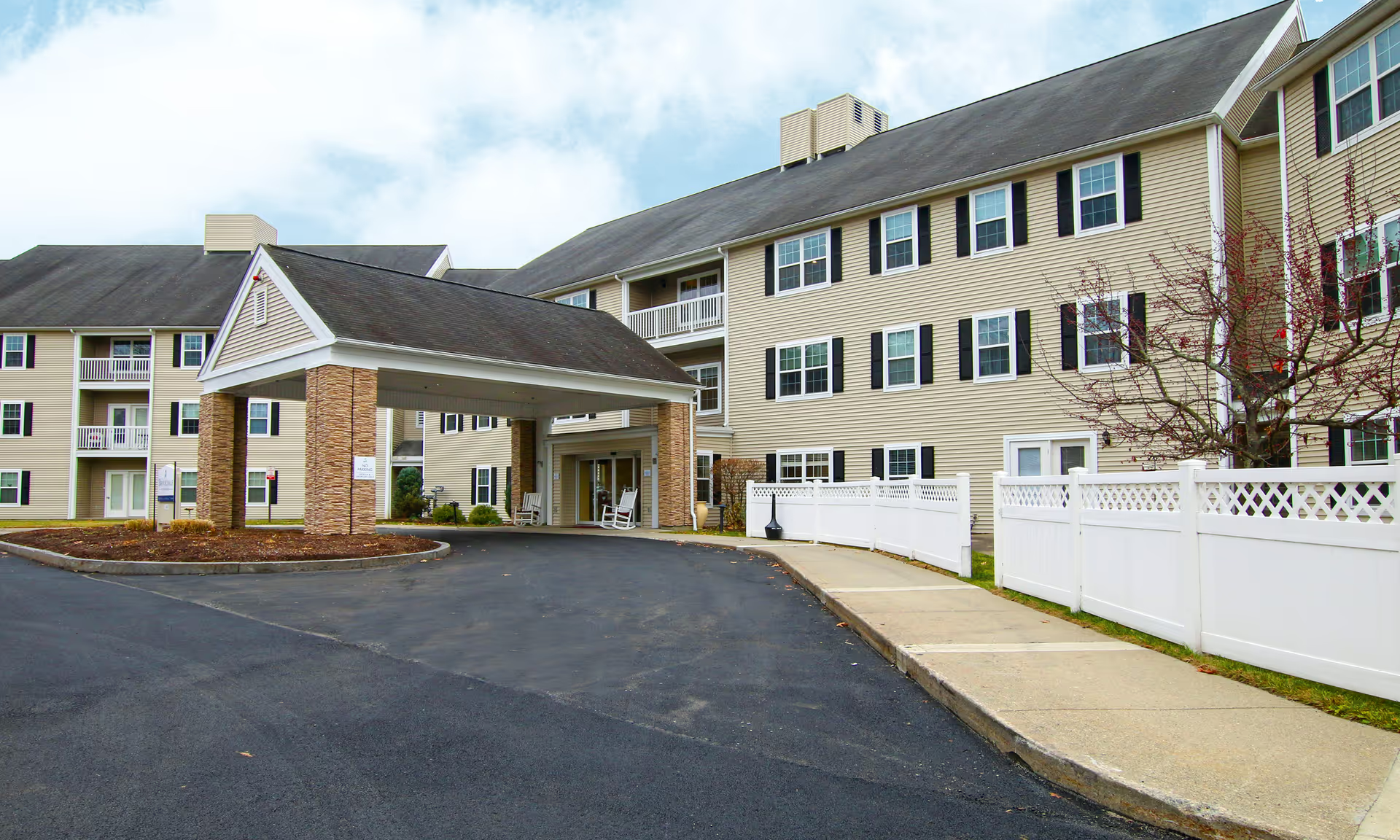
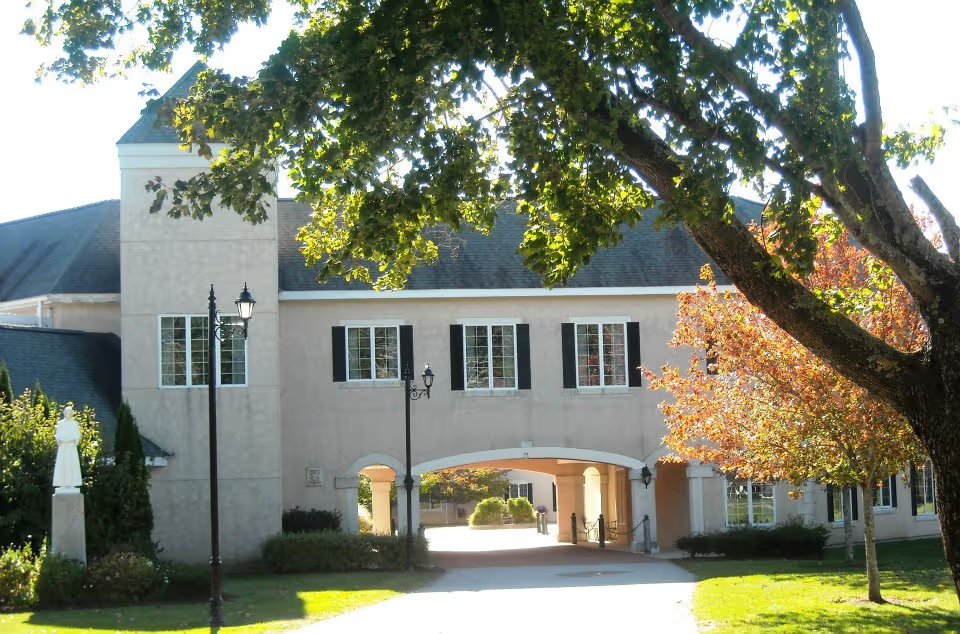
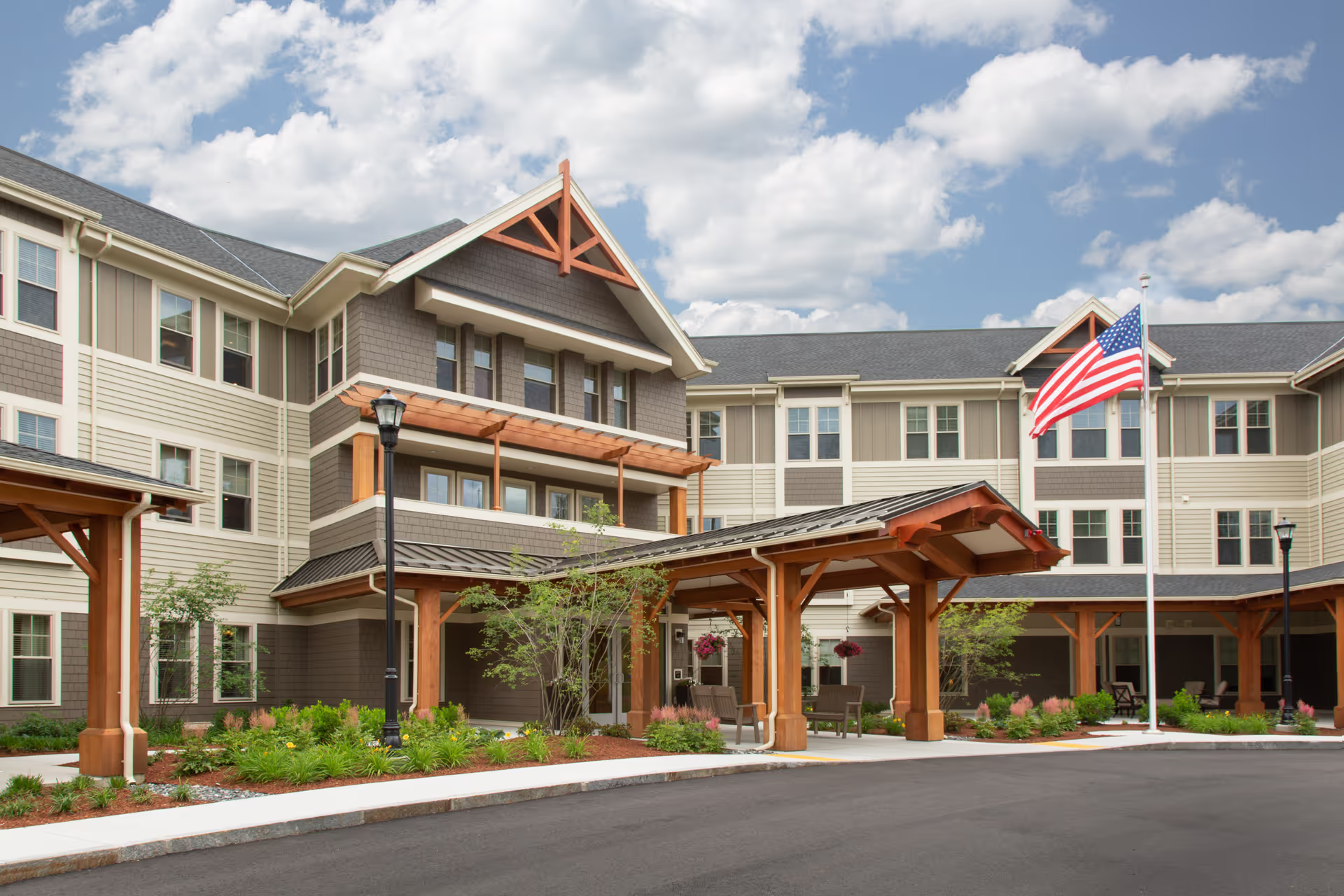
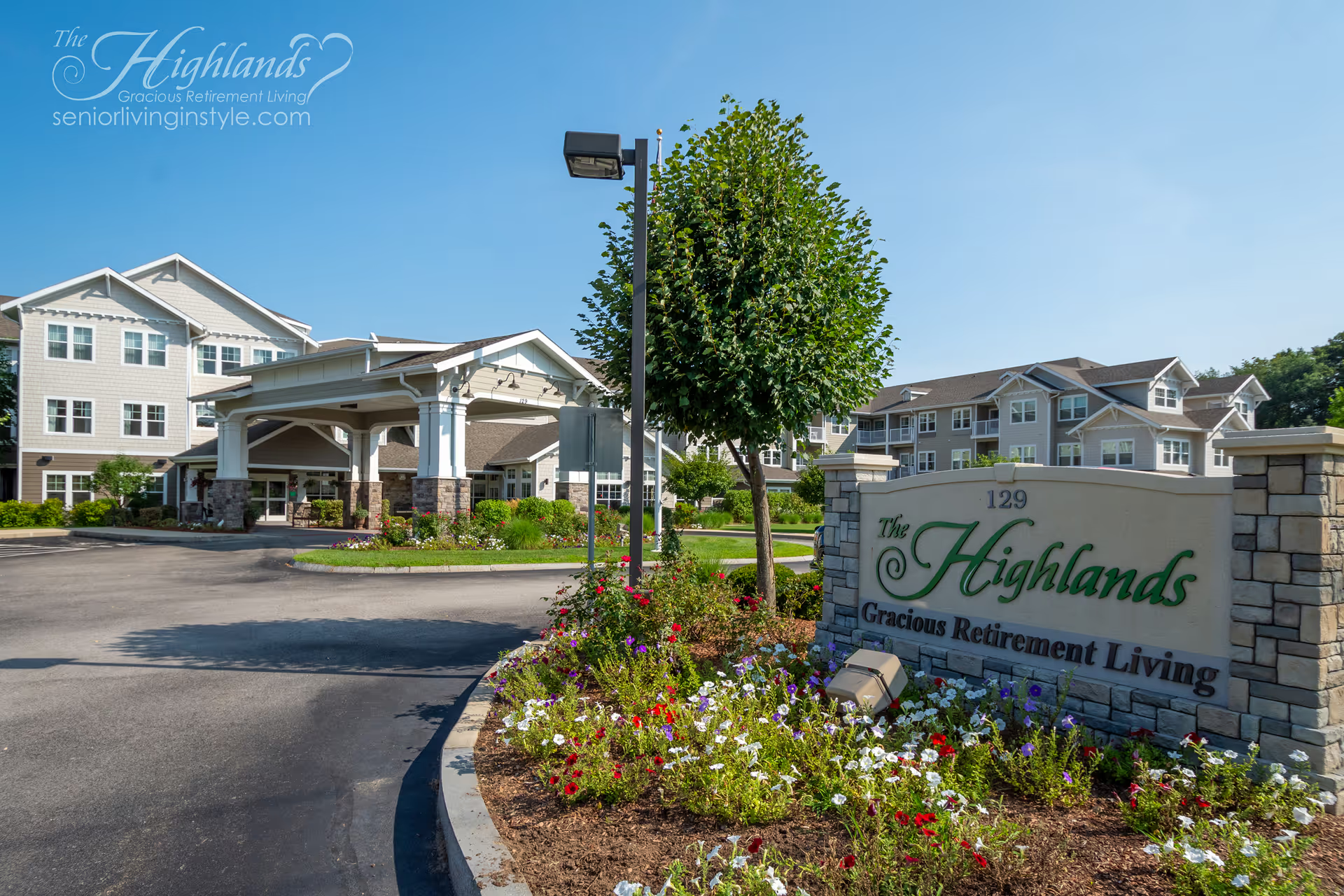
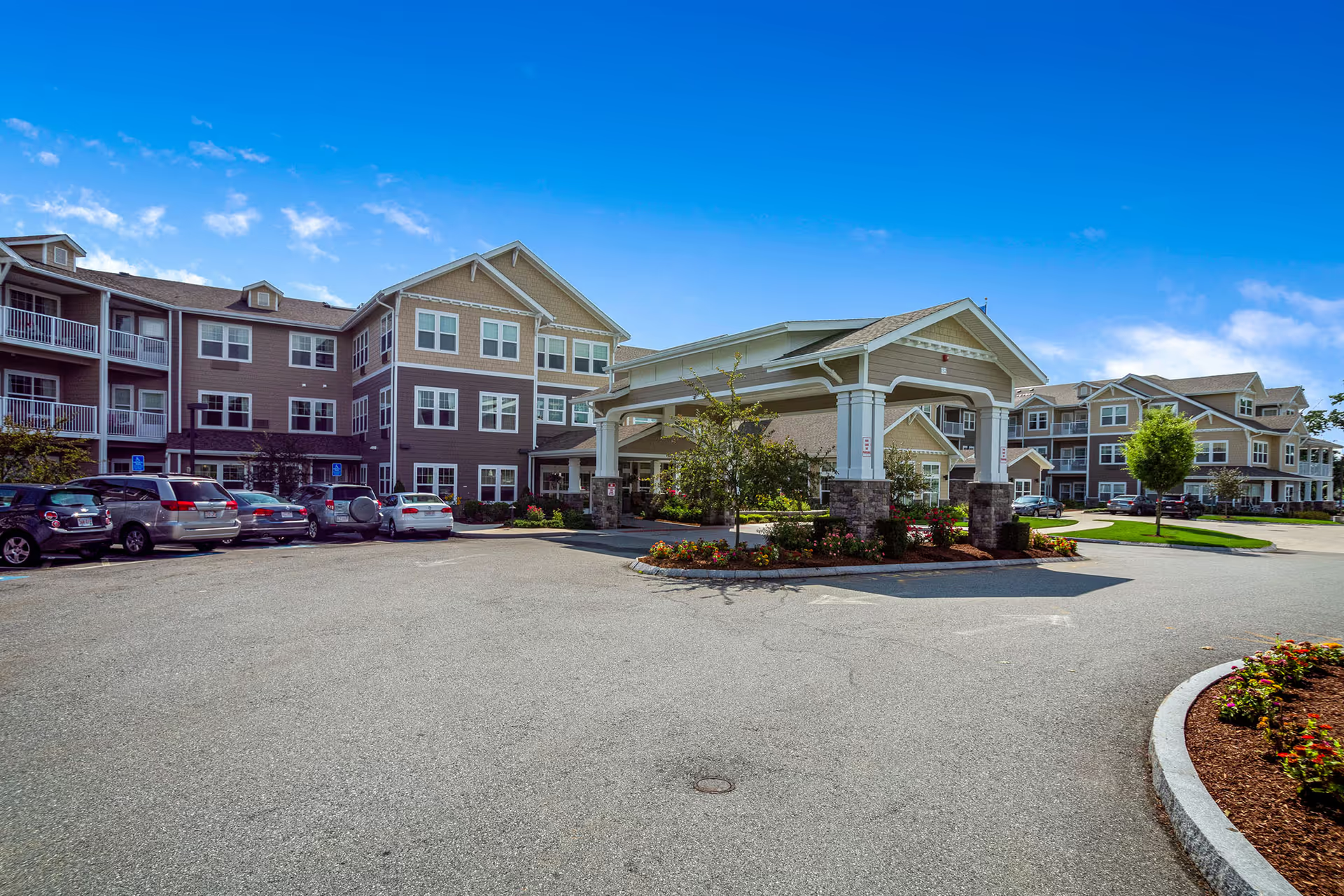
This facility elicits a mixed set of impressions: reviewers frequently praise frontline caregivers, therapy staff, and certain operational strengths, yet a number of serious operational concerns are also described. Positive observations center on compassionate, resident-focused staff, a highly regarded rehabilitation program, attentive nursing and aide support, and specific strengths in memory-care and end-of-life care. Families also note a strong kitchen and nutrition plan, accommodating dietary and activities programming, attractive grounds, and clean, well-maintained resident units in many areas. The site is described as supportive of student learning and can provide streamlined financing and admission assistance, which may appeal to families seeking educational affiliations or straightforward intake processes.
Care quality shows two distinct patterns in the reviews. Many accounts emphasize thoughtful, hands-on caregiving, effective therapy-driven recoveries, and engaged nurse management; these reviews describe individualized care plans, prompt equipment provisioning, and consistent updates to families. In contrast, other accounts describe operational lapses that affected clinical outcomes and family confidence. These include concerns about medication-management practices, inconsistent staffing levels that can delay care, and gaps in continuity of care during transitions or after discharge. A small number of reviewers described alleged improper medication administration and concerns following a resident's death; these appear to be isolated but serious claims that warrant verification through facility records and regulatory history.
Dining, activities, and the physical environment receive generally favorable comments where they are functioning well. The kitchen and nutrition program are often cited as strengths, and activities staff are described as accommodating. Grounds and common spaces are considered peaceful and attractive by several families. However, some reviewers characterized parts of the environment as institutional or unstimulating, and there are references to variability in cleanliness and sanitation controls between units. Personal-property security has been flagged as a concern, and several accounts recommend improved theft-prevention and monitoring measures.
Management and administrative themes are mixed and are a central area of concern for prospective families. Reviewers point to communication shortfalls — including delayed or insufficient family notification, room-change communication problems, and inconsistent long-term planning — as recurring issues affecting the family experience. Safety and security management were also singled out, with suggestions for more proactive staff involvement and better physical-security measures. Financial and leadership instability was referenced in connection with operational disruptions; prospective families should review recent oversight, inspection, or financial-stability records as part of due diligence.
Taken together, the pattern suggests that the facility can provide high-quality, compassionate clinical and rehabilitative care when staffing and management systems are functioning well, but that variability in staffing, medication controls, communication, and security can materially affect resident experience. For families considering this facility, recommended steps include: review recent state inspection and oversight history; ask for specifics on staffing ratios and medication-administration protocols; tour the exact unit where the resident will be housed (to assess cleanliness and atmosphere); inquire about property-theft prevention and security measures; and obtain a written care-plan and family-notification process. These checks will help reconcile the facility's documented strengths with the operational weaknesses identified by reviewers.