Overall impressions of Holy Trinity Nursing and Rehabilitation Center are mixed but point to several consistent strengths alongside notable operational weaknesses. Strengths include a largely compassionate, experienced caregiving team and robust rehabilitation services: occupational and physical therapy are frequently described as effective and recovery-focused. Many families praised individual nurses, aides, and admissions staff for attentive, respectful interactions and continuity of care from long-tenured employees.
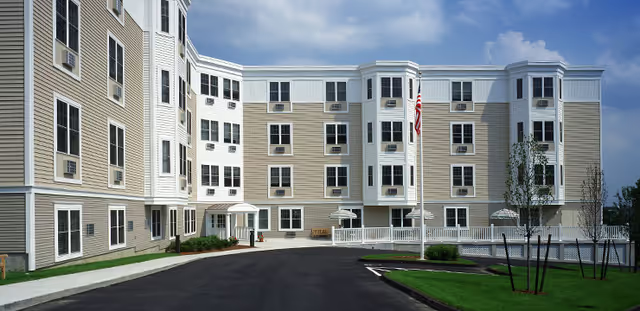
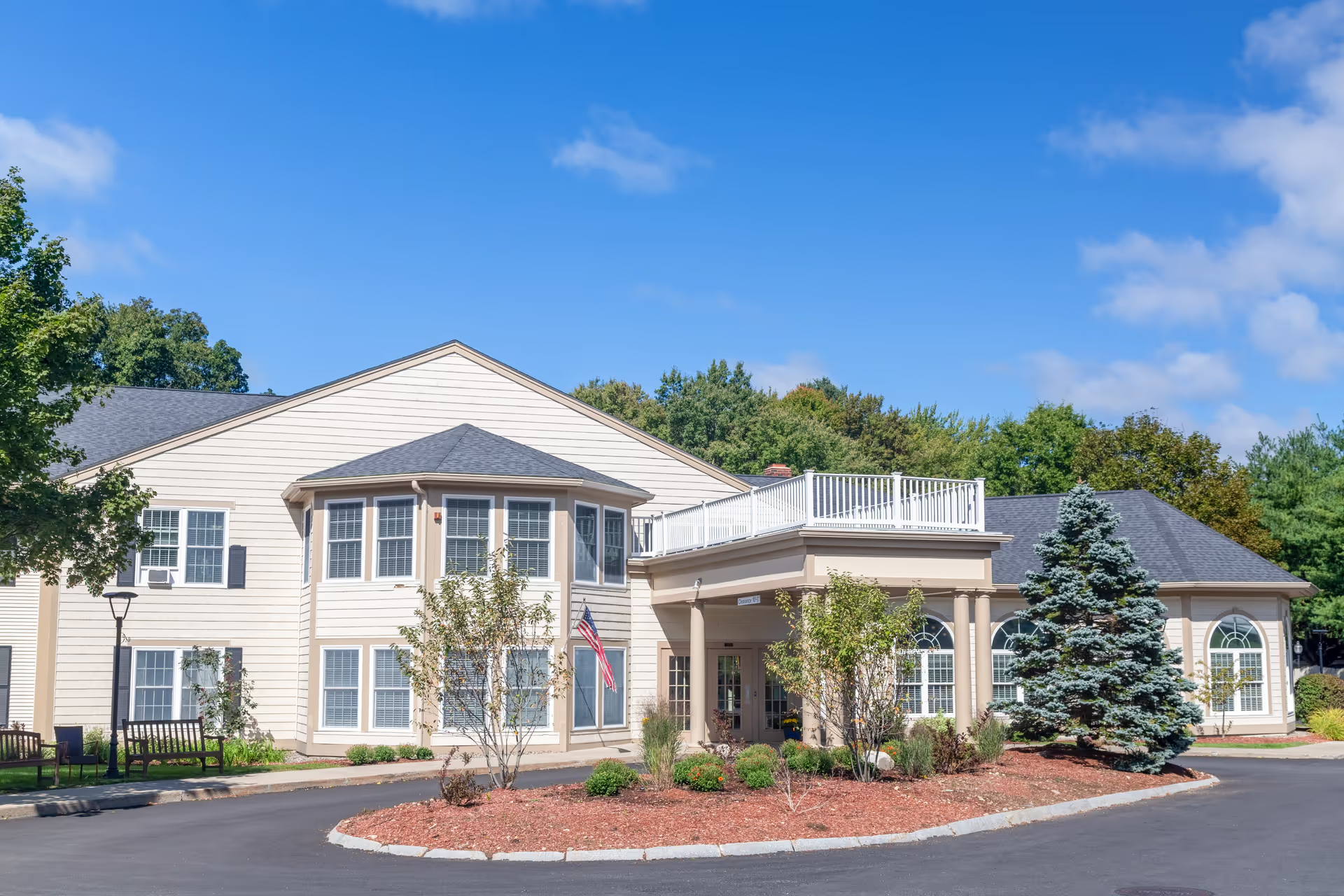
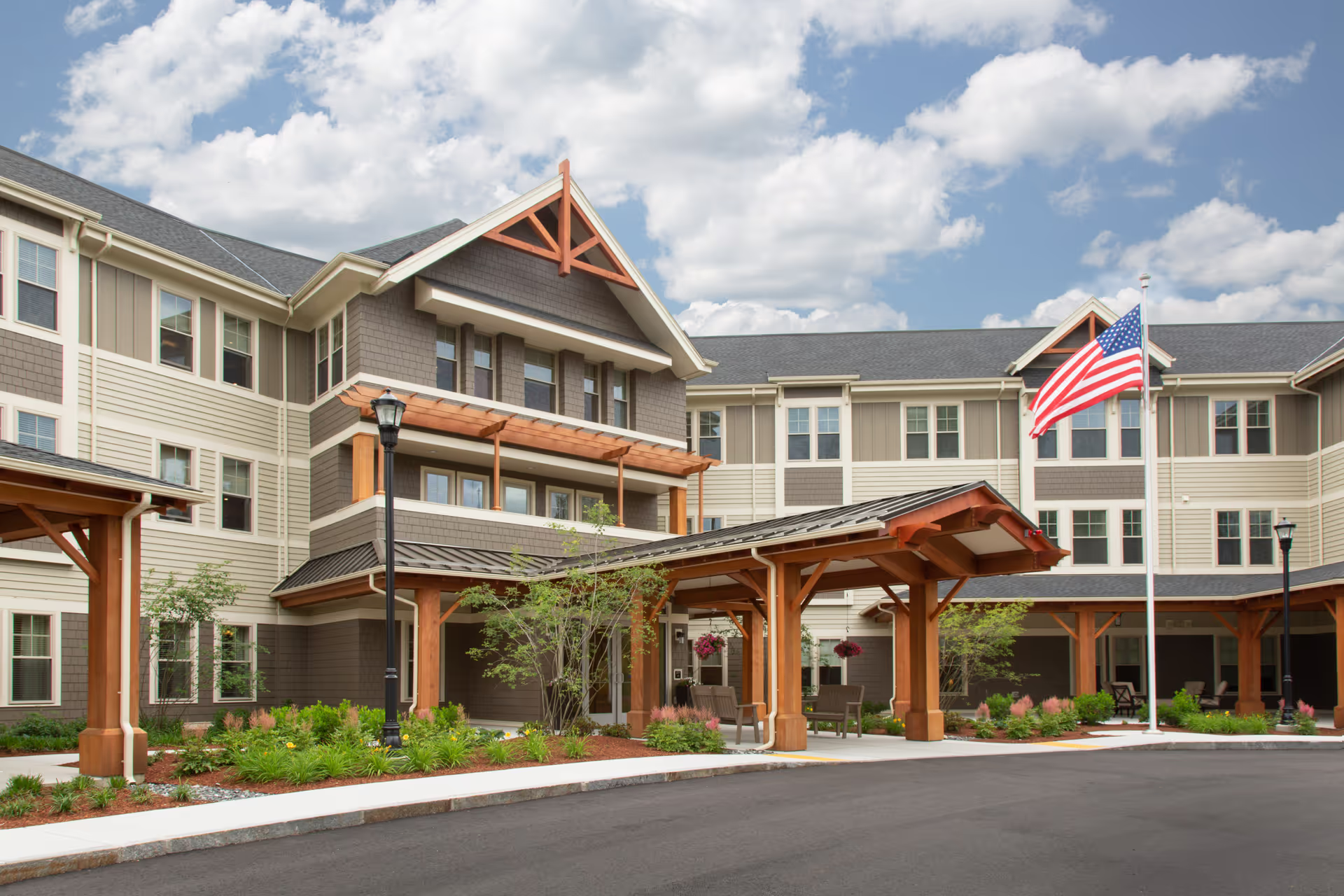
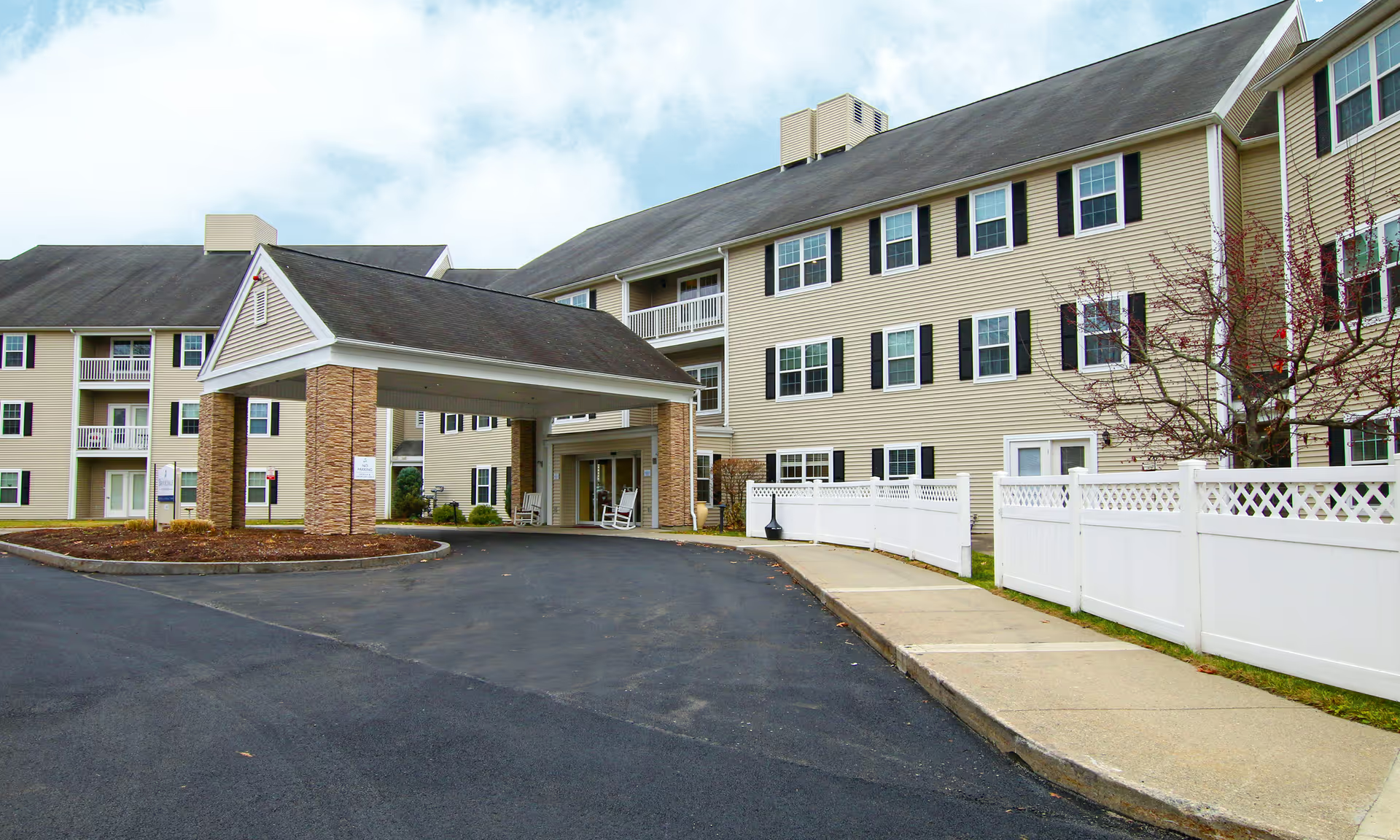
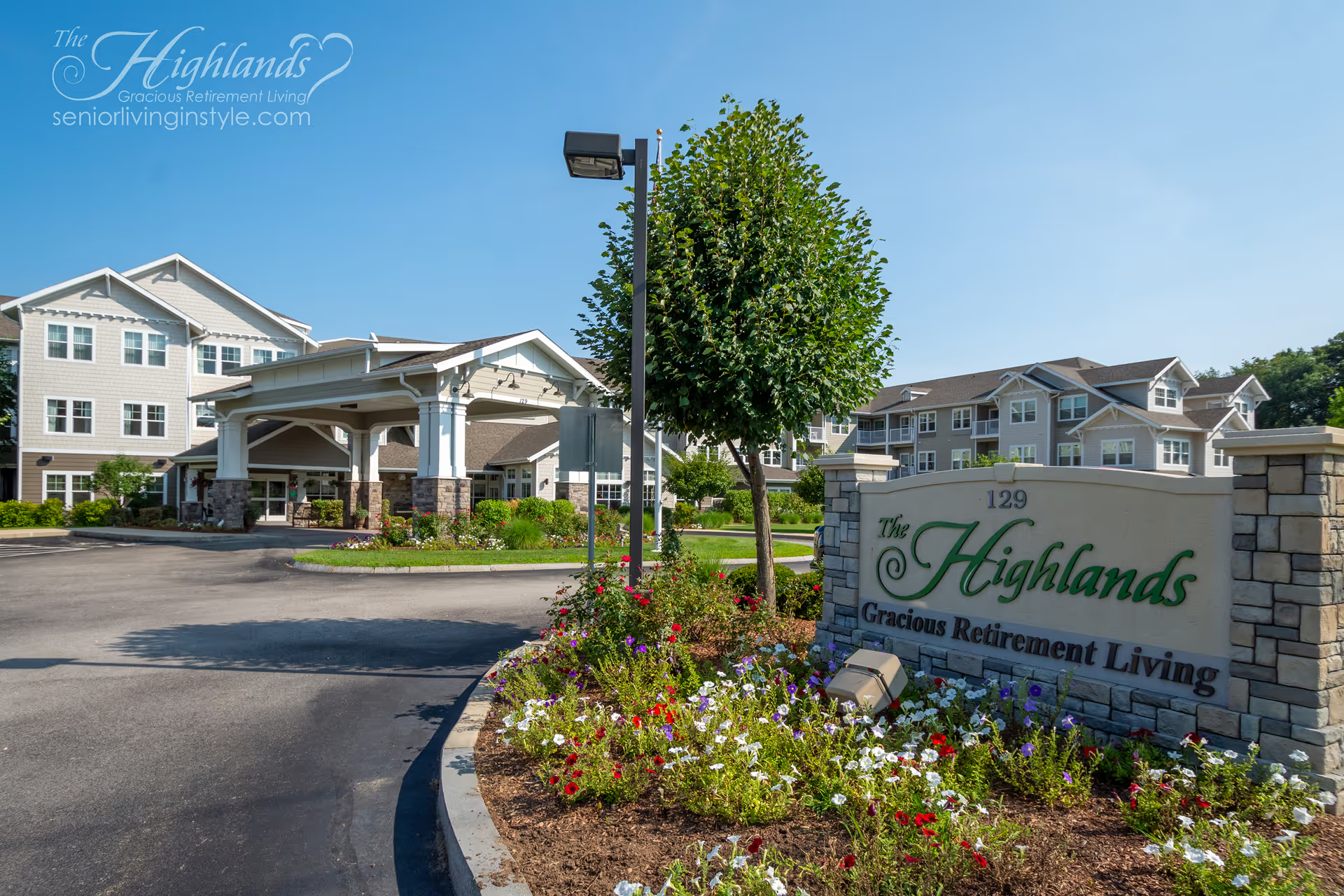
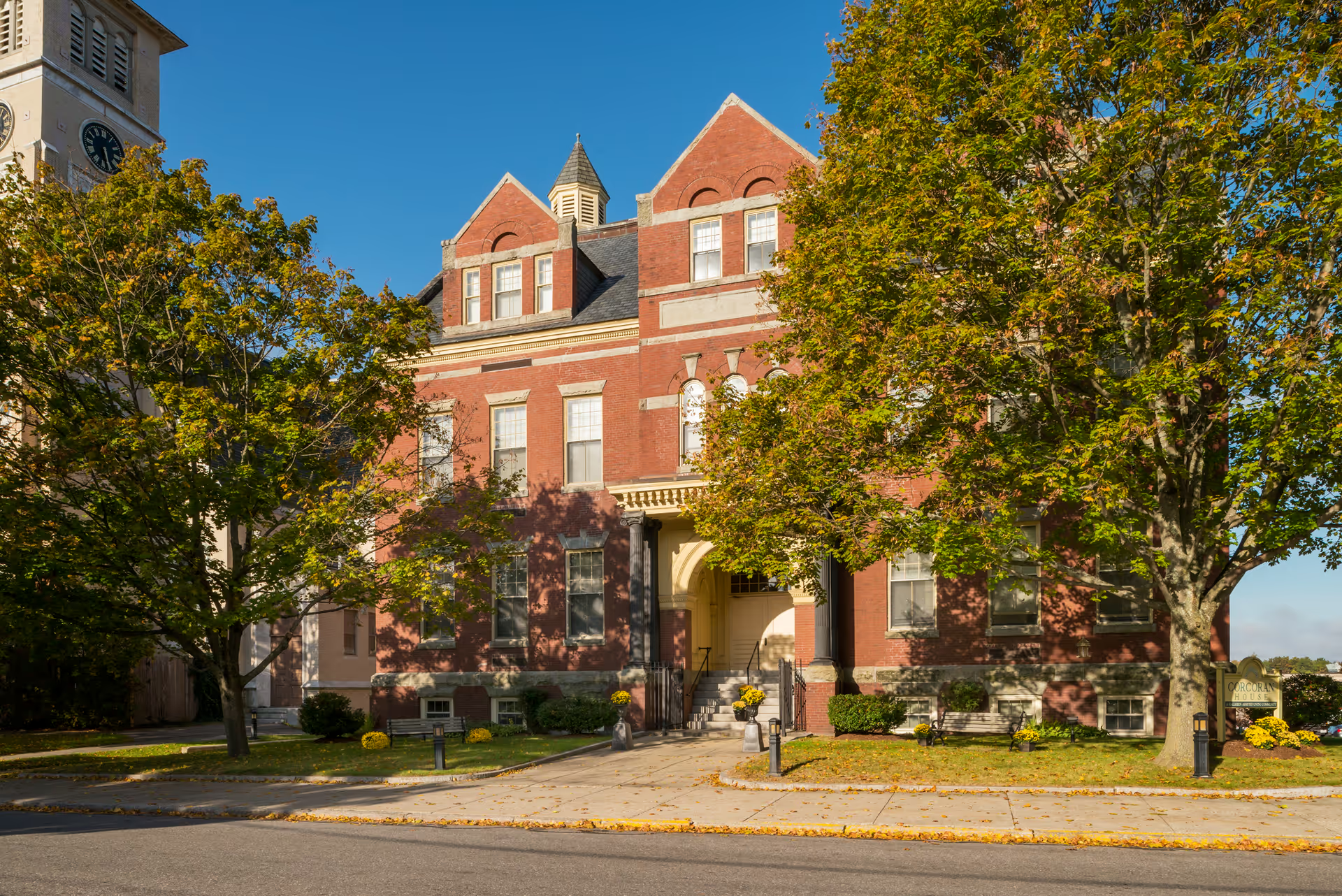
The facility's physical environment is often cited positively. Reviewers described clean, bright rooms, a welcoming lobby, attractive grounds with a garden and gazebo, and an on-site chapel that contributes to a home-like atmosphere. Dining earns largely favorable comments about homemade, appetizing meals and efforts to provide balanced options; several accounts also praise private dining and menu-ordering. The activity program is another strength, with regular events, music, art, and seasonal entertainment that families find stimulating for residents.
Counterbalancing these strengths are recurring operational concerns. A number of accounts describe inconsistent responsiveness to call lights and delays attending to basic care needs; this variability appears linked in several descriptions to staffing levels and shift coverage. Medication management and security are areas of concern, with reports implying gaps in timely administration and secure handling practices. Communication and management responsiveness also surface repeatedly: families describe difficulty obtaining clear answers, delays in following physician orders, and occasional missed appointments.
Facility-level maintenance and support services show uneven performance. While many areas are described as well maintained, others are associated with sanitation and odor-control concerns and pest-control issues, as well as laundry and personal-item tracking problems. Food service receives both praise and criticism, suggesting inconsistency in kitchen operations. Some reviews note frequent room moves, noise or crowding in particular units, and unit-level environmental variability that can disrupt continuity of care.
For prospective residents and families, the pattern suggests a facility with genuine strengths in caregiving relationships, rehabilitation services, and community life, paired with operational shortcomings that can materially affect daily experience. A focused tour and direct questions about current staffing ratios, medication-handling protocols, infection- and pest-control practices, laundry/item tracking procedures, and management communication processes would help clarify whether the facility’s strengths are consistently realized at the time of placement.