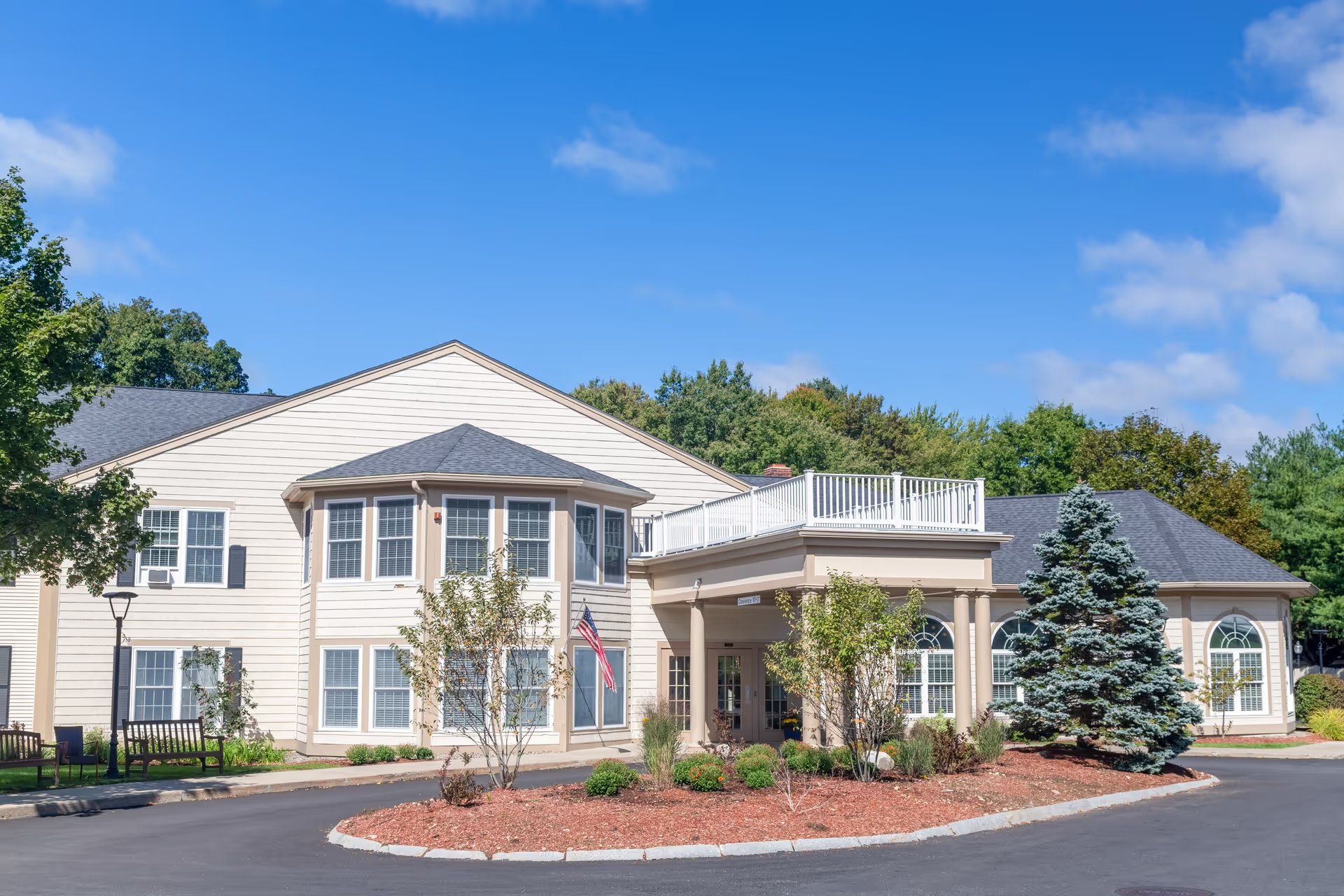
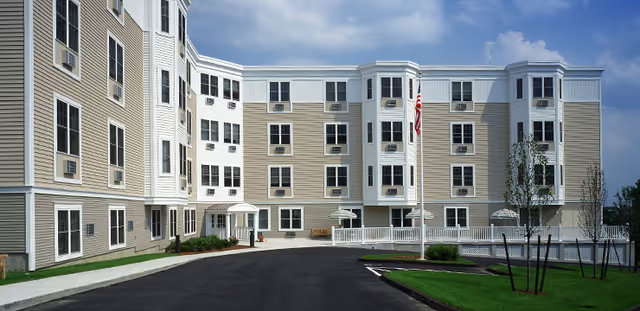
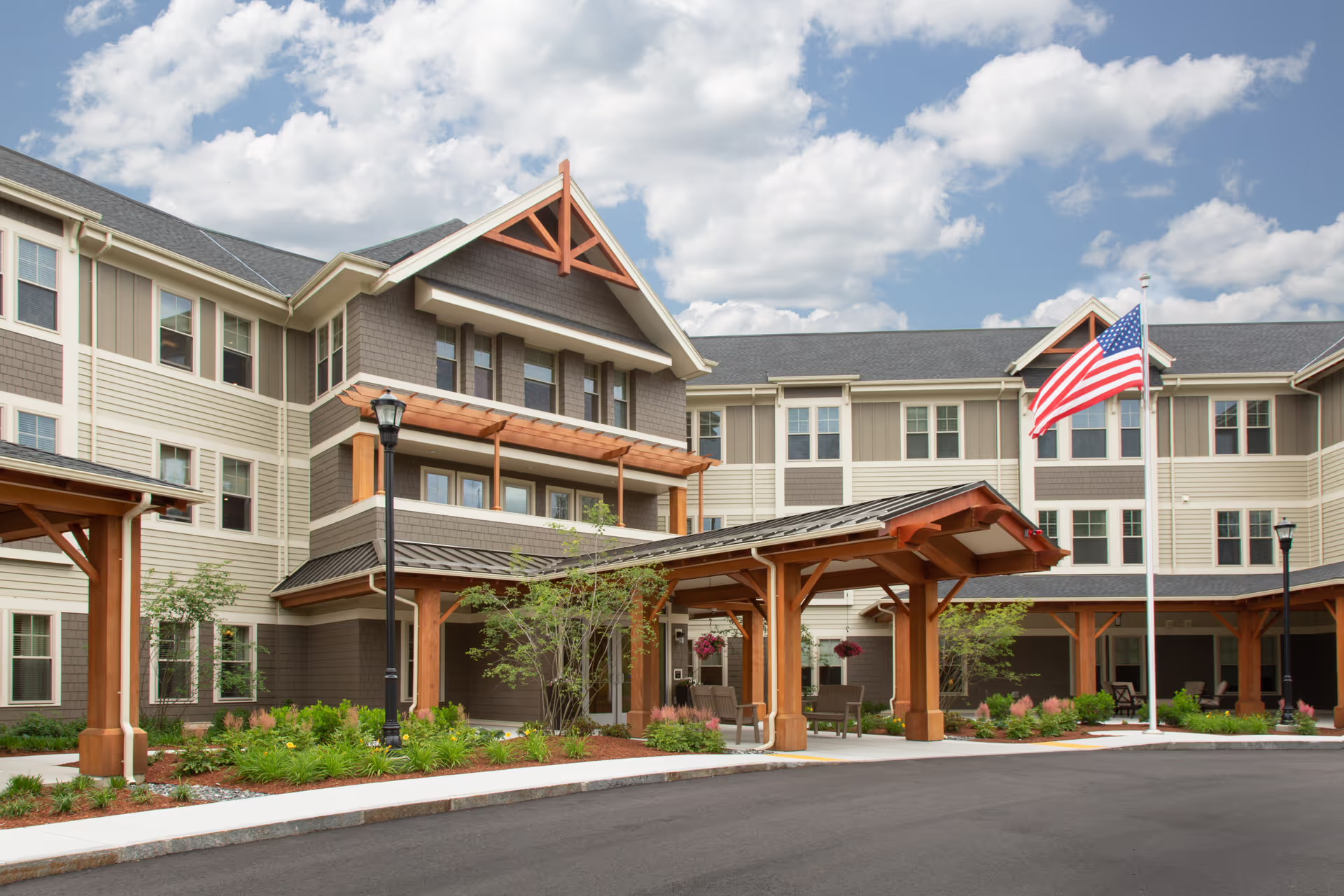
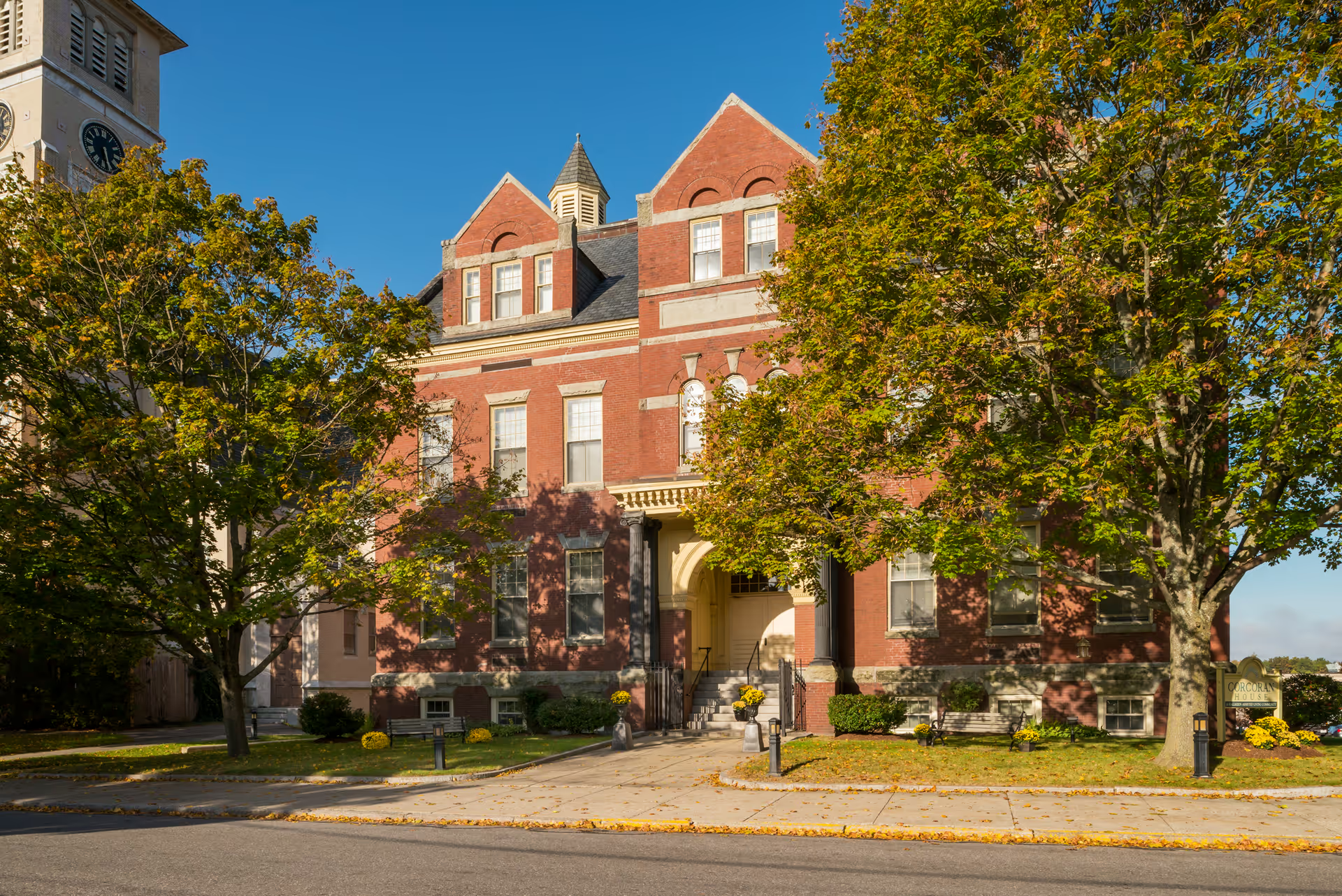
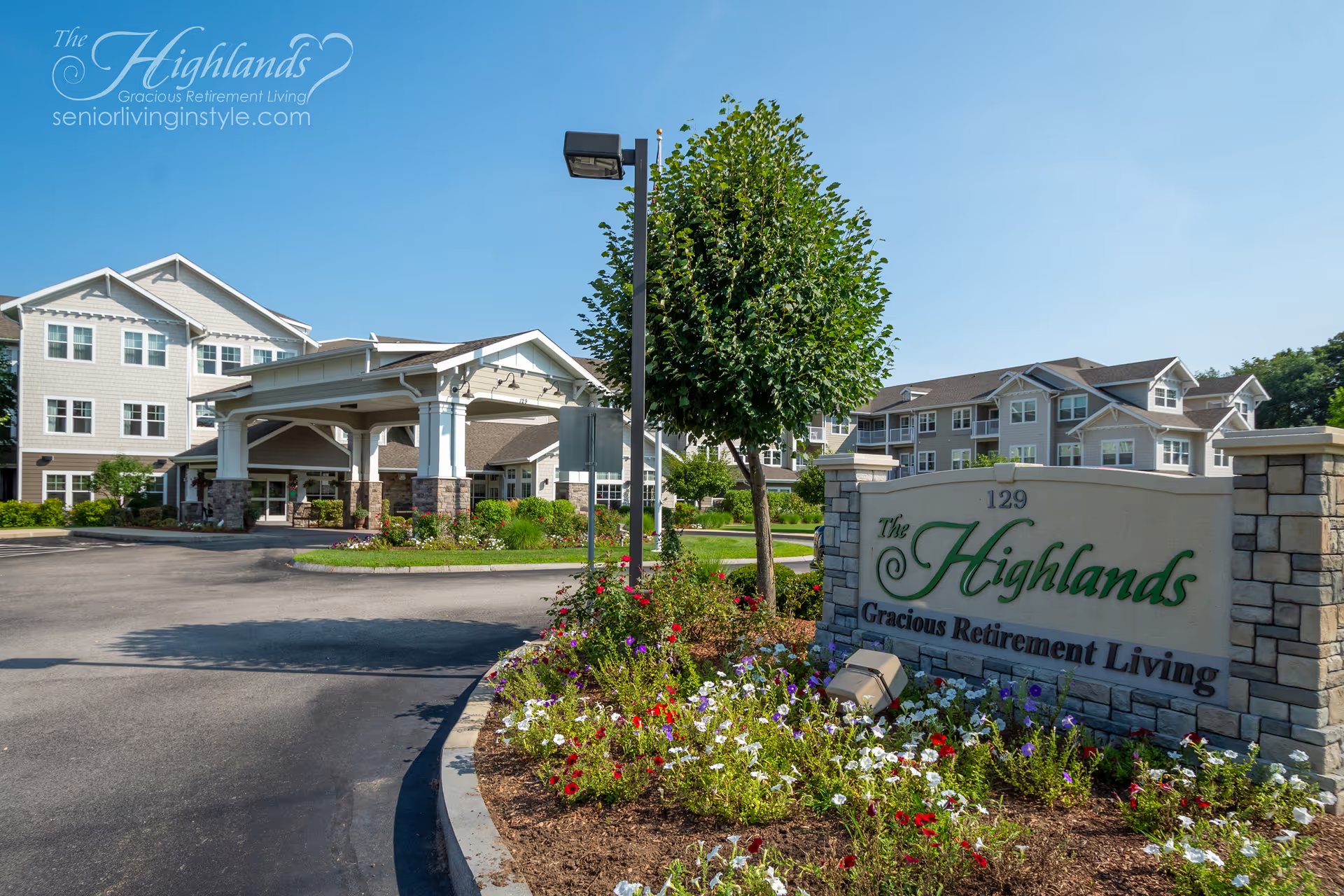
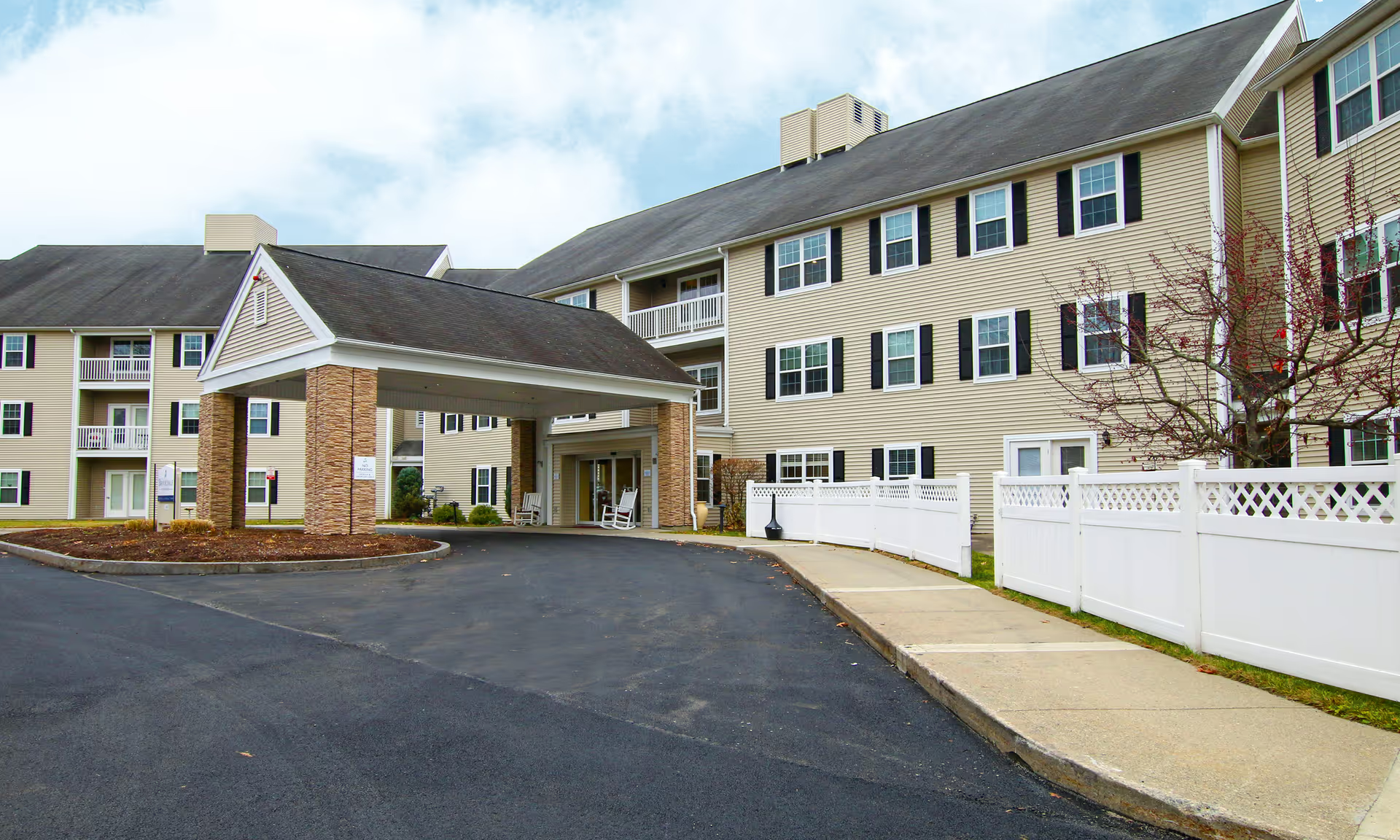
Reviews describe a facility with clear strengths in environment, rehabilitation, and compassionate end-of-life care, alongside recurring operational weaknesses that affect day-to-day reliability. Positively, the building and grounds are frequently described as clean, bright, and tastefully maintained; rooms and common areas are welcoming, and landscaped outdoor spaces are noted. Therapy services (PT/OT) receive positive mention, and some clinicians and nursing staff are praised for thorough communication and for providing dignity-focused hospice transitions. Recreational features such as a large fish tank and resident-cat interactions contribute to an engaging atmosphere.
Care quality accounts are mixed. Several families and residents describe attentive, friendly staff who provide excellent comfort and occasional exceptional efforts to support residents. At the same time, other accounts indicate inconsistent clinical practices: medication administration timing problems, slow responses to call bells, and lapses in incontinence-care and linen management. There are reports of irregular physician rounding and concerns about infection control in at least some post-surgical situations. These patterns suggest variability in day-to-day clinical oversight rather than uniformly poor clinical capability.
Staffing and teamwork emerge as central themes. Reviewers note periods of adequate, compassionate staffing but also describe understaffing (notably on weekends), frequent use of agency or traveler staff, and uneven continuity of care. These staffing dynamics are linked to delayed assistance during transfers, slower response times, and perceived declines in teamwork and professional conduct. Some families report difficulties engaging staff in collaborative care-planning meetings and describe frustration with the tone and responsiveness of certain personnel.
Administrative and coordination issues are also evident. There are multiple accounts of weak discharge planning and poor coordination with hospitals, including communication gaps at transitions of care and instances where discharge logistics created stress for families. A subset of reviews raises concerns about the facility’s management of family communication and billing/discharge processes. Conversely, there are mentions of managerial responsiveness in particular cases, including a Nursing Director addressing specific concerns.
Dining and activities: food quality is described variably, with some reviewers dissatisfied. Activities and communal amenities receive positive comments for supporting social engagement. Overall impression and guidance: prospective residents and family members should weigh the facility’s strong physical environment, rehabilitative offerings, and hospice capabilities against recurring operational issues—especially around staffing consistency, medication timing, response times, discharge coordination, and family communication. Recommended pre-admission questions include current staffing ratios (including weekend coverage), frequency of agency staff use, medication-administration protocols, physician rounding schedules, infection-control practices, and the facility’s process for discharge planning and family meetings.